The old house. It stands on a lonely hill, sometimes decaying, sometimes impossibly grand, always waiting. For decades, I’ve rambled through dusty forgotten estates, tracing the whispers of history in their timber and stone. But there’s another kind of historic site that captures the imagination, perhaps even more powerfully: the *cinematic* Victorian mansion. These aren't just backdrops for Hollywood's most chilling narratives; they are living, breathing characters, shaping fates and holding secrets with an authority no human actor could match. Forget the usual tourist brochures; this is about understanding the very soul of these fictional behemoths, how they’ve been sculpted by masterful directors, and what they reveal about our deepest fears and desires.
What makes these cinematic structures so profoundly unsettling? It’s rarely about a simple haunting, though spectral presences certainly play their part. Instead, these mansions often embody psychological prisons, symbols of decay, or even active antagonists themselves, their architectural quirks designed to manipulate perception and amplify dread. We’re not just talking about a pretty facade; we’re dissecting the very bones of these buildings to understand their profound impact on the silver screen. So, dim the lights, settle in, and let's pull back the heavy velvet drapes on some of America's most unforgettable film locations – even if they only exist on celluloid.
Bates Mansion: A Mother's Shadow on the Hill
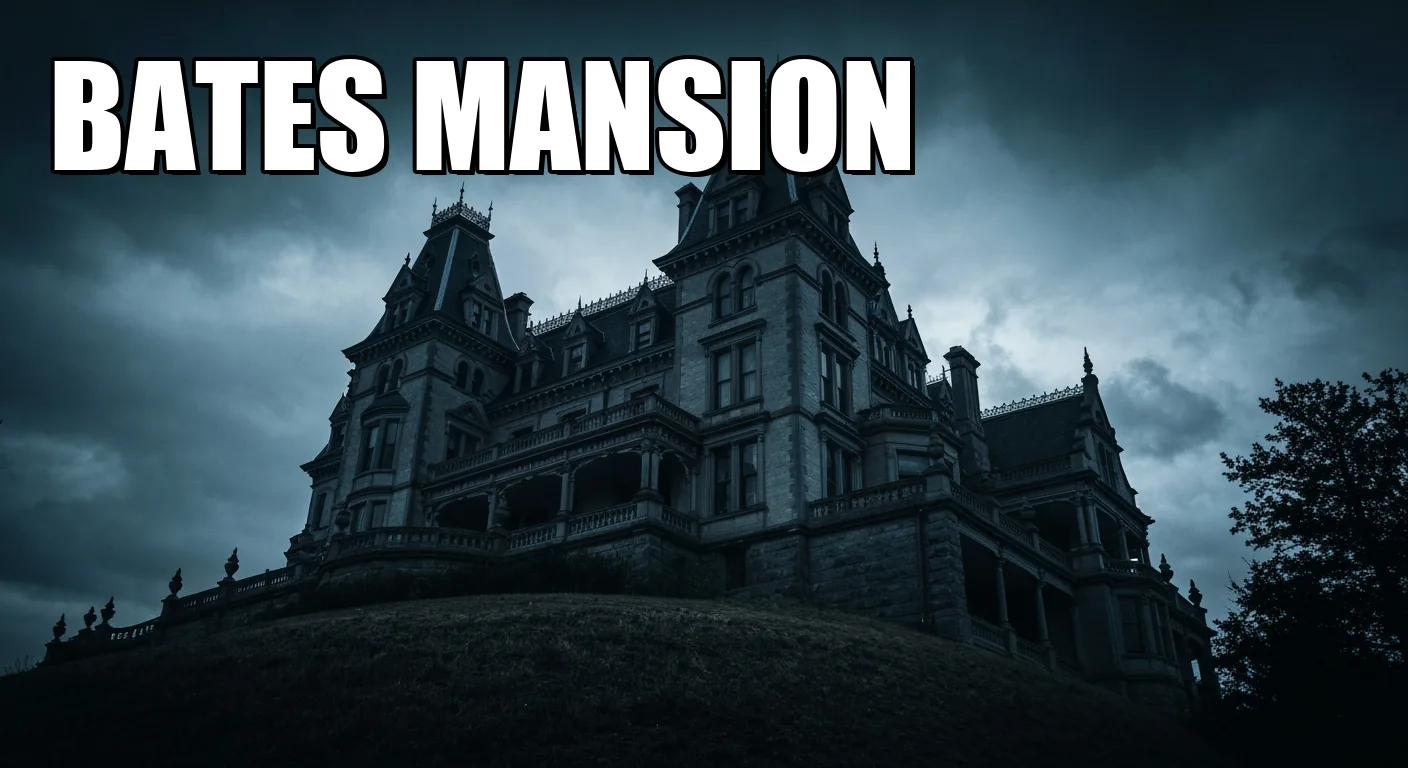
Imagine driving down an isolated highway, only to glimpse a hulking silhouette against the sky, perched precariously above a modest motel. That image, the Bates Mansion from Alfred Hitchcock’s seminal 1960 film Psycho, isn't just a house; it's a visual manifesto of repressed trauma and suffocating control. Production designers Robert Clatworthy and Joseph Hurley didn't pluck this from a real estate catalog; they crafted it, pulling inspiration from Edward Hopper's iconic "House by the Railroad." The sheer verticality of its Gothic architecture, capped by an imposing mansard roof, deliberately contrasts with the motel's humble, horizontal spread below. It’s a brilliant visual cue, immediately signaling Norman Bates's fractured psyche, his internal struggle between outward normalcy and the towering, inescapable dominion of his "mother."
What truly chills me about this house is its absolute isolation, a physical manifestation of Norman's psychological imprisonment. The most insidious architectural detail isn't a secret passage or a creaking floorboard, but rather Norman's carefully concealed peephole, drilled into his office wall. This isn't just voyeurism; it’s an architectural expression of his twisted intimacy and control, a visual bridge between his public facade and his private obsession. The mansion, with its decaying grandeur, acts as a tomb for obsolete moral values, driving Norman’s murderous psychosis. Marion Crane's poignant observation about feeling caught in "traps" resonates deeply with the house's inescapable presence. You can almost feel its oppressive weight, a constant reminder that tradition, when corrupted, can become a cage.
Manderley's Lingering Echoes: A Ghost Without a Name
Moving from one master of suspense to another, Hitchcock’s 1940 adaptation of Daphne du Maurier’s Rebecca introduces us to Manderley, an estate so grand, so imbued with personality, that it utterly dwarfs its human inhabitants. Here, the house isn't just haunted by a ghost; it *is* the ghost, a sprawling psychological battleground where Joan Fontaine's unnamed protagonist grapples with the phantom presence of her predecessor. Production designer Lyle Wheeler's genius lay in crafting over twenty distinct rooms, each deliberately scaled with cavernous halls, soaring staircases, and oversized doors designed to intimidate and diminish the second Mrs. de Winter. It's a house built to make you feel small, insignificant, an interloper in someone else's grand narrative.
Manderley, through the stark beauty of black-and-white cinematography, achieves an almost tangible Gothic isolation. It doesn't merely contain Rebecca's memory; it *is* her dominating presence, amplified by Mrs. Danvers' obsessive worship. The house becomes a physical manifestation of the protagonist's psychological entrapment within its accumulated secrets and haunting memories. And the climax? The cathartic destruction of Manderley by fire isn't just a plot point; it's the only way to sever Rebecca's spectral dominion, suggesting that some houses must burn to set souls free. It’s a powerful statement on how architecture can hold memory, love, and ultimately, tyranny.
Hill House: Where Stone Walls Actively Stalk
Now, if you want a house that truly *wants* to kill you, look no further than Robert Wise's chilling 1963 classic, The Haunting. Hill House isn't merely passive; it’s an architectural entity of pure malevolence, designed to feed on vulnerability. The film posits the house as a structure that "wants to live" and "wants to kill," a concept that elevates it far beyond typical haunted house tropes. With its massive stone construction, steep pitched roofs, and elaborate facade, it looks formidable, yet its true horror lies within its labyrinthine interior.
The most insidious architectural feature isn't some spectral apparition, but the rotting spiral staircase in the library – a physical manifestation of the precarious mental and physical state of those within its walls, always threatening to collapse. Add to this the inexplicable cold spot outside the nursery and the door that bulges inward as if something from beyond is struggling to force entry, and you have a house that actively participates in the torment. Eleanor's descent into madness is inextricably linked to Hill House's supernatural possession of her consciousness. The house doesn't just watch; it seduces, compels, and ultimately consumes, transforming into a predatory organism. It’s a masterclass in using architecture to create a palpable sense of dread, where every angle and shadow serves to amplify terror.
Sunset Boulevard's Fading Grandeur: A Mansion Frozen in Time
Not all cinematic mansions haunt with ghosts; some haunt with the specter of faded glory. Billy Wilder's 1950 masterpiece Sunset Boulevard gives us Norma Desmond's crumbling mansion, a Gothic emblem of decay that perfectly mirrors her own psychological stagnation. This wasn't a set piece but an actual abandoned 1920s mansion on Wilshire Boulevard, which production designer Hans Dreier – who actually designed homes for silent film stars – recreated as a suffocating shrine to a bygone era. It's filled with oversized, gilded furniture, cobwebbed chandeliers, and an oppressive darkness that swallows light and hope.
The house's architectural collapse is a direct visual metaphor for Norma's mental deterioration and her stubborn refusal to acknowledge the march of time. Cinematographer John F. Seitz’s black-and-white photography emphasizes this "creeping paralysis," using deep shadows to transform the decrepit estate into a character as tragic and delusional as Norma herself. The crumbling tennis court and empty swimming pool, once symbols of glamorous vitality, now serve as stark monuments to her frozen fame. This mansion doesn't just house Norma; it holds Joe Gillis prisoner through a potent blend of seduction and financial dependence, just as Norma clings desperately to its decaying grandeur. It's a powerful statement on how dreams can curdle and how a house, when clung to too tightly, can become both sanctuary and tomb.
Crimson Peak: A House That Bleeds Its Secrets
Guillermo del Toro, a modern master of visual storytelling, gave us Allerdale Hall in 2015's Crimson Peak, a Cumberland mansion that quite literally bleeds. Sinking into blood-red clay, this house is less a setting and more the true antagonist, a character as complicit in the narrative's murders as its human inhabitants. The most visually horrifying architectural detail is undoubtedly the enormous, gaping hole in the roof, allowing snow and ash to filter down, staining everything crimson – like blood seeping from the house itself. This isn't subtle; it's a bold, terrifying declaration of the mansion's malevolence.
Beneath the collapsing structure, hidden within its very bowels, lie massive vats containing the liquefied remains of Thomas's previous wives. The mansion here serves as both tomb and murder weapon, its perpetual state of decay and "bleeding" red clay transforming it into a living, breathing entity that refuses to move into the future. The red clay isn't just a natural phenomenon; it's visible evidence, a constant testimony to the house's terrible crimes. Edith's entrapment, sealed by a blizzard and insidious poisoning, represents the ultimate merging of architectural and narrative imprisonment. Allerdale Hall is a house that doesn't just witness horror; it actively participates in it, a truly unforgettable example of architecture as a character.
The Others: A House of Locked Doors and Unseen Truths
Alejandro Amenábar's 2001 film The Others presents Grace's mansion on Jersey not just as a haunted house, but as an ambiguous space where the very definition of haunting dissolves. The mansion enforces a fundamental architectural rule: all fifty doors must be locked before another can be opened, and curtains must remain perpetually drawn. This isn't just a quirky detail; it's a strict, ritualistic isolation that transforms the house into a space of psychological confinement. The atmosphere created by these rules is so palpable that it becomes indistinguishable from supernatural phenomena.
The most unsettling architectural detail isn't some dramatic apparition, but a quiet discovery: a 19th-century photograph album found in a storage room, filled with images of corpses from an 1891 tuberculosis outbreak. This detail suggests the mansion itself harbors accumulated death, embedded in its very walls, long before the film's events unfold. The house's Gothic isolation on the Channel Islands, combined with these rigid architectural constraints—the darkened rooms, narrow corridors, heavy drapes—becomes a prison of both physical and metaphysical dimensions. What this film masterfully reveals is that the mansion contains not invading ghosts, but the trapped spirits of those who believed themselves alive, a brilliant twist that redefines the relationship between house and haunting.
Winchester: An Architectural Asylum for the Departed
Finally, let's explore the real-life enigma brought to the screen in 2018's Winchester. The Winchester Mystery House, a genuine 160-room Victorian Queen Anne mansion in San Jose, built continuously between 1884 and 1922, is a physical manifestation of guilt, compulsive construction, and a very specific kind of supernatural reckoning. Forget logical design; this house is a chaotic architectural puzzle, with rooms within rooms, staircases leading nowhere, narrow switchback stairs, and constantly shifting floor plans. It is, frankly, bewildering.
These architectural eccentricities, surprisingly paired with advanced technologies like three elevators and high-tech heating systems, create a space that simultaneously represents Sarah Winchester's trauma and her architectural defiance against the ghosts of those killed by her husband's weapons. The house becomes a physical asylum, each new room addition supposedly designed to contain another tortured soul. It's an elaborate, sprawling construct meant to confuse and trap haunting spirits, blurring the line between sanctuary and prison, control and chaos. When planning your cinematic journey, perhaps watch this one with the lights on; the sheer architectural audacity might give you nightmares, even without the ghosts.
Crafting Your Own Cinematic Journey Through Victorian Grandeur
So, what have we learned from these magnificent, often menacing, cinematic mansions? They remind us that architecture is never neutral. These buildings aren't just settings; they’re integral characters, their design, decay, and deliberate quirks serving as silent yet powerful forces in the unfolding drama. They embody psychological states, amplify narrative tension, and often hold the key to the story's deepest secrets. When you next sit down to watch one of these classics, don't just admire the plot or the performances. Lean in, and truly observe the house. See how the production designers and directors have sculpted every shadow, every staircase, every locked door to tell a story far beyond what the human characters utter.
Consider planning a "Victorian Mansion Marathon" one rainy weekend. Start with the stark psychological terror of Psycho, feeling the oppressive weight of the Bates house. Follow it with the grand, haunting presence of Manderley in Rebecca, appreciating how it dictates mood and memory. Then, delve into the active malevolence of Hill House in The Haunting, marveling at how a structure can actively torment. Witness the tragic decay of Norma Desmond's world in Sunset Boulevard, a poignant testament to faded glory. Embrace the bloody beauty of Allerdale Hall in Crimson Peak, a house that literally bleeds its secrets. Unlock the hidden truths within Grace's mansion in The Others, letting its rules dictate your suspense. And finally, get lost in the bewildering labyrinth of the Winchester house, where every turn presents a new mystery. Expect not just scares, but a profound understanding of how human emotion and architectural design intertwine, proving that some of the greatest characters in film aren’t human at all.
Ultimate Guide to Gothic & Haunted Mansion Films in America
What are the top-rated Victorian mansion movie reviews?
Guillermo del Toro's 'Crimson Peak' (2015) receives praise for its stunning Gothic set design, costumes, and performances, praised as a visual love letter to Victorian Gothic horror. Robert Eggers' 'Nosferatu' (2024) is lauded for its meticulous cinematography, gothic atmosphere, and strong performances by Lily-Rose Depp and Bill Skarsgård.
What is the most famous house from a movie?
The Psycho house (also called Bates House) from Alfred Hitchcock's 1960 film 'Psycho' is arguably the most iconic horror mansion, standing ominously on a hill overlooking the Bates Motel. Other notably famous houses include the Home Alone house in Winnetka, Illinois and the Overlook Hotel from 'The Shining'.
What is arguably the best movie of all time?
According to IMDb's Top 250 list and Rotten Tomatoes' 300 Best Movies of All Time, 'The Godfather' (1972) and 'Casablanca' (1942) consistently rank as the greatest films ever made. For horror specifically, 'The Shawshank Redemption' frequently tops greatest-of-all-time polls.
What are some of the darkest Victorian films?
Notable dark Victorian horror films include 'Nosferatu' (2024), 'Bram Stoker's Dracula' (1992), 'The Witch' (2015), 'From Hell' (2001), 'Stonehearst Asylum' (2014), 'The Limehouse Golem' (2016), and 'The Awakening' (2011).
What scary movie do they go to the mansion to exorcise?
'Haunted Mansion' (2023) features a single mother and her son who enlist an astrophysicist, a psychic, a fake priest, and a historian to exorcise the ghostly inhabitants of their newly inherited Victorian mansion.
What is the number 1 scariest movie ever?
According to Rotten Tomatoes' 10 Scariest Horror Movies Ever list, 'The Exorcist' (1973) ranks as the number one scariest film, followed by 'Hereditary' (2018), 'The Conjuring' (2013), 'The Shining' (1980), and 'The Texas Chain Saw Massacre' (1974).
What is the British Horror House movie?
'The Legend of Hell House' (1973) is a British gothic supernatural horror film about a group of paranormal investigators spending a week in a haunted mansion. 'The Woman in Black' (1989) is another acclaimed British horror film about a young solicitor encountering a ghostly woman in a haunted house.
Which scary movie is The Haunted Mansion?
'Haunted Mansion' (2023) is a supernatural horror-comedy film directed by Justin Simien, starring LaKeith Stanfield and Tiffany Haddish. It's based on the Disney theme park attraction and was released theatrically on July 28, 2023.
How can I find a movie if I don't remember the name?
Use online tools like 'What Is My Movie?' (whatismymovie.com), AI Movie Finder (aimovielinder.com), or 'find-scene.com' where you can describe the plot, scenes, actors, or any details you remember. Search IMDb with keywords and actor names, or use Google with specific scene descriptions and context clues.
What horror movie takes place in a house?
Iconic horror films set in houses include 'The Shining' (1980), 'Poltergeist' (1982), 'The Amityville Horror' (1979), 'The Innocents' (1961), 'Insidious' (2010), and 'The Conjuring' (2013). These range from haunted house narratives to psychological terror within residential settings.
Where can I visit the famous Psycho house?
You can tour the Psycho house at the Universal Studios lot in Hollywood, California. The original filming location was at 3600 Prospect Street NW in Georgetown, Washington, DC, which is also accessible to visitors.
How can I visit The Stanley Hotel that inspired The Shining?
The Stanley Hotel in Estes Park, Colorado (about 5 miles from Rocky Mountain National Park) offers guided tours including 'The Shining Tour' ($30), Historic Day Tour ($25), and Ghost Night Tour ($30). Tours must be booked in advance and are limited to 20 people. Children must be 8 years or older.
Can I visit the Home Alone house from the movie?
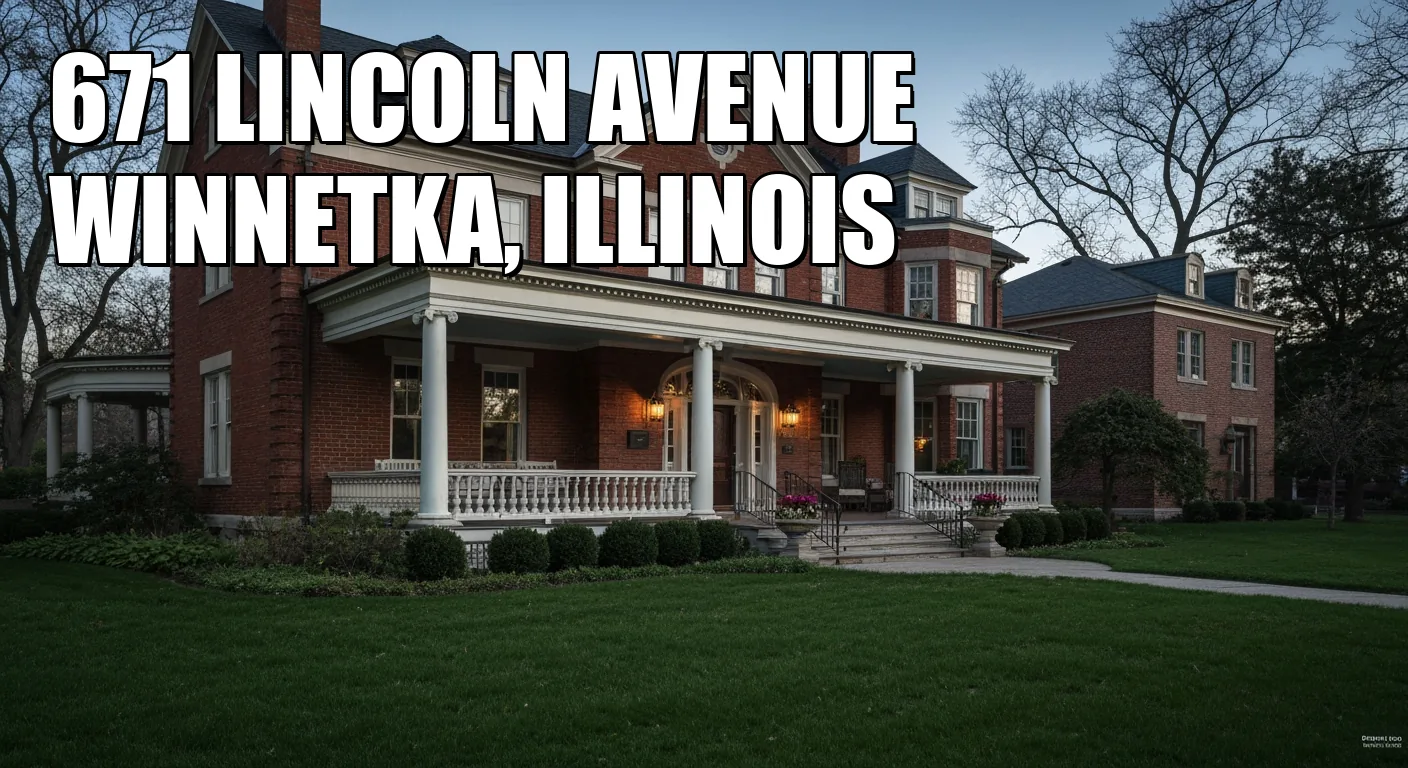
Yes, the Home Alone house is located at 671 Lincoln Ave, Winnetka, Illinois (about 45 minutes from downtown Chicago). It's a private residential property in an affluent suburb, so you can view it from the street but cannot tour the interior.
What is the cost to visit famous movie mansion locations?
Most tours range from $23-$30 per person, with The Stanley Hotel's Shining Tour at $30, Historic Tour at $25, and Ghost Tour at $30. Some locations like Greystone Mansion in Beverly Hills offer free general access with optional guided tours ($15-$25). Parking fees vary by location.
What is the best time to visit Victorian mansion movie locations?
October through November is ideal for horror-themed visits due to the Halloween season, with many locations offering special ghost tours and themed events. Summer months offer reliable weather and longer daylight hours for touring.
Are there any new Victorian mansion horror movies coming in 2025?
'Victorian Psycho' (releasing 2026) is an upcoming gothic horror-thriller starring Maika Monroe and Jason Isaacs, set in 1858 at the remote gothic manor Ensor House, featuring a governess with sinister intentions. 'Borley Rectory: The Awakening' (2025) is set in a Victorian mansion in Essex, England.
We use cookies to enhance your experience. By continuing to visit this site you agree to our use of cookies.