Victorian families and rooflines
Start here when the biggest question is not one ornament term but which late-nineteenth-century branch you are looking at from the curb.

Street-level guides to American house styles, from Federal fanlights and Greek Revival fronts to Victorian, Prairie, Tudor, and Shingle houses.
These field guides teach you to read a house from the sidewalk — then our map and stay guides show where to see (and sleep in) each style for real. Deeper context: The Victorian House Tour Index 2026.
Architecture readers usually notice one detail first: a roof shape, a column type, a Gothic edge, or a window form they cannot name yet. These guides work best when they help identify that feature quickly and then place it inside a broader style.
That approach makes the category more useful on the street, on a walking tour, or while comparing one house to another.
Read This Hub Like an Editor
Start here when the biggest question is not one ornament term but which late-nineteenth-century branch you are looking at from the curb.
Use these when the reader needs to decode a doorway, a window composition, or a temple-front signal rather than a whole Victorian silhouette.
These pages work best when the reader needs a full curbside diagnosis of the house, not just one feature name.
These guides help when the massing itself matters as much as the trim, especially in the transition from late Victorian to early twentieth-century design.
Use visible details like rooflines, columns, and ornament to identify building styles faster.

A three-level field test separates visible Gothic Revival evidence from a style hypothesis and the dates, authorship or alterations that require records.

Greek Revival can survive without a portico. Use roofline, entablature, entrance, wall plane, date and later alterations to state confidence.
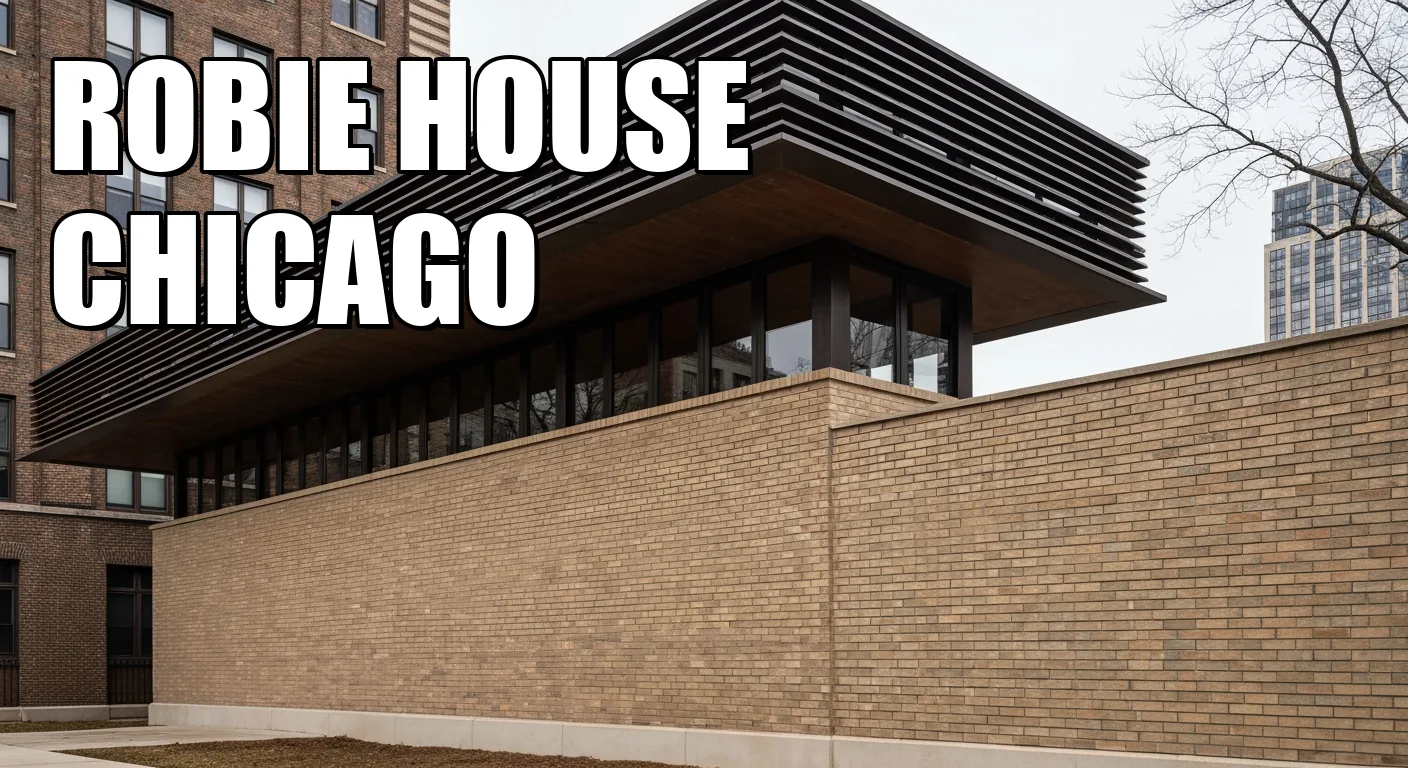
A practical guide to Prairie Style architecture in the United States, with the roof, window, massing, and site cues readers should compare from the street.
The archive below carries narrower feature pages, legacy terms, and style subtypes. Use it once the top guides have already helped you name the building family correctly.
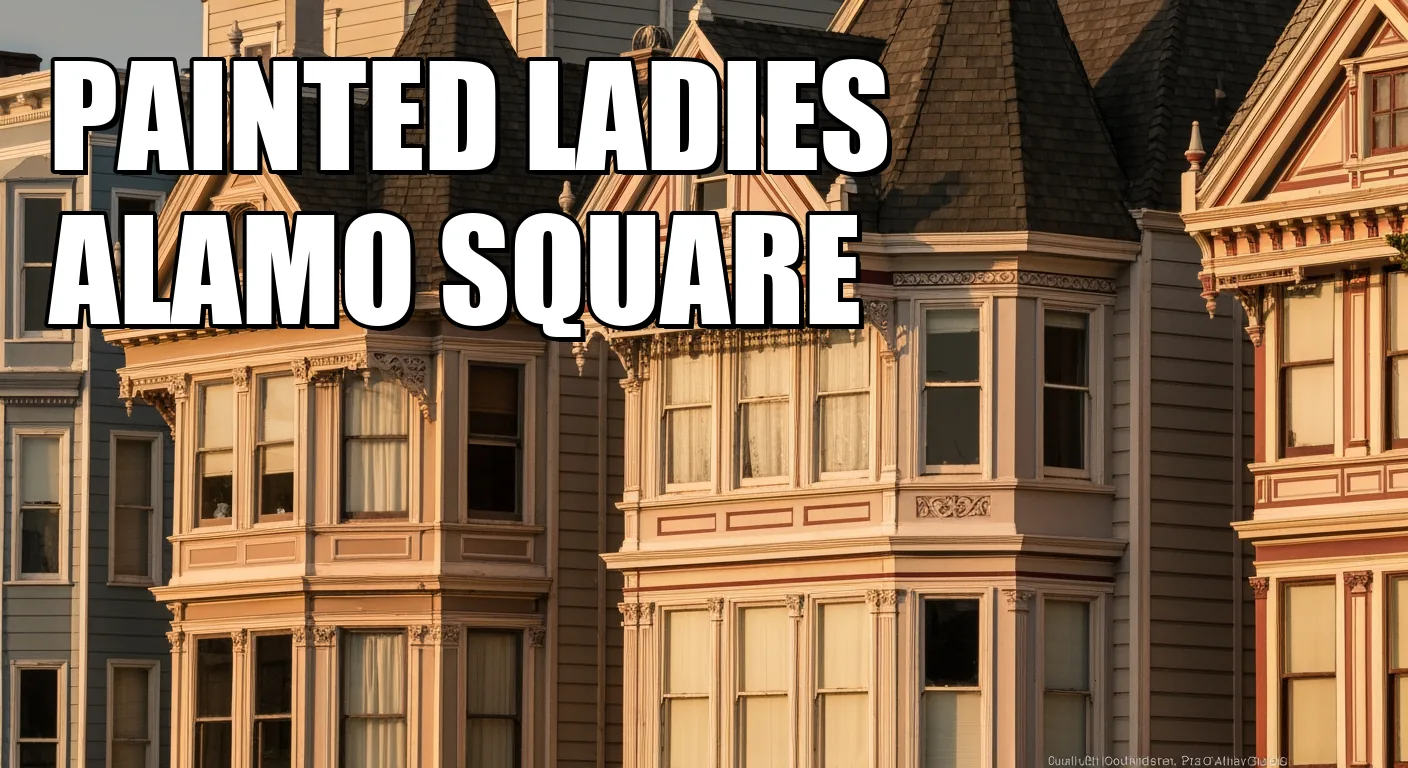
A grounded guide to San Francisco’s Painted Ladies, with what makes the row architecturally important, where to stand, and how much of the postcard view is public.
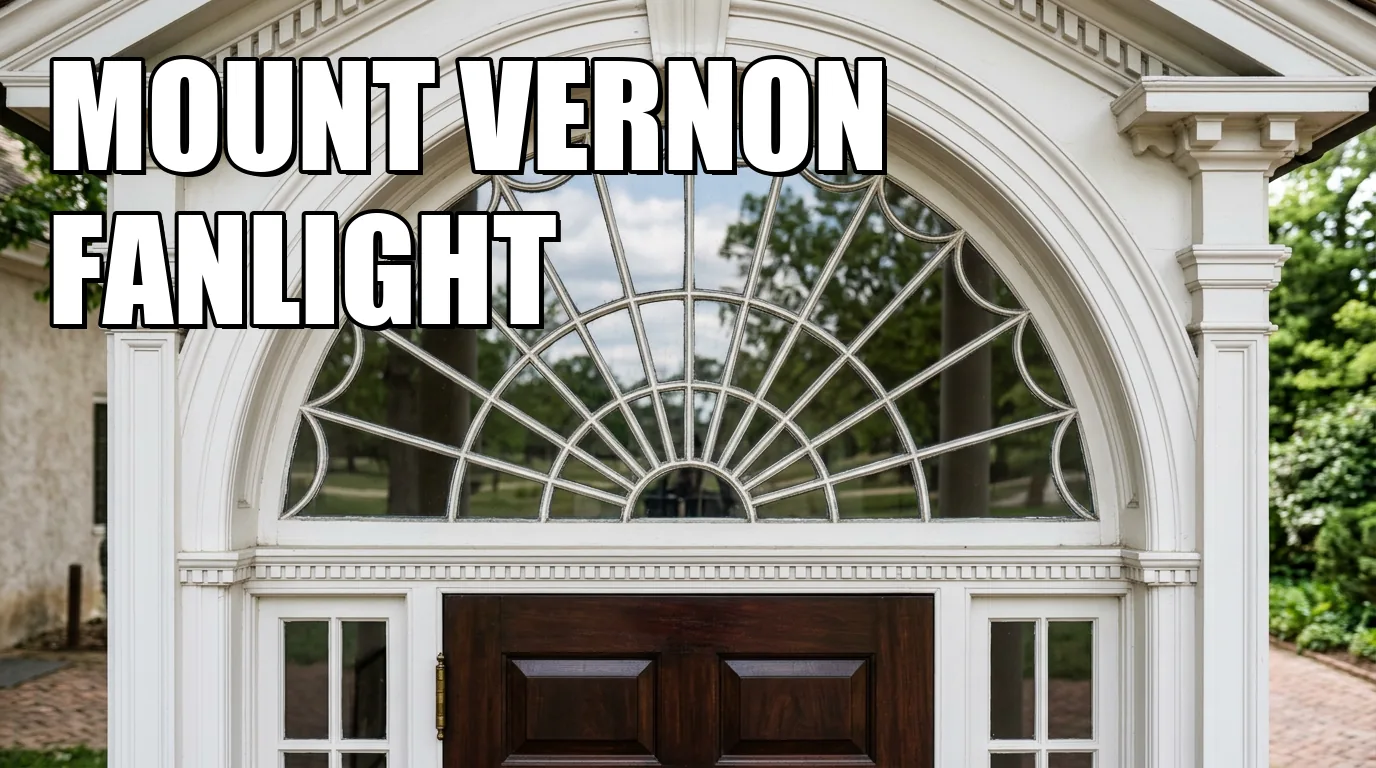
A practical guide to fanlight windows on American historic houses, with the placement, glazing pattern, and doorway composition details readers should compare from the street.

A practical guide to Palladian windows in American architecture, with the arched center light, sidelights, classical framing, and historic examples readers should compare from the street.
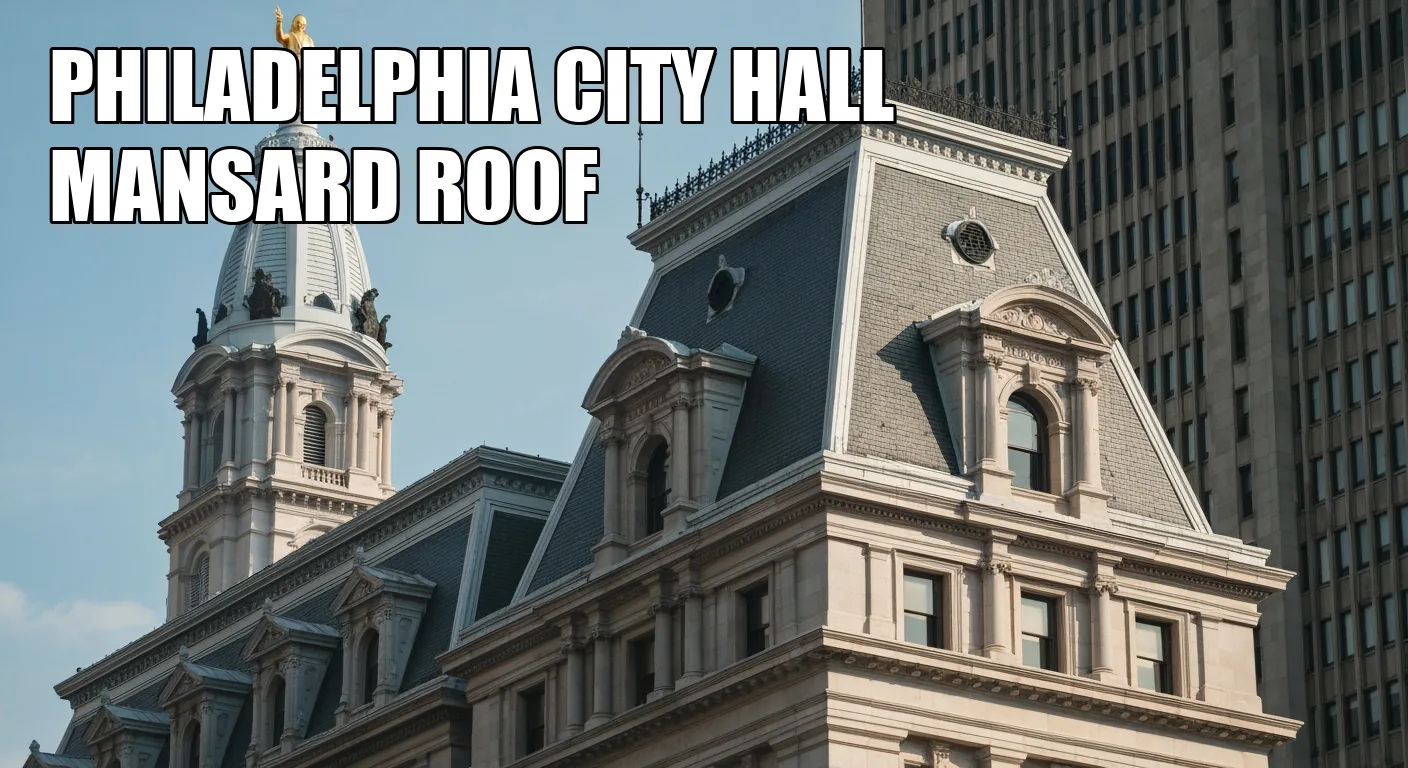
A practical guide to Second Empire architecture in the United States, with the mansard roofs, dormers, cornices, towers, and look-alike styles readers should compare from the street.
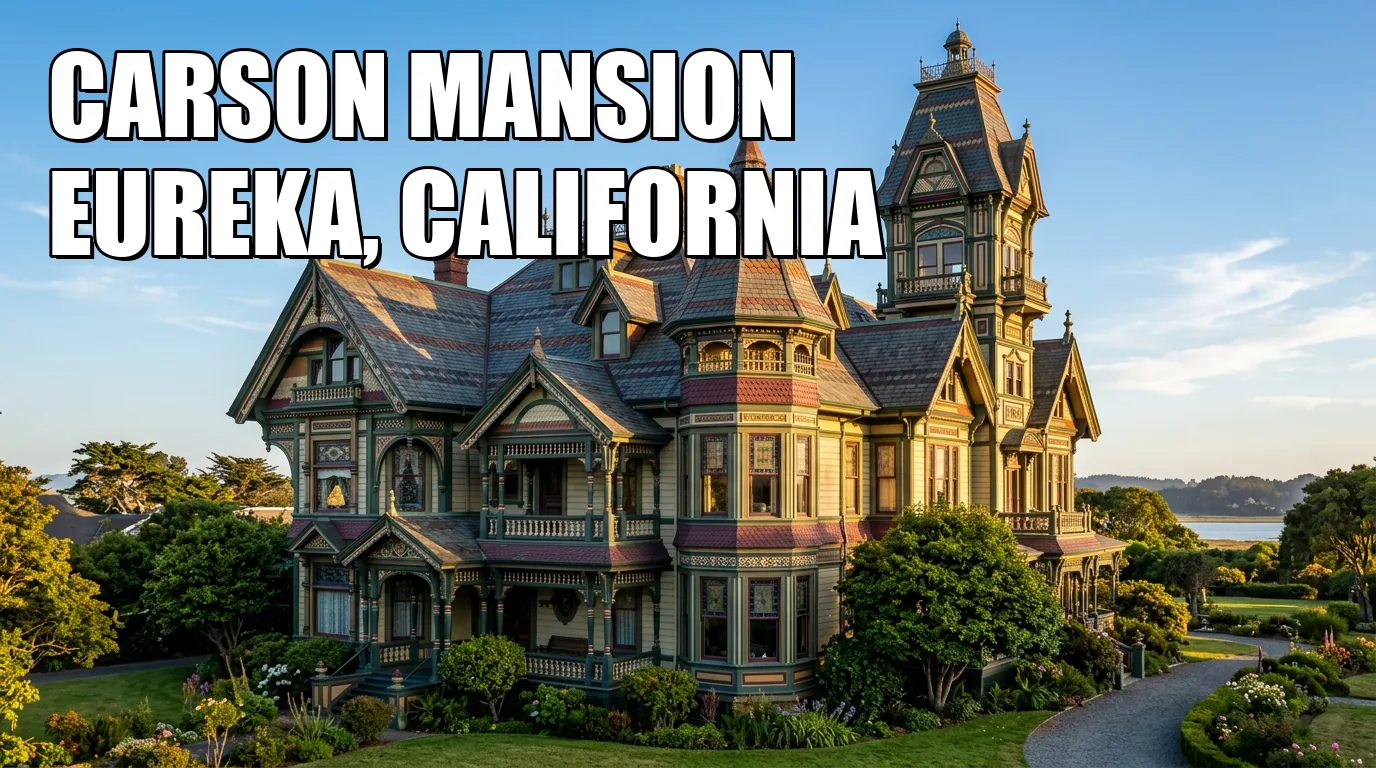
A practical guide to Queen Anne architecture in the United States, with the asymmetry, porches, shingles, windows, and look-alike styles readers should compare from the street.
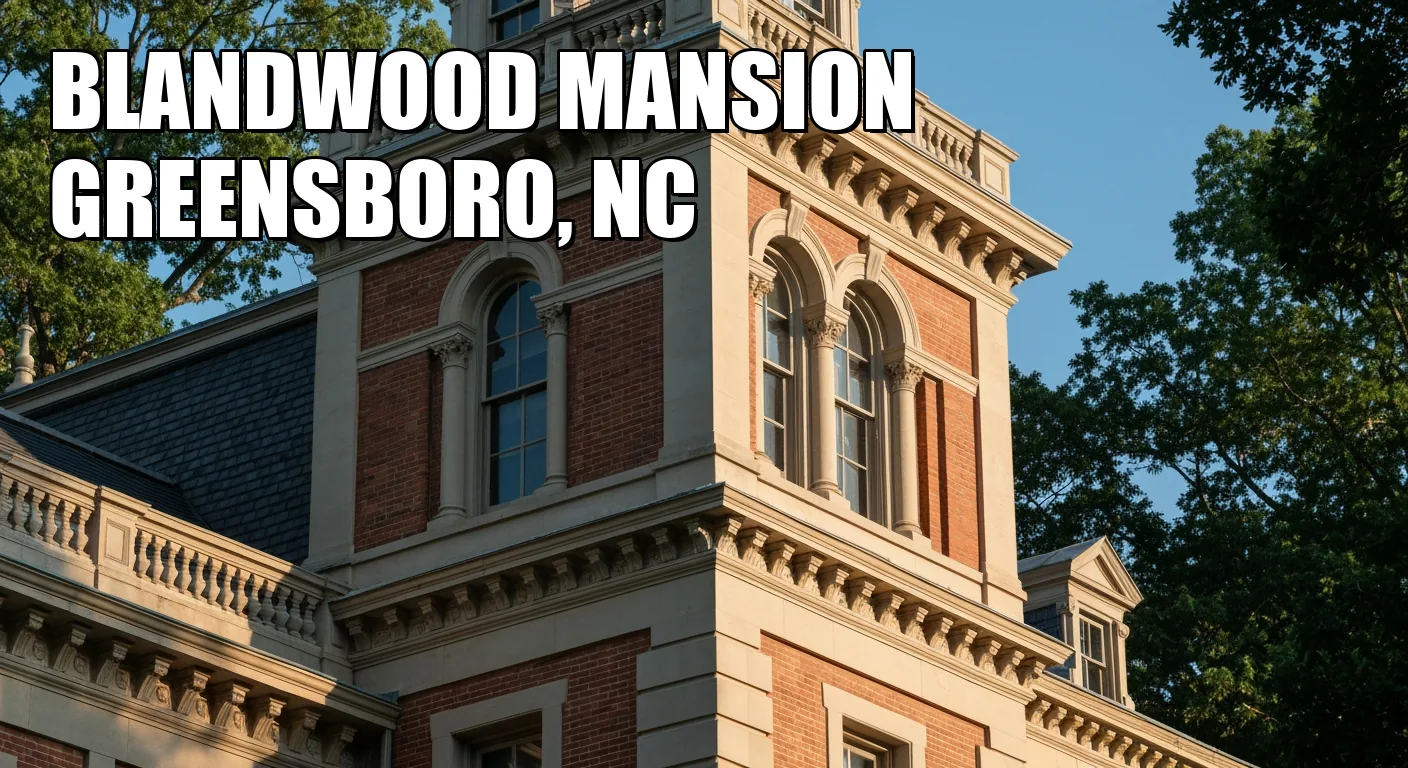
A practical guide to Italianate architecture in the United States, with the bracketed eaves, tall windows, cupolas, porch forms, and look-alike styles readers should compare from the street.
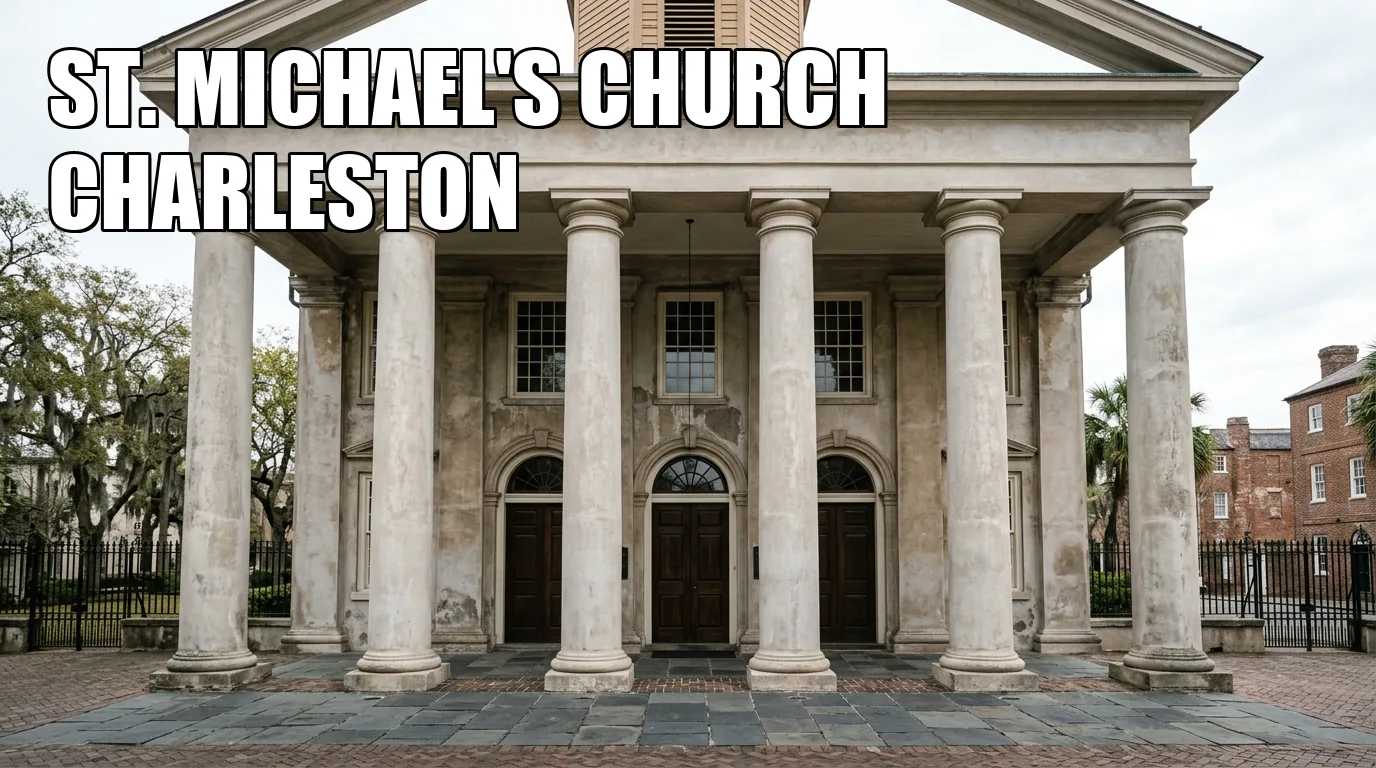
Read any classical order by its capital in five seconds — then learn what historic columns actually are: hollow stave-built wood barrels and brick shafts wearing stucco, with visitable examples.
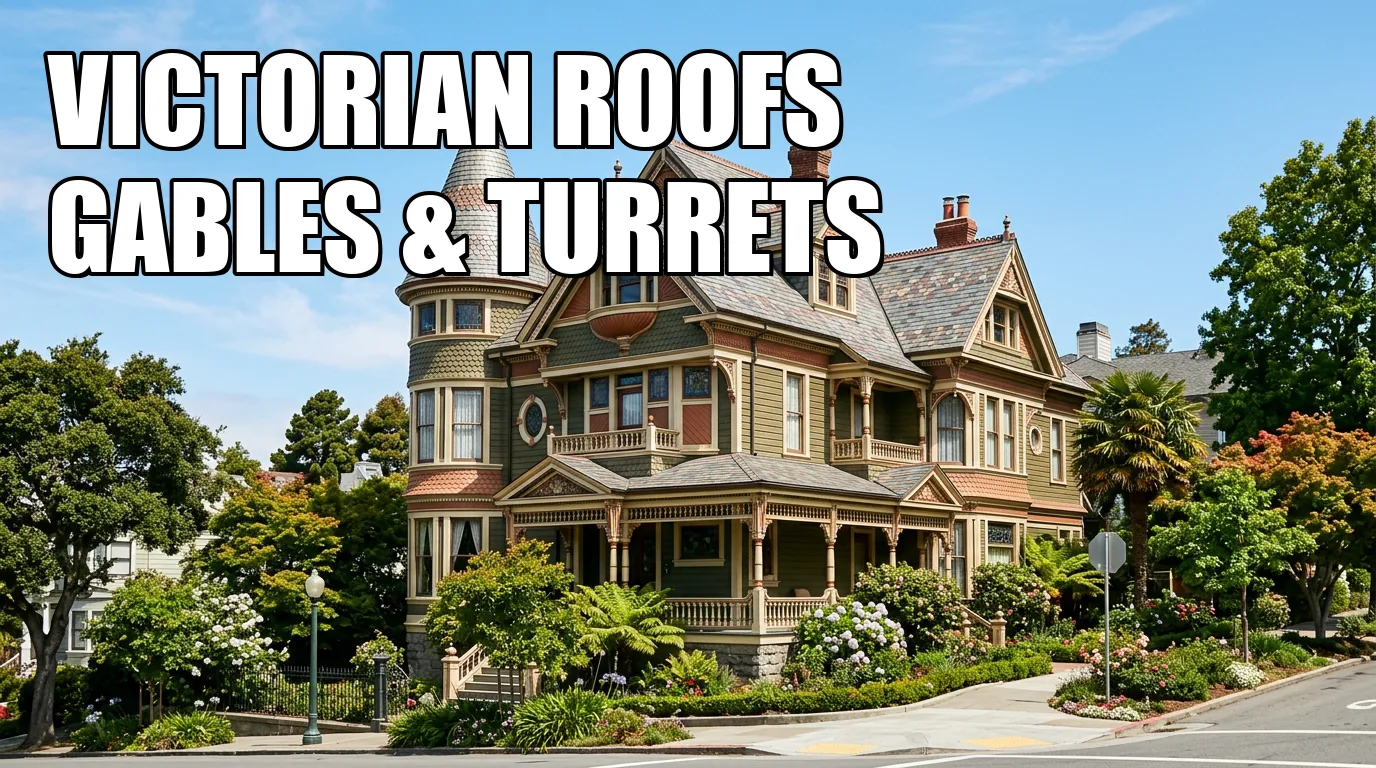
Victorian roofs matter because the roofline often tells you the style before the porch or trim does. Gables, mansards, turrets, dormers, and shingles each push the house in a different direction.
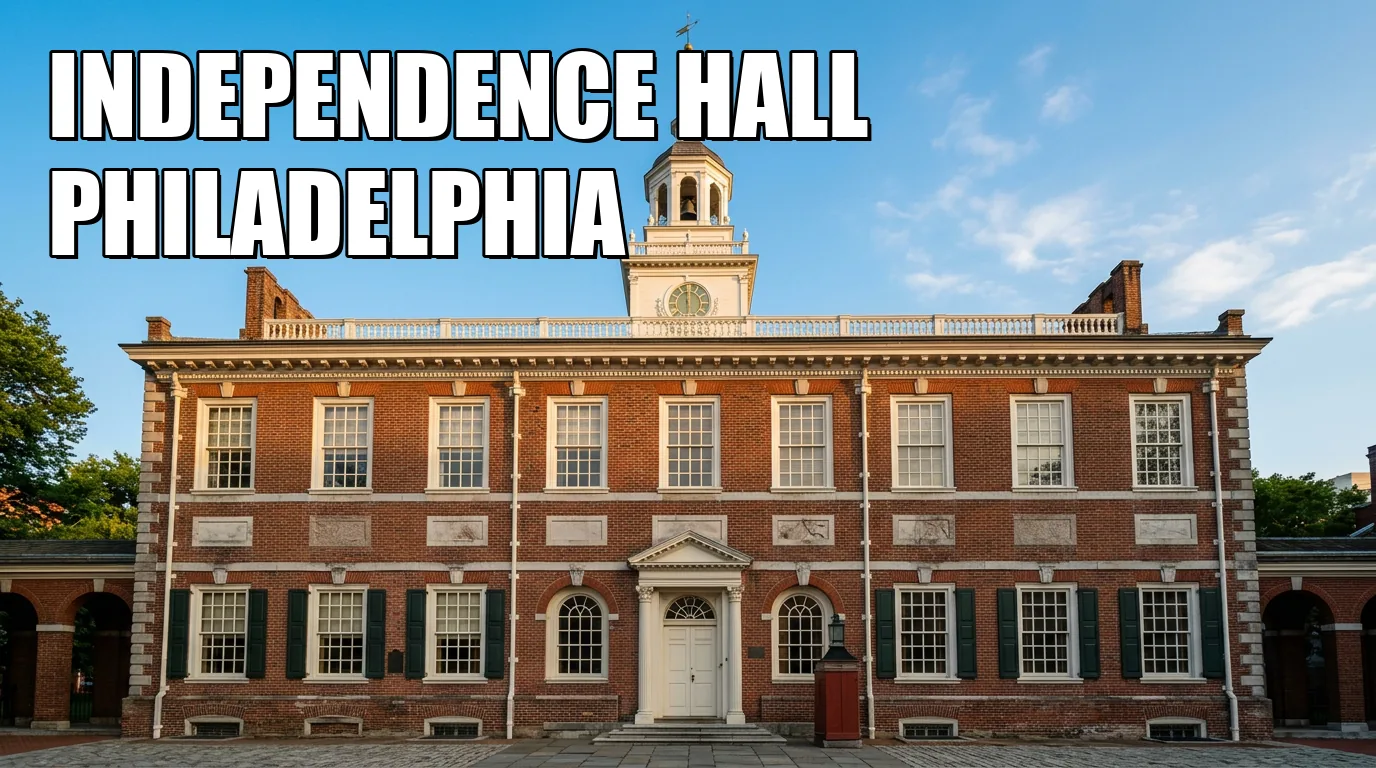
A practical guide to Mid-Atlantic colonial architecture, with the brickwork, symmetry, doorway treatment, and regional differences that matter from Philadelphia to Tidewater.
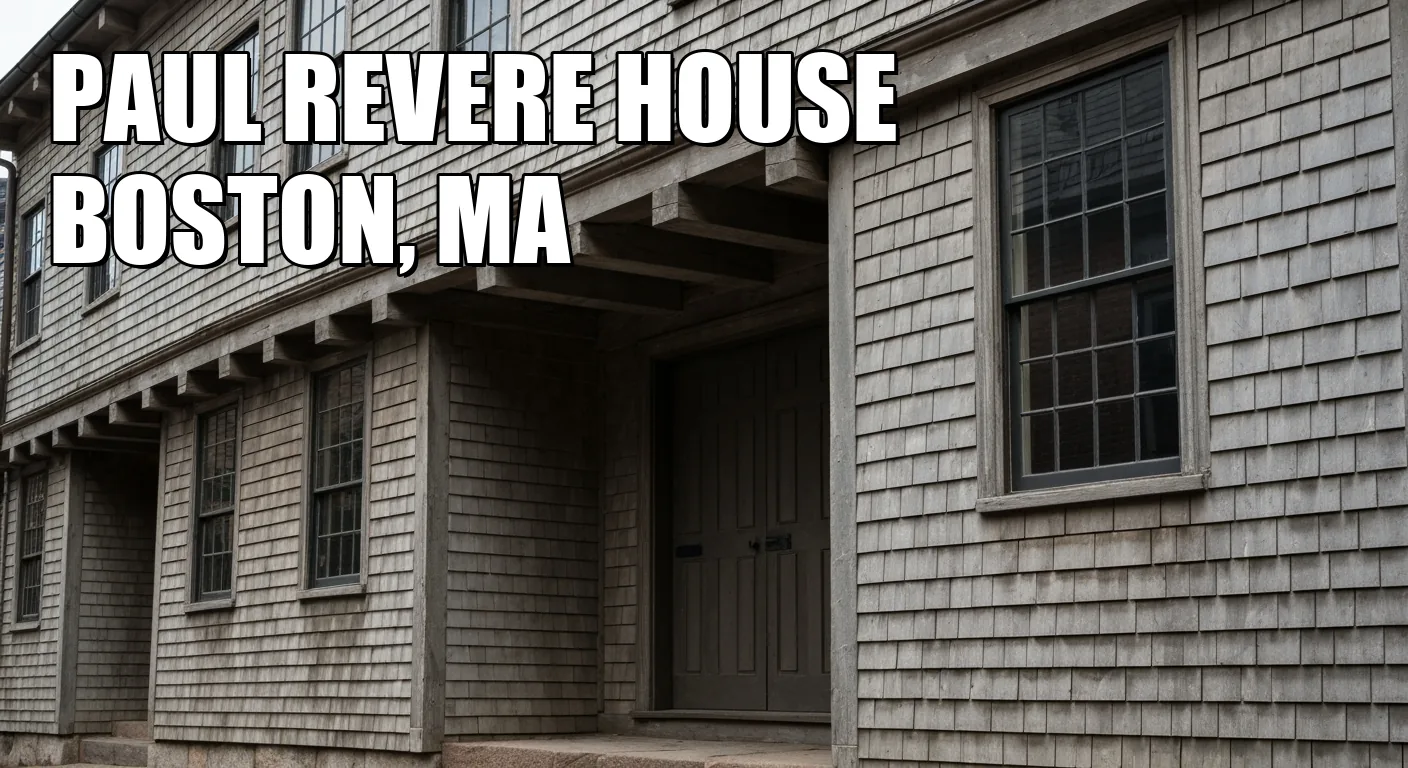
A practical guide to garrison colonial houses, with the second-story overhang, framing logic, regional use, and look-alike forms readers should compare from the street.

A practical guide to Beaux-Arts architecture in the United States, with the symmetry, sculpture, stair halls, domes, and civic-planning cues that matter on site.