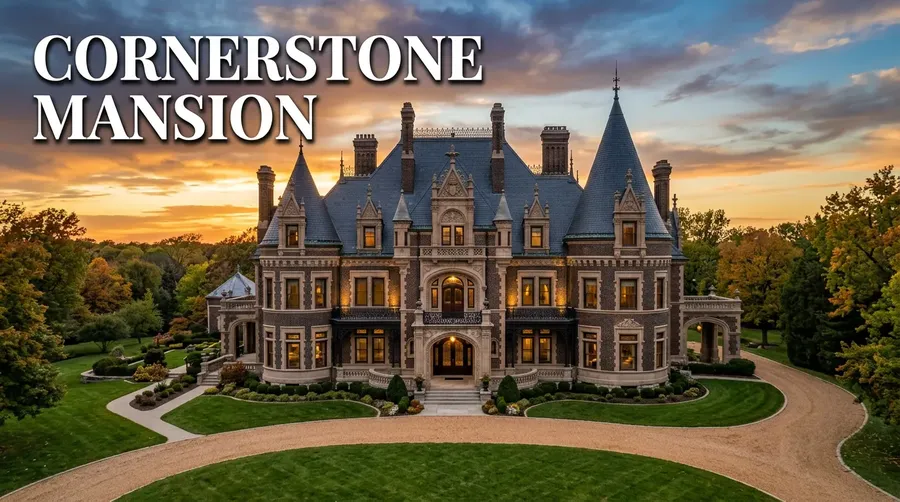
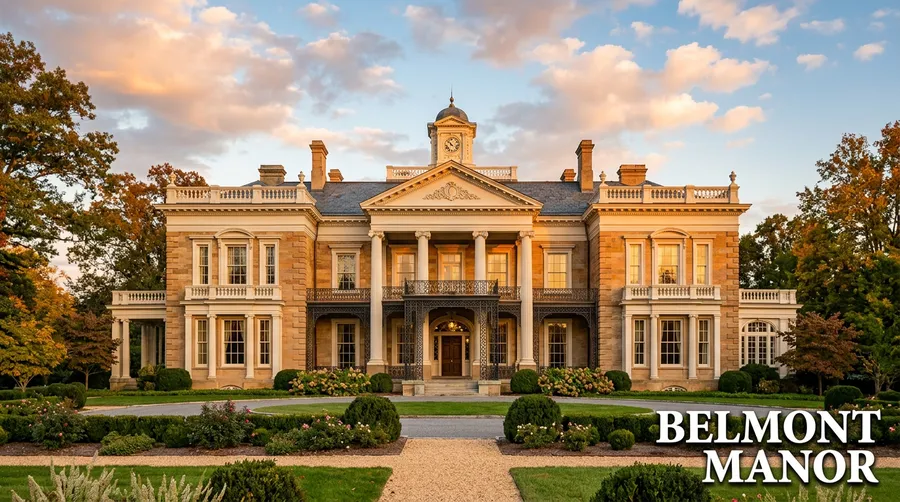
For decades, the phrase “historic site” often conjured images of grand, opulent mansions, relics of a bygone era, meticulously preserved yet sometimes feeling disconnected from the messy vitality of history itself. But the landscape of American heritage has broadened dramatically, a vital, necessary shift. As we approach 2025, the most compelling sites aren't just about the grandeur of the Gilded Age or the hallowed halls of power; they encompass battlefields, humble motels that became crucibles of change, ancient cliff dwellings, and, yes, even plantation houses that demand an unflinching gaze at our nation’s most brutal chapters. My travels across this diverse tapestry have revealed that true historical insight now lies in the interplay of cutting-edge technology, inclusive storytelling, and a deep commitment to environmental resilience.
What truly distinguishes a landmark today isn't merely its age, but its willingness to engage with complexities, to confront forgotten narratives, and to harness innovation to bring the past alive in visceral, unexpected ways. This isn’t a passive experience; these are places that challenge you, surprise you, and occasionally, leave you profoundly uncomfortable—which, I’d argue, is precisely the point of genuine historical engagement. You're not just observing; you're participating in a continuous dialogue with the echoes of time.
Where Foundational Ideals First Took Hold
Consider the Revolutionary Era sites, the very bedrock of the American story. Many guides will point you to Independence Hall in Philadelphia, and rightfully so. But beyond simply standing in the room where momentous declarations were signed, imagine stepping into a guided reenactment of the Continental Congress, with AR (Augmented Reality) devices in hand. What often goes unmentioned in standard tours is the multi-voiced approach these tours now embrace, consciously including under-represented delegates and, crucially, shedding light on the often-overlooked roles of women in that formative period. It’s a subtle shift, but it transforms a familiar narrative into something far richer, highlighting the messy, diverse human effort behind the noble ideals.
A few hours outside Philadelphia, Valley Forge National Historical Park offers a different, yet equally vital, perspective. Most visitors arrive expecting heroic tales of Washington’s encampment, perhaps a glimpse of suffering. What truly sets it apart now are the VR encampment simulations that allow you to virtually endure the biting winter conditions alongside the Continental soldiers. It’s a sobering experience, far more impactful than any diorama. Don't gloss over the interpretive panels that delve into the harsh realities of class tensions, the delicate negotiations with Native American alliances, and the sheer diversity of soldiers who huddled together. This isn't just about military strategy; it’s a raw look at the social fabric of a nascent nation, and it’s a testament to the park’s commitment to a holistic view. Expect significant crowds during spring and fall weekends; aim for a weekday morning in shoulder seasons for a more contemplative visit, and wear sturdy shoes, as the trails can be quite extensive.
Then there's Gettysburg National Military Park, a place that, for many, defines the tragedy and triumph of the Civil War. While the sheer scale of the battlefield is undeniably moving, it's the "Ticket to the Past" VR experience that truly distinguishes a modern visit. It thrusts you into the civilian and soldier narratives, a stark immersion that includes the often-forgotten contributions of free Black reburial workers who faced the gruesome aftermath. The Gettysburg Foundation has been instrumental in ensuring dual narratives are present, acknowledging both Union and Confederate civilian experiences, a crucial step in understanding the contested memory of this pivotal conflict. Don't rush through the museum; give yourself at least three hours before venturing onto the field. Parking, especially near the visitor center, can fill quickly, so an early arrival is always wise, perhaps by 9 AM.
Heading northeast, Boston’s Freedom Trail might seem like a well-trodden path, but a mobile AR app has rejuvenated the experience. It literally resurrects key events from 1765-1775, complete with interactive cannon demonstrations that add a surprisingly visceral layer to colonial-era unrest. The inclusive storytelling here is a revelation, incorporating Loyalist, Black, and Indigenous perspectives that challenge the often-simplified hero narratives. It forces you to question what "freedom" meant to different groups at the time. Be prepared for a full day of walking, often on cobblestones, and consider starting early to beat the tour groups that swarm the key sites by late morning.
Structures of Struggle: Confronting the Civil Rights Era
Our journey through America’s past must inevitably lead us to sites that speak not of grand pronouncements but of profound, often violent, struggle for human dignity. The National Civil Rights Museum at the Lorraine Motel in Memphis, Tennessee, is one such place. It’s not a mansion in the traditional sense, but the motel itself became an iconic, heartbreaking structure. The VR sequences here are particularly potent, reconstructing the events of April 4, 1968, from multiple vantage points. What struck me most powerfully were the oral histories from local Black activists, often unsung heroes, whose stories accompany the exhibits on lesser-known chapters of the movement. It’s a deeply emotional experience, designed to educate and inspire, but also to provoke reflection on ongoing injustices. Admission is around $18 for adults, and it’s a necessary expenditure for an understanding of the site’s profound significance. Plan at least half a day; you won't want to rush this.
Tracing the Selma to Montgomery National Historic Trail in Alabama is less about a single structure and more about the landscape of courage. Yet, even here, AR walking tours overlay archival footage onto current highways, creating a haunting sense of continuity. The co-created content with descendant communities, highlighting local women's leadership—a narrative too often marginalized—is particularly impactful. The Edmund Pettus Bridge, an iconic structure on the trail, stands as a stark reminder of the brutality faced by marchers. It’s a place that demands solemnity and reflection, best experienced during cooler months to truly appreciate the long miles walked by those brave souls.
In Little Rock, Arkansas, Central High School National Historic Site stands as a powerful testament to the ongoing fight for educational equality. The immersive VR here truly invokes the 1957 integration crisis through the eyes of the students themselves, a perspective that often goes missing in textbooks. The interactive kiosks, examining the post-integration advocacy of the Little Rock Nine, provide a vital connection between past struggle and present-day impact. This site isn't just about a moment in time; it's about the decades-long ripple effect. While admission to the visitor center is free, guided tours of the exterior are usually available and highly recommended for deeper insights.
Venturing north, the Stonewall National Monument in New York City's Greenwich Village marks the flashpoint of the LGBTQ+ rights movement. The Christopher Street bar, while not a mansion, is a crucial historic structure. The AR tours recreate the 1969 uprisings, amplifying the voices of LGBTQ+ Black and Latina individuals, whose contributions were foundational yet often overlooked in early narratives. The digital archives accessible via mobile app ensure that community contributions continue to shape the site's interpretation, making it a living, breathing testament to ongoing activism. It’s a powerful, bustling spot, reflecting the continuing vibrancy of the community.
Ancient Architectures, Enduring Narratives
Our historical journey would be incomplete without delving into the profound legacy of Indigenous peoples. The cliff dwellings of Mesa Verde National Park in Colorado are not "mansions" in the colonial sense, but they are astonishing examples of ancestral Pueblo architecture and ingenuity, homes carved directly into the very earth. The AR here vividly reveals construction phases and ancestral Pueblo rituals, a mesmerizing glimpse into a complex society. Crucially, collaborative curation with modern Pueblo communities ensures that ongoing traditions contextualize these ancient marvels. This isn't just archaeology; it's a living heritage. Visiting requires planning; some cliff dwellings are only accessible via ranger-guided tours, which book up fast, especially between May and October. Check the park's official website months in advance for availability.
Further west, Chaco Culture National Historical Park in New Mexico presents another architectural marvel: the "Great Houses." These aren't houses for single families but immense, planned structures that served as ceremonial and commercial hubs. The holographic VR displays of their astronomical alignments are nothing short of breathtaking, hinting at a sophistication that often surprises first-time visitors. The interpretive panels on hydrology engineering, highlighting ancestral water harvesting techniques, offer invaluable lessons for our own climate-challenged present. It’s a remote location, necessitating a full day trip, and I’d recommend a high-clearance vehicle for some of the unpaved roads leading to the park. Bring plenty of water and sun protection, as services are limited.
Across the Mississippi, Cahokia Mounds State Historic Site in Illinois provides a window into a vast pre-Columbian city. While no "mansions" survive, digital reconstructions of Monks Mound village life via head-mounted displays bring the sheer scale and complexity of this lost city to life. Interpretive trails now incorporate oral traditions from descendant tribes, enriching the visitor experience beyond purely archaeological findings. It's a humbling reminder of the advanced civilizations that flourished here long before European arrival. The site is generally free to enter, but the interpretive center has specific hours. Don't underestimate the size of the central Monks Mound; it's a significant climb for impressive panoramic views.
Sustainability and Storytelling: The Future of Our Past
What unites these disparate sites, from revolutionary battlefields to ancient dwellings, is a shared commitment to a forward-looking vision of preservation. By 2025, the most celebrated landmarks are not just digitizing history; they are embedding sustainability into their very foundations. Rooftop solar awnings at Independence Hall, for instance, power climate-controlled exhibits, while green roofs manage stormwater. At Valley Forge, reforestation efforts are buffering erosion and sequestering carbon, illustrating how historical preservation can intersect with urgent environmental concerns. These aren't just feel-good initiatives; they are critical strategies ensuring these sites endure for generations, demonstrating that environmental resilience is integral to heritage preservation. It’s a smart, responsible approach that typical travel brochures often overlook.
The embrace of multi-voiced, inclusive narratives is another common thread. The shift away from singular, often Eurocentric, perspectives allows for a richer, more accurate understanding of our past. Whether it’s the inclusion of Loyalist and Indigenous perspectives on the Freedom Trail or co-created content with descendant communities at the Selma to Montgomery Trail, these efforts ensure that history is told by and for everyone. This commitment to truth-telling, even when uncomfortable, is what elevates a historical site from a mere relic to a vital educational institution. It’s about listening to the quiet, unheard voices that shaped our nation, finally giving them the prominence they deserve.
The Whitney Plantation: A Singular Truth, A Necessary Journey
Now, if we are to speak of "historic mansions" in a more traditional sense, then the Whitney Plantation in Edgard, Louisiana, stands as an unparalleled example, and one poised to gain even greater national prominence by 2030. Unlike many plantation tours that focus on the lives of the enslavers, Whitney’s exclusive, unflinching focus on the lives of enslaved peoples is profoundly unique and absolutely essential. It’s not a romanticized view of antebellum life; it’s a direct, visceral confrontation with the brutal realities of American slavery. This commitment to historical accuracy and human dignity is exactly what the nation needs as we approach the 250th anniversary of its founding.
Visiting Whitney is a deeply moving, often harrowing, experience. Planned AR memory corridors will overlay descendant narratives directly onto the sugar-cane landscape, creating an even more immersive and personal connection to the past. Partnerships with Gullah-Geechee storytellers are set to broaden the interpretive scope, ensuring an authentic and comprehensive understanding of African American heritage in the region. This isn’t a place for casual tourism; it’s a pilgrimage for understanding, a site that challenges every visitor to grapple with our nation’s original sin. Admission is typically $28 for adults, and I strongly advise booking tickets online well in advance, especially during peak season (fall and spring), as tours are guided and capacity is limited. Allow at least three hours for the tour, and prepare for an emotionally taxing, but ultimately vital, journey.
As we navigate the complexities of American history, these sites offer far more than just glimpses into the past. They are living laboratories for understanding who we are, where we’ve come from, and where we must go. The blend of cutting-edge technology, inclusive storytelling, and genuine sustainability defines the next decade of heritage tourism. These fifteen landmarks, with the Whitney Plantation taking its rightful place among them, are not just preserving physical relics; they are actively shaping our collective memory and preparing us for a future built on a more complete, and often challenging, truth.