Historic Mansions

America's Evolving Past: Historic Homes Reinvented

For years, the phrase "historic house museum" conjured images of carefully staged drawing rooms, porcelain figurines under glass, and perhaps a slightly bored docent reciting facts about long-dead patriarchs. If that's your lingering impression, it's time to pack your bags and fundamentally recalibrate your expectations. A quiet revolution is sweeping through these venerable institutions, transforming them from static monuments into vibrant, often challenging, platforms for understanding the full, complex tapestry of American history. I’ve trekked across the country, from sun-drenched Southern plantations to bustling urban manors, and I can tell you that these places are no longer just preserving bricks and mortar; they're actively shaping how we grapple with our past. What makes a historic house museum truly compelling in 2025? It's the audacity to tell *all* the stories, not just the comfortable ones. It's the willingness to deploy technology not as a gimmick, but as a bridge to deeper understanding. It's the courage to invite descendant communities and contemporary artists to help interpret spaces that once silenced their ancestors. These five pioneering sites exemplify this new paradigm, offering experiences that are authentic, dynamic, and occasionally, profoundly unsettling – precisely what genuine historical engagement should be.

Mount Vernon's Unflinching Look at Washington's Legacy

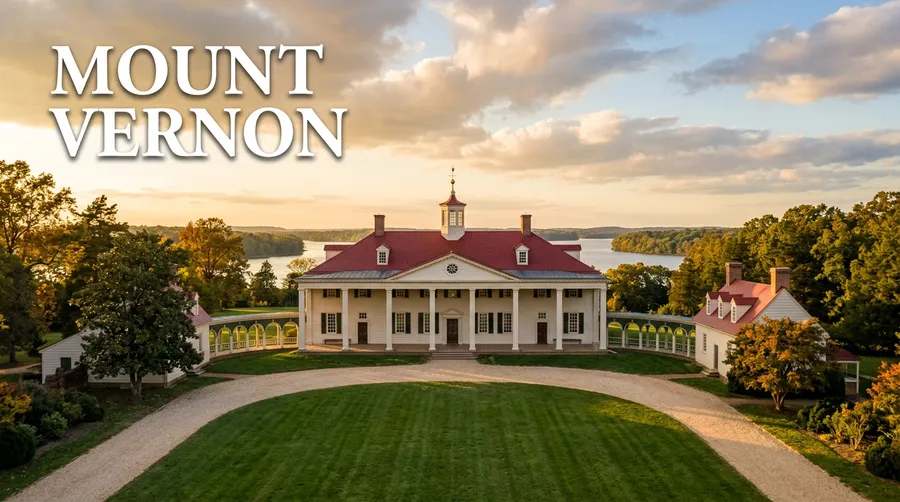
No historic home in America carries quite the weight of expectation as Mount Vernon, George Washington's iconic Virginia estate. For generations, it stood as a monument to the "Father of His Country," a vision of pristine colonial grandeur. But in 2025, a visit here means confronting an inescapable truth: that grandeur was built upon the brutal institution of slavery. The opening of the "Lives Bound Together: Slavery at Mount Vernon" exhibit on Juneteenth 2025—a date now nationally recognized for commemorating the emancipation of enslaved people—isn't just a new wing; it's a fundamental reorientation of the entire narrative. This isn't an addendum; it’s an integral, essential part of the Washington story, finally given its proper weight. Visitors should prepare for a deeply immersive experience that extends beyond traditional gallery spaces. The estate has integrated the acclaimed "Slavery at Monticello" smartphone app, which, through geolocation, guides you through the reconstructed Mulberry Row. This isn't simply a digital brochure; it’s a portal, offering over a hundred pieces of content categorized by site, theme, or person, allowing you to trace the lives of the 317 enslaved individuals who toiled across Washington's five farms. You'll encounter not just names, but stories, skills, and struggles, often grounded by archaeological findings that bring tangible connections to daily life. While the app is incredibly informative, be mindful of your screen time; the power of these spaces often lies in quiet contemplation, allowing the history to sink in without constant digital mediation. Plan your visit for a weekday morning in the cooler shoulder seasons (late spring or early fall) to avoid both the peak summer crowds and the sweltering Virginia humidity, which can make extensive outdoor exploration uncomfortable. Expect to spend at least half a day, perhaps even a full day, to truly absorb the wealth of information presented.

Strawbery Banke: Weaving 350 Years of Portsmouth's Voices

Stepping into Strawbery Banke Museum in Portsmouth, New Hampshire, feels less like entering a museum and more like walking into a vibrant, living neighborhood that has simply paused in time – and then been reanimated with a multitude of perspectives. This 10-acre waterfront site offers over 350 years of history, but its 2025 season truly distinguishes itself by prioritizing voices long absent from traditional colonial narratives. What sets Strawbery Banke apart is its commitment to "whole history," actively challenging the often-sanitized view of early American life by integrating Indigenous perspectives and stories of the African diaspora right into the fabric of the interpretation. The museum’s innovative use of immersive audio experiences allows visitors to hear multiple viewpoints within the same historic houses, creating a dynamic, almost polyphonic understanding of the past. Imagine standing in a colonial-era kitchen and hearing not just the mistress of the house, but also the enslaved servant, each offering their distinct perspective on daily life. This isn't merely a technological trick; it's a profound interpretive choice. Furthermore, their Abenaki Heritage Initiative enriches Native stories throughout the Seacoast region, ensuring that the indigenous narrative is not relegated to a separate exhibit but woven throughout the site. The reopening of the Penhallow-Cousins House, now dedicated to 20th-century Black experiences, marks another significant step towards comprehensive inclusion. For those with a burgeoning interest in archaeology, the active field schools, with 2025 excavations focusing on enslaved quarters and indigenous sites, offer a rare, hands-on glimpse into the process of historical discovery. Practical tip: "Springfest: A Celebration of Gardens and Baby Animals" in May is a delightful time to visit, especially for families, showcasing heritage breeds and traditional farming techniques amidst the blooming gardens. Expect a lively, engaging atmosphere during special events, but if you prefer a quieter experience, choose a regular weekday.

Philipse Manor Hall: Tech-Forward History Unveiled in Yonkers

After a massive $20 million transformation, Philipse Manor Hall State Historic Site in Yonkers, New York, has reopened as a powerful testament to how cutting-edge technology can enhance, rather than detract from, historical understanding. No longer a dusty, overlooked relic, this site now exemplifies New York State’s "Our Whole History" initiative, diving deep into the entangled lives of the prominent Philipse family, the Indigenous Munsee people, and enslaved Africans. What surprised me most wasn't just the sheer scale of the renovation, but the seamless integration of technology that genuinely makes the history accessible and layered. Throughout the exhibitions, QR codes and augmented reality (AR) experiences aren't just decorative; they are gateways to multilayered content, instantly accessible via your smartphone. This means you can delve deeper into a specific artifact, hear the story from a different perspective, or even virtually reconstruct a lost part of the manor. The museum even encourages phone use, a refreshing departure from the usual "put your devices away" museum mantra, recognizing that our phones can be powerful tools for discovery. Interactive panels, multilingual accessibility, and accommodations for hearing and visually impaired visitors demonstrate a thoughtful approach to inclusivity, making this site a model for accessibility innovation. A crucial practical upgrade is the two-story addition housing new restrooms and an elevator, finally making the entire site ADA accessible. This is a game-changer, ensuring that a wider audience can engage with this complex history. If you're a tech enthusiast or someone who prefers an interactive, self-guided experience, Philipse Manor Hall will exceed your expectations. Anticipate a diverse crowd, as its expanded programming aims to double annual visitors to 30,000; weekdays are likely less bustling.

Davenport House: Reclaiming Savannah's Untold Narratives

Savannah, Georgia, is famous for its charming squares, Spanish moss, and antebellum architecture, but Davenport House Museum dares to look beyond the picturesque facade to confront a darker, yet equally vital, part of the city's past. The museum's "Urban Enslaved Exhibit," honored with a 2025 Special Project Award, is a groundbreaking deep dive into the lives of the 13 enslaved individuals who lived and worked within this very house. This isn't just an exhibit; it’s an emotional journey, transforming the garden-level into an immersive, deeply human exploration of urban slavery, a narrative often overlooked in favor of plantation interpretations. What makes this exhibit so compelling is its refusal to simply report facts; it strives to recreate an *experience*. Environmental design, complete with evocative audio landscapes and tactile elements, transports you to the 1820s, allowing you to glimpse the living and working conditions as they existed. This isn't voyeuristic; it's an exercise in empathy and historical imagination, grounding the stories in the material culture unearthed through archaeological evidence. Rather than merely adding a chapter on slavery, the Davenport House centers the experiences of enslaved people, intertwining their lives with the broader context of antebellum urban life in Savannah. This museum serves as an educational model, demonstrating how to create respectful, accurate, and engaging presentations of difficult histories. If you're sensitive to strong emotional content, be aware that this exhibit can be profoundly moving and may require time for quiet reflection afterwards. Given Savannah's often-blistering summers, aim for a visit during the cooler months of late fall, winter, or early spring to fully appreciate the outdoor elements of the site and the city itself.

Morris-Jumel: Manhattan's Oldest House, Modern Lessons

Perched atop a hill in Washington Heights, Morris-Jumel Mansion holds the distinction of being Manhattan's oldest house, a silent witness to centuries of New York City history. But its age belies its innovative approach to historical interpretation, particularly in its groundbreaking efforts to uncover and present Black histories that extend far beyond traditional slavery narratives. This isn't a story confined to the antebellum South; it's a vital, ongoing narrative within the bustling heart of New York. The mansion’s commitment to research-driven interpretation, especially through its community scholar program, is truly inspiring. Local historians and, crucially, descendants are brought directly into the interpretation process, ensuring that Black voices shape the telling of Black history. The work of Gregory Washington on enslaved individuals and David Fisk’s research on the Anne Hampton Northup family exemplify this collaborative spirit, giving visitors access to a depth of scholarship that feels both intimate and authoritative. What makes Morris-Jumel particularly resonant is its explicit connection between historical experiences and contemporary issues. Exhibitions like "Fabric of Emancipation," which uses textile arts to explore ongoing struggles for liberation, bridge past injustices with present-day challenges, fostering a dialogue that feels urgent and relevant. Don't expect a pristine, manicured estate; this is a place embedded in its community, and its "Living Landscape" project actively explores those connections. If you plan to visit, check their website for specific programming and community partnerships, as these dynamic events—often featuring contemporary Black artists—can significantly enhance your understanding and experience. The mansion is relatively easy to reach by subway and offers a unique perspective on New York City history, far from the typical tourist routes. These five institutions represent nothing less than a new paradigm in historic house interpretation. They've moved beyond being mere repositories of artifacts and grand tales, evolving into dynamic sites of learning, critical reflection, and community building. They embrace technological integration, not for novelty, but to unlock deeper understanding. They center previously marginalized voices, not as footnotes, but as integral threads in the American narrative. They actively engage descendant communities and local experts, transforming interpretation from a monologue into a genuine dialogue. And they innovate in preservation, ensuring these vital structures endure while simultaneously making them more accessible and relevant. For the cultural heritage traveler seeking authentic, challenging, and profoundly transformative experiences, these pioneering destinations offer unparalleled opportunities to engage with America's complex, contradictory, and utterly compelling history.

Heritage Homes Explorer: Your Guide to America’s Historic Houses

Famous historical houses in America?
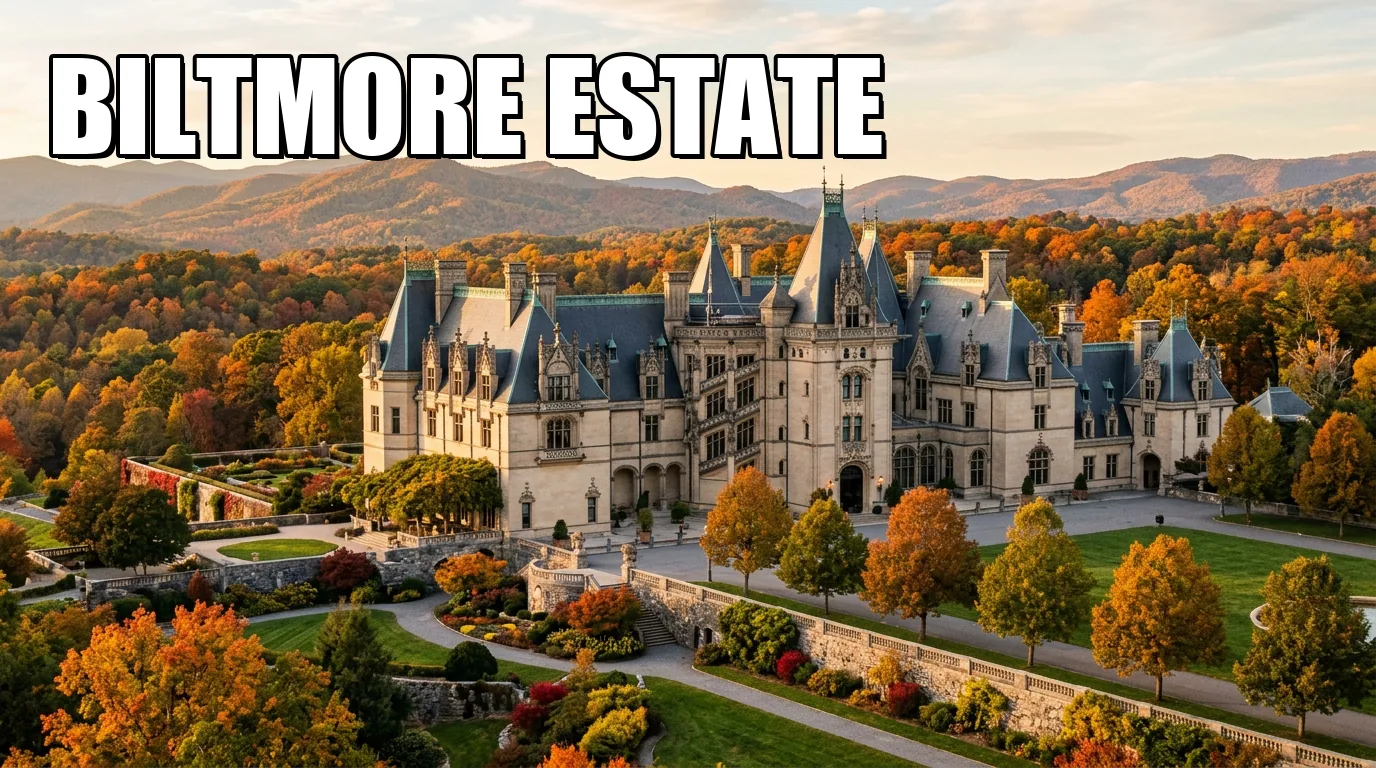
Notable examples include Mount Vernon in Virginia, Monticello in Virginia, the Biltmore Estate in North Carolina, The Breakers in Rhode Island, and Hearst Castle in California.
What is the most famous house in the United States?
Monticello, Thomas Jefferson’s neoclassical estate in Charlottesville, Virginia, is widely regarded as the nation’s most iconic historic home.
Where are the most historic homes in the US?
Concentrations of historic houses are found in Newport, Rhode Island; Charleston, South Carolina; and Boston, Massachusetts.
What is the oldest known house in America?
The Fairbanks House in Dedham, Massachusetts, built circa 1637, is the oldest surviving timber-frame house in North America.
Do any of the Gilded Age mansions still exist?
Yes; many survive as museums, especially in Newport, Rhode Island (e.g., The Breakers) and Asheville, North Carolina (the Biltmore Estate).
Are any Vanderbilt mansions still standing?
Yes; existing Vanderbilt homes include the Biltmore Estate in North Carolina, The Breakers and Marble House in Newport, and the Hyde Park mansion in New York.
Did the Rockefellers have a house in Newport?
No principal Rockefeller family residence was built in Newport; their major estate, Kykuit, is located in Pocantico Hills, New York.
Do the Vanderbilts still own the Breakers?
No; The Breakers is owned and operated as a museum by the Preservation Society of Newport County.
Who is the richest family in the world?
The Walton family, heirs to Walmart, held an estimated $432.4 billion in 2025, making them the wealthiest family globally.
Are there still wealthy Rockefellers today?
Yes; the Rockefeller family comprises around 200 members with a combined net worth of about $10.3 billion as of 2025.
When is the best time to visit historic houses in the US?
Spring and fall offer mild weather, blooming gardens, and fewer crowds.
How much do tickets cost to most historic houses?
Admission typically ranges from $15 to $30, with discounts for seniors, students, and children.
Are guided tours available?
Yes; many sites offer guided tours led by knowledgeable docents, as well as self-guided audio tours.
Can you take photographs inside historic houses?
Photography policies vary; most sites allow non-flash photos but restrict tripods and commercial equipment.
Do I need to book in advance?
Advance reservations are recommended for popular sites, especially during peak season and special events.
Are historic houses wheelchair accessible?
Accessibility varies by site; most offer at least partial access and may provide virtual tours or special accommodations.
Are pets allowed at historic houses?
Pets are generally not permitted, though service animals are welcome in accordance with ADA guidelines.