
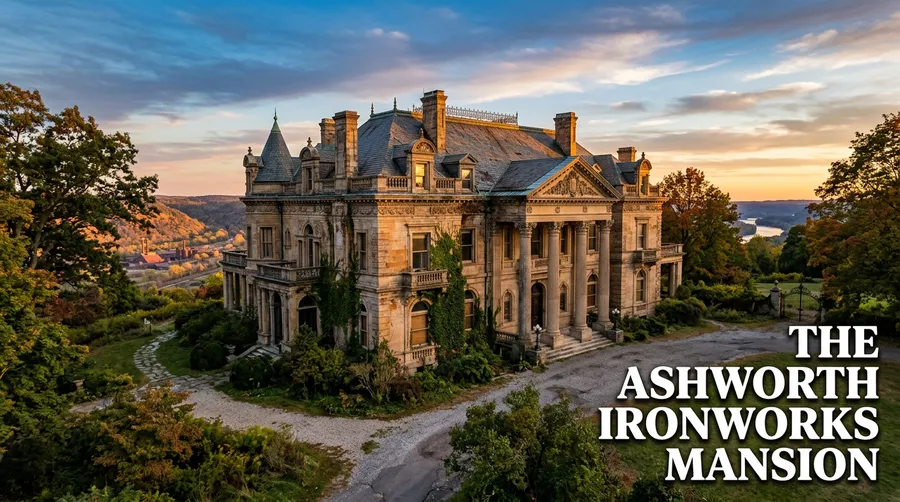
Having crisscrossed this country for decades, I’ve walked through the hushed halls of countless historic mansions and marvelled at their grandeur, but my most profound experiences often come from the places less celebrated, the sites that don’t make every glossy brochure. These are the under-recognized, often endangered, historic sites—places where the past feels raw, immediate, and painfully vulnerable. While we often fixate on the ornate architecture of grand homes, the real breadth of America’s heritage, and its most precarious points, truly lies in a diverse array of structures. From humble coastal dwellings where generations forged a unique culture, to the vibrant yet threatened commercial cores of industrial towns, each represents a "mansion of memory" in its own right, holding stories that are rapidly eroding. The challenge isn't merely about physical decay; it's a multi-faceted assault from climate, digital obsolescence, and the subtle erasure of authentic cultural narratives.
Most travel guides will point you to the obvious, the pristine, the easily accessible. What they rarely tell you is about the quiet, urgent work happening behind the scenes to save places teetering on the brink. What surprised me most over the years isn't how many sites are endangered, but how many *types* of sites are facing existential threats beyond simple neglect. We're talking about entire cultural landscapes—the kind of places that give a region its identity, not just a landmark.
Where the Past Fights the Rising Tide: Coastal Settlements and Climate’s Grip
Imagine living in a place where your ancestral home, your community church, and the very ground you stand on are slowly being swallowed by the ocean, or violently torn apart by intensifying storms. This isn't some dystopian future; it's the stark reality for places like the Gullah Geechee Coastal Settlements along the southeastern seaboard. These communities, descendants of enslaved West Africans, have preserved a unique culture and language against incredible odds, but now face an existential threat from sea-level rise and increasingly brutal hurricanes. While visitors often come for the picturesque views, they rarely grasp the profound vulnerability beneath the surface.
My last visit to a Gullah Geechee community left me with a sense of awe at their resilience, but also a chilling understanding of their predicament. I watched as residents pointed out where the water now routinely creeps in, a few inches higher each year, a slow-motion flood that’s relentless. Traditional wooden structures, built to withstand generations, are no match for this creeping tide or the sheer force of a Category 4 or 5 storm, which are becoming frighteningly common. What makes these sites unique, beyond their irreplaceable cultural significance, is the specific nature of the threat: it’s not just about a leaky roof, but about the very land eroding beneath their feet, taking with it not just homes but also fragile church registers and invaluable oral histories captured on decaying analog tapes. This kind of nuanced challenge is completely absent from typical tourist narratives.
Fading Blueprints, Forgotten Voices: Rust Belt's Architectural Soul at Risk
Shift your gaze inland, to America's industrial heartland, and you’ll find a different, yet equally pressing, set of challenges. The historic Main Street districts of many Rust Belt towns, once vibrant hubs of commerce and community, now wrestle with the subtle, insidious impacts of climate change alongside the more overt scars of economic decline. I’ve walked countless blocks in places like Gary, Indiana, or Youngstown, Ohio, and seen the stunning craftsmanship of turn-of-the-century brick facades. These structures, often dating from the late 19th and early 20th centuries, were built to last, but not necessarily to withstand the intensified heatwaves and dramatic freeze-thaw cycles that characterize today's climate. The beautiful brick, so emblematic of American industriousness, cracks and spalls under thermal stress and moisture infiltration.
What’s particularly poignant here is the dual threat. Beyond the physical decay, there’s a digital time capsule waiting to expire. Many of these towns have architectural blueprints and urban plans trapped in obsolete CAD (Computer-Aided Design) formats from the 80s and 90s, while invaluable community photo archives sit undigitized on film. It’s a silent, accelerating loss of data that could guide future restoration efforts, or simply tell the stories of the immigrant families who built these storefronts. The tragedy is that "commercial revitalization," often driven by external developers, can inadvertently prioritize chain retailers and generic aesthetics, effectively rewriting the rich, nuanced narrative of immigrant-era Main Streets, replacing local stories with universal brands. It's a different kind of erasure, less about water, more about cultural amnesia, often dismissed as simply "progress."
Sacred Stones Under Siege: Protecting Ancient Indigenous Art from Modern Threats
Journey to the arid Southwest, and the threats shift again, becoming as ancient and elemental as the landscape itself, yet amplified by contemporary conditions. Here, Indigenous rock art sites—petroglyphs and pictographs carved and painted into rock faces for thousands of years—are facing unprecedented peril. I've spent days in places like Utah's Valley of Fire, mesmerized by the intricate stories etched into stone, and it’s a truly humbling experience. These aren't just pretty pictures; they are sacred texts, historical records, and spiritual portals for numerous tribal nations. Yet, increased flash floods, a direct consequence of erratic weather patterns, can wash away entire panels or inflict irreparable damage, while thermal expansion from extreme temperature swings causes the rock surfaces themselves to fracture, erasing millennia of human expression.
The practical issues for visitors here extend beyond the physical damage. You might expect these sites to be robust, enduring, but they are incredibly fragile. What many guides don't tell you is that even the high-resolution site scans meant to preserve these images are often stored on outdated media, making them inaccessible over time. Furthermore, crucial field notes from early archaeological expeditions remain locked away in unpublished notebooks, slowly deteriorating. Perhaps the most troubling aspect is the ongoing threat of land transfers to private developers, which can limit tribal access, or the imposition of purely touristic narratives that overshadow the profound, often sacred, tribal meanings. It’s a stark reminder that preservation isn’t just about the physical object; it’s about maintaining the living connection to its original meaning and stewardship.
Engineering Hope: Innovative Solutions for Physical Survival
The good news, for those of us who believe these sites are worth fighting for, is that the preservation world isn’t standing still. We’re seeing a remarkable evolution from reactive conservation to proactive, advanced climate resilience engineering, moving beyond simple repairs to systemic solutions. For the Gullah Geechee settlements, the strategy is brilliantly symbiotic. Instead of just building sea walls, which can be ecologically damaging, engineers are installing living shorelines. These aren't just pretty words; they are dynamically engineered systems using oyster reefs and salt-tolerant marsh grasses that naturally attenuate storm surge and reduce erosion, literally growing protection. Historic wooden structures are being elevated and retrofitted on adjustable pilings, an ingenious design that allows them to accommodate tidal flux without being permanently submerged. It's an elegant dance with nature, rather than a futile battle.
In the Rust Belt, where brick facades battle thermal stress, the solutions are equally thoughtful. Preservationists are applying surface-breathable sealants to historic brickwork. This isn't just a waterproofing agent; it’s a material designed to reduce moisture infiltration while still allowing the building to "breathe," preventing damaging trapped moisture and mitigating the impact of freeze-thaw cycles. Additionally, the introduction of green-infrastructure corridors along sidewalks—think permeable paving and bioswales—isn’t merely aesthetic. These elements actively mitigate urban heat islands, which means cooler, less stressful conditions for the buildings themselves, extending their lifespan significantly. This proactive approach, integrating urban planning with architectural preservation, is a far cry from the reactive tuckpointing of decades past.
And for the Indigenous rock art sites, protecting the venerable stone from nature's increasing fury requires similarly specialized tactics. During monsoon seasons, geotextile coverings are deployed over vulnerable panels. This isn't about hiding the art; it’s about creating a temporary, protective shield against intense water infiltration that can loosen pigments and fracture surfaces. Furthermore, modular shade shelters are being anchored nearby. These aren't just for tourist comfort; their primary purpose is to reduce direct solar irradiance and thermal cycling, which is a major contributor to rock fracturing. The sophistication of these methods, carefully designed to respect the integrity of the sites, reveals a profound commitment to preserving not just the art, but the very rock canvas it inhabits.
More Than Just Records: Weaving Community into the Fabric of Preservation
Beyond the physical fortification, a quieter, equally crucial revolution is underway: the fight for digital immortality and authentic storytelling. It’s one thing to save a structure; it’s another to ensure its story, its true meaning, isn't lost or distorted. Community-led digital archiving initiatives are proving to be game-changers. I’ve seen communities establish "Heritage Hubs" where local volunteers learn the arcane arts of metadata, scanning, and oral-history capture. This approach isn't just practical; it fundamentally shifts ownership and agency back to the people whose heritage it is. A fascinating innovation, blockchain timestamping, is even being utilized to certify provenance and prevent unauthorized alteration of these precious digital records, offering a level of security traditional archives could only dream of.
For the Gullah Geechee, this translates into powerful partnerships with regional Historically Black Colleges and Universities (HBCUs). Together, they are co-developing open-access portals where digitized church ledgers, fragile family photo albums, and video interviews with elders are preserved and shared. This isn't merely data entry; it’s a vital act of cultural reaffirmation, ensuring ancestral voices speak directly to future generations. In Rust Belt districts, collaboration with local historical societies is batch-converting those legacy CAD drawings into interoperable BIM (Building Information Modeling) files. This isn’t just an IT upgrade; it's about preserving the original architectural intent, the very DNA of these buildings, which can inform sensitive restoration and even inspire new, compatible development.
Perhaps most exciting is the way Indigenous communities are reclaiming their narratives at rock art sites. Tribal youth are being trained in cutting-edge LiDAR (Light Detection and Ranging) and photogrammetry, producing ultra-high-resolution 3D models of petroglyphs, storing them in decentralized archival networks. But the vision extends beyond mere documentation. Immersive Augmented Reality (AR) storytelling is emerging as a powerful tool to amplify authentic, community-curated stories, challenging tourist-driven or commercial narratives that often flatten complex histories. Imagine a geo-anchored AR smartphone application that overlays seasonal historical vignettes onto present-day streetscapes or rock-shelters, allowing you to see what once was, or hear the true stories directly from elders. Multi-sensory AR kiosks, powered by solar microgrids at key locations, offer layered narratives, perhaps even in Gullah Geechee Creole, complete with bilingual subtitles and 3D reconstructions. This approach doesn't just entertain; it fosters local stewardship by embedding living voices into the experience, making history vibrant and immediate. Crucially, these initiatives often include revenue-sharing mechanisms where a portion of app-generated microtransactions funds the ongoing maintenance of climate-resilience infrastructure and archiving operations, creating a self-sustaining cycle of preservation.
Charting a Course: Visiting and Contributing to the Future of Preservation
So, what does this mean for the curious traveler, the history enthusiast who wants to engage beyond the usual tourist circuit? It means opportunities for a deeper, more meaningful connection with America’s heritage. If you're planning visits in the next few years (say, 2025-2029), you might encounter these projects in their pilot phases. Expect to see living shoreline installations underway in coastal communities, or community volunteers actively digitizing records in local Heritage Hubs. This is a chance to witness preservation in action, not just a finished product. By 2030-2035, expect a much more integrated experience; the AR platforms will be more robust, potentially offering multi-player tours or even VR transitions that transport you even deeper into the past.
Visiting these sites isn't always about grand admission fees, although some AR apps might have microtransactions that directly fund local preservation, which I find infinitely more meaningful than a generic museum ticket. Parking costs might be negligible in many Rust Belt towns, but your very presence and engagement with local businesses can be a powerful economic driver for these communities. My advice? Seek out community-led tours or local cultural centers; they often offer unparalleled insights that no commercial guide can match. Be prepared for practical issues like potentially less-developed visitor amenities compared to federal parks, but the reward is an unparalleled authenticity. Arrive early for the best experience, especially at rock art sites, to avoid crowds and catch the subtle shifts of light that bring the ancient carvings to life. Your support, whether through modest donations to local historical societies or simply by being a mindful, engaged visitor, directly contributes to the survival of these invaluable places. We can predict that these sites will continue to evolve, offering richer, more immersive historical journeys over the coming decade.
The fight to preserve America’s under-recognized historic sites is complex, challenging, and profoundly important. It’s a testament to human ingenuity, community spirit, and the enduring power of history. From the rising tides of the Gullah Geechee coast to the ancient stones of the Southwest, these places are not just relics; they are living testaments to our shared past, actively shaping our future. To ignore them would be to lose not just buildings, but entire chapters of the American story.