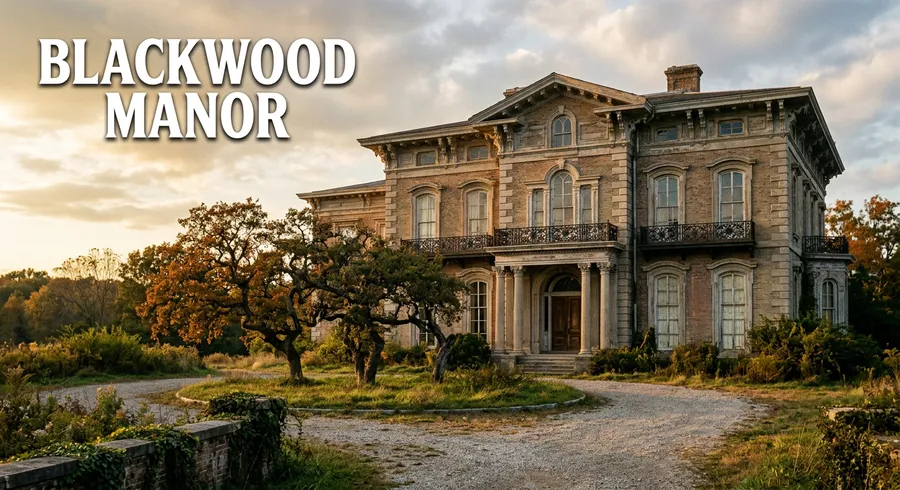
Photo by Isabelle Moreau for Cornerstone Mansion · February 25, 2026
Find Nearby Hotels
Book Flights
As a travel writer who’s probably worn out more pairs of hiking boots than formal shoes exploring America’s historic nooks, I’ve watched the landscape of historical tourism evolve. For too long, guides have recycled the same well-trodden paths, the same grand narratives, often missing the grit, the quiet power, and the downright weirdness that truly shape our past. But 2025, it seems, is poised to shake things up. We’re finally seeing a deliberate shift towards experiences that don't just *show* you history, but let you *feel* it, *decode* it, and even *interact* with it, far from the predictable crowds.
This isn't just about finding obscure places; it's about finding sites where technology, thoughtful curation, and raw authenticity conspire to deliver something genuinely profound. You won't find perfectly manicured lawns or meticulously restored drawing-rooms at every turn here. Instead, expect the wind through decaying structures, the silence of forgotten towns, and the startling jolt of a virtual past overlaid onto a present ruin. It's about peeling back layers, sometimes literally, to discover the unexpected narratives that shaped this nation.
New England’s Whispered Histories: Beyond the Tourist Gloss
Anyone can point you to the Freedom Trail or Plymouth Rock, but if you’re looking to genuinely connect with New England’s complex past in 2025, you need to head north, specifically to Massachusetts, where the narrative reaches far beyond pilgrim myths and witch hysteria. Salem, Massachusetts, often synonymous with its infamous 17th-century witch trials, has transformed its *Salem Heritage Trail* into an anchor site for a whole new kind of exploration. Forget dusty plaques; this updated experience leverages a mobile AR app that overlays 17th-century street scenes directly onto your smartphone view, animating spectral reenactments right where they happened. What truly sets this apart, though, isn't just the spooky visuals, but its commitment to unlocking previously obscured narratives—stories of Indigenous communities, resilient Quakers, and African Americans whose contributions and struggles often get sidelined in the mainstream historical accounts. It turns a simple walk into a treasure hunt, gamifying the past with badge-earning quests, making every cobblestone a portal and every selfie an intentional piece of history.
Venturing north from Salem, away from the coastal hubbub, Cape Ann reveals a more desolate, enigmatic past in the form of *Dogtown Ghost Village*. This isn't a reconstructed pioneer settlement; it's the raw, windswept remnants of a 19th-century inland farming community that simply faded away. Here, visitors wander amongst tumbled stone walls and moss-covered cellar holes, the only definitive markers of homes that once stood. What makes it compelling isn't a guided tour, but the silence, the cryptic trail carvings that local legends attribute to peculiar former residents, and the stark beauty of nature reclaiming human endeavor. It’s an off-beat chill, best experienced in the hushed quiet of a weekday afternoon—avoid summer weekends when local hikers might break the spell—offering profound photo opportunities in its stone labyrinths and the eerie woodland ruins, a stark contrast to the lively AR of Salem.
And for a truly unexpected twist in New England's historical fabric, consider a trip to Peddocks Island in Boston Harbor to explore the *Fort Andrews Nike Missile Site*. It’s a Cold War relic, decaying concrete bunkers and missile silos slowly being swallowed by marsh grass, offering a chilling glimpse into an era of nuclear brinkmanship. Many expect a drab, forgotten military installation, but the site's free downloadable VR app injects surprising life into the desolation, reconstructing 1950s radar operations in situ, letting you virtually stand where soldiers once monitored the skies. The stark juxtaposition of rusting launch rails against the island's natural beauty creates dramatic, unsettling backdrops for photography, particularly at dusk. Access requires a ferry, so check schedules rigorously, especially outside peak summer, and anticipate a brisk walk across the island.
Where the Desert Whispers Secrets: Arizona’s Unconventional Past
Arizona's historical landscape, often associated with Old West lore and ancient Native American dwellings, also harbors secrets from a more recent, chilling past. South of Tucson, in Sahuarita, stands the *Titan II Missile Museum*, an undeniably powerful experience. Stepping into this decommissioned missile silo, which once housed a 9-megaton warhead, is a visceral journey. While the sheer scale of the missile itself is breathtaking, the true genius here lies in its reimagining with interactive touch-screen launch-console simulators and VR crew training modules. You can engage in a mixed-reality walkthrough of a 1960s launch countdown, feeling the tension of that pivotal Cold War moment. It's a sobering reminder of human capability and vulnerability, perfectly preserved and enhanced. Book your tour well in advance, especially during the spring (March-April) and fall (October-November) shoulder seasons, as this surprisingly popular site fills up, and remember that cell service can be spotty until you're right at the facility.
Journey deep into the desert hills near the Mexican border, and you'll uncover *Ruby Ghost Town*, a truly hidden gem that challenges the polished sheen of many historical parks. This isn't a theme park; it’s a remarkably preserved, silent main street lined with decaying shops, a crumbling jail, and tumble-down miners’ cabins. The beauty lies in its authenticity, the slow, natural process of decay. Visitors expecting manicured exhibits might be surprised by the raw, untamed nature of Ruby. The absolute best time to visit is during golden hour, either early morning or late afternoon, when shafts of light filtering through broken windows create cinematic, sepia-toned photo ops that feel straight out of a forgotten film. The road to Ruby can be rough, so a high-clearance vehicle is recommended, and always bring ample water, as there are no services once you're there.
For an entirely different kind of historical immersion, Phoenix offers a surprising leap back to the Roaring Twenties with *The Roosevelt Row Speakeasy*. Tucked away in a clandestine basement, this establishment isn't just a themed bar; it's a meticulously restored 1920s Prohibition-style experience. Patrons use a geofenced smartphone app to unlock hidden doors, which is an unexpected and delightful touch, turning entry into an initiation. Once inside, 3D-projected cocktail recipes appear on your table, and you can earn vintage-style stamps on a digital passport. It’s a playful, sensory dive into a period when illicit pleasure reigned, making history not just consumable, but interactive and utterly engaging. Reservations are absolutely essential, particularly for a weekend evening, and expect to pay a premium for the craft cocktails and the immersive experience.
Puget Sound's Hidden Histories: From Subterranean Streets to Coastal Bunkers
Seattle's Pioneer Square, with its handsome brick buildings and bustling cafes, hides a secret world beneath its very feet. The *Beneath the Streets AR Underground Tour* has revitalized the city’s underground network, taking the well-known concept of exploring subterranean tunnels to a whole new level. Equipped with an AR headset, you’ll witness 1889 fire-map reconstructions overlaid onto the actual brick walls, animating spectral shopfronts that once stood here before the Great Seattle Fire forced the city to rebuild on higher ground. The interactive AR tools let you virtually dust soot off ancient beams and trigger holographic merchant vignettes, providing dynamic, subterranean selfies and a truly tactile sense of rediscovering lost spaces. It’s an ideal way to understand the city’s pioneering spirit and the literal foundations of its resilience. While the tour is fascinating year-round, visiting during the cooler shoulder seasons (April-May, September-October) means fewer crowds and a more intimate experience. Be prepared for some uneven footing and a slightly damp environment; comfortable, closed-toe shoes are a must.
Just south of Seattle, nestled in the coastal woods of Point Defiance in Tacoma, lies another Cold War secret: the *PL-05 Nike Missile Site*. Unlike the Arizona site, this one emphasizes the stark beauty of decay and nature's reclamation. It’s a seldom-visited spot where you can walk wooded trails to the abandoned concrete launch rails, feeling the silence broken only by the wind off Puget Sound. A minimalist audio guide, which you download to your smartphone before arrival, enhances the experience by playing declassified Cold War transmissions right as you photograph the rusted infrastructure. This site isn't about flashy AR; it's about atmosphere, quiet contemplation, and the eerie juxtaposition of military might and natural serenity. Arrive early on a clear morning for the best light for photography and minimal visitors; parking is typically free but limited.
Finally, for a comprehensive look at coastal defense and its gradual surrender to time, head to Port Townsend and explore the *Fort Worden Abandoned Battery Chambers*. This sprawling former coastal defense fort, originally designed to protect Puget Sound in the early 1900s, offers a fascinating exploration of mossy batteries and massive magazine bunkers. The sheer scale of these fortifications—constructed from immense concrete—is impressive, and wandering through the vaulted ammunition rooms, often damp and dark, provides a distinct chill. What sets this apart are the motion-sensor light projections of 1900s artillery drills that spontaneously trigger in certain chambers, startling you and bringing the past to life unexpectedly. It's an atmospheric wonderland for photographers, capturing the interplay of decay and the lush, encroaching forest. A sturdy flashlight or headlamp is crucial for exploring the darker chambers, and be sure to wear layers as the underground areas stay cool even on warm days.
Charting Your Course for 2025: Beyond the Brochure
These destinations, whether you’re exploring the forgotten foundations beneath Seattle or standing in a decommissioned missile silo, offer a different kind of historical engagement for 2025. They thrive on the unexpected, on narratives often overlooked, and on the power of immersive experiences rather than passive observation. When planning your trip, consider the shoulder seasons—spring and fall—for most of these locations. You’ll generally find milder weather, fewer crowds, and often more accessible accommodations and tour slots. For outdoor sites like Dogtown or the Nike missile locations, weather can be a significant factor; rain can turn trails muddy and obscure views, while extreme heat in the Southwest can make daytime exploration arduous.
Always pack sturdy, comfortable shoes; these aren't strolls through manicured gardens. A portable charger for your phone is non-negotiable, especially with the reliance on AR/VR apps and audio guides. Many of these locations, particularly the ghost towns and remote missile sites, offer limited to no services, so bring water, snacks, and any essentials you might need. The beauty of these selections lies in their intentional distance from mainstream tourism, offering more authentic immersion for those willing to venture a bit off the beaten path. You won’t always find gift shops or polished visitor centers, and that’s precisely the point.
Ultimately, these sites challenge the notion that history must be dry or distant. They prove that by embracing technology, by seeking out untold stories, and by allowing nature to reclaim its own, we can discover a past that is not only educational but profoundly moving, surprisingly beautiful, and intensely personal. So, next time you're planning a trip, don't just visit history—live it.
Timeless Trails: Your Guide to America’s Most Engaging Historical Destinations
Most interactive historical sites US
Colonial Williamsburg in Virginia offers immersive costumed interpreters, hands-on trades demonstrations, and interactive workshops year-round.
What U.S. city has the most interesting history?
Philadelphia, PA, with Independence Hall, the Liberty Bell, and centuries of revolutionary and cultural milestones, is widely regarded as America’s richest historical city.
Where is the most historical place in the USA?
Mesa Verde National Park in Colorado preserves nearly 600 cliff dwellings dating back to 600–1300 AD, making it one of the nation’s oldest and most significant historical sites.
Where to take someone who loves history?
Charleston, SC combines colonial architecture, Revolutionary War sites, and Gullah culture museums for a full-immersion historical experience.
What are the must-see places in the USA?
Must-see historical destinations include Washington, D.C.’s National Mall, Boston’s Freedom Trail, and Gettysburg National Military Park.
What is the #1 tourist spot in the US?
Times Square in New York City remains the top-visited attraction, drawing over 60 million visitors annually.
What is considered the most beautiful place in the USA?
Yosemite Valley in California, famed for its granite cliffs, waterfalls, and giant sequoias, is often cited as America’s most beautiful natural landmark.
Where is the prettiest town in America?
Carmel-by-the-Sea, California enchants visitors with its storybook cottages, art galleries, and seaside bluffs.
What is the prettiest state to visit in the US?
Hawaii is renowned for its lush landscapes, volcanic national parks, and pristine beaches, making it the prettiest state for many travelers.
Where is considered the most beautiful place on Earth?
The Grand Canyon National Park in Arizona, with its vast multicolored vistas carved by the Colorado River, is frequently named one of the world’s most beautiful places.
When is the best time of year to visit historical sites in the US?
Spring (April–June) and fall (September–October) offer mild weather and fewer crowds at most historic landmarks nationwide.
How much does it cost to access National Historic Landmarks?
Entry fees vary by site, but many National Historic Landmarks managed by the National Park Service are free or charge between $5 and $25 per adult.
We use cookies to enhance your experience. By continuing to visit this site you agree to our use of cookies.