Venturing across the United States, you’ll inevitably stumble upon buildings that strike a familiar chord: grand, columnar, often white, evoking the temples of ancient Athens. This is Greek Revival architecture, a style that, in the early years of the American republic, became nothing less than a national statement. It wasn't merely an aesthetic choice; it was a profound declaration, a visual shorthand for the ideals of democracy, reason, and civic virtue that the young nation aspired to embody. Yet, to truly appreciate these structures, we must look past the obvious porticos and understand the motivations, innovations, and even the occasional compromises that shaped them. Forget the sterile textbook descriptions; these buildings have grit, history, and often, a touch of human drama.
What Drew America to the Columns of Ancient Greece?
Why did a fledgling nation, still finding its architectural voice, turn so enthusiastically to the design principles of a civilization thousands of years old and continents away? It wasn't just about good looks. The answer, I've found, lies deep in the American psyche of the 19th century. As the nation shed its colonial skin, there was a conscious effort to distance itself from the monarchical opulence of European Baroque and Rococo styles, which were often associated with empires and aristocratic rule. Greek democracy, with its emphasis on civic participation and rational governance, provided a powerful, almost spiritual, blueprint. Architects like William Strickland and Robert Mills weren't just copying ancient forms; they were interpreting them, adapting them for a new world with new challenges. They were building tangible symbols of a radical political experiment, cementing the idea that America was the modern heir to classical ideals, a “New Athens” on the Western frontier.
Philadelphia's Grand Statement: The Second Bank's Subtle Adaptations
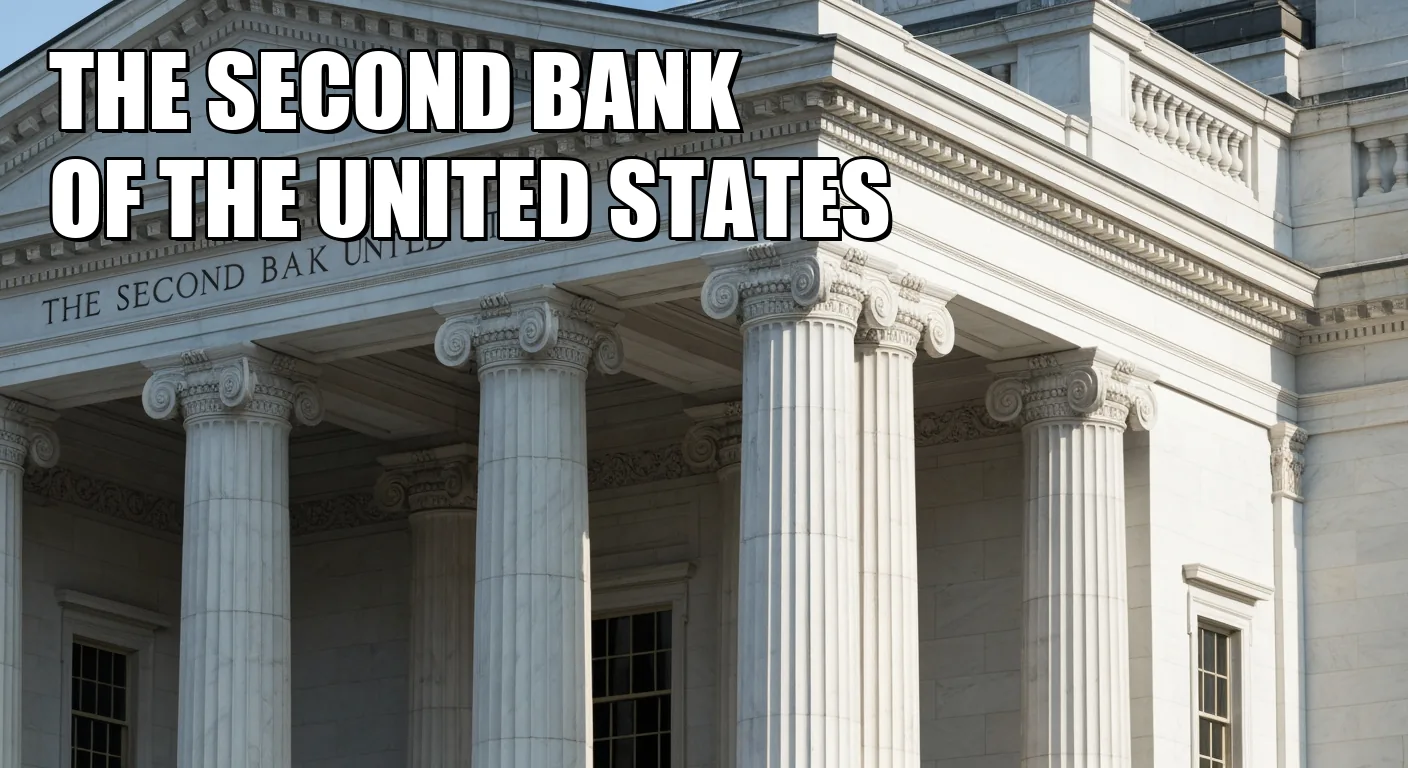
Standing on Chestnut Street in Philadelphia, gazing at the
Second Bank of the United States
, it’s easy to be struck by its imposing Doric columns and clean lines. Designed by William Strickland and completed in 1824, this building represents a pivotal moment in American architectural history, not least because Strickland, a former apprentice of Benjamin Latrobe, secured the commission over his esteemed mentor. What many guides overlook, however, is the sheer practicality embedded within its classical grandeur. Contemporary records reveal it was praised as "a chaste imitation of Grecian architecture, in its simplest and most inexpensive form." This wasn't merely a flourish; it was a testament to American pragmatism. The design ingeniously allowed the exterior columns to anchor only the ends of the façade, rather than running its entire length, a clever solution that allowed the monumental structure to fit gracefully into a tight city block between 4th and 5th Streets. The main floor, elevated a full nine feet above ground and framed by a fourteen-foot-wide flagstone terrace, creates an undeniable sense of monumental presence, even amidst the bustle of modern Philadelphia. Inside, the banking room’s marble Ionic columns supporting three vaulted ceilings, with the central vault spanning an impressive 28 feet in diameter and 81 feet in length, demonstrate a sophisticated blend of classical aesthetics and structural ambition, a space where the weight of finance was literally and figuratively supported by enduring ideals.If you're planning a visit, consider a weekday morning outside of peak summer tourist season – say, late April or early October. You'll avoid the school groups and get a better chance to appreciate the interior, which now houses a portrait gallery. While admission is free, finding parking in downtown Philadelphia can be a challenge; plan to use a nearby garage or public transportation. Expect security screenings, as it's part of the National Park Service. It’s a space that truly makes you reflect on the interplay of finance, power, and democratic ideals that shaped the early republic.
Charleston's Unsung Hero: When Form Met Fireproof Function
Down in Charleston, South Carolina, a different kind of architectural genius took hold. Robert Mills, another titan of American architecture, gave us the
Fireproof Building
, completed between 1822 and 1827. Its very name tells a story often missed by those who only seek grand aesthetics. Charleston, a city plagued by devastating fires, demanded innovation. Mills delivered, constructing a building that was, in its original form, almost entirely devoid of combustible materials. The exterior walls, brick finished in stucco with a brownstone base, were just the beginning. The interior boasts an intricate system of groin and barrel vaults, carrying the weight of the upper floors and eliminating the need for traditional wooden joists – a groundbreaking move for its time. Even the window sashes, frames, and shutters were forged from iron, not wood. The roof was clad in copper, and every lintel, stair, and floor was solid stone. The pièce de résistance? A cantilevered stone staircase, an engineering marvel, rising from the basement to the third floor, its steps locked together by a hidden notching system, bathed in light from a cupola-like skylight. Though it later suffered interior fire damage, the core structure held, safeguarding vital records housed on the lower floors. This wasn't just about beauty; it was about resilience, a testament to practical engineering serving a critical civic need.Visiting the Fireproof Building, now home to the South Carolina Historical Society, offers a unique window into this pragmatic genius. Situated on Meeting Street, it's easily accessible in Charleston's historic district. A small admission fee typically applies, but the value lies in seeing how early American architects wrestled with real-world problems. Expect a quiet, contemplative atmosphere, especially during the week. Parking in Charleston can be tight, so consider walking or using ride-shares if staying nearby. It’s a refreshing departure from purely ornamental Greek Revival examples, showcasing a mind focused on the *how* as much as the *what*.
A Capital Compromise: How the Treasury Building Redrew Washington's Vision
When you stand at the eastern end of the White House, hoping for that iconic view down Pennsylvania Avenue to the Capitol, you'll find it blocked by a colossal presence: the
U.S. Treasury Building
. Robert Mills designed this monumental structure, primarily built between 1836 and 1842, and its placement is a story unto itself. Legend has it that President Andrew Jackson, frustrated by indecision, strode to the site in 1836 and, pointing with his cane, declared to Mills, "Build it here!" This presidential decree famously and permanently severed Pierre L'Enfant's grand visual axis between the White House and the Capitol, an act of sheer political will overriding initial urban planning. Like his Charleston masterpiece, Mills insisted on fireproof brick-vaulted construction throughout, recognizing the immense value of the nation’s financial records. The Treasury was the first of three impressive fireproof government buildings he designed for Washington, setting a new standard for federal infrastructure. This isn't just an architectural marvel; it's a physical embodiment of a presidential whim, a reminder that even the most carefully laid plans can bend to the will of power.Given its function, the Treasury Building isn't open for casual public tours, though occasional special events might offer limited access. Its sheer presence, however, is undeniable. When you’re in Washington, D.C., take a moment to walk around its perimeter. Consider the implications of its placement, and how it fundamentally altered L'Enfant's carefully imagined cityscape. The best time to appreciate its exterior is during a stroll through the National Mall area, perhaps in the spring or fall when the weather is mild. Parking is challenging, so utilize the Metro system; the Federal Triangle station is conveniently close. While you can't go inside freely, its exterior tells a powerful story about early American governance and the clash of vision versus pragmatism.
Nashville's Testament in Stone: An Architect's Eternal Commitment
In Nashville, Tennessee, William Strickland left his ultimate legacy: the
Tennessee State Capitol
, completed in 1859. Strickland considered this his masterpiece, and his dedication was so profound that upon his death in April 1854, he was, by his own wish, entombed within the northeast corner wall of the building itself. This isn't just a fun fact; it speaks to an architect's almost spiritual bond with his creation. The entire structure, both inside and out, is fashioned from limestone quarried barely a mile from the construction site – a testament to local resources and self-sufficiency. Imagine the Herculean effort involved: some interior columns were carved from single, gargantuan pieces of stone, requiring enormous wooden derricks to hoist them into place. More than its classical beauty, the Capitol represents an early and extensive use of structural iron, replacing traditional wood for roof trusses to significantly reduce vulnerability to fire. This was a remarkable engineering innovation for its era, so much so that the American Society of Civil Engineers designated it a National Historic Civil Engineering Landmark in 2003. It's a building that tells a story of personal commitment, regional pride, and pioneering construction.The Tennessee State Capitol is generally open to the public for self-guided tours during weekdays. Arriving early in the morning will often allow for a more serene experience, particularly if you wish to linger in the legislative chambers or the grand rotunda. There is no admission fee, but security checks are standard. Parking can be found in nearby paid garages or limited street parking. Don't just admire the facade; take the time to appreciate the interior stone work and, yes, reflect on the architect still resting within its walls. It transforms a simple visit into a pilgrimage to a man's enduring artistic and engineering vision.
New York's Marble Masterpiece: Echoes of Empire in Federal Hall
Finally, we reach Lower Manhattan, where
Federal Hall National Memorial
, constructed between 1836 and 1842, stands as a potent symbol of American democracy. Designed by Ithiel Town and Alexander Jackson Davis, with its magnificent domed rotunda a creation of sculptor John Frazee, this building eloquently articulates the nation’s dual architectural inspirations. Its stately Doric columns on the façade are an unambiguous nod to the Greek Parthenon and the ideals of direct democracy. However, step inside, and you are enveloped by the sophisticated, Pantheon-inspired domed rotunda, a clear echo of Roman republican ideals. This masterful blend isn't accidental; it’s a deliberate architectural statement, asserting America's place as a synthesis of classical thought, drawing strength from both Greek and Roman precedents. The building itself is constructed entirely ofTuckahoe marble
, also known as Inwood or Westchester marble, a high-quality dolomitic marble sourced locally from Westchester County, New York. Its color, ranging from light gray to brilliant white, lends the building a luminous quality, especially on a sunny day. This choice of indigenous material, coupled with such powerful classical influences, makes Federal Hall a fascinating study in architectural symbolism and regional pride.Federal Hall is operated by the National Park Service and is generally free to enter. Given its prime location on Wall Street, it can draw crowds, especially during lunchtime or peak tourist seasons. Weekday mornings, particularly outside of summer, offer the best chance for a less crowded experience. While you can't drive directly to it, it's easily accessible via multiple subway lines (Wall Street or Broad Street stations) or as part of a walking tour of the financial district. Expect airport-style security to enter. Take your time inside, especially in the rotunda; the intricate detailing by Frazee truly sets it apart and provides a wonderful counterpoint to the more austere Greek exteriors found elsewhere.
Planning Your Pilgrimage: Navigating the Temples of American Democracy
Embarking on a journey to explore these Greek Revival treasures requires a bit of planning, but the rewards are immense. The ideal time for a dedicated architectural tour is typically spring (April-May) or fall (September-October), when the weather is pleasant across the Eastern Seaboard and the South, and crowds are generally thinner than in the summer months. Always check official websites for current operating hours, specific holiday closures, and any temporary exhibits before you set out. While some sites like Federal Hall are free, others might have a modest admission fee. Parking in major urban centers like Philadelphia, Washington D.C., and New York City will inevitably involve paid garages, so consider public transportation or ride-sharing services to reduce stress and cost. In smaller cities like Charleston and Nashville, walking tours are often the most delightful way to experience the historic districts. These buildings are more than just pretty facades; they are living testaments to the birth of a nation, embodying its aspirations, its ingenuity, and the enduring power of its founding ideals. Go forth, explore, and let these stones speak their history to you.