
America's Window Story: Uncovering Colonial Design Secrets
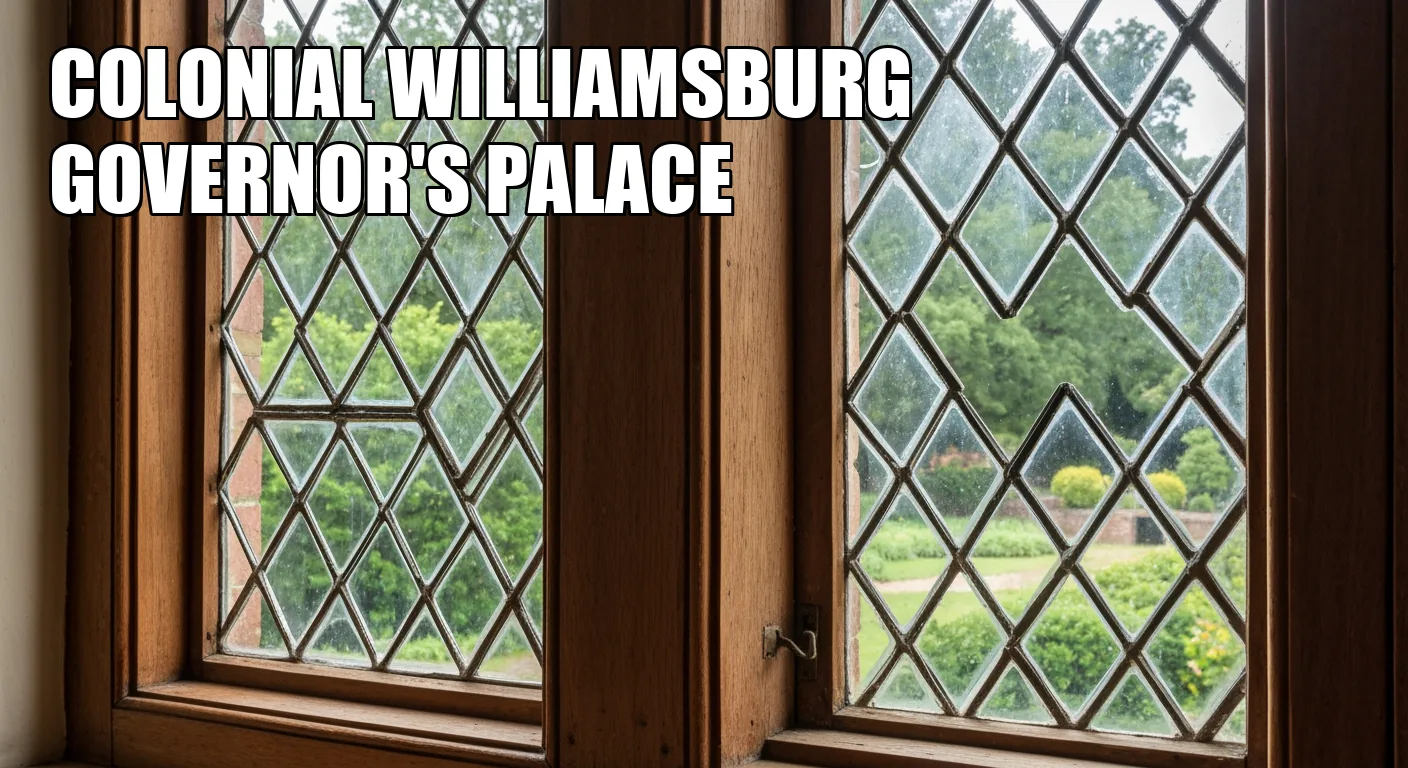
For years, I've crisscrossed this nation, not just seeing historic sites, but truly *looking* at them. While grand doorways or ornate cornices often grab the spotlight, I’ve learned that the most revealing stories often hide in plain sight: the windows. These aren't just openings for light; they are chronicles of technology, social class, climate adaptation, and evolving aesthetics, each style a distinct chapter in America's architectural saga. They tell us about the aspirations of early settlers, the brutal realities of their climate, and the slow march of progress in glassmaking.
What surprises many casual observers is how much character these seemingly simple elements possess. You might think a window is just a window, but a trained eye discerns the shift from leaded diamond panes to elegantly proportioned sashes, each leap a testament to changing fortunes and available craftsmanship. When you start noticing these subtle differences, suddenly every historic house ceases to be just another old building; it becomes a legible document. It's an understanding that transforms a pleasant stroll through a preserved village into a captivating detective story.
Unlocking the Earliest Glimpses: Casements of the 17th Century
Imagine an America still finding its footing, raw and largely untamed. What would the windows look like on the very first substantial homes? They certainly weren't the familiar double-hung types we associate with "colonial." Instead, the earliest colonial windows, emerging in the 1600s and persisting into the mid-18th century, were almost universally casement windows. These were not the streamlined, modern casements we see today, but rather hinged, outward-swinging affairs, often holding small, diamond-shaped panes or tiny rectangles. These tiny panes, held together by thin strips of lead calledlead cames
, weren't merely an aesthetic choice; they were a necessity. Glass manufacturing was primitive, and large sheets were prohibitively expensive and prone to breakage during transport from England. So, cutting glass into small, manageable pieces, like the "Square Quarrell" and "Long Quarrell" sizes archaeologists still find, was the practical solution. Observing these windows at places like Plimoth Patuxet or Jamestown offers a stark lesson in early colonial economics. Glass was, for many, an unimaginable luxury. While wealthier homes might have boasted a dozen small, leaded panes, most less affluent dwellings had to make do with oiled paper, stretched animal hides, or simple wooden shutters to keep out the elements. The wrought iron hinges and concealed lock mechanisms, which made them surprisingly secure for their time, speak to an era where security was as much a concern as light. It's a humbling reminder of how far our everyday comforts have advanced.The Dawn of Proportion: Georgian Double-Hungs Take Center Stage
As the colonies prospered and moved into the 18th century, a new architectural philosophy took hold, one deeply rooted in classical principles of symmetry and proportion: the Georgian style. This era, roughly from 1714 to the 1830s, saw the widespread adoption of the double-hung window, a true game-changer. Finally, both sashes — the movable frames holding the glass — could slide vertically, thanks to an ingenious system ofweights and pulleys
hidden within the window frame. This innovation wasn't just about convenience; it transformed the aesthetic of colonial homes, allowing for cleaner lines and better ventilation control. Walk through historic districts in Philadelphia or Boston, and you'll predominantly see these magnificent Georgian examples. They typically feature a 6-over-6 pane configuration (six panes in the upper sash, six in the lower), though you’ll occasionally spot 8-over-8 or even 12-over-12 in earlier examples. What often goes unnoticed by visitors is the thickness of themuntins
— the wooden strips dividing the panes. In Georgian windows, these are noticeably thick, often 3/4" or more, giving the window a robust, almost imposing character. The glass itself, oftencrown or cylinder glass
, frequently shows charming waves and imperfections, a tell-tale sign of its antique origin. These small details aren't just trivia; they are the fingerprints of history, hinting at the manufacturing processes of the day and providing immediate visual clues to a building’s age and authenticity.Federal Finesse: How Refinement Replaced Robustness
Following the Revolutionary War, America sought to define its own architectural identity, distinct yet still echoing European sophistication. This aspiration gave birth to the Federal style (1780-1820), a direct evolution from Georgian but with a distinct emphasis on lightness and elegance. It’s here that the window truly began to transform from a functional necessity into an artful architectural statement. The most striking difference? The muntins became significantly thinner. Where Georgian muntins were broad and sturdy, Federal examples might be less than 3/4" wide, giving the windows a much more delicate, refined appearance. This wasn't some fleeting fashion statement; it was a reflection of advancing glass technology. Larger, clearer panes were becoming more accessible, allowing designers to minimize the visual obstruction of the muntins and maximize the expanse of glass. You'll notice this shift clearly if you compare, say, a mid-18th-century Georgian home with an early 19th-century Federal townhouse in places like Charleston, South Carolina, or Salem, Massachusetts. The Federal period also introduced decorative fanlights above doorways and elegant sidelights flanking entrances, integrating the window into a grander, more cohesive facade design. These subtle refinements speak volumes about a newly independent nation embracing a more sophisticated, classical aesthetic.Cape Cod's Enduring Practicality: A New England Icon
Heading north to the rugged coastlines of New England, particularly around Massachusetts, you encounter a window style born not of grand design philosophies, but of sheer practicality and a brutal climate. The Cape Cod window, predominant from about 1700 to 1830 (and famously revived post-WWII), embodies the Yankee spirit of efficiency. These were typically 6-over-6 double-hung windows, but their defining characteristic was the size of the glass panes: often just 6" x 8" or 8" x 10". Why so small? It wasn't about aesthetics alone. These dimensions represented the most economical glass to produce, transport, and, crucially, to replace when shattered by the Atlantic gales. When touring homes on Nantucket or Martha's Vineyard, you'll see these windows often paired with robust wooden shutters, not just for decoration, but as essential protection against fierce storms. While original colonial Cape Cod homes rarely featured the dormer windows we now associate with the style — those delightful structures projecting from the roof — the small, vertically proportioned windows themselves are an unmistakable signature. They remind us that for many early Americans, form followed function out of necessity, a testament to resilience against formidable natural elements.Southern and Western Echoes: French and Spanish Colonial Variations
Our journey through colonial windows would be incomplete without a detour to the warmer climes of the American South and Southwest, where European influences manifested in distinctly different ways. In places like New Orleans, French Colonial windows (1600s-1800s) tell a story of adaptation to a subtropical environment. These were often large, tall 6-over-6 double-hung windows, designed to maximize light and crucially, ventilation, in the humid Louisiana heat. Unlike their northern counterparts, they were frequently paired with tall exterior shutters and integrated into a symmetrical facade that often included French double doors opening onto wraparound galleries. Contrast this with the Spanish Colonial windows (1600s onward) found in California, New Mexico, and Texas. Here, the priority shifted from maximizing light to minimizing heat gain. These windows were intentionally small, deep-set, and often featured tall, narrow casement frames with horizontal muntins, creating stacked rectangular panes rather than a grid. Many early Spanish Colonial openings didn't even use glass, instead relying on sturdyiron bars or grates
for security and ventilation, a stark reminder of the arid climate and the available materials. When visiting historic missions or presidios, note how deeply recessed these windows are into thick adobe or stucco walls, a brilliant passive cooling strategy. These regional variations underscore how local climate, available materials, and cultural heritage profoundly shaped architectural choices, offering a diverse palette beyond the familiar East Coast styles.Where to Truly See and What to Expect
To genuinely appreciate these architectural nuances, one must venture beyond a quick glance. I recommend prioritizing living history museums and meticulously preserved historical societies. Places like Colonial Williamsburg in Virginia, Historic Deerfield in Massachusetts, or Old Salem in North Carolina offer unparalleled opportunities to see these windows in their original context. For French Colonial styles, a walking tour of the French Quarter in New Orleans is essential; for Spanish Colonial, the missions of San Antonio or Santa Fe provide excellent examples. When planning your visit, remember that authenticity is key. Many restored homes feature modern replacement windows that *mimic* colonial styles but lack the true historical details — the correct muntin thickness, the wavy glass, the subtle imperfections. Engage with docents; they are often a treasure trove of specific information. Be prepared for varying levels of accessibility; some very old structures might have limited interior access. Try to visit during the shoulder seasons (spring or fall) to avoid peak tourist crowds and enjoy more comfortable temperatures, allowing you to linger and observe. Entry fees for historic house tours usually range from $10-30 per person, but often grant you access to expert-led insights that bring the architecture to life. Always check specific site hours and parking availability online before you go, as these details can change.The Enduring Narrative in Every Pane
Ultimately, understanding colonial window styles isn't just about identifying architectural periods; it's about connecting with the human story behind every pane of glass. It’s about recognizing the ingenuity of early craftsmen, the economic realities that dictated design, and the evolving aspirations of a nation. Each window, from the humble, leaded casement to the elegant Federal sash, offers a silent narrative of innovation, adaptation, and aesthetic preference. So, the next time you find yourself wandering through an old town, don't just admire the facade. Take a moment to truly *see* the windows. Look at their proportions, the thickness of their muntins, the quality of the glass, and consider the stories they quietly tell. You might be surprised by the depth of history reflecting back at you.Essential Guide to Colonial Window Styles: History, Characteristics & Visiting America's Architectural Gems
What is the history of colonial window styles in America?
Colonial windows originated during the 17th to 18th century when British colonists sought to recreate familiar architectural styles from Europe in their new homes. These windows were originally designed for practicality and durability, with small divided panes because large sheets of glass were unavailable at the time. The style became a defining feature of American colonial architecture and has remained popular for centuries due to its timeless charm and symmetrical elegance.
What are the key characteristics that define colonial window styles?
Colonial windows are defined by their symmetrical layout, divided panes separated by muntins (grilles), and traditional color palettes, typically featuring 6-over-6 or 9-over-9 pane configurations. Common types include double-hung windows with two vertically sliding sashes, casement windows with hinged frames, and picture windows, often complemented by functional exterior shutters. The aesthetic emphasizes geometric proportion and historical accuracy while maintaining practical functionality.
What are double-hung windows and why are they important to colonial architecture?
Double-hung windows feature two movable sashes that slide vertically within the frame, allowing flexible ventilation and easy maintenance. This design was practical for colonial homes as it enabled natural airflow before modern HVAC systems, with the ability to lower the top sash to let warm air escape and raise the bottom sash to bring in cool air. They remain the most common window type found in colonial and pre-World War II homes.
What do window muntins and grilles represent in colonial design?
Muntins are thin strips that divide window glass into smaller panes, creating the distinctive grid pattern characteristic of colonial windows. Colonial grid patterns typically feature symmetrical, equally-spaced divisions in sets of 4, 6, or 9 panes per sash, with the 6-over-6 configuration being the most traditional. These grilles historically mimicked the practical limitations of early glass production and remain an essential element of authentic colonial aesthetics.
What materials are used for colonial window frames?
Historically, colonial windows were built with old-growth wood frames known for durability and rot-resistance. Modern colonial windows are available in multiple materials including traditional wood, wood-clad (vinyl or aluminum exterior with wood interior), vinyl, fiberglass, and composite materials. Wood-clad and composite options offer the aesthetic appeal of wood with reduced maintenance requirements, while vinyl provides low-cost, low-maintenance alternatives.
Part of 🏛 Architecture Styles
Architecture Styles
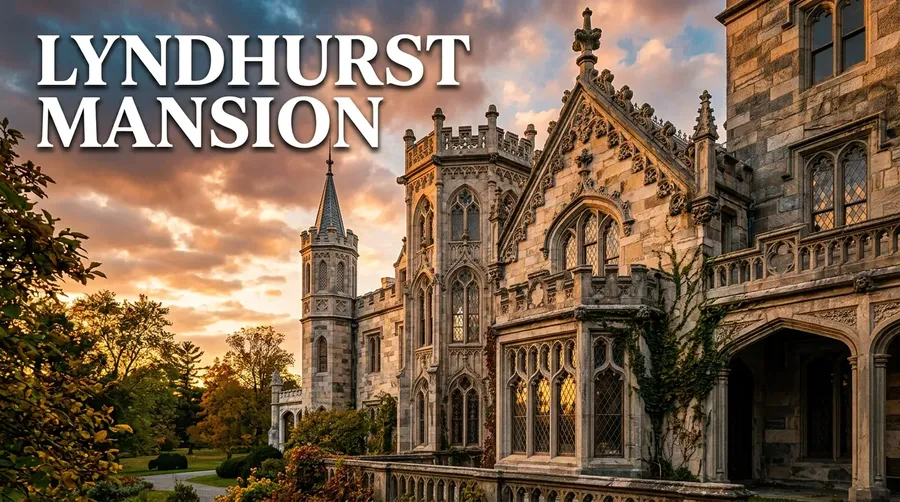
Gothic Revival Architecture: What the Street Can—and Cannot—Tell You
A three-level field test separates visible Gothic Revival evidence from a style hypothesis and the dates, authorship or alterations that require records.

Architecture Styles
Greek Revival Without Columns: A Confidence Test
Greek Revival can survive without a portico. Use roofline, entablature, entrance, wall plane, date and later alterations to state confidence.
Architecture Styles
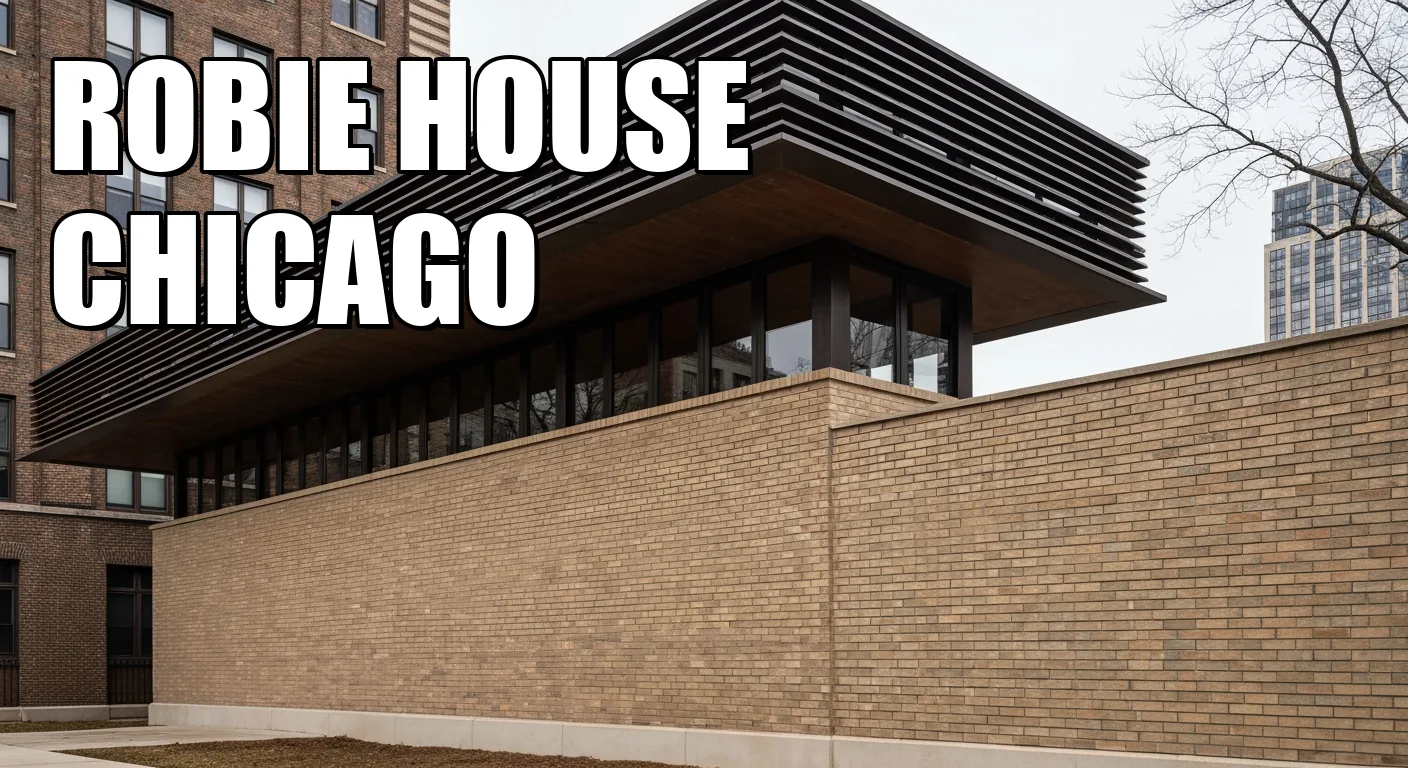
Prairie Style Architecture: How to Spot the Style in American Houses
A practical guide to Prairie Style architecture in the United States, with the roof, window, massing, and site cues readers should compare from the street.