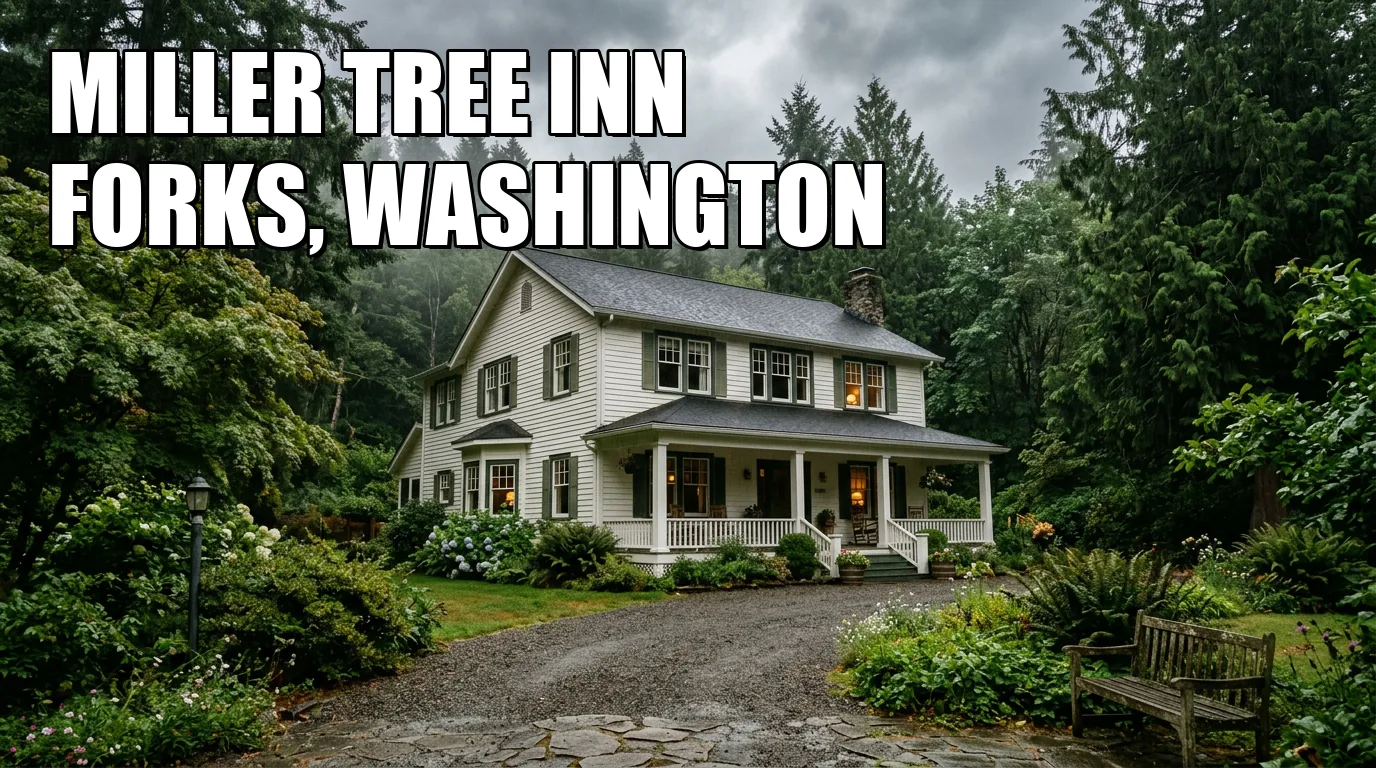
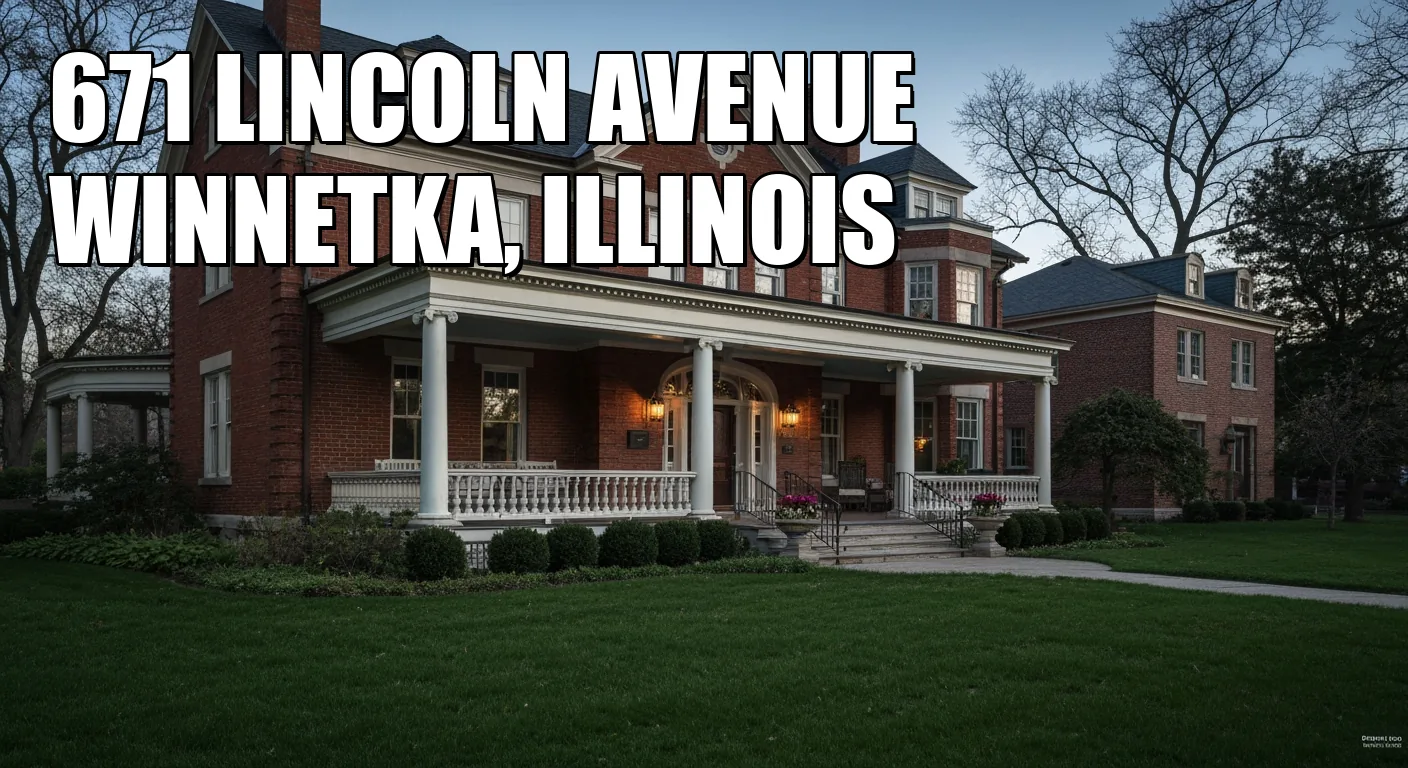
The clearest direct screen evidence in Forks is not a hotel room. It is a screen-used costume or prop inside the Forever Twilight Collection. The most book-specific overnight is not a film location. It is Miller Tree Inn, an operating farmhouse B&B whose own history dates the building to 1916 and explains how local tourism matched it to Stephenie Meyer’s description of the Cullen home.
That distinction solves the Forks lodging question. Choose a stay for the kind of connection it actually offers: literary interpretation, access to screen-used objects, or an ordinary Olympic Peninsula base. Do not treat a private house or the Quileute Nation as fan infrastructure.
Four Forks-area labels describe different kinds of authenticity
| Place or object | What is authentic | What is not established |
|---|
| Miller Tree Inn | An operating B&B whose own history dates the farmhouse to 1916, locally selected as a visual match for the novel’s Cullen house. | Film use, studio certification or designation by Stephenie Meyer. |
| Forever Twilight Collection | Screen-used costumes and props held in a Forks civic exhibition. | That the Rainforest Arts Center or Forks was a production location. |
| 775 K Street | A private 1905 Forks farmhouse promoted as the book-world Swan house. | Current public access, current lodging operation or any film use. |
| La Push | The homeland of the sovereign Quileute Nation and location of its tribal government. | A franchise set or a municipal fan attraction. |
Miller Tree Inn sells a literary match
Miller Tree Inn’s own history dates the Peterson family homestead to 1916 and says Ted and Prue Miller established the bed-and-breakfast in 1984. The current accommodations page confirms that it remains lodging rather than a photo-only tour stop.
The same inn history explains the Cullen label. Around 2008, while developing a local fan tour, the Forks Chamber of Commerce director and Visitor Center manager chose the three-story white farmhouse because it resembled the Chapter 15 description in Twilight. That is a community tourism designation. The selected sources do not show an authorial or studio certification.
The difference is visible inside. Miller Tree identifies its graduation-cap artwork as a replica, its Cullen pottery as custom-made and its second-floor Carlisle’s Office as a themed room created in 2011. Those details are honest fan hospitality when described as later interpretation. Calling them production fabric would make them less interesting and less true.
The real screen objects are in civic custody
The Forever Twilight Collection reverses the Miller Tree equation. Visitors do not sleep there, and the Rainforest Arts Center was not a movie set. Forks Chamber materials identify the exhibition as a collection of costumes and props used in the films. The authentic connection is object custody: screen-used material was brought to the town after production.
This is why an ordinary motel room can be a perfectly rational Twilight stay. The bed itself does not need a fictional name if the day’s purpose is to inspect real wardrobe and props at the civic collection. Lodging and artifact authenticity can occupy different buildings.
The physical screen-house story is separate again. The Twilight Swan houses belong to a book designation, an Oregon filming house and a later Canadian exterior shell. Repeating that production map inside every Forks hotel description only creates false set claims.
The Forks Swan house is not a lodging promise
The farmhouse at 775 K Street has been marketed as Forks’ book-world Swan house, but it was not used in the films. Real-estate records identify it as a single-family property and record a 2025 sale. The selected sources do not establish a current licensed vacation-rental operator after that transfer.
That makes the correct visitor status simple: private residence unless a current owner explicitly offers lawful access. A former rental page, an old fan map or a book-designated label is not an invitation to approach the porch. Forks can preserve a literary coordinate without turning the people at that coordinate into performers.
La Push is a sovereign place, not a themed district
Quileute sources describe La Push through treaty history, tribal government and the ongoing Move to Higher Ground project, not through the fictional identities assigned by the novels and films. The project moved the Quileute Tribal School to higher ground in 2022 and continues the work of relocating community facilities and housing away from tsunami and flood danger.
If a Forks trip includes coastal lodging or a visit to La Push, the Quileute Tribe’s own account says it welcomes visitors and encourages respect for its culture. Tribal etiquette asks visitors to obey local signage and rules, respect residential and ceremonial privacy, seek permission for photography or recordings, and leave natural and cultural objects where they are. These are tribal rules and regulations; Ordinance No. 74-A-8 specifically prohibits removing objects such as sand, rocks, shells or driftwood.
Choose the stay by the claim you want to make
- “I slept inside a local interpretation of the Cullen house.” Miller Tree Inn can support that sentence, with “local interpretation” doing essential work.
- “I saw screen-used Twilight objects in Forks.” The Forever Twilight Collection can support it; the hotel does not need to.
- “I stayed where the films were shot.” A Forks room cannot support it. Production geography lies elsewhere.
- “I visited La Push.” Treat that as a visit to Quileute land, not as proof that tribal people or businesses exist to reenact the franchise.
Forks works best when it is allowed to be a curator rather than a set. Stay at Miller Tree for a book-shaped hospitality experience, stay elsewhere if the civic collection is your real target, and keep private and tribal places outside the category of fan props.
The Cornerstone Brief
One historic place, once a week — what it is, why it matters, whether it's worth going. No filler, no paid placements.
Coming soon. Unsubscribe any time.