Photo by Marcus Bellingham for Cornerstone Mansion · December 24, 2025
For years, my journeys across the United States have been a pilgrimage, not just through landscapes, but through time. I've walked the hallowed ground of battlefields, lingered in the quiet grandeur of presidential homes, and deciphered the faded inscriptions on countless memorials. Yet, something has changed. The very sites we cherish, the places that whisper stories of our past, are now under unprecedented siege. We're not talking about slow decay here; we're talking about active, aggressive threats—from rising tides and raging wildfires to the insidious creep of urban development. This new era of preservation isn't just about restoring bricks and mortar; it’s about a radical, often surprising, fusion of deep-rooted community stewardship and audacious technological innovation.
Consider, for a moment, the places often overlooked by the mainstream travel guides, the sites that haven’t been homogenized into predictable tourist experiences. These are the underrepresented gems, the ones whose continued existence feels both precarious and profoundly vital. They're often on the front lines of climate change or battling the bulldozer, demanding a dual approach: a hands-on, deeply physical conservation alongside an ambitious digital strategy. What I’ve seen recently, particularly as we look towards 2025, is nothing short of revolutionary: a blend of 3D laser scanning, immersive virtual reality, and passionate public engagement that’s not just saving these places, but reinventing how we interact with history itself.
Can a Living Shoreline Outwit the Rising Tide at Penn Center?
Stepping onto St. Helena Island, South Carolina, you feel the weight of history—and the creeping dampness of the future. Penn Center isn't just a place; it's the beating heart of the Gullah Geechee Cultural Heritage Corridor, a testament to resilience forged on the sea islands. Founded in 1862 as one of the first schools for formerly enslaved people, it evolved into a crucial training ground for Civil Rights leaders, including Dr. Martin Luther King Jr. himself. What I initially expected was a quiet, contemplative historical campus. What I found was a community literally battling the ocean. The historic shoreline, once a natural buffer, now recedes visibly year after year, a casualty of accelerated sea-level rise and the constant gnawing of erosion, intensified by unchecked coastal development.
The paradox here is striking: a site so profoundly connected to the land is slowly being swallowed by it. Traditional seawalls are costly and ecologically damaging, often shifting the problem further down the coast. This is why the 2025 action plan here is so brilliant in its simplicity and profound in its ecological wisdom. Instead of fighting nature head-on, they're embracing it. I learned about the construction and expansion of oyster-reef breakwaters, a "living shoreline restoration" that dissipates wave energy and actually helps rebuild sediment. Picture these organic structures, slowly growing, acting as the island’s first line of defense. They’re also replacing impervious pathways with elevated, permeable boardwalks—something I've seen in other vulnerable coastal areas—ensuring that water can flow naturally, minimizing landscape alteration while protecting the fragile ecosystem. Then there's the clever retrofitting of heritage structures, elevating them on stilts with adjustable supports for seasonal flood tolerance. It’s a delicate dance between preservation and adaptation, a physical embodiment of the community’s own enduring spirit.
How Virtual Reality is Rebuilding the Gullah Geechee Shoreline
But here’s where the story gets truly compelling, moving beyond physical barriers to virtual frontiers. Penn Center isn't just trying to save itself; it’s inviting the world to participate. They’re deploying terrestrial LiDAR and drone-mounted scanners to capture sub-centimeter topography and building facades, creating an incredibly detailed 3D laser scanning survey. This isn't just for archiving; it’s the foundation for an immersive VR reconstruction. Imagine a virtual experience that doesn’t just show you the current site, but transports you to projected shoreline scenarios for 2030 and 2050. This isn't a dystopian vision; it's a powerful tool for understanding and advocacy, integrating elevation data with sea-level rise models in Virtual GIS dashboards accessible to planners and educators. It gives future generations a visceral understanding of what’s at stake.
Their public engagement model, "Heritage Shorelines," is equally innovative. A tiered monthly subscription VR pass offers interactive tours, featuring narrated Gullah Geechee histories and live Q&A with community stewards. This provides an authentic connection, something typical digital tours often miss. But the real game-changer? The "Virtual Oyster Reef Sponsor" program. Donors can "adopt" reef modules in the digital model, with funds directly financing the *real* living shoreline projects. This direct link between virtual action and tangible impact is what separates it from mere online gaming. And then, there are blockchain-backed heritage tokens—non-fungible tokens (NFTs) tied to virtual artifacts, like historic church pillars. When these digital assets are traded, secondary market royalties funnel directly back into conservation. It's a bold, almost audacious, strategy that leverages the digital realm to secure physical futures. While some might question the perceived ephemeral nature of NFTs, their implementation here is a savvy move to tap into new funding streams and engage a younger, digitally native audience in a way that feels genuinely meaningful.
Mesa Verde: Can Digital Fire Drills Protect Ancient Cliff Dwellings?
Far from the coastal wetlands of South Carolina, the arid mesas of southwestern Colorado guard another priceless American heritage: Mesa Verde National Park. I've hiked its trails, peered into its silent cliff dwellings—the incredible Ancestral Puebloan architectural feats carved into the very rock face—and always felt a profound sense of awe. But that awe is now tinged with a very modern anxiety. Wildfires, fueled by hotter, drier summers, are no longer a distant threat; they are an encroaching reality. I've seen firsthand the scorched earth left by recent blazes, the blackened rock near once-vibrant settlements. The fire intensity is increasing, becoming unpredictable, and poses an existential risk to these irreplaceable structures. A regular park visit during peak fire season (late summer to early fall) can feel precarious, with closures common and air quality often poor.
The preservation strategy here, much like Penn Center, is a marriage of the ancient and the ultra-modern. Physical conservation focuses on fire-resilient vegetation management, employing controlled, low-intensity burns and selective thinning guided by archaeological fire-break mapping. This isn't haphazard clearing; it’s a meticulous, scientific approach to fire ecology, understanding how ancient peoples managed the landscape and adapting those lessons. What surprised me most was the installation of cliff-face cooling sprinkler systems—remote-activated misting nozzles designed to reduce rockspall during peak fire events. It’s a stark visual, imagining these ancient stones being cooled by modern mist, a poignant symbol of our desperate attempts to safeguard their fragility. They’re also applying nano-silica reinforced grouts to stabilize friable sandstone joints, a subtle but critical intervention that prevents the very rock from crumbling under heat stress.
Beyond the Tour Bus: Immersive Learning and AI Prediction
The digital twin strategy at Mesa Verde is equally visionary, turning a devastating threat into an opportunity for global engagement and learning. They’re using panoramic LiDAR and photogrammetry to perform multi-season scans, meticulously recording structural conditions both pre- and post-burn events. This creates a detailed, evolving record essential for understanding impact and planning future interventions. But the true innovation lies in the "Immersive VR Field School." Imagine a virtual lab where users can simulate conservation interventions, practicing fire-break creation or mortar repair in a risk-free environment. This isn’t just a game; it's a powerful educational tool that could revolutionize archaeological training and public understanding. Perhaps most intriguing is the integration of AI-driven decay prediction, machine-learning models trained on scan datasets to forecast rock spalling and prioritize at-risk structures. This means resources can be allocated proactively, not reactively, a major shift in heritage management.
Their "Virtual Pueblo Protectors" public engagement model takes this interactivity further. It gamifies VR scenarios where participants execute prescribed burns; high scores unlock real-world funding for controlled burns. This direct, tangible impact model is something I rarely see and genuinely appreciate. Another compelling program is "Adopt-a-Dwelling," where patrons sponsor individual cliff dwellings in the digital twin, their contributions funding mortar consolidation and scanning operations. It creates a personal connection to a vast, remote site. While visiting Mesa Verde, be prepared for winding roads and limited parking, especially at popular overlooks; arriving before 9 AM or after 3 PM often makes for a more relaxed experience. Admission typically runs around $30 per vehicle, and during summer months, expect ranger-led tours to sell out quickly. These virtual initiatives offer an alternative, accessible way to contribute even if you can’t make the journey in person.
Birmingham's 16th Street Baptist Church: Preserving Context in a Shifting City
Finally, we turn to an urban landscape, one where the threats are less about nature's fury and more about humanity's relentless march. The 16th Street Baptist Church in Birmingham, Alabama, is not just a building; it is a monument to the raw, painful, yet ultimately transformative struggle for Civil Rights. The 1963 bombing that killed four young girls here wasn't just an act of terrorism; it was a brutal catalyst that galvanized a nation. I've stood inside, observed the stained-glass windows (one of which depicts a Black Jesus, a powerful symbol of hope and resilience), and felt the profound quiet that settles over visitors. This site demands contemplation, not just a quick photo op.
Yet, this solemnity is increasingly challenged by its surroundings. The primary threat here isn't erosion or fire, but urban redevelopment pressure. High-rise residential and commercial projects are creeping closer, risking the alteration of the church’s historic context and, crucially, foot-traffic access. It threatens to undermine not just the physical structure, but its social fabric and interpretive landscape. What I've found in other urban preservation battles is that the context—the surrounding environment that informs a site's meaning—is often the first casualty of "progress."
Beyond Bricks: Advocating for a Historic Landscape
The 2025 action plan for 16th Street Baptist Church is a masterclass in urban preservation and community advocacy. Physical conservation begins with heritage buffer zoning advocacy, working with city planners to establish a preservation overlay that restricts building height and massing within a 500-meter radius. This isn't just about the church building; it's about protecting the visual and emotional integrity of its entire historic district. They're also undertaking structural retrofits for vibration mitigation, installing base-isolation pads to protect the delicate masonry from the tremors of adjacent construction—a pragmatic response to immediate urban threats. And in a thoughtful nod to historical accuracy, there’s contextual streetscape rehabilitation, reintroducing period-appropriate sidewalks, street lamps, and signage to maintain visual continuity. It's an effort to ensure that the surrounding environment reflects the era it commemorates, rather than becoming an anachronistic backdrop.
The digital twin strategy for the church is particularly poignant. A comprehensive 3D scan captures not only the intricate interior architectural details but also the surrounding streetscape, including lost shops and memorials. This serves as the foundation for a powerful "VR Then & Now Experience," layering historical photographs over current scans, allowing users to toggle between the Birmingham streetscape of 1963 and 2025. This isn't just a historical curiosity; it’s a living lesson in urban change and remembrance. Furthermore, an augmented reality (AR) site app enables on-site visitors to view lost African-American businesses and protest routes through AR overlays on their smartphones. This brings an invisible history to life, transforming a passive visit into an interactive journey through a storied past. For those planning a visit, consider timing it with local events or Sundays to experience the church's enduring community spirit. While there's typically no admission fee, a donation is always appreciated, and parking can be challenging on busy weekdays, so arrive early.
Reimagining Rights Through Virtual Festivals
The public engagement model, "Rights Reimagined VR Festival," offers yet another layer of innovative connection. They host annual VR commemorations of the 1963 children's march, complete with live voice-over by descendants. Ticket sales from these virtual events directly fund buffer zoning legal fees—a tangible link between digital participation and real-world advocacy. There’s also the "Community StoryVault," which solicits and digitally archives personal oral histories in VR listening rooms, with sponsor recognition for each recorded testimony. These funds are channeled back into structural retrofits. Finally, impact-driven micro-donations are integrated into the AR app, allowing visitors to round up their transaction cents to a preservation trust, transparently tracked within the digital twin dashboard. These aren't just feel-good gestures; they're meticulously designed mechanisms that convert digital interaction into concrete, measurable support.
What I've gleaned from exploring these diverse, at-risk sites—from the eroding coasts of the Gullah Geechee to the fire-prone mesas of the Ancestral Puebloans and the redeveloping heart of Civil Rights-era Birmingham—is a profound truth: the future of American historic preservation isn't about rigid adherence to the past. It’s about a dynamic, creative fusion of deep historical understanding, cutting-edge technology, and fiercely passionate community engagement. It’s about recognizing that our most vulnerable sites are not just relics, but living, breathing testaments that demand our attention, our innovation, and our collective commitment to their continued story. Visiting these places, whether in person or virtually, is no longer just a passive experience; it's an invitation to become an active participant in their survival. That, to me, is the most compelling journey of all.
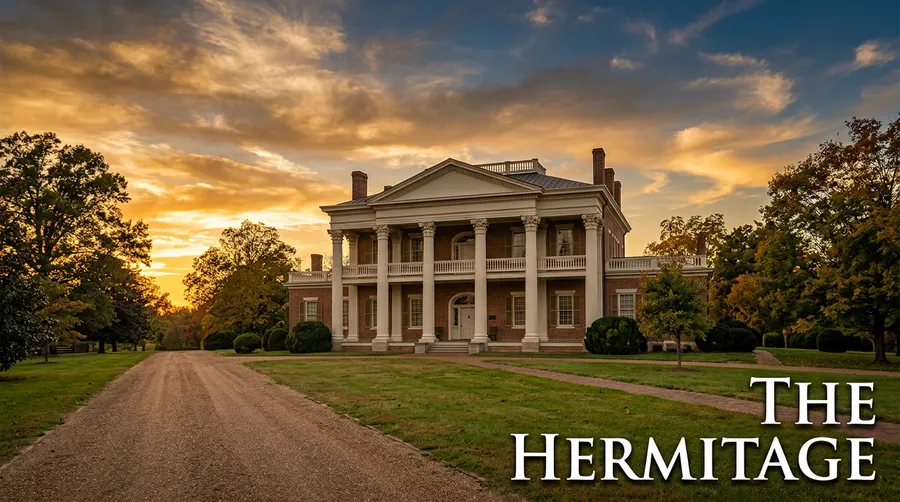
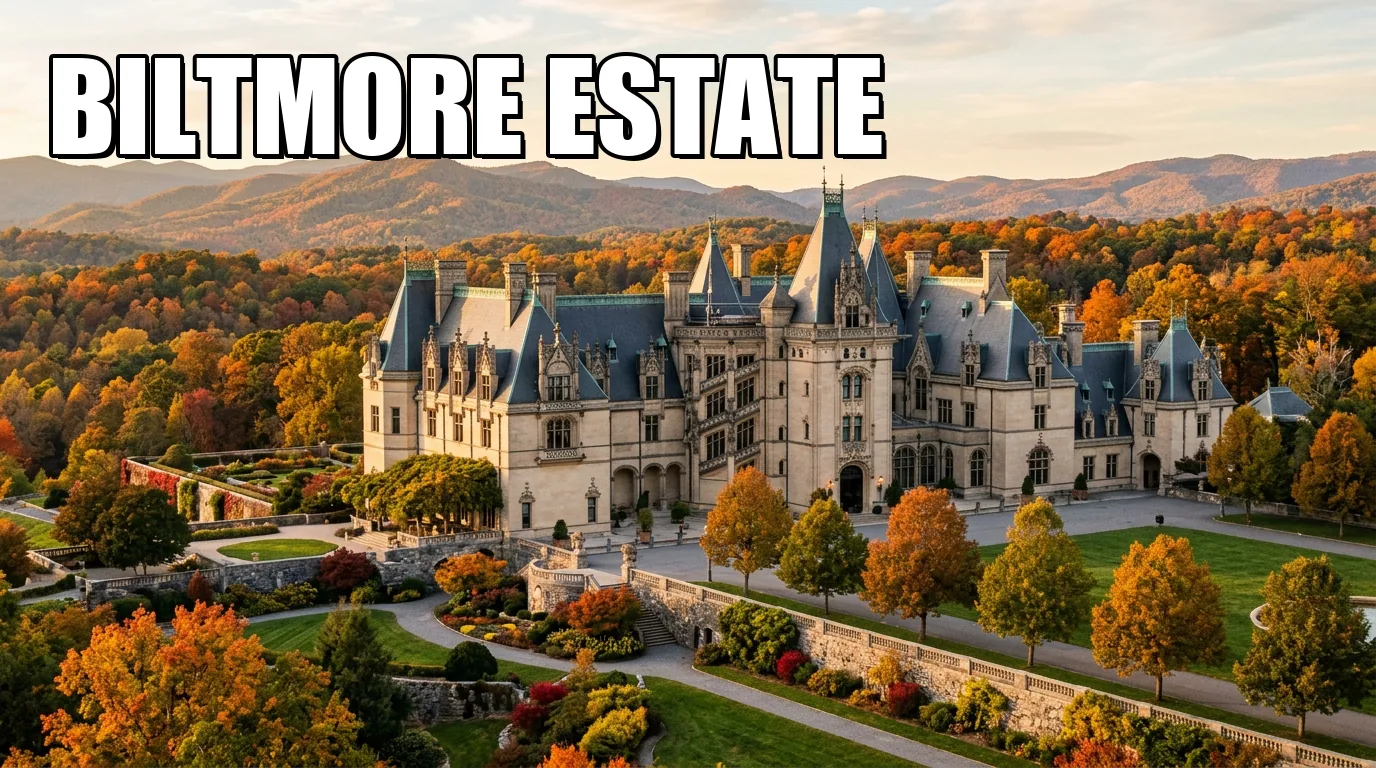
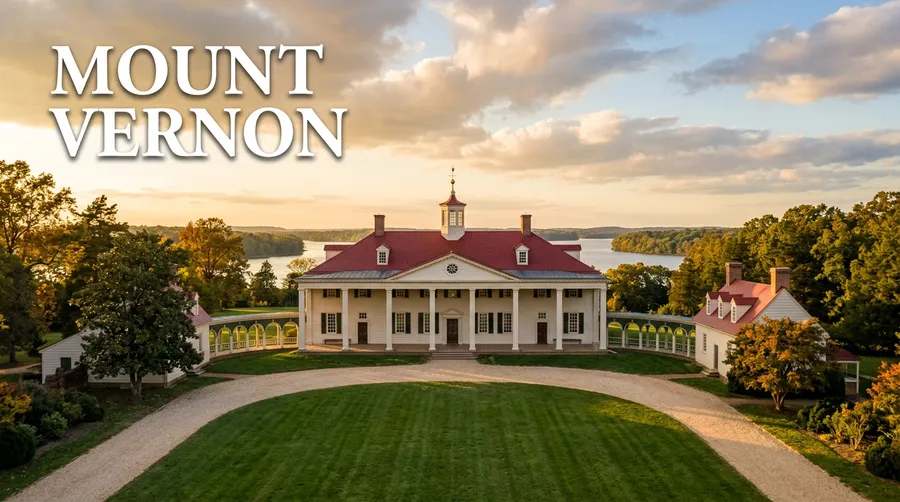
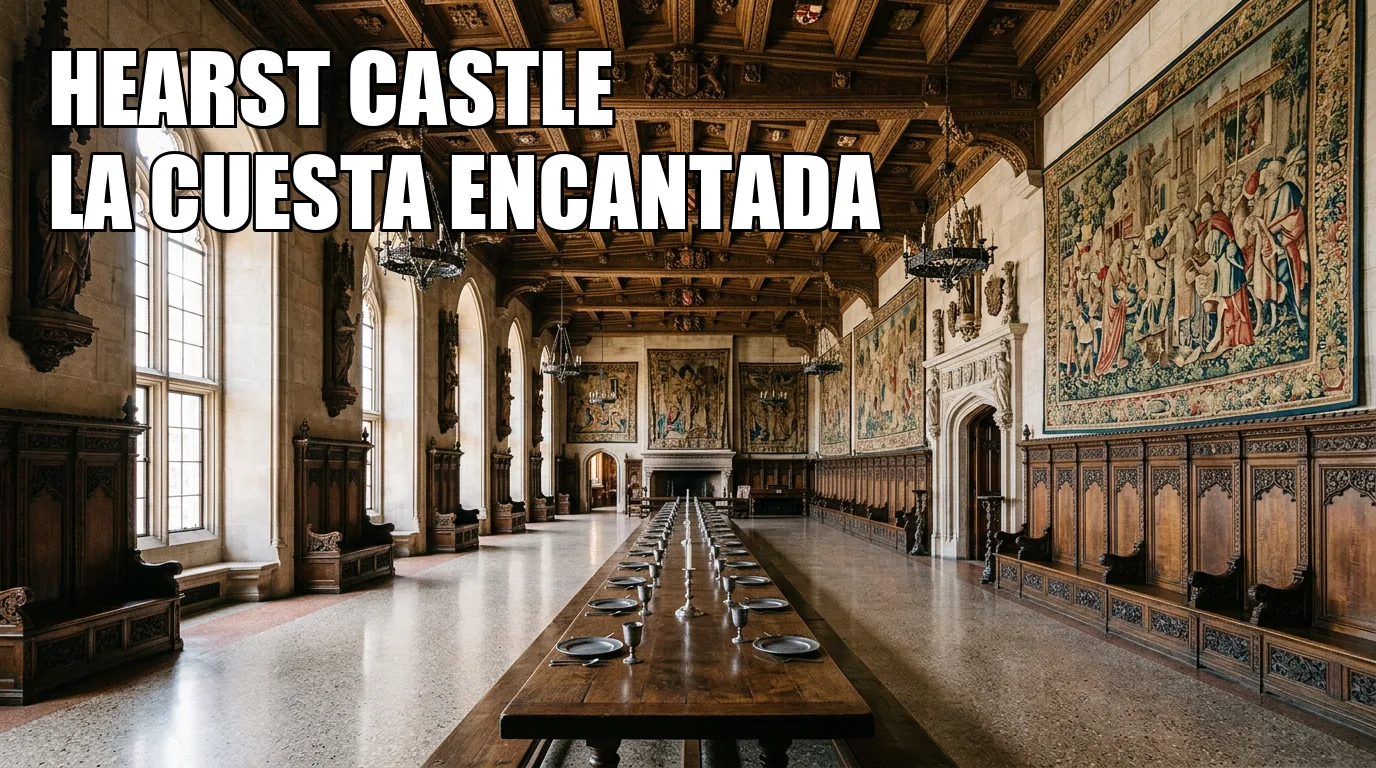
Historic Mansions Worth Building a Weekend Around
Start with the estates and mansion properties that still justify tickets, routing, and a real visit, not just a mood-board detour.
Timeless Treasures: Your Guide to U.S. Historic Sites and Landmarks
What makes a site historic?
A site is deemed historic when it is officially designated by the U.S. Secretary of the Interior for its exceptional value in illustrating or interpreting the heritage of the United States.
What makes something a historical site?
A place qualifies as a historical site if it meets one or more National Register criteria—such as association with significant events or persons—and retains integrity of location, design, materials, workmanship, feeling, setting, and association.
What are the 7 aspects of historic integrity?
The seven aspects are location, setting, design, materials, workmanship, feeling, and association.
How long until a building is considered historic?
Buildings are generally considered historic once they reach at least 50 years of age.
What is considered a historic land?
Historic land includes any parcel or district that is listed in—or eligible for—the National Register of Historic Places due to its significance in American history or culture.
What is the definition of a historic property?
A historic property is any district, site, building, structure, or object included in or eligible for inclusion on the National Register of Historic Places.
Can you sell a historic building?
Yes; historic designation does not prevent sale, though buyers should be aware of any preservation easements or local landmark restrictions.
What does historic mean in real estate?
In real estate, historic means the property is recognized at the federal, state, or local level for its historical, architectural, or cultural significance and may be subject to preservation guidelines.
Can I renovate a historic home?
Yes; renovations are allowed but typically require review and approval by preservation authorities to ensure work maintains the property’s historic integrity.
How old does something have to be to be vintage?
Items generally qualify as vintage once they are at least 20 years old, with some categories using a 30-year threshold.
What is the best time of year to visit historic sites?
Spring and fall offer mild weather, blooming landscapes, and smaller crowds, making them ideal for visiting historic sites.
How much does it cost to enter national historic sites?
Entrance fees vary by site but typically range from free to about $35 per vehicle for National Park Service–managed landmarks.
Do I need tickets or can I walk in?
Most sites allow walk-in visits, but popular or ticketed landmarks may require advance reservations or timed-entry passes.
Are historic sites accessible for people with disabilities?
Accessibility varies, but many national and state historic sites provide ADA-compliant routes, exhibits, and services.
Can I take photographs or fly drones at historic landmarks?
Photography for personal use is usually permitted; drone use often requires a special permit from site management due to safety and preservation concerns.
Why This Page Exists
Maison builds place guides to help readers plan a real visit or understand a real site. When a page makes present-day access, booking, or visitor claims, those details are revised against public-facing source material and editorial review. For the wider standards behind that work, see methodology.
The Cornerstone Brief
One historic place, once a week — what it is, why it matters, whether it's worth going. No filler, no paid placements.
Coming soon. Unsubscribe any time.
We use cookies to enhance your experience. By continuing to visit this site you agree to our use of cookies.