Stepping onto the manicured grounds of a Southern plantation used to be, for many, an exercise in romantic escapism. The grand columns, the sweeping vistas, the lingering scent of magnolias – it was easy to get swept up in a narrative that often glossed over the brutal realities that built such opulence. But in 2025, that narrative is undergoing a seismic shift, one I’ve watched unfold with both trepidation and immense hope. Across Louisiana, South Carolina, and Virginia, these historic sites are finally beginning to peel back the layers of myth, revealing the profound humanity and devastating experiences of the enslaved people whose forced labor created this wealth. The question for the discerning traveler, then, isn't just "which plantation should I visit?" but "which plantation is truly ready to tell the whole story?"
Louisiana's Digital Vanguard: Rewriting History with Every Tap
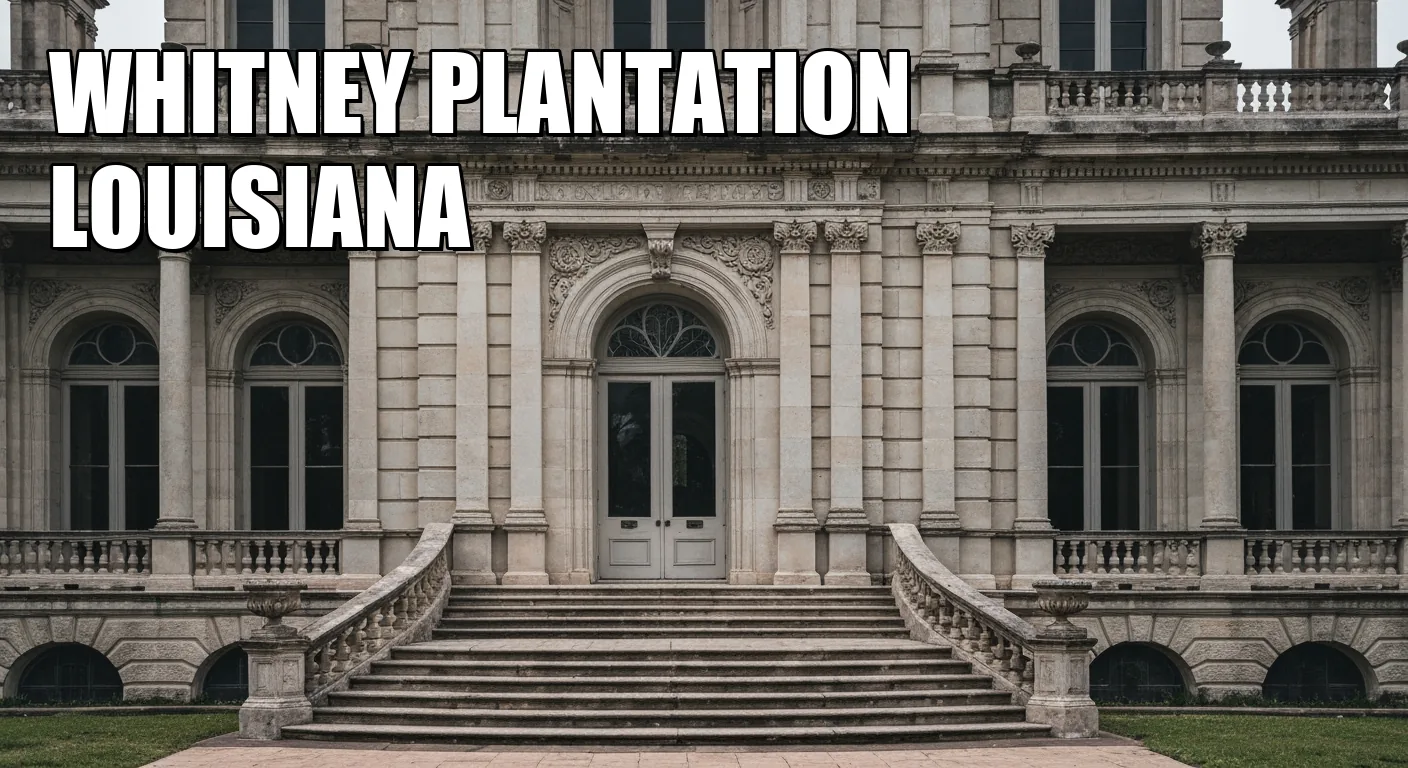
If you're seeking a benchmark for how historical interpretation *should* evolve, look no further than Louisiana. This state has truly embraced the digital age as a tool for ethical storytelling, pushing boundaries other regions are only just beginning to contemplate. What makes sites like Whitney Plantation so compelling isn't merely the architecture – though it is striking – but its unwavering commitment to centering the enslaved experience. Their award-winning multilingual audio tour, for instance, isn't just an add-on; it's the very backbone of the visit, co-created with the Director of Education, ensuring every voice you hear, every detail you absorb, comes from a deeply researched and empathetic perspective. You won't find yourself admiring the "Big House" without understanding the profound human cost that sustained it.
Just down the road, the Oak Alley Foundation has quietly unveiled something truly groundbreaking: the Oak Alley Slavery Database. This publicly accessible digital archive lists every enslaved individual on the plantation, transforming anonymous figures into verifiable people. Imagine the power of that for genealogical research, for memorialization! It’s an act of radical transparency, dismantling the convenient anonymity that once shrouded these histories. Now, while Laura Plantation offers digital booking and immersive audio narration in both English and French, it hasn’t quite leaped into the more advanced realms of augmented reality or descendant-led virtual tours. It’s a good step, certainly, but still lags behind its more innovative neighbors in fully harnessing immersive tech to connect visitors with the past in truly unexpected ways. When planning your trip, consider booking these popular tours online well in advance, especially if you're aiming for a weekend visit in spring or fall, to avoid disappointment and lengthy queues.
Unearthing Southern Stories: South Carolina's Measured Progress
South Carolina's approach to this historical reckoning feels, at times, more deliberate, perhaps even a bit cautious compared to Louisiana's bold moves. Yet, significant progress is clearly underway, especially in their development of integrated self-guided exhibits within former slave cabins. Take Historic Brattonsville: their newly renovated Brick House exhibits are being digitized with interactive kiosks, crucially co-designed by descendant advisors. This isn't just window dressing; it's a profound recognition that the most authentic historical narratives often come directly from those whose families lived through it. Their "Liberty & Resistance" exhibit, which recounts Captain James Williams's Reconstruction leadership, stands as a powerful testament to this collaborative, descendant-vetted process. Expect to spend a full day here to truly absorb the depth of their offerings, and remember that summer visits can be oppressively hot, making spring or late fall the ideal times for comfort.
Middleton Place, a site often lauded for its stunning gardens, now offers the "Beyond the Fields" walking tour, a mobile-friendly interpretive app that guides you to understand the broader landscape of enslaved labor, moving beyond the superficial beauty. They've also received an NEH SHARP grant, a significant federal investment, to revamp exhibitions, promising future digital displays on rice cultivation and the complex skillsets of the enslaved. Then there's Boone Hall Plantation, famous for its picturesque Avenue of Oaks. While it maintains robust online resources, its real stride is in developing a Gullah Geechee virtual presentation, collaborating with local descendant speakers. This collaboration is vital; it moves beyond academic interpretation to celebrate living culture and direct lineage. However, one can't help but notice the juxtaposition: Boone Hall hosts around 130 weddings annually, each costing a minimum of $25,000. This raises an uncomfortable question about the commodification of a site built on human suffering. It’s something to ponder as you walk its beautiful, yet deeply conflicted, grounds.
Virginia's Quiet Reckoning: Finding Voices in the Old Dominion
Venturing into Virginia, the digital engagement at many plantation sites feels nascent, a landscape of promising seeds rather than fully bloomed initiatives. Yet, even in its quietude, there's a profound shift. At Reynolds Homestead, the partnership with a Rock Spring Descendants Committee isn't merely symbolic; they co-produce virtual Juneteenth events, streaming them online, ensuring descendant voices are amplified and centered in the storytelling. This is critical because it moves beyond mere acknowledgment to active collaboration, turning history into a living, evolving narrative. You might not find elaborate AR installations here, but you will find an authenticity born from direct community engagement. The admission fees are usually modest, and parking is generally plentiful, making it an accessible visit that offers a different, more intimate perspective.
Similarly, the Booker T. Washington National Monument effectively uses interactive touchscreen modules and video installations to reconstruct enslaved labor practices on an 1850s tobacco farm. It’s a powerful, tangible way to understand the grinding daily routines and the sheer physical effort that defined plantation life. Belle Grove, meanwhile, incorporates QR-code-driven site maps that link to short biographies, like that of Judah, an enslaved cook. While this offers a glimpse into individual lives, it hasn’t yet scaled to full virtual tours. This uneven digital landscape across Virginia means that your experience will vary significantly from site to site. Don't expect the same high-tech immersion you'd find in Louisiana; instead, prepare for a more traditional, yet increasingly sensitive, guided experience.
The Price of Memory: Ethical Footprints and Economic Realities
Beyond the narrative shifts and technological advancements, a crucial, often overlooked, dimension of these evolving tours is their ethical and economic impact on local communities. How does one reconcile the tourism revenue generated by sites of immense suffering with a genuine commitment to justice and remembrance? Ethical engagement is increasingly defined by descendant partnerships. Reynolds Homestead and Historic Brattonsville stand out, with their descendants committees and family vetting of exhibition texts. This fosters trust and shared authority, moving beyond token gestures to truly embed community voices into the interpretation. In fact, the Mellon-supported African American Cultural Heritage Action Fund awarded five $200,000 stewardship grants in 2025, empowering descendant-led organizations, including several plantation sites, to develop robust interpretation plans and build their capacity. This is about more than just telling a story; it's about empowering the storytellers.
The economic outcomes are, admittedly, more complex. While Whitney’s digital initiatives and expanded programming have led to a 20% increase in annual visitation, bolstering the regional tourism economy and creating seasonal employment for descendant-community guides, Boone Hall's high-profit wedding business presents a different picture. Can a site dedicated to commemorating slavery truly honor that history while simultaneously commodifying its aesthetic for lavish celebrations? It’s a question that visitors, and the sites themselves, must grapple with. Federal funds, channeled through initiatives like the NEH SHARP and NPS Reconstruction Network affiliations, are certainly aiding preservation and exhibit modernization at places like Brattonsville and Middleton, indirectly supporting local contractors and educators. However, the path to truly reparative economic distribution, ensuring that the wealth generated by these sites benefits descendant communities directly, remains a significant, and often contentious, challenge.
What a "Tour" Means Now: Confronting the Past, Shaping the Future
So, what does all this mean for your 2025 visit to a historic plantation site? It means preparation. It means arriving with an open mind, ready to engage with stories that might challenge your preconceptions and stir uncomfortable emotions. The days of purely picturesque tours are, thankfully, receding. Instead, you'll encounter spaces increasingly dedicated to critical reflection, community collaboration, and sustainable economic benefit for local and descendant populations. Expect more interactive elements, more direct quotes from those who suffered, and a profound sense of gravity. These tours are becoming less about admiring architecture and more about understanding systemic injustice, human resilience, and the enduring legacy of American slavery. It’s not always an easy experience, but it is, without a doubt, a necessary one. Plan for a minimum of three hours at most comprehensive sites; allow yourself time to process what you’ve seen and heard. And remember, the best months to visit are typically spring (April-May) or fall (September-October), when the weather is mild and the crowds slightly less intense than peak summer months.