
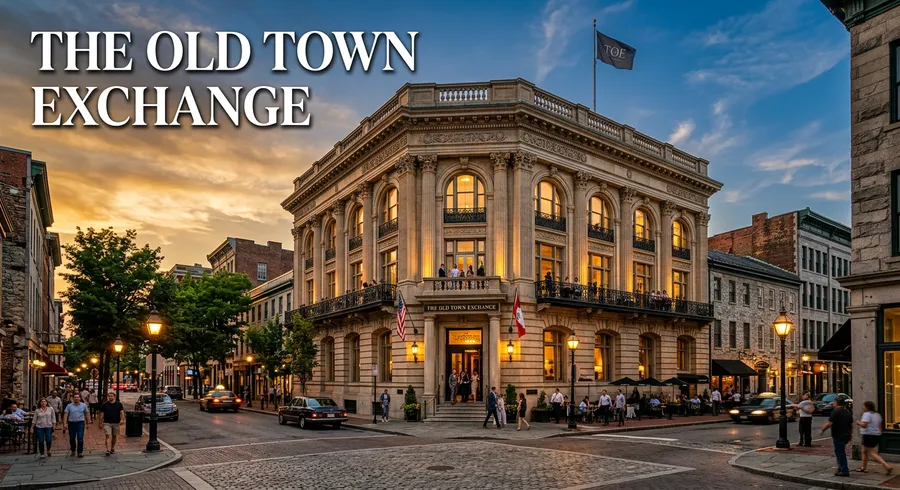
There's a palpable magic in America's historic downtowns, isn't there? That sense of stepping back in time, imagining horse-drawn carriages on cobblestone streets, or picturing families gathering in grand, century-old commercial buildings that once bustled with industry. Yet, the story of these places today is rarely about static preservation; it’s a dynamic, often contentious saga of reinvention, where the past grapples vigorously with the present.
For decades, many of these architectural treasures, from once-stately bank buildings to the occasional repurposed urban mansion, languished. They were victims of suburban sprawl and economic shifts, left as shells of their former glory. But an interesting phenomenon has taken hold across the United States: a spirited drive to breathe new life into these aged cores, transforming them into vibrant, modern spaces while striving to respect their inherent historical character. The success, however, is anything but uniform, and what appears on the surface often hides layers of intentional strategy, unexpected outcomes, and sometimes, uncomfortable truths.
The Art of Repurposing: Giving Old Structures a Second Act
What happens when a grand old building, perhaps a former hotel from the turn of the 20th century or a sprawling commercial block, finds itself obsolete? The easy answer, and often the destructive one, is demolition. But a growing movement favors what planners call adaptive reuse—the imaginative process of transforming historic structures for entirely new functions, breathing fresh life into them without erasing their past. Consider the SCP Redmond Hotel in the Pacific Northwest, a project that leveraged substantial urban renewal funds to preserve its historic fabric. This wasn't just about renovation; it was a deliberate act of economic catalysis, drawing in more investment and shaping the surrounding district.
In Bellingham, Washington, Daylight Properties has taken this concept to an impressive scale, transforming over two dozen historic buildings into mixed-use hubs. Imagine exploring a former department store now housing boutique retail, artist studios, and perhaps even some residential lofts upstairs. These aren't isolated incidents; they’re part of a larger trend, often enabled by flexible urban planning. Cities like Redmond, for instance, have consolidated a dozen downtown zones into just three, expanding "missing middle housing"—a range of housing types that fall between single-family homes and large apartment buildings—and streamlining review processes. This kind of nuanced form-based zoning, which prioritizes a building's physical shape and its relationship to the street rather than its precise use, is instrumental in allowing these old spaces to adapt while maintaining a cohesive urban aesthetic.
Yet, the magic of adaptive reuse isn't without its challenges. While it preserves heritage and incubates creative enterprises, the very success of these projects can drive up property values. Areas like Seattle's Pioneer Square, despite their renewed vibrancy, increasingly see rising rents threaten the very artist-led venues that contributed to their initial charm. It's a delicate balance: how do you revitalize without inadvertently sterilizing the unique character that drew people in the first place?
Behind the Curtain: How Policy Shapes Your Downtown Experience
Ever wondered why some revitalized downtowns feel more organic, more lived-in, than others? It often comes down to the subtle interplay of zoning reform and public-private partnerships—forces that, while seemingly arcane, profoundly shape your experience as a visitor. Take Portland, Oregon's Central City Code Amendments. By relaxing height and floor area ratio (FAR) limits in specific nodes, the city effectively incentivized a mix of housing and ground-floor retail. This means as you wander through Portland's core, you're more likely to encounter a fascinating blend of older, preserved buildings next to newer developments, all designed to encourage pedestrian activity and diverse shopping opportunities.
Then there's the power of the public-private partnership (PPP), where government and private entities pool resources to tackle ambitious projects. These aren't just about grand gestures; they can be as granular as façade grants and interest-free loans for small businesses, as seen in LaFayette, Georgia. Or they can be transformative, like Chattanooga, Tennessee's rerouting of a major highway to reconnect its downtown to the riverfront, funding new parks and concert venues through a blend of municipal bonds and private philanthropy. This single, audacious project boosted Chattanooga's downtown nighttime economy by an astounding 30%, making it a vibrant destination for travelers seeking evening entertainment.
In the Midwest, Michigan's Revitalization and Placemaking Program effectively marries tax increment financing (TIF) with state grants. A TIF works by using the anticipated increase in property taxes from a redeveloped area to fund the redevelopment itself. Paired with state funds, this strategy has been crucial for redeveloping century-old properties, often blending affordable and market-rate units to foster mixed-income downtowns. When you visit places like these, you're not just seeing old buildings; you’re witnessing the tangible result of intricate financial and policy maneuvers designed to create a vibrant, albeit sometimes still evolving, urban fabric.
Cultural Tourism: A Blessing and a Burden for Local Authenticity
The allure of a vibrant street festival, a jazz night in a historic square, or a bustling public market selling local wares is undeniable. Cultural tourism is often hailed as the engine of downtown revitalization, drawing visitors and their dollars to historic districts. Seattle's Downtown Activation Plan, for example, successfully boosted foot traffic by 13% at events like Pioneer Square Jazz Night. Portland's Rose Festival, and the eagerly anticipated James Beard Public Market, similarly promise to bolster culinary tourism, connecting historic market traditions with experiential retail.
But here's what many travel guides won't tell you: this very success often comes at a significant cost to local authenticity. While pedestrian counts increase, so do property values and rents. In parts of Pioneer Square and Old Town Seattle, the rising tide threatens to displace the very artists and independent businesses that gave these districts their unique edge. The same story plays out along Chattanooga's picturesque riverfront, where rising commercial rents have pushed out legacy retailers. What was once a local haunt can quickly become a curated experience, losing some of its soul in the process. When you visit, actively seek out the smaller, less flashy businesses—the hole-in-the-wall eateries or artisan shops that might not be prominently featured in official tourism brochures. These are often the last bastions of true local culture.
Navigating the Gentrification Gap: What Your Expectations Won't Cover
Every guidebook paints a rosy picture, but the reality of a revitalized downtown often presents a complex tableau. My travels have shown me that while these areas burst with new energy and amenities, they frequently grapple with an uncomfortable truth: gentrification. This isn’t merely about new coffee shops replacing old diners; it’s a systemic shift where rising property values and rents, fueled by investment and tourism, push out long-standing businesses and low-income residents. For instance, commercial vacancy in Portland’s downtown still hovers above 25%, even amidst increased pedestrian traffic. This tells a story of businesses struggling to adapt, or simply being priced out, despite the renewed footfall.
In many Midwestern towns, while small-business survival rates soar after major revitalization projects—Cambridge, Ohio, saw its historic core's survival rate jump to 85%—the displacement of low-income residents often remains unaddressed. The charm you admire, the beautifully restored facades, might mask a quiet exodus of the very community members who once gave the area its character. So, when you’re planning your visit, question the glossy images. Look beyond the main thoroughfares. Are there still diverse businesses, or has it become predominantly high-end boutiques and chain stores? Being a conscious traveler means acknowledging these undercurrents, perhaps by supporting businesses committed to local hiring or community engagement.
Your Traveler's Compass: Making the Most of America's Reimagined Downtowns
How, then, does one genuinely experience these dynamic, evolving historic downtowns? First, timing is critical. If you crave the electric buzz of festivals and events, plan your trip around specific dates—say, Portland's Rose Festival in June, though be prepared for crowds and higher accommodation costs. However, if your goal is to soak in the architectural details and interact with locals, aim for weekdays or off-peak seasons, perhaps late spring or early fall, when the weather is pleasant and the throngs have thinned. Parking, almost universally, is a beast in these dense urban cores. Many cities, like Seattle and Portland, have robust public transit systems; embrace them to save yourself the typical $20-30 daily garage fee and endless frustration.
When you arrive, don't just stick to the obvious tourist trails. Seek out the 104-year-old buildings like Cambridge's Midtown Market, which have been repurposed into co-working spaces and food halls—these offer a real taste of local entrepreneurship and community. Engaging with these spaces provides a richer insight into the city's living history than merely observing facades. Beyond that, be aware that many districts, despite their progress, still grapple with outdated regulations. This can mean that the really interesting, pop-up style retail or outdoor activations you might expect in a 'revitalized' area are still harder to find than you'd imagine. The best experiences often lie in discovering these pockets of innovation and resilience, understanding that the process of renewal is never truly finished, but always unfolding.