Film & TV Locations

Beyond the Frame: Real Movie Magic Across the US

For years, I've chased ghosts. Not the spectral kind, mind you, but the echoes of cinematic genius, the lingering scent of old celluloid on windswept locations, and the tangible sense of history where legendary scenes unfolded. There’s a particular thrill, almost a pilgrimage, in standing exactly where a camera once rolled, capturing moments that would forever reshape our cultural landscape. Yet, what the typical travel guide won't tell you is that these hallowed grounds are rarely pristine, often fraught with practical challenges, and sometimes reveal a much grittier truth than the polished final cut. What does it truly mean to visit a film location? It's more than just a selfie; it's an exercise in imagination, a chance to peel back layers of time, and to understand the sheer human effort—and sometimes, the outright absurdity—that goes into creating movie magic. My aim here isn't merely to list places, but to offer a deeper understanding, a sense of "why" these spots matter and what they genuinely offer the intrepid traveler seeking a connection to the silver screen.

Hollywood's Gaze from Griffith Observatory: More Than Just a View

Stepping onto the terraces of the Griffith Observatory, the sprawling expanse of Los Angeles shimmering below, one instantly feels the weight of Hollywood’s ambition. It’s a vista that screams cinematic potential, and indeed, it’s best known to many as the stage for *Rebel Without a Cause*. Standing here, you can almost hear James Dean’s anguished cries, feel the raw adolescent energy that defined a generation. It’s an intoxicating atmosphere, a confluence of science, art, and pure, unadulterated angst. Few realize the monumental gamble Warner Bros. took during *Rebel's* initial production. The studio, suddenly aware of James Dean's burgeoning stardom, scrapped every frame of existing black-and-white, 4:3 ratio footage. Imagine that: throwing away weeks of costly work to restart *everything* in glorious color CinemaScope, just to elevate a rising star. It speaks volumes about the cutthroat, intuitive nature of Hollywood in the 1950s, a decision that cemented not only Dean’s legacy but also the observatory’s iconic status within film history. You'll still find a bronze bust of Dean on the grounds, a quiet testament to a star whose flame burned too bright, too fast. For the curious visitor, plan your trip for a weekday morning, ideally outside of summer, to avoid the worst of the crowds. Parking can be a nightmare, so consider ride-sharing or public transport from the base of the hill. The entry to the observatory grounds is free, though planetarium shows have a fee. Expect to spend at least two hours soaking in the history and the views.

Bodega Bay's Unsettling Calm: Where Hitchcock's Horrors Took Flight

Venturing north to Bodega Bay, a picturesque coastal town in California, you're greeted by a tranquility that feels almost *too* perfect. Seagulls wheel overhead, fishing boats bob gently in the harbor, and a gentle fog often curls in from the Pacific. It's idyllic, almost quaint – until you remember Alfred Hitchcock’s *The Birds*. Suddenly, every squawk seems a little more menacing, every shadow a little longer. This is the genius of the location: its inherent peacefulness is utterly betrayed by the horrors unleashed upon it. What’s often omitted from casual retellings is the sheer brutality of Tippi Hedren’s experience during filming. She was, quite literally, attacked by live birds for five grueling days, despite assurances of mechanical props. A seagull once gashed her lower eyelid, narrowly missing her eye. This wasn't merely a demanding role; it was a deeply traumatic one, exacerbated by Hitchcock's infamous control and harassment. Visiting Bodega Bay now, you can appreciate its beauty, of course, but you're also walking through the echoes of a profound human ordeal. The faded yellow schoolhouse and the quaint general store are still there, largely unchanged, allowing you to vividly imagine the terror. Consider a visit during the spring or fall to enjoy milder weather and fewer tourists. The town is small, and walking allows for better exploration; remember that specific filming locations like the schoolhouse are private property, so respect boundaries.

Monument Valley: John Ford's Majestic Canvas, Forged by Audacity

There are places on Earth that don't just inspire movies; they *demand* them. Monument Valley, straddling the Arizona-Utah border, is one such place. Its towering sandstone buttes and vast, silent expanses are so inherently dramatic, so quintessentially "American West," that they feel like they were carved by a celestial set designer. It was here that John Ford found his muse, transforming this remote corner of the Navajo Nation into the definitive backdrop for Westerns, starting with 1939's *Stagecoach*. The story behind Ford's discovery of Monument Valley is as thrilling as any film plot. Harry Goulding, a desperate trading post owner during the Great Depression, took his last $60 and a stack of photographs to Hollywood, essentially camping in a studio executive's office until Ford saw his vision. This audacious gambit, driven by pure survival, not only saved Goulding’s trading post but also launched Ford's legendary career there. Ford was so enamored, he even hired a local Navajo medicine man to "control the weather," specifically asking for "pretty, fluffy clouds"—a whimsical detail that perfectly encapsulates the blend of myth and meticulousness inherent in filmmaking. While the valley is now a popular tourist destination, often bustling with jeep tours, the sheer scale of the landscape still humbles. Early morning, as the sun paints the Mittens with soft light, is the best time for photography and to truly feel the solitude that captivated Ford. The Monument Valley Navajo Tribal Park charges an entrance fee per vehicle, typically around $20-$25, and local guided tours are highly recommended for cultural insights.

Point Dume's Primal Revelation: Discovering Humanity's Folly

Imagine scrambling over jagged rocks at low tide, the scent of salt and seaweed in the air, to reach a secluded cove in Malibu. This is Point Dume State Beach, also known as Pirate's Cove, the dramatic setting for one of cinema's most famous twists: the final scene of *Planet of the Apes*. For Charlton Heston’s bewildered Taylor, it was the realization he’d been on Earth all along, signaled by the ruined Statue of Liberty. For the audience, it was a gut punch, a profound commentary on humanity's self-destruction. The logistical challenges of filming this iconic moment were considerable. The crew had to construct a massive 70-foot scaffolding to hold scale mock-ups of the Statue of Liberty's torch and crown, all in a spot only accessible during specific tidal windows. It wasn't CGI; it was ingenuity and grit. Standing on that beach today, the Pacific crashing just as it did in 1967, one can still feel the primal shock of Taylor's discovery. It’s a powerful spot, less about the spectacle (the statue was largely a matte painting anyway) and more about the visceral feeling of a world turned upside down. To truly experience it, check tide charts and plan your visit for low tide; otherwise, access to the cove is cut off. Parking can be found at the top of the bluff, with a short, scenic walk down. There's usually no direct admission fee for the beach itself, but parking meters might be in effect.

Alcatraz Island's Chilling Authenticity: More Than Just a Prison

Alcatraz isn't just an island; it's a monument to grim fortitude and desperate hope, a cold, unyielding rock that looms ominously in the San Francisco Bay. Its cinematic fame rests heavily on *Escape from Alcatraz*, Clint Eastwood’s stoic portrayal of Frank Morris’s impossible breakout. The film, shot on location, benefits immensely from the prison's palpable atmosphere, a chill that seeps into your bones long after you’ve left. What truly strikes you about the production of *Escape from Alcatraz* is the sheer commitment to authenticity, and the physical toll it took. The cast and crew endured bitter cold and harsh conditions for three and a half months. Before a single scene could be shot, producers invested a staggering $500,000 to renovate the dilapidated prison, even reconnecting its electricity supply. But here’s what typical guides often miss: the painstaking care taken by set designers to preserve Native American graffiti and art from the 1969-71 occupation of the island. They used water-soluble, peel-able paint, ensuring this crucial cultural layer of Alcatraz's complex history wasn't erased for Hollywood. This act of respect underlines a deeper appreciation for the island’s multifaceted past, beyond just its infamous inmates. Visiting Alcatraz demands foresight; ferry tickets sell out weeks, sometimes months, in advance, especially during peak season (summer and holidays). Expect to pay around $40-$50 for the ferry and audio tour, and allocate at least three hours for the full experience. Dress in layers; the bay winds are notoriously brisk.

Marin County Civic Center: Frank Lloyd Wright's Leaky Future

Frank Lloyd Wright’s Marin County Civic Center is a marvel of mid-century modern design: sweeping arches, circular motifs, and a serene blue roof that seems to melt into the sky. It's an unexpected choice for the futuristic, genetically stratified world of *Gattaca*, but its organic, almost utopian aesthetic lent the film a unique, slightly retro-futuristic feel. It’s a place that asks you to consider the intersection of nature, human ambition, and architectural philosophy. Filming here, however, was far from the seamless vision presented on screen. The building, still a functioning government office during production, leaked extensively. Imagine the absurdity: a crew trying to maintain consistent lighting for a sleek sci-fi film, only to have buckets emerging from various offices to catch water cascading through the ceiling every time it rained. Production designer Jon Hutman candidly noted these "constant obstacles," a testament to the unexpected challenges of location shooting even in such a grand setting. It's a reminder that even architectural masterpieces have their mundane flaws. Most of the interior computer room scenes were actually shot on sound stages, a practical decision to circumvent the working building's quirks. When visiting, remember it’s an active government facility; be respectful of employees and their privacy. Much of the striking exterior and accessible public spaces can be admired without disruption. No admission fee exists, but guided architectural tours might be available through local historical societies.

The Bradbury Building: A Blade Runner's Gothic Cathedral of Light

Downtown Los Angeles holds many secrets, but few are as captivating as The Bradbury Building. An architectural gem from 1893, its soaring atrium, intricate ironwork, and sun-drenched staircases create an almost ethereal quality. It's no wonder Ridley Scott chose it as a key location for *Blade Runner*, transforming its Victorian grandeur into a dystopian, noir-infused vision of the future. The building doesn't just feature in the film; it *becomes* a character, an atmospheric anchor in a world of rain-slicked neon. Scott faced immense challenges bringing his vision to life within this historic, fully operational building. The fragile iron railings and ornate details were sacrosanct; nothing could be touched or altered. Production designer David Snyder resorted to meticulous, old-school techniques, measuring every inch with calipers to build set pieces that *fit perfectly adjacent* to the building without making contact. Look closely in the film, and you can still spot the minuscule gap between the constructed sets and the real architecture. The crew worked exclusively from 6 PM to 6 AM, dancing around the building's daytime occupants, and even had to contend with rain *inside* the building during night shoots. This constant friction even led to a legendary "T-shirt war" between Scott and his crew, a rare glimpse into the human tensions beneath the cinematic spectacle. The Bradbury is publicly accessible during specific hours (usually 9 AM to 5 PM weekdays, shorter hours on weekends), though access to upper floors is often restricted. It's free to enter, but please maintain a respectful silence and avoid disrupting the working offices. These locations, each imbued with their own cinematic spirit, offer more than just a photo opportunity. They provide a tangible link to the magic and the madness of filmmaking, allowing us to step out of the everyday and into the stories that have shaped our collective imagination. Go forth, explore, and let the real histories behind the silver screen unfold before your very eyes.

Cinematic Destinations: Your Guide to Movie Filming Locations Across America

What is the most famous movie filming location?
Alcatraz Island in San Francisco Bay is among the most iconic, famous for 'Escape from Alcatraz' (1979), while Monument Valley on the Navajo Nation in Utah-Arizona has been featured in countless Western films since the 1930s.
What was the first movie filmed on location?
Herald Square (May 11, 1896) filmed by Edison assistant William Heise in New York City was the first motion picture shot on location intended for screen projection.
Where were most films shot before the 1920s?
Early silent films were primarily shot in New York, New Jersey, California, and emerging film hubs like San Diego, Miami, and Jacksonville, Florida, with outdoor locations and studio backlots becoming increasingly popular.
How do movies find filming locations?
Productions employ location scouts who analyze the script, search for potential sites matching the visual requirements, and document locations with photographs and detailed descriptions before presentations to directors and producers.
Do actors practice kissing before filming?
Yes, modern productions employ intimacy coordinators who choreograph and practice kissing and intimate scenes with actors to ensure safety, comfort, and professionalism on set.
How are filming locations chosen?
Locations are selected through collaboration between location scouts, managers, directors, and production designers based on script requirements, budget constraints, safety considerations, and visual aesthetic needs.
Who finds locations for movies?
Location scouts and location managers work together; scouts evaluate and document potential sites while managers handle negotiations, permits, insurance, and logistical coordination with property owners and local authorities.
Who decides where movies are filmed?
The director and production designer provide the creative vision, while location managers and scouts recommend options; final decisions involve collaboration between producers, the director, and production teams considering budget and feasibility.
What are the best U.S. filming locations to visit as a tourist?
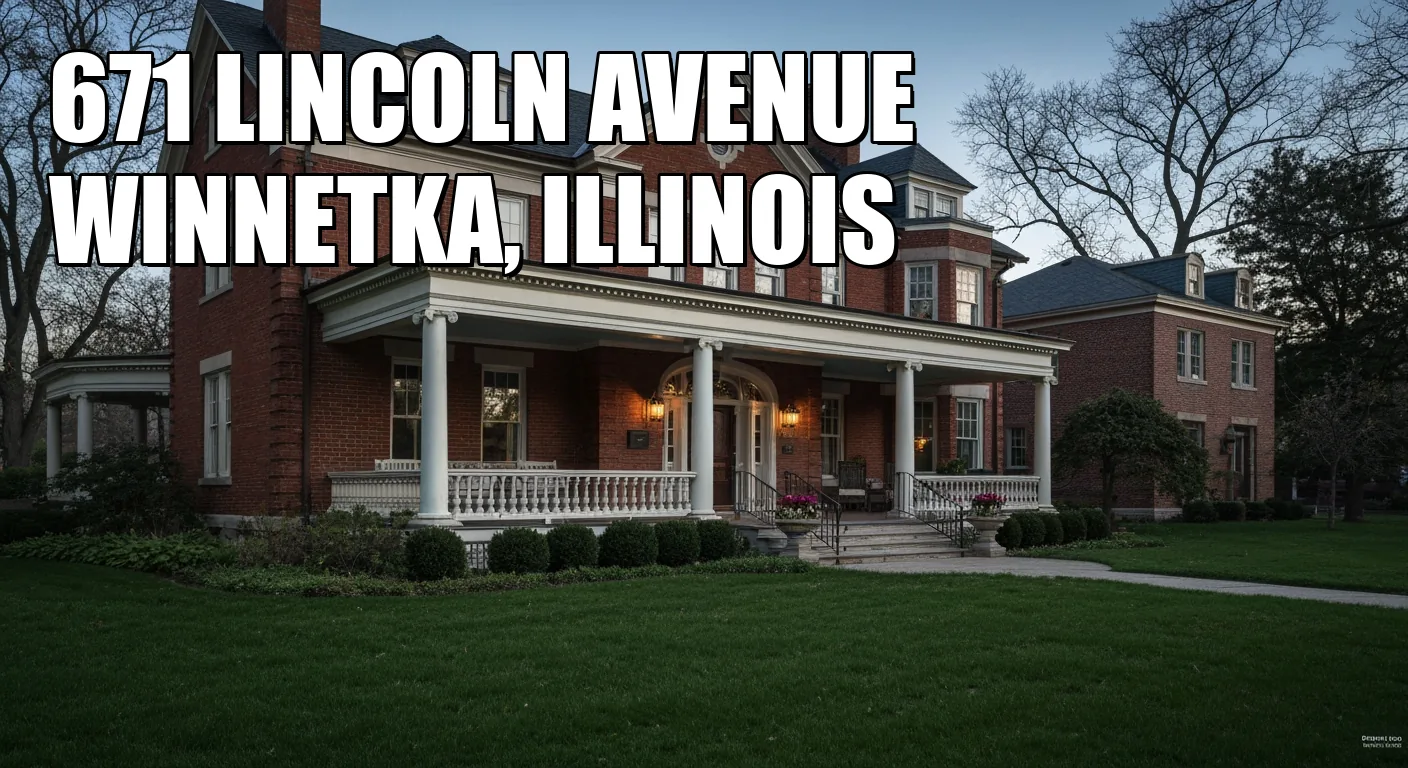
Popular destinations include Central Park in New York City, Griffith Observatory in Los Angeles, Monument Valley in Utah-Arizona, Alcatraz Island in San Francisco, the Home Alone house in Winnetka Illinois, and various backlots in Los Angeles.
How much does it cost to visit famous filming locations?
Public locations like Central Park are free to visit; guided tours range from $8-$80+, studio tours cost $69-$220, and specialized film location tours typically cost $30-$150 per person depending on duration and exclusivity.
Do I need permission to visit and photograph filming locations?
Public locations require no permit for personal photography; however, commercial filming requires permits from local film offices, and private properties need owner permission regardless of purpose.
What filming location tourism trends are popular in 2025?
Set-jetting—travel specifically to visit movie and TV filming locations—has become a major trend in 2025, with visitors increasingly seeking immersive experiences at locations from their favorite films and shows.
Which movie filming location is most visited by tourists?
Central Park in New York City is among the most visited, featured in over 300 films and TV shows; other highly visited locations include Alcatraz Island and Hollywood landmarks like Griffith Observatory and the Bradbury Building.
Can you visit active filming locations?
Visiting active film sets is generally restricted; however, some productions offer public observation areas, and film commissions occasionally organize set visits for scheduled productions.