
Beyond the Hype: Unpacking Colonial Hip Roof Homes
Have you ever truly looked at a roof? Not just admired its shape, but considered its purpose, its challenges, its inherent statement? For me, the hipped roof in colonial American architecture isn't merely a structural element; it's a silent declaration of status, a testament to evolving craftsmanship, and sometimes, a practical concession. This isn't about rote descriptions you'd find in a standard tourist pamphlet. My travels across the Eastern Seaboard have taught me that to grasp the essence of these grand old homes, one must appreciate the subtle dances between ambition, available technology, and sheer will. We’re delving into a style that shaped early America, revealing insights most visitors—and even some guides—blithely overlook.
### Mount Vernon: Where Grandeur Met George Washington's Pragmatism
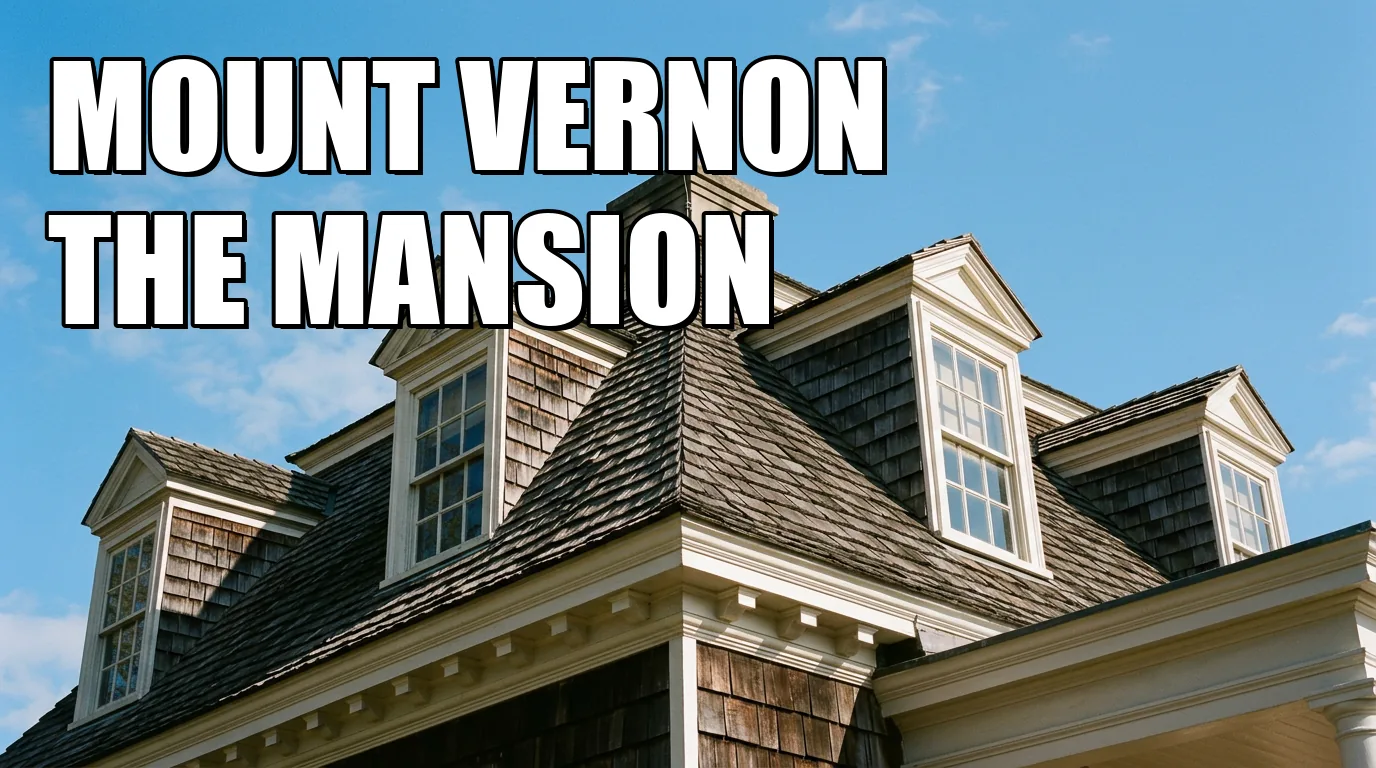
Stepping onto the expansive grounds of Mount Vernon, George Washington's iconic plantation, one is immediately struck by its commanding presence overlooking the Potomac. Many marvel at its scale, the expansive piazza, or the intricate details within. But for me, the real story begins above, with that magnificent roof. Often mistaken for a true mansard due to its prominent dormers, Mount Vernon’s hipped roof is a fascinating study in architectural evolution and practicality. The original core, built in 1734 by Augustine Washington, began modestly enough, but it was George Washington himself who, between 1758 and 1774, dramatically expanded and refined the estate, essentially acting as his own architect. He envisioned a sophisticated country seat, and the roof, with its complex dormer arrangements, became a key player in asserting this verticality and elegance.
What few realize, however, is the subtle compromise embedded in that very roof. While the sophisticated dormer windows and octagonal cupola—topped by its gilded dove of peace—speak to aspiration, the material itself tells another tale. During the 1790s, the original slate blue shingles were replaced with red-painted wooden ones, a decision driven largely by cost savings. Imagine that: the nation's first president, a man of immense stature, making a pragmatic choice for his home's most visible feature. It grounds the legend of Washington, reminding us that even the most esteemed figures faced budget realities. Visiting Mount Vernon, especially during the shoulder seasons of spring or fall, avoids the intense summer crowds and allows for a more reflective experience. If you go, make sure to look closely at the roofline; it’s a silent, enduring witness to Washington's layered legacy, both grand and grounded. The Mansion Revitalization Project, which began in January 2023 and is slated for completion in September 2026, promises to ensure this iconic structure stands for generations, but it also means certain areas might be temporarily impacted.
### The George Wythe House: A Williamsburg Gem, Unburdened by Hype
Just a few hours south, nestled within the meticulously restored Colonial Williamsburg, stands the George Wythe House. Unlike the sweeping panorama of Mount Vernon, this residence, constructed between 1752 and 1754, presents a different kind of architectural triumph: one of understated elegance and impeccable craftsmanship. Richard Taliaferro, the credited architect and builder, created a Georgian-style home that, to my eye, often gets overshadowed by the more dramatic narratives of Revolution and grand public buildings in the colonial capital. Yet, it's precisely its restraint that makes it so compelling.
The hip roof here, pierced by two robust interior brick chimneys, is less about ostentation and more about structural harmony and fine detailing. Observe the modillioned cornice decorating the eaveline; these small, projecting blocks underneath the eaves are a classic Georgian flourish, signaling quality without extravagance. And look closely at the windows: the rubbed brick dressings and gauged brick arches are hallmarks of exceptional masonry. "Gauged brick" refers to bricks cut and rubbed to precise dimensions, allowing for incredibly tight, almost mortar-less joints in arches and surrounds—a painstaking and expensive process that speaks volumes about Wythe’s status and the skilled labor available. This attention to detail, far from being a "tourist trap" embellishment, is what truly sets it apart. While Colonial Williamsburg can sometimes feel a bit *too* perfect, the Wythe House offers an authentic window into high-status, pre-Revolutionary domestic life. For the best experience, visit during a weekday morning; you’ll have a better chance to appreciate the quiet dignity of the house without throngs of visitors. The major restoration completed by the Colonial Williamsburg Foundation in 1939 ensured its current pristine condition, opening to the public in 1940 and preserving a critical piece of American legal history, as Wythe was a mentor to Jefferson and Marshall.
### Tryon Palace: A Phoenix from the Ashes in New Bern
Imagine a grand royal palace in colonial America, a symbol of British authority and opulence, only for it to be utterly consumed by fire. This is the dramatic narrative of Tryon Palace in New Bern, North Carolina. Begun in 1767 and completed in 1770, under the watchful eye of architect John Hawks, the original palace was a breathtaking example of Georgian architecture, designed to impress—and perhaps intimidate—the colonists. Its grand hipped roof, adorned with elegant dormers, crowned a symmetrical five-part composition: a central block flanked by hyphens and wings. This layout, common in grand European estates, conveyed an unmistakable message of formal authority and wealth.
The palace's dramatic demise in a fire in 1798 left a void that wasn’t filled for over a century and a half. What stands today, rebuilt between 1952 and 1959 based faithfully on Hawks’ original drawings, is a testament to historical ambition and the desire to resurrect a lost icon. But here’s the rub: while meticulously reconstructed, it’s not the *original*. Does that diminish its value? I argue no, not entirely. It offers a unique opportunity to experience what a colonial royal governor's residence *looked* like, and to contemplate the immense effort involved in such a project, both then and now. The reconstruction itself is a modern historical achievement. My advice for visitors: approach Tryon Palace not as an untouched relic, but as a powerfully informed re-creation. Consider what it means to rebuild history from drawings; it’s a different kind of historical immersion, one that invites contemplation on authenticity. The public opening on April 8, 1959 marked a significant moment for North Carolina, returning a symbol of its colonial administrative past.
### Stratford Hall: An H-Plan Anomaly in Virginia's Landscape
Venturing further into Virginia’s Northern Neck, one discovers Stratford Hall, a home that defies easy categorization and stands as a formidable architectural statement. Built approximately between 1738 and 1740, under the direction of Thomas Lee, its architect remains tantalizingly unknown, though Richard Taliaferro is often speculated. This anonymity adds a layer of mystery to an already extraordinary structure. The house's ambitious H-shaped plan is visually striking, composed of two symmetrical three-bay hipped roof end blocks. But what truly commands attention are the distinctive twin sets of four-clustered chimney stacks, joined with decorative arches and balustraded roof decks, creating a silhouette unlike any other Virginia plantation house.
The hipped roofs here are integral to the H-plan's dramatic visual impact, especially when viewed from a distance, rising majestically above the high basement. The sophisticated brick geometry, utilizing a Flemish bond—where headers (short ends) and stretchers (long sides) of bricks alternate in each course, creating a strong, decorative pattern—further enhances its grandeur. Unlike many of its contemporaries, Stratford Hall doesn't shy away from a bold, almost fortress-like aesthetic. It conveys an authority that feels more ancient, more enduring. Its relative isolation, compared to, say, Colonial Williamsburg, means fewer crowds, allowing for a more profound connection with its history and the powerful Lee family legacy it embodies. When planning your visit, allocate ample time. This isn't a quick stop; it's an immersive dive into a unique architectural vision. The restoration efforts directed by architect Fiske Kimball in the 1930s-1940s, which included careful reconstruction of exterior stairs and window sashes, were pivotal in preserving its eighteenth-century character after its acquisition by the Robert E. Lee Memorial Association in 1929.
### Philipse Manor Hall: A Layered History in a City Setting
Our journey concludes in Yonkers, New York, with Philipse Manor Hall, a site that tells a complex story of evolution rather than singular grand design. Unlike the relatively uniform construction periods of the other homes, Philipse Manor Hall grew in stages: an initial southwest corner around 1682, a second Georgian-influenced addition around 1725, and a final enlargement around 1750. This multi-stage construction, overseen by Frederick Philipse I and II, resulted in a distinctive composite structure featuring various roof profiles, prominently including hip roof elements on its primary sections.
What makes Philipse Manor Hall so fascinating is its architectural dialogue between Dutch Colonial characteristics, evident in its traditional stone construction, and later Georgian embellishments. It’s a building that absorbed influences over time, much like the changing colonial landscape itself. The French Rococo fireplace and papier-mâché ceiling, added during the 1750s, are particularly surprising, revealing a taste for high European fashion in what began as a more utilitarian colonial manor. This isn't a pristine example of *one* style, but a living document of architectural adaptation. Its history as Yonkers City Hall from 1863-1908, and its rescue from demolition by the American Scenic and Historic Preservation Society in 1911, speak to its enduring civic importance. A substantial $20 million renovation project completed in 2022 has dramatically enhanced visitor accessibility and exhibits, making it an excellent time to visit. This site offers a different perspective: a colonial estate deeply integrated into an urban fabric, constantly reinventing itself. Plan your visit for a weekday to avoid potential weekend crowds, and truly take your time in the newly curated exhibits to grasp the richness of its layered past.
Reflecting on these diverse hip roof colonial homes, it becomes clear that architecture is never just about blueprints and materials. It's about aspirations, compromises, evolving tastes, and the sheer grit of those who built them. From Washington's pragmatic grandeur to the Wythe House's refined restraint, from Tryon's lost-and-found glory to Stratford's unique H-plan, and finally to Philipse Manor Hall's layered evolution, each home tells a story that transcends the simple designation of "hip roof." These are not just buildings; they are enduring narratives, waiting for you to uncover their deeper truths.
Discover American Hip Roof Colonial Masterpieces: Your Complete Visitor's Guide
What is hip roof colonial architecture and why are hip roofs important?
Hip roof colonial architecture features roofs that slope downward on all four sides toward the walls, creating a pyramid-like shape that provides greater structural stability and durability than gable roofs, particularly in areas prone to high winds or hurricanes.
What are the key characteristics of colonial architecture homes?
Colonial homes typically feature symmetrical facades, central chimneys, multi-pane double-hung windows, brick or wood clapboard exteriors, and either gable, gambrel, or hip roofs.
What is the difference between hip roofs and gable roofs on colonial homes?
Hip roofs have sloped sides on all four sides creating a pyramid shape, while gable roofs have a triangular gable end with sloped sides only on two sides; hip roofs provide better weather protection and structural stability.
Where are the best locations to visit hip roof colonial architecture in the United States?
Colonial Williamsburg in Virginia, Savannah Georgia, Philadelphia's Society Hill and Elfreth's Alley, Cape May New Jersey, Nantucket Massachusetts, Boston's Freedom Trail, and Portsmouth's Strawbery Banke Museum are among the most well-preserved colonial architecture destinations.
What colonial architecture tours are available for visitors?
Many destinations offer private architectural tours, walking tours, trolley tours, and self-guided tours; Colonial Williamsburg offers private colonial architectural tours, Newport offers colonial and Victorian architecture trolley tours, and Charleston offers guided walking tours through historic districts.
Part of 🏛 Architecture Styles
Architecture Styles
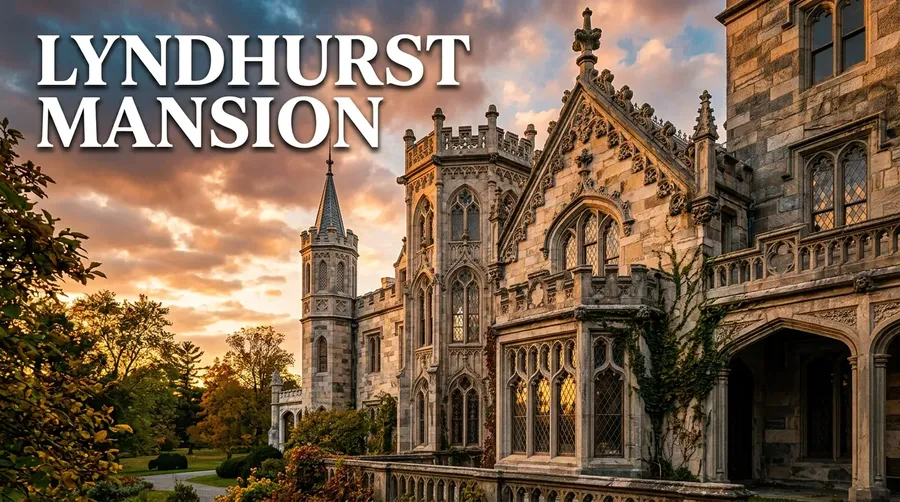
Gothic Revival Architecture: What the Street Can—and Cannot—Tell You
A three-level field test separates visible Gothic Revival evidence from a style hypothesis and the dates, authorship or alterations that require records.

Architecture Styles
Greek Revival Without Columns: A Confidence Test
Greek Revival can survive without a portico. Use roofline, entablature, entrance, wall plane, date and later alterations to state confidence.
Architecture Styles
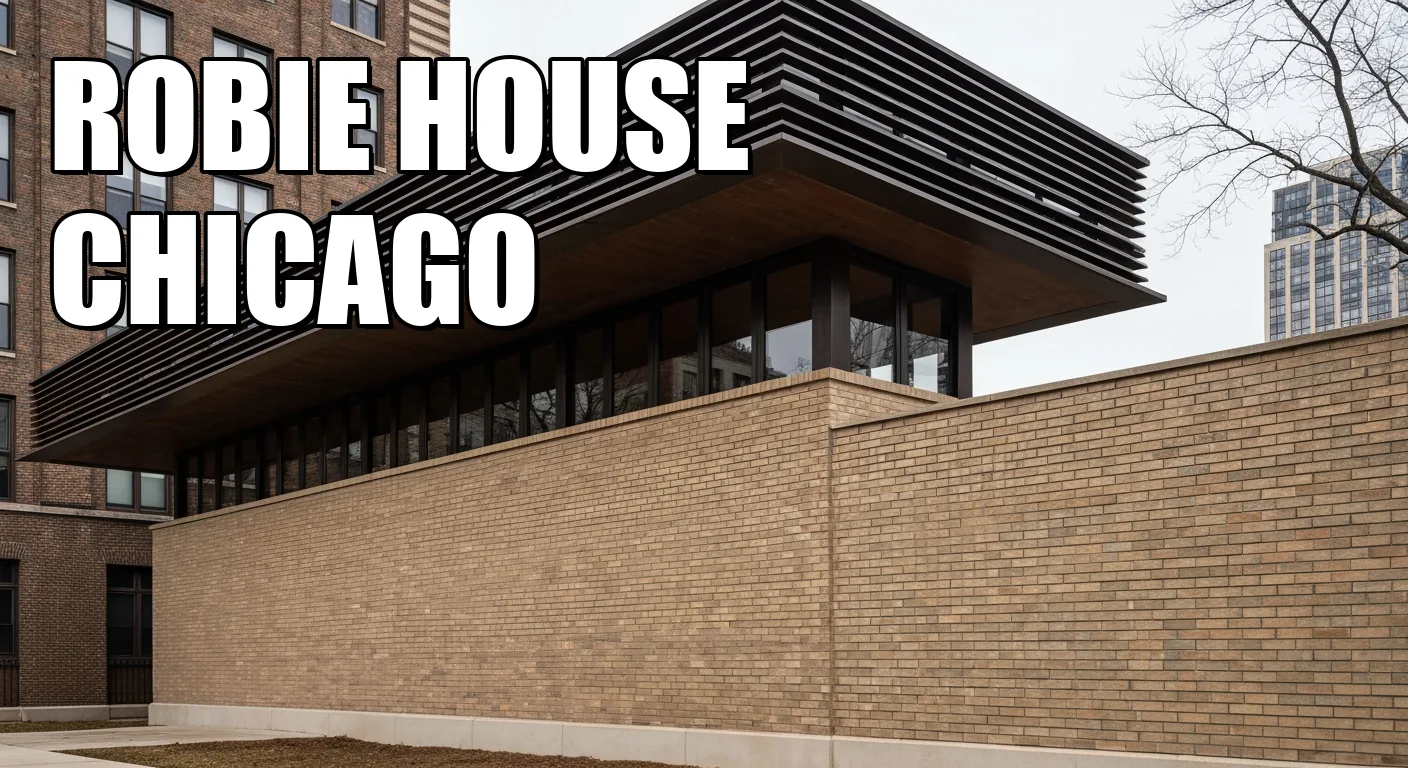
Prairie Style Architecture: How to Spot the Style in American Houses
A practical guide to Prairie Style architecture in the United States, with the roof, window, massing, and site cues readers should compare from the street.