
Beyond the bright lights and bustling marquee, the most iconic hotels of American cinema represent a fascinating intersection of real history, film magic, and unforgettable stays. These destinations — from the Stanley Hotel in Colorado that inspired Stephen King's The Shining to the Plaza in New York where Home Alone filmed — offer guests a chance to step into the frames of their favorite movies and TV shows. In 2026, many remain open, blending glamour, ghost stories, and film nostalgia in one unforgettable package. Whether you're a die-hard film buff chasing the exact locations where your favorite scenes were shot or simply looking for a luxurious, story-filled getaway with a twist of Hollywood glamour, these hotels deliver. From the fog-shrouded Stanley Hotel to the glamorous Plaza and the historic del Coronado, each location tells its own tale of cinema, culture, and the enduring power of the silver screen.
Beyond the Marquee: Iconic Hotels of American Cinema
Iconic Film Hotels: Where Cinema Meets Reality
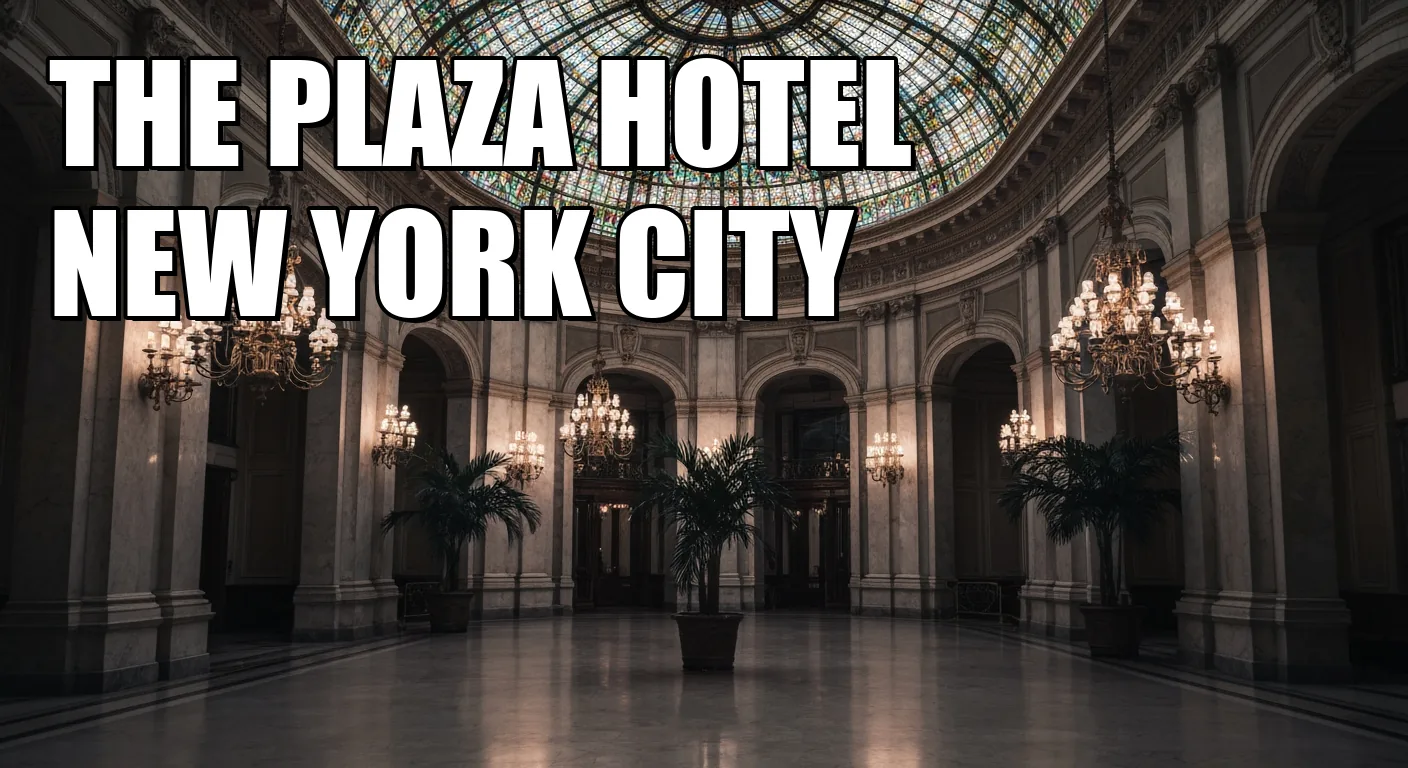
The Stanley Hotel (Estes Park, CO) — the original for The Shining — sits in the Rockies with its Victorian architecture and haunted lore. The famous room 237 is a visitor favorite, though the famous "redrum" scene was staged in England. Tours include the "Shining Walking Tour" ($30, 60 minutes, ages 8+). Prices in 2026 typically range $150–$300/night depending on season and availability. Contact: (970) 577-4110. Expansion plans noted for additional rooms by 2028, so book early to avoid construction noise. The Plaza Hotel (New York, NY) — iconic for Home Alone 2: Lost in New York and North by Northwest. The real lobby and hallways are open to the public. The famous "sundae" scene added a fun twist in filming packages. Home Alone packages start around $3,400 (4-hour limo tour + giant sundae) through Dec 31, 2026. Rooms range $500–$1,000+ for deluxe. (212) 759-3000. The hotel has hosted countless film productions over the decades, making it a true landmark. Beverly Wilshire Hotel (Los Angeles, CA) — the backdrop for Pretty Woman's famous scene. Exterior and lobby are authentic; the Vivian's suite interiors were built on a soundstage. Guests can still book rooms here, with rates ~$800–$1,000+ nightly. Packages for "Pretty Woman experiences" available upon request. The hotel's famous "I will have it" moment is still a must-see for fans wandering the halls. Hotel del Coronado (San Diego, CA) — famous for Some Like It Hot's tango scene in the grand ballroom. The historic Victorian resort is real; many interiors were set recreations. Peak season kings $750–$1,400 (holidays higher); resort fee and parking extra. Shoulder rates more affordable around $385–$700. The hotel's architecture and beachfront location make it a perennial favorite. Timberline Lodge (Oregon) — Kubrick's exterior for The Shining. The Lodge is a real National Historic Landmark with rustic charm. Rooms ~$240–$250+; bookable as a movie-lover destination with easy access to the film location. The lodge offers cozy stays with mountain views and a sense of adventure. Other notables include the Queen Mary (Long Beach, CA) — a haunted luxury liner from various films and its own legend; Chateau Marmont (Hollywood) — an A-list celebrity haunt with rates averaging $900+ and a long history of film productions. These hotels continue to serve as backdrops for new movies and as destinations for fans in 2026.Fact vs Lore: Separating Hollywood Myth from Real Stays
Many film hotels blur the line between bookable rooms and fictional sets. The Plaza and del Coronado offer real public spaces that double as film locations. The Stanley Hotel's room 237 is popular with fans but not the exact "redrum" room from the movie — it was remapped for bookable inventory. Suites for Pretty Woman were soundstage creations, so no single room number is permanently reserved. Always confirm with the hotel staff — they know which areas are real vs set. Ghost tours at haunted icons like Stanley or Chateau Marmont add an extra layer of thrill and safety. Check for any recent news on filming or renovations that might affect access in 2026.Prices, Hours, Tours, and 2026 Booking Tips
- Stanley: Tours $30; rooms $150–$300; check for construction updates from expansions. - The Plaza: Packages ~$3,400; rooms $500+; open daily, confirm 2026 rates and availability. - Beverly Wilshire: Rates $800–$1,000+; luxury packages available. - Hotel del Coronado: $385–$1,500+ depending on season; resort fee ~$52; parking extra. - General tip: Book packages for movie fans — limo tours, sundae experiences, or ghost hunts. 2026 expansions at Stanley noted; verify via official sites or apps. Many offer group tours or themed stays for special occasions like anniversaries or film festivals. Book in advance, especially during peak seasons like holidays or film-related events.Who Should Stay? Verdict for 2026 Travelers
Perfect for: Film history buffs, couples seeking romance with a twist, or anyone wanting a unique, memorable getaway with story. Not ideal for budget travelers seeking quiet — these are high-visibility, tour-heavy spots. Three scenarios: 1. Short romantic escape: Stay at The Plaza or del Coronado for glamour and location magic. 2. Movie pilgrimage with tour: Stanley for The Shining or Mountain Lake Lodge for Dirty Dancing — combine with a road trip. 3. Luxury celebrity vibe: Chateau Marmont or Beverly Wilshire for A-list energy and easy access to Hollywood. Ratings by aspect: History/Lore 9/10, Glamour/Location 8/10, Value 6/10, Accessibility 7/10. These hotels offer something for every movie lover, with plenty of ways to make your stay even more special.Frequently Asked Questions
Can I stay in a famous movie suite? Often no — many are soundstage recreations. Book the real hotel room and enjoy the location while experiencing the atmosphere.
Are there ghost tours? Yes, at Stanley, Chateau Marmont, and Queen Mary. Book in advance for 2026 events.
How do I book packages? Through the hotel's website or by calling reservations. Packages often include tours and extras — perfect for adding to your movie-themed trip.
Is the Stanley Hotel still operating in 2026? Yes, with possible expansions; confirm current rates and availability directly with them.
What is the best time to visit these hotels? Shoulder seasons for lower rates; weekends for tours and special events.
Do these hotels have film history exhibits? Many do or offer related merchandise for fans to take home.
Cinema Hotels FAQ
Home Alone Filming Locations: What You Can Actually Visit
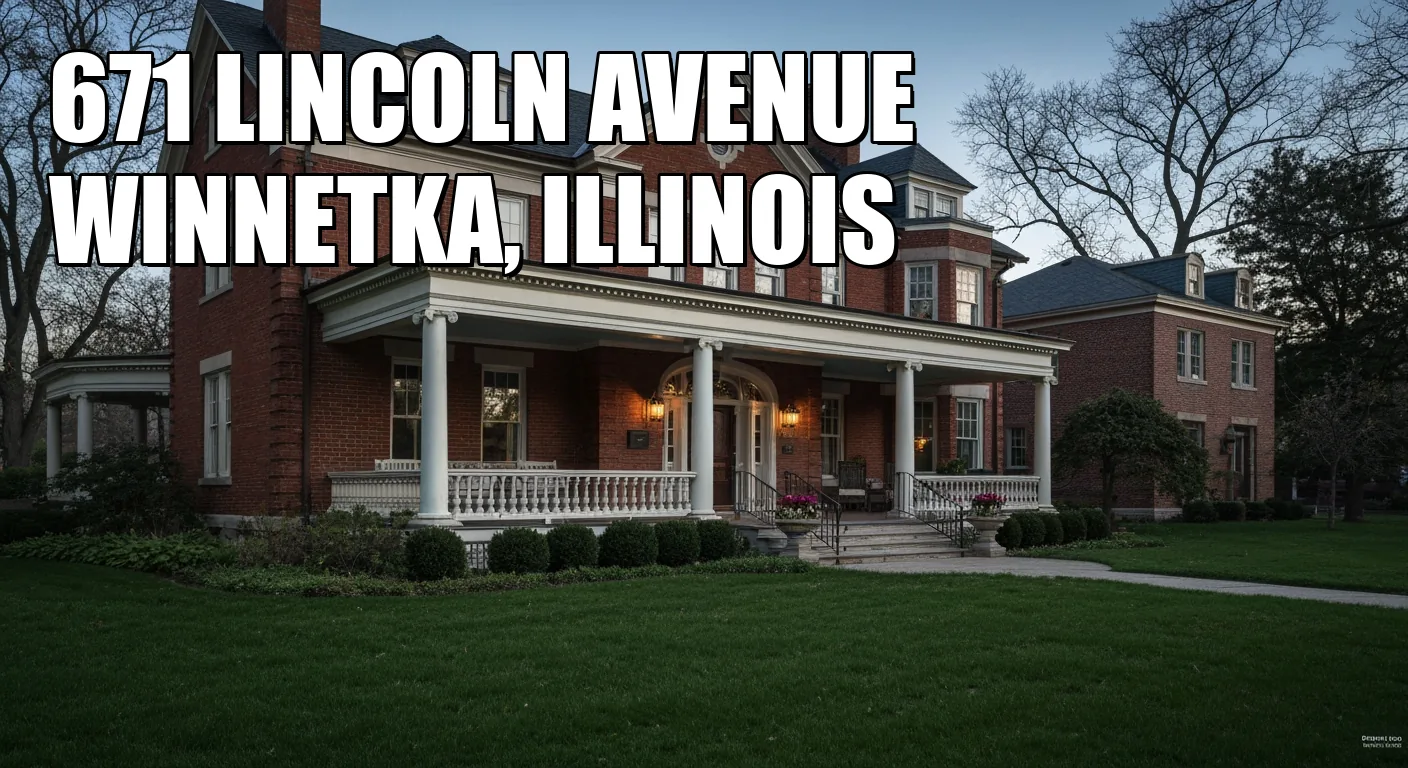
The McCallister home is split across a private Winnetka exterior, school-built interiors, two working churches, Hubbard Woods and post-security O’Hare. Here is the route that respects each boundary.

Beverly Wilshire Hotel: Pretty Woman, Suites, and Whether It Is Worth Staying
The Beverly Wilshire is the real Pretty Woman hotel, but the better question is whether Beverly Hills is the version of Los Angeles you actually want. Here is what the stay really offers.

Sopranos Filming Locations: What Still Exists in New Jersey
Five famous Sopranos stops now mean five different things: a public restaurant with a replacement booth, an opening-credits pizzeria, a private house, an uncertain club and a demolished set.
Check In After Dark
One writer checks into the rooms with the stories — Stanley 217, Banff Springs 873, the Del's 3327 — and reports what the night is actually like.