Historic Mansions

Beyond the Obvious: Revolutionary War's Hidden Gems

Forget the well-trodden paths of Boston’s Freedom Trail or Philadelphia’s Independence Hall for a moment. As the colossal 250th anniversary of the Revolutionary War’s spark approaches in 2025, a rare opportunity opens up to delve into the true grit and unexpected corners of America’s founding. My travels have taken me far beyond the glossy brochures, revealing places where the spirit of rebellion simmered, where crucial decisions were made in dimly lit taverns, and where ordinary people performed extraordinary acts. This isn't just about commemorating a historical event; it's about understanding the complex, sometimes contradictory, fabric from which our nation was woven.

For those genuinely seeking to connect with the Revolution's origins, an authentic journey requires shedding conventional wisdom. You'll find that the real story isn't always where the biggest crowds gather. Sometimes, it’s tucked away in a quiet village inn, preserved in a bullet-scarred beam, or echoed in the windswept fields of a forgotten battle. This guide isn't designed for the casual sightseer but for the dedicated explorer ready to peel back the layers of history, to challenge common narratives, and to discover the human drama that truly defined America's birth.

Beyond Boston's Cobblestones: Massachusetts' Unsung Heroes

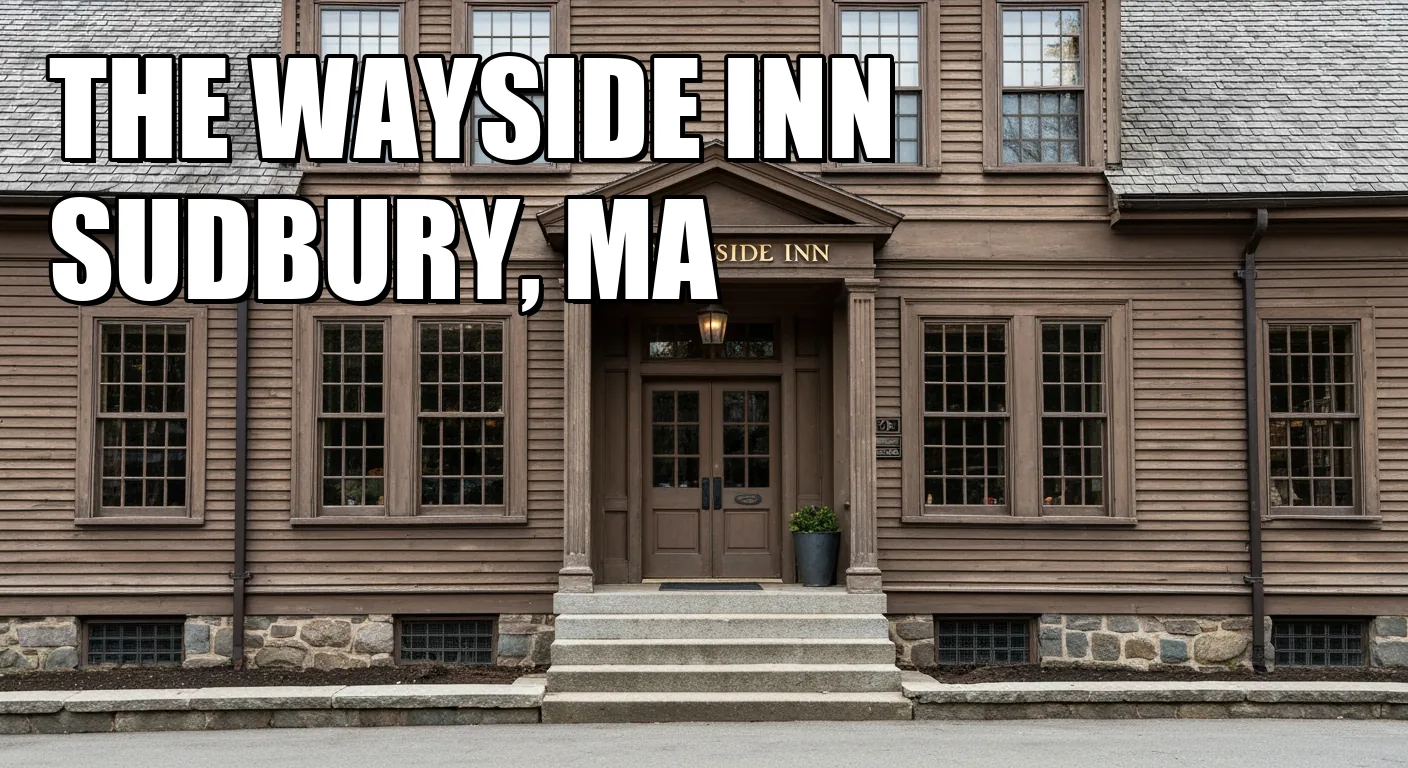
Massachusetts, for all its revolutionary fame, often confines its narrative to Lexington and Concord. But just a short drive west, the real heart of the rebellion reveals itself in unexpected ways. Consider The Wayside Inn in Sudbury, not merely America's oldest continuously operating inn (a claim that certainly holds its own charm), but a crucible where patriot sentiment brewed. Established in 1716 as Howe's Tavern, this was no mere pit stop; it was a critical information nexus, a place where local farmers and tradesmen, the very backbone of the militia, gathered to exchange news and grievances before that fateful April morning in 1775. What often gets overlooked is how these seemingly mundane community hubs facilitated the rapid dissemination of revolutionary ideas, turning local discontent into a collective call to arms. The inn’s role wasn’t just passive; it was an active staging ground for dissent, fueling the revolutionary fervor that ignited the war.

Walking through its low-ceilinged, exposed-beam rooms, you can almost hear the hushed conversations of men debating British infringements. For 2025, the inn plans special Revolutionary War-themed dining, even resurrecting period cocktails like the "Coow Woow," supposedly America's first mixed drink. It's a delightful touch that brings the history to life, far more engaging than a static display. Expect dinner for two to run around $80-120, and if you’re brave enough to overnight, rooms are $250-350. Staying here isn't just lodging; it's stepping into a time capsule, a richer experience than any modern hotel could offer, even with its thoughtfully integrated accessibility features.

A few miles further, Concord offers more than just Minuteman Park. The Concord's Colonial Inn, also dating back to 1716, holds a surprisingly direct connection to the conflict. Its middle section once served as a military storehouse for American militiamen—a direct affront to British authority and a primary target for the Redcoats marching to seize weapons. Most guides mention the battles, but few emphasize the practical, logistical defiance that underpinned the colonial resistance. The inn's basement, according to local lore, was where musket balls were made, while secret upstairs rooms hosted clandestine meetings about the war's progress. This wasn't some grand council chamber; it was a humble inn transformed into a vital, secret operational base.

Beyond the strategic importance, there's a certain thrill to its visitor experience: persistent rumors of ghost sightings. While I can't personally attest to spectral encounters, it certainly adds an intriguing layer to the inn's already rich history. The three dining options, including the historic Liberty Room, provide excellent period dining for about $40-60 per person, and rooms typically range from $200-300 per night. If you're planning a visit, consider Concord’s 250th anniversary celebrations throughout 2025; arriving on a weekday morning generally avoids the biggest crowds, particularly around the pivotal April 19th commemorations.

Connecticut's Crossroads: Where a Cannonball Tells a Story

Venturing south into Connecticut, the landscape changes, but the Revolutionary echoes remain potent. Ridgefield's Keeler Tavern provides a visceral connection to the brutal realities of the conflict. This establishment, initially a loyalist stronghold, embodies the profound shift in colonial sentiment. What makes it truly unique, however, isn't just its role as a patriot gathering place or musket ball factory, but a genuine piece of wartime trauma: a British cannonball, fired during the Battle of Ridgefield on April 27, 1777, remains embedded in its northeast corner post. It's an unexpectedly stark reminder of the war’s proximity, a physical scar that no amount of interpretive text can replicate. This cannonball wasn't just a random shot; it was a direct hit on a symbol of burgeoning resistance, turning a local tavern into a monument to patriotic defiance.

The transition of the tavern from displaying King George III's portrait to becoming a patriot stronghold tells its own powerful story of shifting loyalties. Guided tours ($15-20) allow visitors to see this remarkable artifact firsthand and explore the restored colonial rooms. A word of caution: due to its historic structure, accessibility can be limited, so call ahead if you have specific needs. For a refined end to your day, the nearby Stonehenge Inn, though a 1940s colonial revival, offers a lovely dining experience that perfectly complements the day's historic immersion.

How do we connect with the human cost of the Revolution? The Nathan Hale Homestead in Coventry offers a poignant answer. This was the boyhood home of Connecticut's state hero, the young schoolteacher turned spy whose capture and execution led to his famous, defiant last words. Most people know the quote, but few understand the man behind it. Hale's story is a stark reminder of the immense personal sacrifices made by ordinary citizens who, driven by fervent belief, embraced extraordinary and often lethal risks for independence. It strips away the grandeur of battle and spotlights the dangerous, clandestine world of intelligence during the war.

The homestead’s interactive exhibits delve into both colonial life and Revolutionary War espionage, making it surprisingly engaging for families. While the grounds are partially accessible, the main house, like many historic structures, presents some challenges. Adult admission is a modest $12, with special 250th anniversary spy craft workshops costing $20-25. Visiting here forces a contemplation of the individual choices that collectively shaped a nation, offering a more intimate understanding of patriotism than any sweeping battlefield narrative.

Vermont's Maverick Spirit: A Founder's Farm and a Pivotal Battle

Moving north to Vermont, we encounter the complicated, fiercely independent spirit of Ethan Allen. The Ethan Allen Homestead Museum in Burlington, his final home near the Winooski River, provides a window into this enigmatic founding father. Allen, the charismatic leader of the Green Mountain Boys, was less a conventional military figure and more a force of nature. His audacious capture of Fort Ticonderoga on May 10, 1775, secured desperately needed artillery that ultimately helped Washington oust the British from Boston. This wasn't just a military victory; it was a bold statement of autonomy, laying the groundwork for Vermont’s unique status as an independent republic during the war.

The museum, open from May 1 to October 31, does a commendable job showcasing not just Allen's military exploits but also his philosophical writings and Vermont's rugged colonial history. It sits in a scenic riverside location, offering walking trails that invite contemplation. Admission is budget-friendly at $8 for adults, and children under 12 are free. While the Hilton Burlington offers modern comforts with views of Lake Champlain, remember that Allen himself was more about the wilderness than luxury. His story here challenges the uniform narrative of the Founding Fathers, highlighting the diverse and often clashing personalities who shaped the nascent nation.

Just across the border, but intrinsically linked to Vermont's Revolutionary identity, lies the Bennington Battle Monument Area. The actual Battle of Bennington, fought on August 16, 1777, took place in New York, but Vermont’s proximity and the active participation of its militia make this a critical stop. This engagement, where Vermont and New Hampshire militia decisively defeated British and German forces, was far more significant than its regional focus suggests. It was a crucial precursor to Burgoyne's eventual surrender at Saratoga, effectively convincing France to enter the war—a turning point that transformed a colonial rebellion into a global conflict. This isn't just a local skirmish; it's a linchpin of American independence.

The impressive 1887 monument offers panoramic views from its top (accessible by elevator), a visual testament to the importance of the event. The nearby Bennington Museum houses artifacts from the battle and will feature special 250th anniversary exhibits and reenactments. Admission is modest at $5 for the monument and $10 for the museum. Don't underestimate the significance of this site; it demonstrates how seemingly minor victories, born of local determination, could have profound international consequences.

New Jersey's Crucible: Where Washington's Daring Saved the Cause

Shifting gears to the Mid-Atlantic, New Jersey often gets overlooked in the Revolutionary War narrative, overshadowed by its larger neighbors. This is a profound mistake. The "Crossroads of the American Revolution" title is well-earned, with the state hosting over 600 battles and skirmishes. Our journey into this vital region begins at the Old Barracks Museum in Trenton, built in 1758. This is the only remaining colonial barracks in New Jersey, and its walls witnessed one of the most desperate and ultimately triumphant periods of the war. It held British and Hessian troops before Washington's audacious Christmas crossing and surprise attack on December 26, 1776. The building isn't just a structure; it's a witness to a pivotal shift in American fortunes.

What’s often missed in the heroic tales of Washington's crossing is the sheer psychological impact of this victory. The American forces were demoralized, freezing, and on the brink of collapse. Capturing most of the German soldiers stationed here provided an unimaginable morale boost, proving that the ragtag Continental Army could, in fact, win. The fully restored colonial military structure, with its period room displays and artifacts, makes this history tangible. It's a fully accessible site, costing $10 for adults, with special reenactments planned for the 250th anniversary. To truly appreciate the scale of Washington's gamble, try to visit during the holiday season for the "Ten Crucial Days" commemorations; the atmosphere is electric.

Following closely on the heels of Trenton, the Princeton Battlefield State Park commemorates Washington's crucial victory on January 3, 1777. This battle, unplanned but decisively won, cemented the reversal of American fortunes. The Thomas Clarke House on the battlefield stands as a silent observer to this dramatic engagement. These two victories, Trenton and Princeton, are often bundled together, but their individual significance should not be understated. Together, they represent the moment Washington's leadership truly shone, pulling the Revolutionary cause back from the precipice of collapse. It wasn’t just tactical brilliance; it was extraordinary resilience and daring.

Walking the battlefield trails, marked with interpretive signs, allows for a powerful connection to the events. The Clarke House offers period room tours for a small fee of $5 for adults. While the main visitor facilities are accessible, the battlefield trails themselves can be uneven, so wear appropriate footwear. The 250th anniversary will bring an array of living history programs, making a winter visit (though cold) particularly immersive. These two New Jersey sites don't just tell a story of victory; they narrate the very survival of the American dream.

Reflecting on the Whole: Philadelphia's Definitive Narrative

After a fortnight of delving into these remarkable, often overlooked sites, it’s imperative to bring all those threads together. There's no better place to do this than the Museum of the American Revolution in Philadelphia. This isn't just another historical museum; it’s a master class in comprehensive, nuanced storytelling. Its mission to include perspectives often sidelined – from enslaved people and Native Americans to women who fought for the cause – provides an essential, critical context for every individual site you’ve just experienced. What makes this museum truly exceptional is its unflinching honesty about the complexities and contradictions inherent in the Revolution, offering a far more complete picture than most traditional narratives.

The interactive exhibits are top-notch, including Washington’s actual headquarters tent, which somehow feels more profound after visiting the lesser-known sites where his generals plotted. For the 250th anniversary, the "Banners of Liberty" special exhibition, opening April 19, 2025, promises the largest gathering of Revolutionary War flags in over two centuries—a truly monumental display. Admission is $25 for adults (slightly less if you buy online), with discounts for seniors and students. Plan on allocating at least half a day, if not more, to truly absorb its rich offerings. It’s the perfect capstone, allowing for reflection on how the individual stories you’ve encountered contribute to this grand, intricate tapestry of American independence.

Practicalities for Your 2025 Revolutionary Pilgrimage

Embarking on this two-week journey requires a bit of planning, but the rewards are immense. When considering transportation, a rental car is virtually indispensable for navigating the varied landscapes of New England and the Mid-Atlantic. Many sites are not conveniently located near public transport hubs, and the flexibility of your own vehicle allows for spontaneous detours to smaller, equally fascinating local spots. Regarding accessibility, most larger sites, especially National Parks, offer comprehensive features at their visitor centers, but remember that many of the historic inns and homes, by their very nature, possess limited access due to their original 18th-century construction. Always call ahead to confirm specific accommodations for individual needs.

Let's talk brass tacks. An estimated budget for two people for 14 days, excluding flights, typically ranges from $5,800 to $8,400. This breaks down roughly to $3,500-$5,000 for accommodations, $300-$500 for historic site admissions (which can add up quickly at smaller, independently run sites), $1,400-$2,100 for dining (factoring in some historic dining experiences), and $600-$800 for a rental car. To make the most of your travel dollar, consider visiting during the shoulder seasons—late spring (May-early June) or early fall (September-October)—when the weather is pleasant, and crowds are manageable, avoiding the peak summer rush and its associated price hikes.

The 250th anniversary in 2025 promises an extraordinary array of commemorative events, making advance planning even more crucial. Key dates to be aware of, which will undoubtedly draw significant crowds and require early booking for both accommodation and event tickets, include the April 19th Lexington and Concord commemorations, the June 14th Army 250th birthday celebrations, the June 21-22 Battle of Bunker Hill reenactments, and the October 11th Navy 250th anniversary gala. These major events will be fantastic, but if you prefer a quieter, more reflective experience, consider visiting sites a week or two before or after these peak dates. Don't forget to explore the established heritage trails, like Connecticut's Revolutionary War Heritage Trail or New Jersey's Crossroads of the American Revolution, which offer curated routes to deepen your understanding and connect the dots between locations.

This isn't merely a trip through history; it's an immersive experience designed to reveal the Revolution's profound depth, far beyond the familiar figures and iconic battles. By seeking out these hidden gems, you’ll not only honor the ordinary people and strategic locations that shaped America's founding but also gain a richer, more nuanced appreciation for the complex, often messy, and utterly human struggle for independence. The 250th anniversary isn't just a date; it's an invitation to truly understand the spirit that forged a nation.

Timeless Trails: Your Guide to Iconic Historical Destinations

Famous historical places to visit
Must-see landmarks include the Pyramids of Giza, the Great Wall of China, Machu Picchu, the Colosseum, and the Taj Mahal.
What are the top 10 most historic places in the world?
Pyramids of Giza; Machu Picchu; Colosseum; Great Wall of China; Petra; Stonehenge; Angkor Wat; Taj Mahal; Alhambra; Acropolis of Athens.
What is the best historical place to visit?
The Pyramids of Giza are widely regarded as the premier historical site due to their ancient significance and architectural marvel.
Which is the most famous historical place?
The Pyramids of Giza are the most iconic and universally recognized historical landmark.
What is the most visited historical site in the world?
The Forbidden City in Beijing attracts over 17 million visitors annually.
What is the #1 most visited place in the world?
Bangkok is the world’s most visited city, welcoming over 22 million international overnight visitors.
Where is the most historical place in Europe?
The Colosseum in Rome, Italy, is considered Europe’s most historically significant landmark.
What is the #1 tourist spot in Europe?
Paris is Europe’s top destination, drawing nearly 19 million international overnight visitors annually.
Which country has the best historical sites?
Italy leads with over 60 UNESCO World Heritage Sites, the highest of any country.
Which European city has the best history?
Rome stands out for its 2 700 years of continuous urban civilization and abundance of ancient monuments.
When is the best time to visit historical destinations in the USA?
Spring (April–June) and fall (September–October) offer mild weather and smaller crowds.
How much does it cost to enter major US historical sites?
Most National Park Service sites charge $10–$35 per vehicle or offer annual passes at $80.
Do I need to book tickets in advance for popular historical sites?
Yes; sites like the Statue of Liberty, Alcatraz, and Colonial Williamsburg require timed-entry reservations.
Are guided tours available at historical sites?
Most major sites offer ranger-led or private guided tours year-round.
What should I pack for visiting historical destinations?
Bring comfortable walking shoes, water, sun protection, and a portable charger for your devices.
Are there any free historical attractions in the US?
Yes; many memorials, National Mall sites, and select state historic parks offer free admission.
How accessible are these sites for travelers with disabilities?
Most national parks and UNESCO sites have wheelchair access, audio tours, and mobility accommodations.
Can I camp near historical sites?
Yes; many national parks and nearby private campgrounds allow overnight stays within a short drive of historic landmarks.