Photo by David Thornton for Cornerstone Mansion · February 11, 2026
History, I've always maintained, isn't a static collection of facts locked away in dusty archives; it's a living, breathing narrative, constantly reinterpreted, challenged, and enriched by new discoveries and shifting perspectives. Nowhere is this more apparent than in the American Midwest, a region often overlooked in favor of the coasts, yet one that holds the very bedrock of our nation’s story—from ancient civilizations that rivaled any in the old world, to the fierce battles for human dignity and economic justice. As we approach America's 250th anniversary, a new kind of historical journey is emerging here, one that doesn't just present the past but actively engages with it, questioning its assumptions and bringing forgotten voices to the forefront with surprising technological twists.
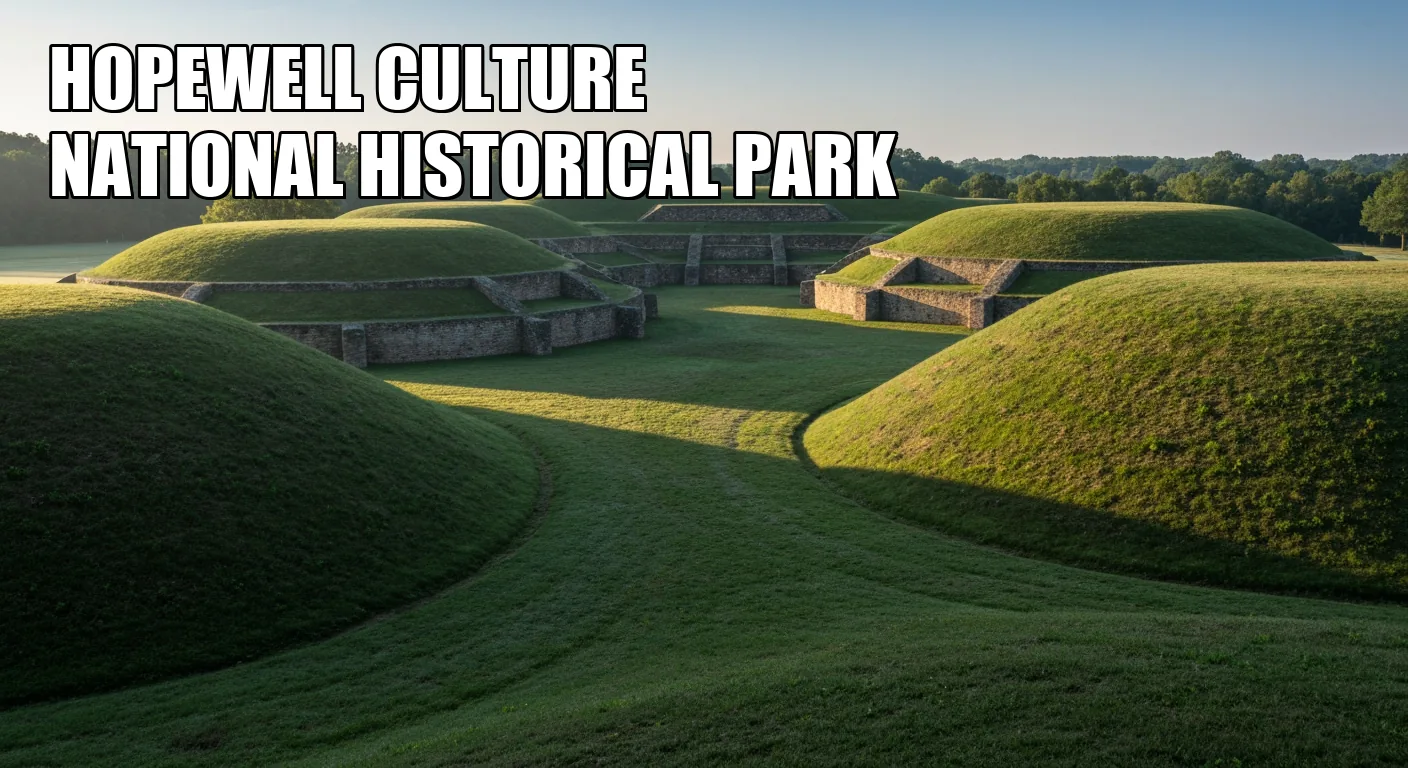
Have you ever stopped to consider how much lies hidden beneath our feet, waiting for the right tools to reveal its secrets? My recent traverse through Ohio certainly brought this home. At the Hopewell Culture National Historical Park near Chillicothe, what initially appears as a series of unassuming grassy mounds—circular and octagonal earthworks that once defined a monumental ceremonial landscape—transforms under the gaze of a modern smartphone. An innovative AR app here overlays aerial LiDAR data, a surveying method that uses pulsed laser light, directly onto your view of the landscape, making sense of millennia-old alignments with solstitial events and astronomical markers that would otherwise remain invisible to the naked eye. This isn't just a cool gadget; it’s a profound re-contextualization, allowing us to grasp the staggering astronomical and engineering sophistication of the Hopewell people, whose intricate trade networks stretched across the continent, long before European contact.
A short drive away, the Newark Earthworks—specifically the colossal Great Circle Earthwork—presents an even grander scale of pre-Columbian ingenuity, holding the distinction as the largest geometric earthen enclosure in all the Americas. Here, local initiatives like "Heritage Horizon" offer handheld tablets that don't just point out features but conjure animated reconstructions of the ceremonial gatherings that once filled these spaces, giving a palpable sense of the vibrancy and communal purpose these structures embodied. While the AR and VR tools are undeniably impressive, be sure to join a guided walk with a tribal historian if you can; their oral traditions and contemporary insights often connect the archaeological data to living cultures, offering a depth of understanding that no amount of digital overlay can fully replace. It's easy to get caught up in the tech, but the human voice, particularly from descendant communities like the Lenape and Shawnee, remains the most powerful interpretive tool.
Moving forward in time, the fight for freedom in the 19th century takes on a harrowing, immediate quality along the Ohio River. Ripley, Ohio, a quiet town that belies its dramatic past, served as a crucial gateway on the Underground Railroad. I found the new VR reenactment at the John Rankin House particularly affecting, placing you squarely in the shoes of fugitives making perilous journeys across the river. It’s a powerful experience, though it's important to remember that such simulations, while immersive, can only ever offer a glimpse of the unimaginable courage and terror of those times. It’s a delicate balance: respect for the past shouldn't be overshadowed by technological dazzle.
Continuing to Cincinnati, the Harriet Beecher Stowe House offers augmented audio guides that layer escaped-slave testimonies with local newspaper clippings, painting a vivid picture of the city’s complex role as both a crossroads for freedom seekers and a hotbed of abolitionist sentiment. Here, I appreciated how the exhibits have expanded to foreground the often-overlooked contributions of women conductors and Native American allies, broadening our understanding beyond the well-trodden narratives. If you’re looking for a truly authentic connection and a bite to eat, skip the chain restaurants; head to Camp Washington and support the local African American-owned eateries that partner with the National Underground Railroad Freedom Center for informal storytelling events. These are the places where the echoes of history feel most real, where community memory keeps the stories alive.
Shifting gears entirely, the story of America’s industrial might and the equally powerful push for workers’ rights unfolds dramatically in the industrial heartland. Chicago, a city of soaring ambition, also became a crucible for the modern labor movement. Day one in the Windy City brought me to Pullman National Monument, an extraordinary, meticulously planned company town built by George Pullman. The Pullman AR Trail app here provides a fascinating, if sometimes stark, comparison between the pristine worker housing of the 19th century and its modern iterations, prompting questions about utopian ideals versus the realities of labor control. Don't miss the newly digitized strike diaries, accessible via interactive display screens; these offer raw, unfiltered insights into the daily struggles and aspirations of the workers.
Just a day later, standing in Haymarket Memorial Plaza with an AR headset reconstructing the fateful 1886 rally felt like stepping into a pivotal, violent moment in American history. The sheer audacity of these digital tools to resurrect a past scene onto the modern streetscape is remarkable, though it’s crucial to contextualize this not as a definitive recreation, but as an interpretation. The Chicago History Museum complements this with digitized blueprints of labor hall meetings and touchscreen interfaces that, crucially, highlight the often-silenced immigrant voices in union leadership. These sites collectively challenge the simplified narrative of industrial progress, revealing the bitter struggles and profound injustices upon which much of our economic prosperity was built.
A short hop west, Detroit, the iconic Motor City, continues this narrative of industrialization and organized labor with its own unique twist. The Ford Piquette Avenue Plant, a historic gem where the Model T was born, now uses AR glasses to superimpose assembly line simulations onto the factory floor, allowing you to "see" the early days of automotive manufacturing in action. It’s a powerful way to grasp the rapid, revolutionary changes that swept through American industry. Yet, the real revelation came at the UAW Walter P. Reuther Library, where a digital archive exhibit showcases recent oral-history projects with auto workers of color. These inclusive exhibits, featuring Latino and African American assembly crews, provide a much-needed counterpoint to the predominantly white, male narratives that have long dominated the story of the auto industry, aligning perfectly with ongoing diversity initiatives.
Moving north, the land itself begins to speak of earlier, profound struggles. Green Bay, Wisconsin, isn't just about football; it's a place deeply etched with the complex and often painful history of treaty negotiations between Indigenous nations and the nascent United States. At Treaty Park, along the Fox River's edge, a mobile AR guide narrates the 1831 Treaty of Washington from both Menominee and U.S. negotiator perspectives, a surprisingly effective way to highlight the power dynamics and often-unfulfilled promises inherent in such agreements. The Neville Public Museum’s “Voices of the Forest” exhibit further enriches this by integrating recent 2024 excavation finds of Menominee council grounds, interpreting them alongside newly translated treaty texts and, crucially, Indigenous oral histories. This careful, side-by-side presentation, accessible via multilingual audio guides, offers a nuanced understanding of what was gained, and devastatingly, what was lost.
And then there's Little Bighorn, a site that, while technically west of the core Midwest, is absolutely essential for understanding the broader narrative of Native American resistance across the continent. Forget the old, one-sided military dioramas. The new Shared Histories AR program here reframes the infamous 1876 battle through the projected narratives of the Lakota, Cheyenne, and Crow, bringing their strategies and perspectives to the forefront. It’s a stark, emotional experience, and one that forces a reckoning with how history has been told, and *who* has been allowed to tell it. Collaborative site management with tribal governments ensures daily ceremonies and cultural lunches, grounding the digital experience in living culture. Be advised, however, that treating this as a "day trip" from the heart of the Midwest is a serious undertaking; expect a very long day of driving, or better yet, plan an overnight stay to truly absorb the profound significance of this landscape.
Finally, all these interwoven legacies converge in Columbus, Ohio. The Ohio Statehouse now houses an AR-enhanced mural, the "Midwest Mosaic," which masterfully traces migrations, resistance, and industrialization across the region. It's a fitting culmination, serving as a visual synthesis of the journey's themes. The closing symposium—where archaeologists, tribal elders, labor historians, and civil-rights scholars discuss how technology and inclusive curation are shaping the U.S.'s 250-year narrative—might sound a bit academic, but it truly underscores the intellectual rigor and ethical commitment driving this new era of historical interpretation.
When planning your own trip, remember that while the technology is exciting, it's not a substitute for advance preparation. Advance bookings are essential for many of these limited-capacity AR and VR sessions, especially if you're traveling during peak seasons like summer or early fall. Many sites offer private vans equipped with AR-capable tablets, which can streamline transitions between locations and provide a consistent digital experience. Don't be afraid to ask about local guides trained in trauma-informed storytelling; their presence can make an immense difference in engaging respectfully with sensitive histories. This journey isn't just about seeing; it's about *experiencing* and *rethinking*. It’s a vibrant, sometimes challenging, but ultimately deeply rewarding exploration of a region that continues to define what it means to be American.
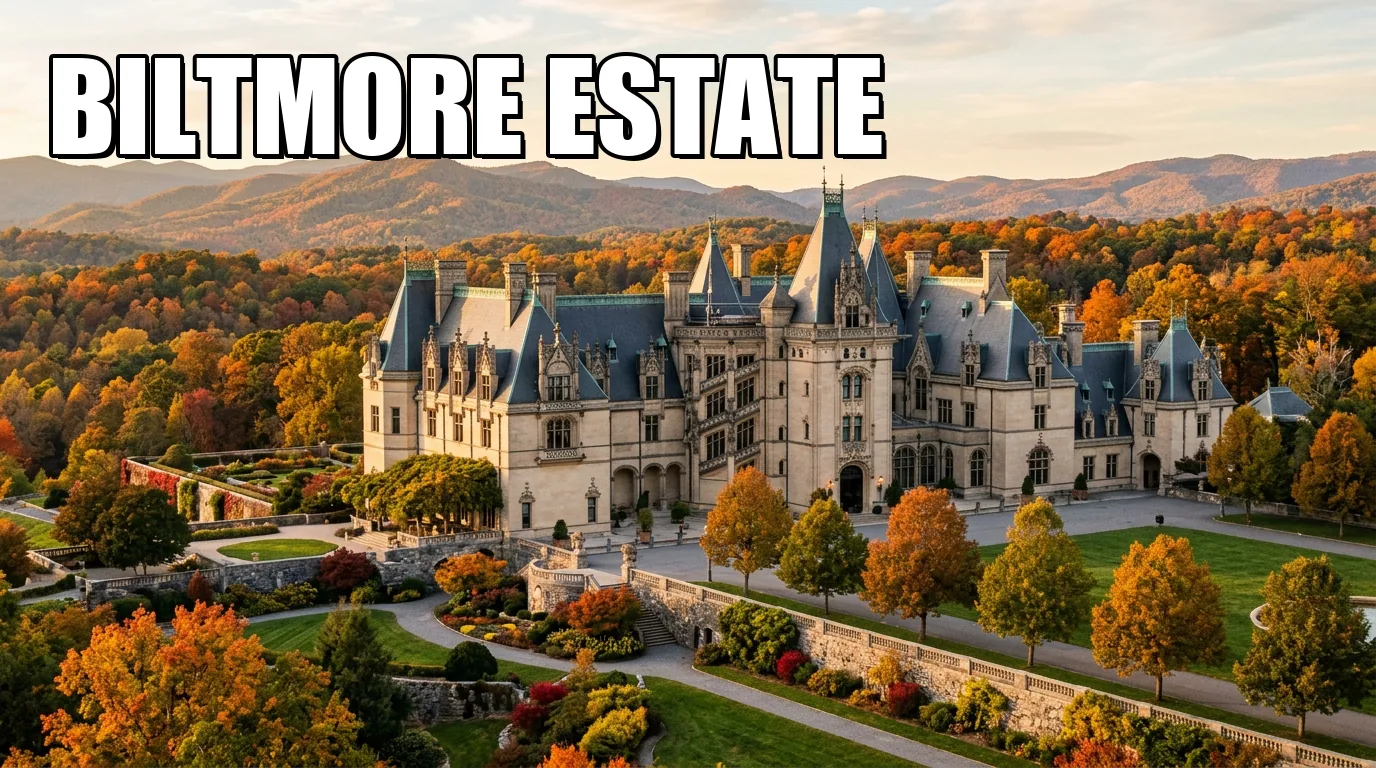
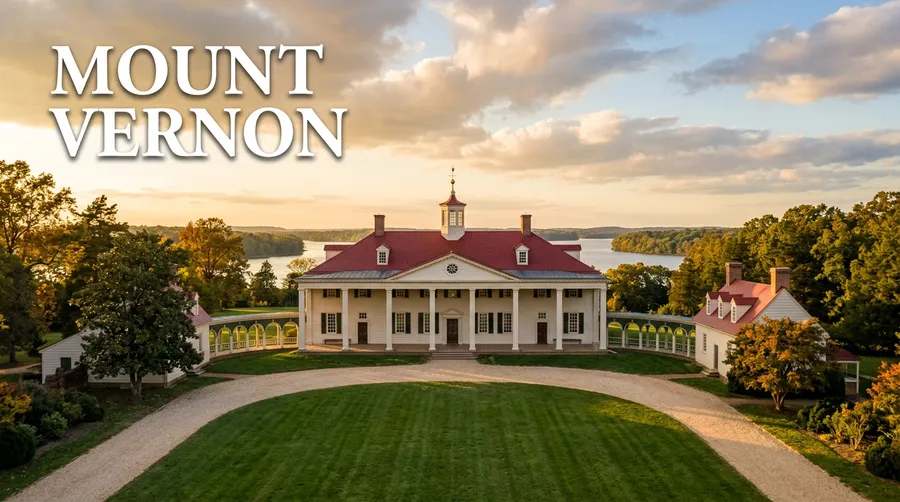
Historic Mansions Worth Building a Weekend Around
Start with the estates and mansion properties that still justify tickets, routing, and a real visit, not just a mood-board detour.
Journey Through the Midwest: Historic Landmarks FAQ
Famous Midwest historical places
The Midwest is home to iconic sites like the Gateway Arch (MO), Laura Ingalls Wilder’s home (MN), and Cahokia Mounds (IL).
What is the most famous landmark in the Midwest?
The Gateway Arch in St. Louis, Missouri, is the most famous Midwest landmark.
What are the top 10 historical places to visit in the world?
Top global historical sites include the Great Wall of China, Machu Picchu, the Pyramids of Giza, Petra, the Colosseum, Taj Mahal, Acropolis, Stonehenge, Angkor Wat, and Chichen Itza.
What landmark is found in the Midwest region?
The Gateway Arch in St. Louis is the signature landmark of the Midwest region.
What is a famous historical site in Indiana?
The Indiana Dunes National Park preserves early Native American settlements and 19th-century industrial remains along Lake Michigan.
What is the most famous landmark in Iowa?
The Field of Dreams movie site in Dyersville is Iowa’s most famous landmark.
What US state has the most historical sites?
Virginia leads with the most National Historic Landmarks in the United States.
What is the most forgotten state in the USA?
Often called the most forgotten, Kansas is overlooked despite its rich pioneer history.
What is the best state to visit for history?
Pennsylvania offers a wealth of Revolutionary and Civil War sites, making it the top state for history enthusiasts.
Does Jamestown still exist?
Yes; Historic Jamestowne preserves Virginia’s original 1607 settlement remains and archaeological park.
When is the best time of year to visit historic sites in the Midwest?
Late spring through early fall offers mild weather and full site access across the region.
Are guided tours available at Midwest historical landmarks?
Most major sites offer ranger-led or private guided tours year-round.
Do I need to book tickets in advance for popular sites?
Yes; for places like the Gateway Arch and Cahokia Mounds, advance online reservations are recommended.
Are Midwest historical sites family-friendly?
Yes; many offer interactive exhibits, living-history programs, and children’s activity guides.
Are Midwest landmarks accessible for people with disabilities?
Most national and state historic sites provide ADA-compliant trails, ramps, and audiovisual aids.
What are typical admission fees for Midwest historic sites?
Fees range from free entry at many state parks to around $10–$15 per adult at national monuments.
Why This Page Exists
Maison builds place guides to help readers plan a real visit or understand a real site. When a page makes present-day access, booking, or visitor claims, those details are revised against public-facing source material and editorial review. For the wider standards behind that work, see methodology.
The Cornerstone Brief
One historic place, once a week — what it is, why it matters, whether it's worth going. No filler, no paid placements.
Coming soon. Unsubscribe any time.
We use cookies to enhance your experience. By continuing to visit this site you agree to our use of cookies.