The unexpected fact about America’s “quaint” farmhouse stays is the price map: a Lancaster Amish guesthouse can still land near $75–$125 a night, while a Napa-adjacent racehorse ranch room runs $250–$700, and a true all-inclusive Vermont dairy farm bills about $172 per adult with dinner and breakfast baked in. “Farm stay” on a booking site is not one product. It is three different industries sharing a barn emoji.
Farmhouse Stays 2026: what you actually buy—rate bands, chore calendars, pet bans, and the gap between Instagram quiet and rooster 5 a.m. This is the concrete guide beyond the word quaint.
Rate bands that matter (not the resort in farm clothing)
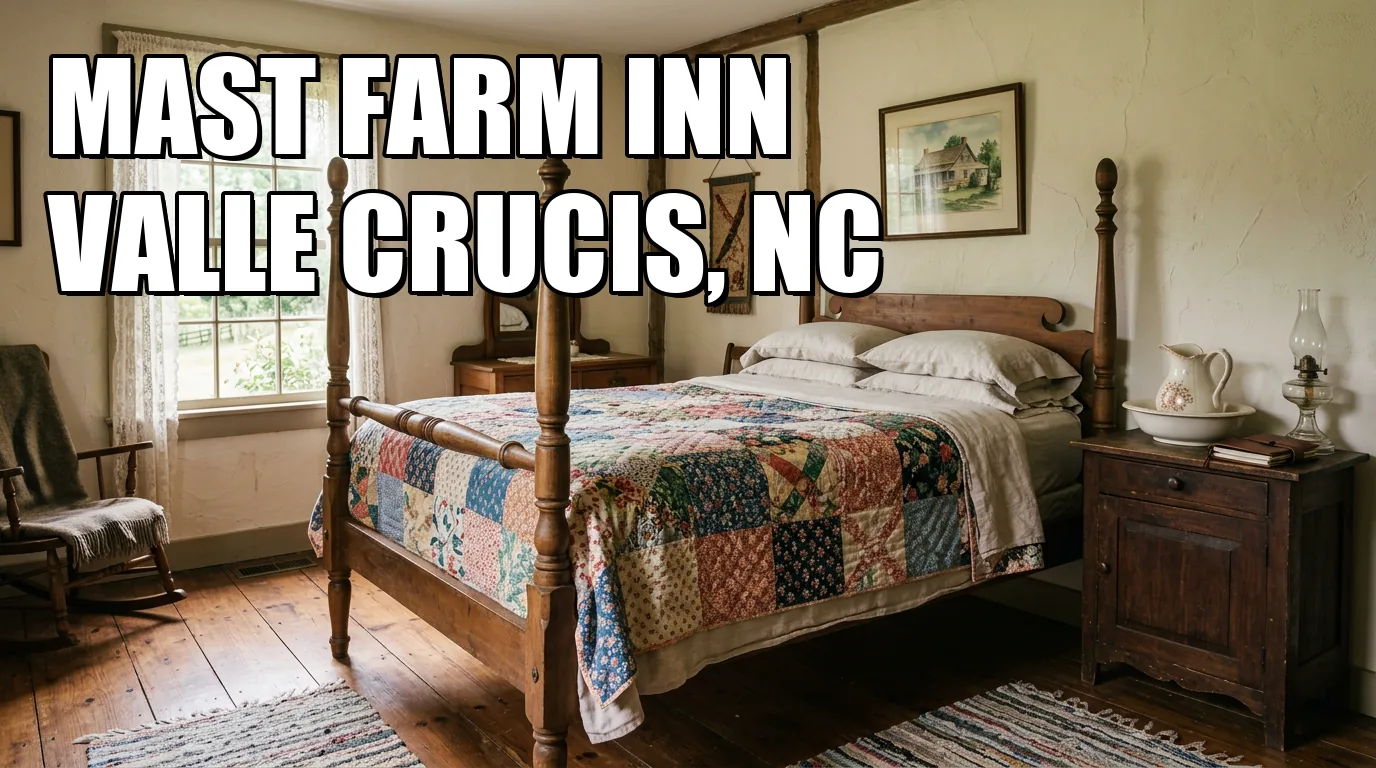
Working / simple guesthouses ($75–$195). Lancaster County Amish-country examples from published sheets: Otterbein Acres about $75, Dreamy Acres about $95, Sunset View about $125, Clearview-style larger houses about $195 for up to four (higher in summer). Landis Farm about $195/night for two adults plus about $5/child. These are real beds near real fields, often with stocked kitchens (milk, eggs, bread) rather than white-tablecloth service.
Classic farm B&Bs and maple houses ($90–$500 dynamic). Couture’s (VT) about $90 room / $150 family suite. Robinson Farm maple room published from about $120 standard into foliage peaks near $500. Liberty Hill Farm is priced per person all-in: about $172 adult / $98 teen / $88 child per night plus Vermont room-and-meals tax (~9%), covering lodging, dinner (~6:00 p.m.), breakfast (~8:00 a.m.), and farm activities.
West Coast ranch / wine / luxury ($150–$700+). Rustridge Ranch & Winery (St. Helena): rooms about $250–$350, house about $700 for up to four, with ranch breakfast and evening wine/hors d’oeuvres culture. Red Tail Ranch (Groveland / Yosemite side) about $150–$200, no kids, no pets. Mendocino organic-farm luxury inns often clear $300+ with child age cutoffs. Booking engines that label Napa “agritourism” and then rank city resorts at $270–$367 are marketing, not manure.
Industry-wide, honest farms scatter from roughly $75 to $700 a night. Midweek can cut smaller properties by about 20–30%; some ranches post explicit midweek person discounts (e.g. ~$10 pp). Multi-night weekends often enforce 2-night minimums; holidays 3 nights.
What “included” really means
Breakfast is not always a chef plating. Spectrum: continental stock in a private guesthouse fridge → communal farmer’s breakfast at a fixed clock (8:00 / 8:15 a.m. examples) → maple syrup from the host’s own trees. Dinner is rarer; Liberty Hill is the clear all-inclusive model with a 6:00 p.m. table.
Activities are invitation, not indenture. Optional morning chores around 9:00 a.m.—eggs, feeding pigs/calves, sometimes milking—appear across Vermont and Pennsylvania sheets. Harvest-share deals (pick and keep half) show up on some lamb/vegetable farms. Animals range from dairy cows and chickens to racehorses (Rustridge) or specialty herds elsewhere. Children need constant supervision; liability waivers are normal; never feed without asking; leave gates as found; stay clear of machinery and electric fence.
Pets: default no. Free-range livestock and resident farm dogs make guest pets a risk. Explicit no-pet lists include Landis, Rocky Acre, Shelburne Farms lodging rules in sources, Red Tail. Exceptions like Robinson Farm (pet-friendly, no extra fee in published notes) are rare—email before you pack the dog.
Operations: deposits, quiet hours, payment
Rocky Acre / Landis-type PA farms: check-in mid-afternoon (3:00 p.m. or 3:30–10:00 p.m. windows), checkout 11:00 a.m., cash/check/card accepted, deposits of one night or ~$195. Quiet hours roughly 9:30 p.m.–7:00 a.m. where families pack the rooms. Shelburne Farms: major cards, 3:00 p.m. / 11:00 a.m. (confirm live rates on their own site—third-party lists lag). Summer and school breaks often lock 2-night minimums even midweek.
Fact vs. quaint brochure
Quaint promise: silent cottage, spa-level privacy, Instagram fog at dawn.
Working-farm fact: roosters, tractors, manure smell, hosts mowing on a Tuesday, breakfast that will not wait for your sleep-in, shared barns, no pets, kids underfoot. Guests who treat a farm like a boutique hotel generate the angry two-star reviews about lawn mowers. Hotels win if you need sterile hallways, late room service, and zero introductions. Farms win if you want food-source contact, kid education, and a slower clock—and you accept the soundtrack.
2026 traveler scorecard
- Value clarity — 8/10 on named working farms, 4/10 on “agritourism” resort lists: read whether dinner is included and whether animals are real.
- Family fit — 9/10 at chore-friendly dairies, 2/10 at no-kids ranches: age rules are hard.
- Luxury finish — 3–9/10: Amish guesthouse ≠ Mendocino $300 inn.
- Pet friendliness — 2/10 overall: plan kennels unless the listing screams pet-OK.
- Authenticity — 9/10 when rates include chores and farm breakfast; 1/10 when Orbitz ranks a downtown Napa tower as a farm vacation.
Bottom line: Beyond the quaint label, farmhouse stays are a price ladder from $75 Amish rooms to $700 ranch houses. Match the ladder to your noise tolerance, kid plan, and meal needs—then book direct on the farm’s sheet, not the resort list wearing overalls.
The Cornerstone Brief
One historic place, once a week — what it is, why it matters, whether it's worth going. No filler, no paid placements.
Coming soon. Unsubscribe any time.