Film & TV Locations

Beyond the Scream: AHS Mansions Unveiled

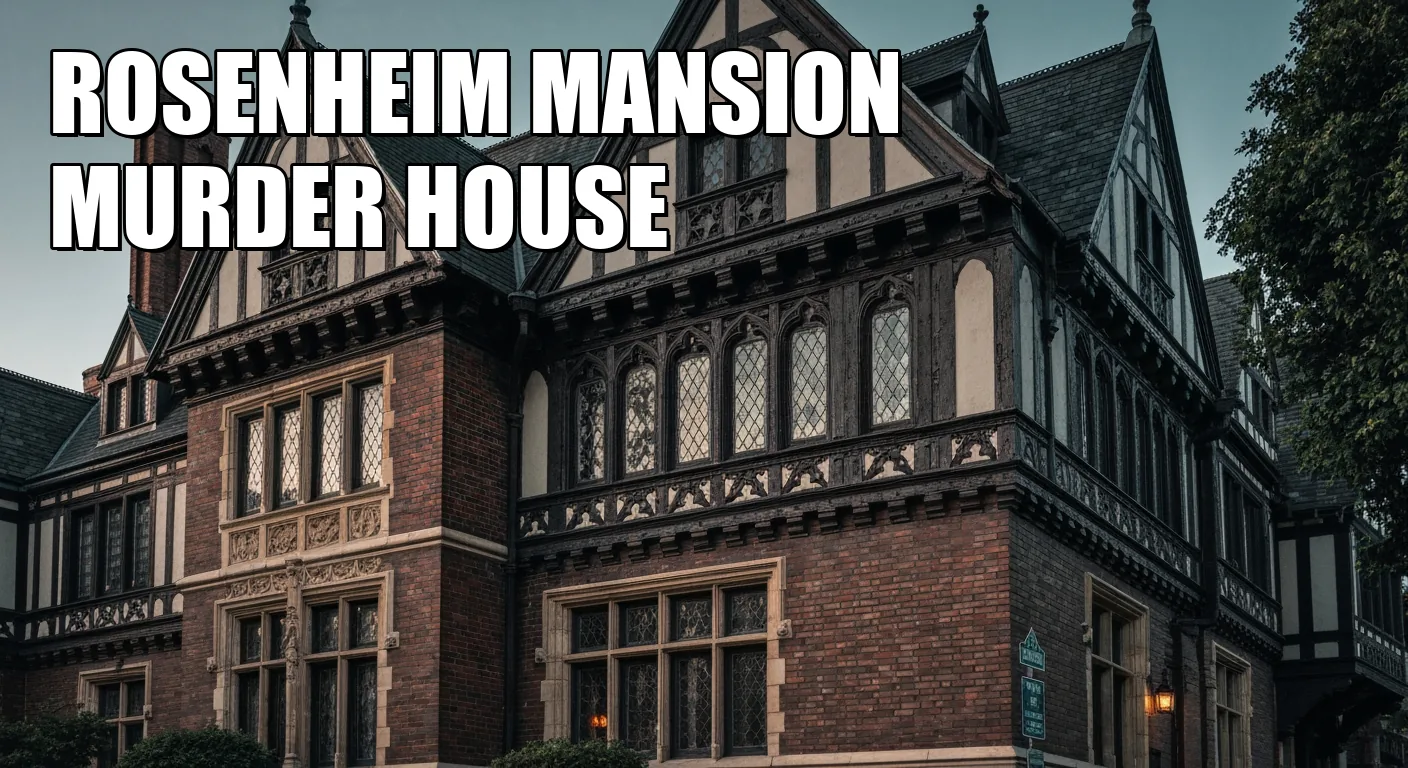
For years, *American Horror Story* has mastered the art of weaving fact into fiction, transforming real-world locations into the stuff of nightmares. But what happens when the cameras stop rolling? Do these grand, often foreboding, structures retain their eerie aura, or does the magic dissipate with the crew? Having crisscrossed the country in search of history's echoes, I've learned that discerning the genuinely unsettling from the merely cinematic requires a keen eye and a healthy dose of skepticism. Let's peel back the layers on some of the show's most iconic homes. ### Does the Murder House Truly Haunt Its Inhabitants? You'd be hard-pressed to find a more recognizable *AHS* landmark than the Rosenheim Mansion, the infamous "Murder House" from the show’s inaugural season. Nestled discreetly at 1120 Westchester Place in Los Angeles' Country Club Park, this Tudor Revival and Gothic Revival masterpiece isn't just a set piece; it’s a living monument to architectural ambition. Built in 1908 by Alfred F. Rosenheim, its Italian brick and Peruvian mahogany construction, punctuated by authentic Tiffany stained glass, speaks to an era of opulent craftsmanship. Yet, its on-screen notoriety has undeniably overshadowed its genuine historical significance, casting a permanent, albeit profitable, shadow. Beyond the television lore, the mansion's real history boasts a fascinating parade of residents. From A.J. McQuatters, a mining magnate, to silent film actor Edward Everett Horton, the home has always attracted figures of note. Perhaps the most intriguing period was its transformation into a convent by the Sisters of Social Service in 1930, a detail I find particularly fascinating given its later portrayal as a house of malevolence. It was even in the chapel, added in 1932, where many of the attic scenes for *Murder House* were filmed, blurring the line between its sacred past and its fictionalized damnation. Now, about those hauntings: does the house live up to its fictional reputation? Tales abound. Visitors and past residents report "heavy air," disembodied voices, and doors opening spontaneously. The most persistent legend involves a nun who supposedly jumped from an upstairs balcony, an incident tied to a blue-painted room. However, what *really* surprised me was the 2015 lawsuit filed by its current owners, Dr. Ernst von Schwarz and Angela Oakenfold. They sued, not over spectral disturbances, but because the previous owner and brokers failed to disclose the property’s *AHS* connection, leading to weekly fan trespassing and even break-ins. It seems the true terror here isn't necessarily supernatural, but rather the very tangible intrusion of devoted fans. While you *could* once rent this place on Airbnb for around $1,450 a night, accommodating up to 16 guests, be prepared for more human gawkers than ghostly apparitions. The spirit of celebrity, it turns out, is a more aggressive poltergeist than any purported nun. ### What Makes the Buckner Mansion a True New Orleans Enigma? Venturing into the sultry, spectral heart of New Orleans, the Buckner Mansion on Jackson Avenue instantly commands attention. This magnificent 1856 Greek Revival edifice, with its staggering 48 fluted Ionic and Corinthian columns, served as the exterior for Miss Robichaux's Academy in *American Horror Story: Coven*. In a city already steeped in the supernatural, selecting this particular residence was a stroke of genius, tapping directly into the rich vein of local lore and architectural grandeur that defines the Garden District. Before its cinematic debut, the mansion was the opulent home of Henry Sullivan Buckner, a wealthy cotton magnate who spared no expense in its construction. Its transition to the Soulé Business College in 1923 until 1983 means generations of New Orleanians walked its hallowed halls, perhaps unaware of the resident spirit said to linger there. This historical layering is what gives places like Buckner Mansion their profound depth, connecting them not just to a single family, but to the collective memory of a community. The paranormal claims here feel intrinsically tied to the city's unique fabric. The most cherished ghost story revolves around Miss Josephine, an African American woman who reportedly stayed with the Buckner family after the Civil War and continued her duties even after death. Witnesses claim to hear the distinct sound of sweeping when no one's present, and some visitors even report catching the scent of lemon peel, her favorite fragrance. I've heard my share of ghost stories, but the consistency of these reports, particularly surrounding the grand staircase where Josephine's figure has allegedly been seen, lends a certain weight to the legend. This isn't just a Hollywood backdrop; it's a place where local legend feels palpable. Expect to pay a pretty penny if you want to experience it firsthand; vacation rentals here can run anywhere from $4,700 to a staggering $40,000 per week. ### Longue Vue: A Freak Show Facade, Not a Haunted Home From the atmospheric streets of the Garden District, we move to Longue Vue House and Gardens, an architectural marvel that stood in for the Mott mansion in *American Horror Story: Freak Show*. Located at 7 Bamboo Road, this Neo-Classical estate is a testament to the American Architectural Renaissance, designed by William and Geoffrey Platt between 1939 and 1942. Its eight acres of meticulously sculpted gardens, conceived by the renowned Ellen Biddle Shipman, create an almost otherworldly tranquility. Commissioned by Edgar Bloom Stern, a prominent cotton broker and philanthropist, and his wife Edith Rosenwald Stern, heiress to the Sears-Roebuck fortune, Longue Vue exemplifies old-money elegance. It's a place of deliberate beauty and refined taste, a stark contrast to the unsettling narratives *Freak Show* conjured within its fictional walls. This choice of location highlights a recurring theme in *AHS*: often, the show prioritizes aesthetic grandeur and historical resonance over any actual documented paranormal activity. Indeed, despite New Orleans' reputation as one of America's most haunted cities, Longue Vue itself doesn't boast a litany of spectral encounters. My research, and numerous conversations with local historians, yielded no prominent reports of ghosts, unexplained phenomena, or lingering spirits within these elegant confines. This isn't to say it's not worth visiting; as a historic house museum and event venue, it offers a stunning glimpse into a bygone era of wealth and taste. But if you’re hoping for a genuine chill down your spine, you might find more historical appreciation than supernatural dread. It serves as a reminder that sometimes, the most terrifying elements of a story are the ones we project onto beautiful, silent spaces. ### The Courthouse: When Reality Is More Intriguing Than Fiction Shifting gears entirely, let's consider the Orange County Courthouse in Santa Ana, California. This venerable structure, built between 1900 and 1901 in the Richardson Romanesque style with striking Arizona red sandstone, stood in as the imposing exterior of Briarcliff Manor in *American Horror Story: Asylum*. While the season was notionally set in Massachusetts, the courthouse's distinctive architecture provided the perfect backdrop for a chilling institution, digitally altered to enhance its grim aesthetic. What I find compelling about this location isn't its fictional haunting, but its very real architectural and historical weight. The Richardson Romanesque style, characterized by its robust stone masonry, rounded arches, and intricate carvings, speaks to an era of monumental public works, intended to convey authority and permanence. Inside, the show used soundstages, leaving the courthouse's actual interiors to their own, less cinematic, history. Unlike the Rosenheim or Buckner mansions, you won't find specific paranormal incidents tied to the Orange County Courthouse in relation to *AHS*. Its own history is dramatic enough, however, having survived the 1933 earthquake and hosting significant trials, including the sensational 1947 Beulah Overell case, a true-crime saga worthy of its own film noir. This particular filming choice by *AHS* underscores how easily a visually striking, historically rich building can be repurposed for dramatic effect, its true stories often more complex and compelling than the fabricated ones. Visitors planning to appreciate its architecture will find it a stark, beautiful piece of local history, rather than a place to seek out specters. ### Provincetown's Foggy Lore and Celebrity Connection Our final stop takes us to the windswept, artistic enclave of Provincetown, Massachusetts, the setting for *American Horror Story: Double Feature's* "Red Tide" segment. Here, the show didn't just pick one mansion; it immersed itself in the very fabric of the town. Key locations included private residences like the Gardner family home rental at 103 Commercial Street, alongside public sites such as the historic Winthrop Street Cemetery, established in 1723, and the iconic Pilgrim Monument. What makes Provincetown unique among *AHS* locations is the personal connection of creator Ryan Murphy, who maintains a residence there. This intimate knowledge likely informed the show's deeply atmospheric portrayal, weaving the town's existing reputation for "inexplicable spooky events" into the narrative. While specific, dated paranormal incidents at these particular filming spots aren't widely documented, the town itself has a palpable sense of history and, yes, a certain pervasive eeriness, especially on a foggy evening. Filming took place in early March 2021, a time when Provincetown is typically less crowded, offering a more somber, authentic experience compared to the bustling summer months. The fact that the studio paid over $100,000 in fees to the town speaks to the scale of the production and its impact on a small community. For visitors, exploring Provincetown isn't about finding a single haunted mansion, but rather soaking in the collective ambiance of a place where history, art, and a touch of the uncanny comfortably coexist. Walk through the Winthrop Street Cemetery, established nearly 300 years ago, and you'll sense the whispers of the past more acutely than in a staged scream. It’s a town that feels perpetually poised on the edge of a mystery, a sensation *AHS* clearly understood and exploited with great effect. ### The Enduring Allure of the Horrifyingly Real Ultimately, the quest for *American Horror Story* filming locations reveals a fascinating interplay between imagination and reality. Some homes, like the Rosenheim Mansion, have absorbed their fictional identities so completely that they’re now inseparable from the show’s mythology, even if the real "ghosts" are persistent fans. Others, like the Buckner Mansion, stand as elegant testaments to a city's rich, often unsettling, history, their spectral residents woven into local legend long before the cameras arrived. Then there are those, such as Longue Vue and the Orange County Courthouse, chosen for their striking aesthetics rather than any inherent hauntings, challenging visitors to appreciate their true historical narratives beyond the Hollywood veneer. What remains clear is that whether genuinely haunted or merely dramatically evocative, these places continue to captivate, drawing us into a world where the line between history and horror is delightfully, and sometimes chillingly, blurred.

The Ultimate Guide to American Horror Story Mansion & Filming Locations Across America

What are the main American Horror Story mansion locations that fans can visit?
The most iconic AHS filming locations include the Rosenheim Mansion (Murder House) in Los Angeles, the Buckner Mansion (Miss Robichaux's Academy) in New Orleans' Garden District, and the LaLaurie Mansion in New Orleans' French Quarter. Additional accessible locations include Lafayette Cemetery No. 1 and St. Louis Cemetery in New Orleans, and the Santa Ana Courthouse used for Briarcliff Manor exteriors in California.
What house was used for American Horror Story's first season, Murder House?
The Rosenheim Mansion, located at 1120 Westchester Place in the Country Club Park neighborhood of Los Angeles, served as the exterior for Murder House. The property is private residential real estate, so visitors can only view it from the street.
Is Briarcliff Manor Asylum based on a real place?
While the Briarcliff Manor storyline is fictional, the exterior used in American Horror Story: Asylum was the historic Orange County Courthouse (built in 1900) located at 211 West Santa Ana Boulevard in Santa Ana, California. The building was designed in Richardson Romanesque style and is accessible for exterior photography.
Why is the Buckner Mansion famous?
Built in 1856 by cotton magnate Henry Sullivan Buckner, the mansion is famous for its grand 20,000-square-foot Greek Revival architecture, historic significance, and its role as Miss Robichaux's Academy in American Horror Story: Coven. It was also featured in Disney's 2023 Haunted Mansion film and is considered one of the most haunted landmarks in New Orleans.
Does Nicolas Cage still own the LaLaurie Mansion?
No, Nicolas Cage no longer owns the LaLaurie Mansion; it is currently owned by energy trader Michael Whalen, who listed the property for $10.25 million in 2024. According to local lore, Cage owned the mansion only briefly and reportedly spent just one night there before experiencing financial troubles attributed to a supposed curse.
Is the LaLaurie Mansion actually haunted?
Yes, the LaLaurie Mansion has documented reports of paranormal activity dating back nearly 200 years, including apparitions, strange scents, unexplained screams, and sensations attributed to victims of its dark past. These hauntings are linked to the property's brutal history under Madame Delphine LaLaurie, who tortured enslaved people within its walls.
How can fans visit American Horror Story filming locations?
Fans can participate in guided walking tours in New Orleans (typically 2-2.5 hours, starting at $25+) that cover AHS: Coven locations including the LaLaurie Mansion, St. Louis Cemetery, and French Quarter sites. For Los Angeles locations like the Rosenheim Mansion and Cecil Hotel, visitors can view exteriors from public streets, though interior access is not permitted.
What is the best time of year to visit AHS locations in New Orleans?
The best times to visit are October through November and March through May, when weather is pleasant with temperatures between 73-88°F and humidity is lower. These periods offer ideal conditions for walking tours and cemetery visits while avoiding summer heat and heavy rains.
What houses were used for American Horror Story: Coven?
The primary filming location was the Buckner Mansion (1410 Jackson Avenue) representing Miss Robichaux's Academy, along with the LaLaurie Mansion in the French Quarter. Other notable locations included St. Louis Cemetery No. 1, Lafayette Cemetery, the Hotel Royal, and various French Quarter streets and historic buildings.
Which American Horror Story season features filming in North Carolina?
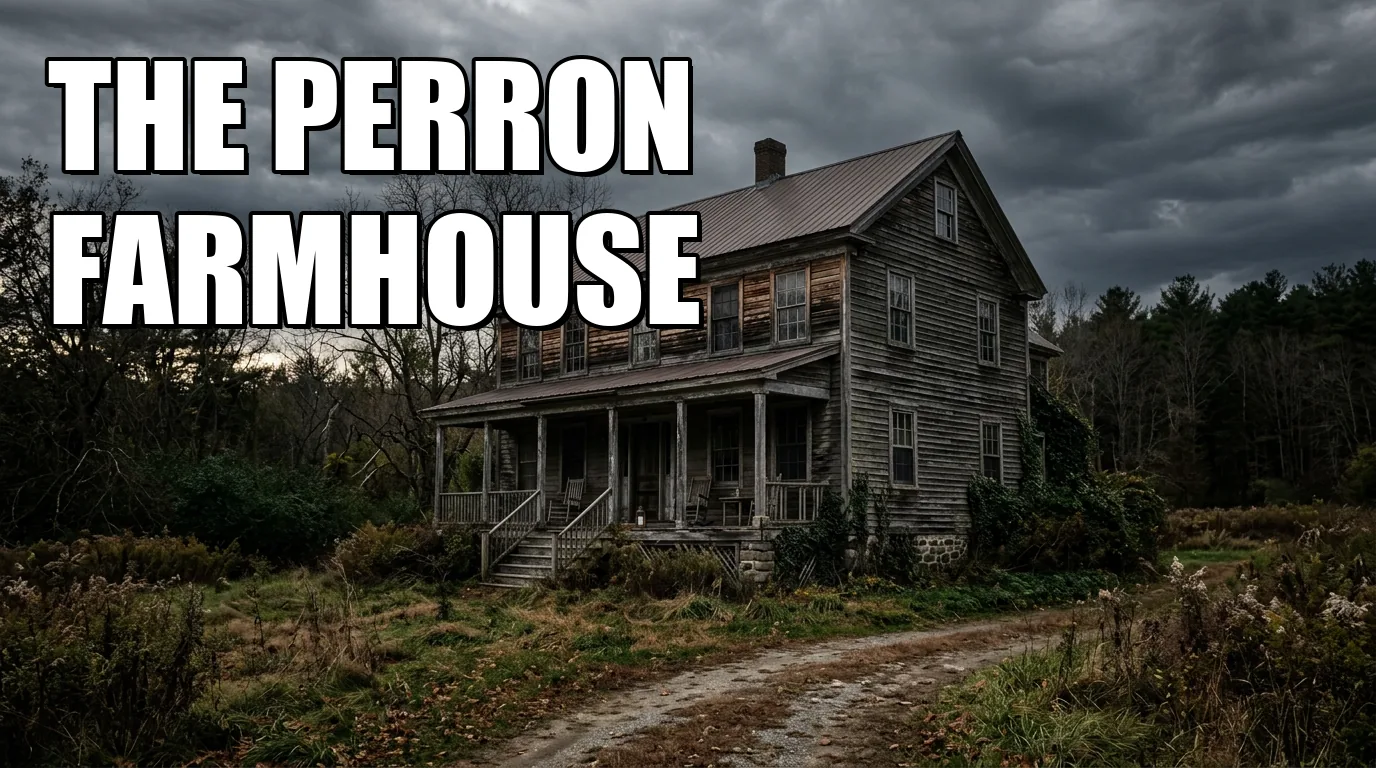
American Horror Story: Roanoke (season 6) is set in Roanoke, North Carolina, with the fictional farmhouse located at 900 Sappony Road in Martin County. However, the actual house was purpose-built in a California forest and took four months to construct—it was not filmed on location in North Carolina.
Can visitors tour the interiors of AHS mansions?
Most AHS filming locations are private properties and cannot be toured internally; visitors can only view exteriors and photograph from public spaces. However, some cemeteries like St. Louis Cemetery No. 1 offer guided cemetery tours that provide historical context and paranormal history.
Why did American Horror Story's quality decline in later seasons?
Critics attribute AHS's decline to later seasons prioritizing shock value over solid storytelling and losing the centralized location format that grounded earlier seasons. Viewers and critics noted that the franchise shifted focus from character development and atmospheric horror to sensationalism, with recent seasons focusing on style over substance.
How much does it cost to visit American Horror Story locations in New Orleans?
Walking tours typically range from $25-50+ per person for 2-2.5 hour experiences, with some tours including cemetery entry fees (around $5-10). Individual cemetery visits are generally $5-10, while viewing mansion exteriors from public streets is free.
Are there any American Horror Story filming locations outside of New Orleans and Los Angeles?
Yes, various AHS seasons have filmed in multiple locations including Santa Ana, California (Asylum), and sets built in California soundstages and forests. The Cecil Hotel in downtown Los Angeles inspired the Hotel season, though the interior scenes were created on a custom-built set.
What paranormal reports are associated with LaLaurie Mansion?
Documented paranormal reports include moans and shrieks from within the mansion, the scent of Madame LaLaurie's perfume, sensations of unseen hands strangling people outside, and reported apparitions of tortured enslaved people. The property is also believed to carry a curse affecting its owners, with Nicolas Cage cited as one victim.