
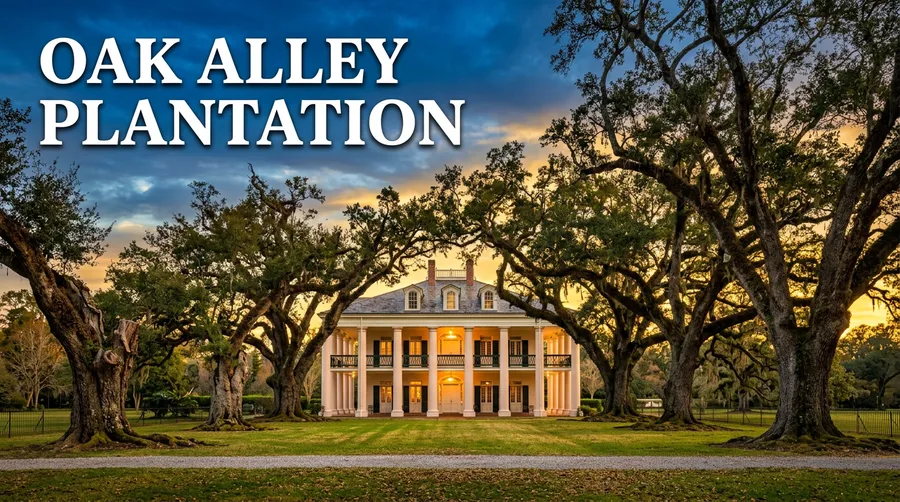
There's a prevailing image of the American South, often painted in broad strokes of magnolia trees, mint juleps, and antebellum charm. While those elements certainly exist, they represent only a thin veneer over a vastly more intricate and, frankly, more compelling historical landscape. Having explored every dusty backroad and bustling city street below the Mason-Dixon, I’ve learned that the real treasures lie in narratives that challenge, rather than confirm, easy assumptions.
For 2025, I’ve curated three week-long journeys, each designed to peel back layers you won’t find in your typical tourist trap. We’re going beyond the Civil War, diving instead into the vibrant pulse of Civil Rights, the resilient spirit of Gullah Geechee culture along the Lowcountry coast, and the rugged, often heartbreaking, genesis of the Appalachian frontier. Prepare to have your expectations not just met, but profoundly re-calibrated.
Where the Fight for Freedom Echoes: A Civil Rights Odyssey
Many people associate the Civil Rights Movement with iconic leaders and grand speeches, but visiting its heartland reveals the visceral, grassroots struggle that ordinary people endured. This journey isn't a passive museum stroll; it's an immersion into places where monumental shifts in American consciousness took root. You’ll walk in the footsteps of giants, yes, but also of countless unsung heroes.
Our journey begins, as it must, in Montgomery, Alabama. Allocate a solid two days here. The Rosa Parks Museum, anchored by the actual bus and the very spot of her arrest, offers an educational experience far deeper than just retelling the story; it creates reflective spaces that make her act of defiance incredibly personal. What often gets overlooked is how many people, before and after Parks, pushed back against injustice; this museum does an admirable job of contextualizing her brave stand. After that, make your way to the Freedom Rides Museum, housed in the original Greyhound station. This isn't some sanitized exhibit; it preserves the raw oral histories of activists who faced terror head-on, delivering an emotional punch that no textbook ever could.
Just a short drive away, Birmingham, Alabama, beckons, demanding another two days of your time. Here, the 16th Street Baptist Church stands, restored but forever marked by the horrific 1963 bombing. It’s one thing to read about it, another entirely to stand in that hallowed space and feel the weight of what happened there. Directly across the street, the Birmingham Civil Rights Institute offers meticulously curated chronological galleries. It uses immersive multimedia to bridge the gap between historical fact and emotional understanding, tracing the painful journey from segregation to legislative change. Don’t rush through; let the stories unfold, especially the lesser-known accounts of everyday resistance that paved the way for larger victories.
Then, it’s on to Selma, Alabama, for a day that will forever etch itself into your memory. Everyone knows the Edmund Pettus Bridge, a National Historic Landmark where "Bloody Sunday" occurred. Walk across it. Feel the history under your feet. But please, don't stop there. The National Voting Rights Museum in Selma, newly expanded, is crucial. It actively challenges any sanitized narrative, centering the experiences of grassroots activists who risked everything for the right to vote. It’s a powerful antidote to any romanticized view of the movement, reminding you that progress was hard-won and often brutal.
Finally, we conclude in Memphis, Tennessee, for a powerful two-day wrap-up. The National Civil Rights Museum at the Lorraine Motel is, quite simply, essential. Its detailed interpretive tours extend far beyond Dr. King's assassination, offering a comprehensive look at the entire movement. You'll spend hours here, and deservedly so. But here's an insight often missed: follow up your visit with the Stax Museum of American Soul Music. While seemingly disparate, Stax provides a brilliant, perhaps even more profound, lens through which to understand the era. Soul music wasn't just entertainment; it was a potent force for articulating civil rights struggles and affirming Black cultural identity, providing a soundtrack of both protest and hope. You’ll hear how music literally moved the movement.
Echoes of the Past: Unearthing Lowcountry Roots and Gullah Geechee Endurance
The South Carolina and Georgia Lowcountry often conjures images of charming historic districts and picturesque plantations. However, this region holds a deeper, more profound story: the enduring legacy of colonial-era economies built on enslaved labor and the vibrant, persistent culture of the Gullah Geechee people. This itinerary isn’t about admiring grand estates; it’s about understanding the complex foundations of wealth and the resilience of a distinct African American culture.
Start your exploration in Charleston, South Carolina, dedicating three days to its unique blend of beauty and challenging history. Begin with a historic district walking tour, but here’s my pro tip: use an augmented-reality app that exposes the contributions of enslaved artisans to the city’s stunning 18th-century architecture. It’s easy to admire the facades and miss the hands that built them. The newly opened International African American Museum, situated on Gadsden's Wharf (a major disembarkation point for enslaved Africans), is a game-changer. Its nine galleries expertly weave narratives of the African diaspora and Gullah life, offering an essential perspective that has long been missing from the mainstream. Don't leave without visiting the Old Slave Mart Museum, a site often dismissed by some as a "tourist trap." Yet, its intimate setting, reframing auction sites through descendant testimonies, offers a raw, unfiltered look at a brutal reality. It forces you to confront the past in a deeply personal way.
Next, venture south to Savannah, Georgia, for two days of discovery. The city's charming squares often overshadow its deeper historical layers. Stroll through Colonial Park Cemetery; its grave markers reveal the multiethnic dynamics of Savannah’s colonial past. Then, head to the Telfair Museums, where a new "Hidden Histories" wing thoughtfully spotlights the Indigenous and African-descended residents who shaped the city. But for a truly unique experience, drive out to the Pin Point Heritage Museum. This former oyster-canning community, preserved as a living museum, offers hands-on demonstrations of Gullah cuisine and crafts. It's not just a collection of artifacts; it's a vibrant, living connection to a culture that thrived despite immense hardship. You’ll taste, feel, and hear the Gullah spirit firsthand.
Finally, immerse yourself in the Sea Islands (Hilton Head and St. Helena) for two days. This is where the Gullah Geechee culture truly comes alive. The Gullah Geechee Cultural Heritage Corridor Visitor Center provides excellent foundational exhibits on their unique language, folklore, and agricultural practices. But the true gem is the Penn Center on St. Helena. Once a freedmen's school, it now serves as an interpretive center where heritage bearers share captivating storytelling. Recent oral-history installations here actively challenge the prevailing, plantation-centric narratives of the Lowcountry, giving voice to those whose stories were long silenced. This is where you connect directly with the descendants of those who built this region, gaining insights that no other site can offer.
Tracing the Trails: The Appalachian Frontier's Indigenous & Musical Heart
When people think of the Appalachian Mountains, images of rustic cabins, moonshine, and bluegrass often come to mind. While there's truth to that, the true history of this rugged landscape is far more complex, a tapestry woven with early settler paths, devastating Native American removal, and the very birth of American roots music. This third itinerary takes you deep into Eastern Tennessee and Western North Carolina, revealing stories of diplomacy, displacement, and creative genius.
Begin your Appalachian exploration with two days in Knoxville, Tennessee, and the nearby Cumberland Gap. In Knoxville, the Blount Mansion offers insights into frontier diplomacy, but pair it with the McClung Museum, particularly its "Voices of Removal" installation. This exhibit, featuring Cherokee-authored accounts, provides a crucial counter-narrative to the often-romanticized stories of westward expansion, revealing the profound human cost. Then, head to Cumberland Gap National Historical Park. While ranger-led treks along Daniel Boone's trail are popular, pay close attention to the interpretive signage that details the indigenous land loss that accompanied this "opening" of the frontier. It's a stark reminder that every step taken by settlers meant displacement for others.
Next, journey to Bristol, Tennessee/Virginia, for two days that will resonate with music lovers. This isn't just a small town; it's the Birthplace of Country Music. The museum here offers immersive galleries detailing the legendary 1927 Bristol Sessions, often called the "Big Bang of Country Music." What’s surprising is that the working radio station on-site broadcasts live, blending history with the sounds of modern Appalachia, making the past feel incredibly present. Don't miss a visit to the recently opened multimedia kiosk at the A.P. Carter Homeplace, which finally recounts Sara Carter's pioneering role and the often-overlooked contributions of women to the genre. It’s a vital re-evaluation of who gets credit for shaping American music.
Conclude your journey with three days in Western North Carolina, focusing on Asheville and Cherokee. The Museum of the Cherokee Indian in Cherokee is a must-visit, offering up-to-date exhibits that incorporate digital reconstructions of villages and deeply personal narratives of displacement. It’s a powerful, often heartbreaking, look at the strength and resilience of a people who endured unimaginable hardship. While in the area, the Appalachian Trail Visitor Center provides interactive maps that not only trace the famous hiking path but also highlight the numerous junctions where settler and indigenous histories intertwined, alongside conservation efforts. Before heading home, make a detour to the Museum of Appalachia in Clinton, Tennessee. This living history farm has a newly added "Stories Unheard" oral-history pavilion, which finally spotlights the diverse voices—Scotch-Irish, African American, and indigenous—who shaped the frontier experience. It’s a powerful testament to the multicultural roots of a region often perceived as monolithic.
These journeys are designed to offer more than just sightseeing; they are an invitation to engage with the South’s complex, often challenging, but ultimately enriching history. These aren't polished, airbrushed accounts, but raw, unfiltered looks at the forces that shaped a nation. Expect to be moved, educated, and perhaps even surprised by what you discover. The best time to embark on these adventures is typically during the shoulder seasons—April to May or September to October—when the weather is pleasant and the peak summer crowds have thinned. While many sites have modest admission fees (typically $10-20 per adult), parking can vary, so always check individual websites. Arriving early, especially on weekends, guarantees a more reflective experience. Go beyond the clichés, and let the real South reveal itself.