The strongest documented fact about the Stanley Hotel’s Room 217 is not that a chambermaid was injured there. It is that Stephen King stayed in that exact room in 1974. A contemporary report of the hotel’s 1911 gas explosion places injured chambermaid Elizabeth Wilson on the second floor but does not name Room 217. The number entered the accident story later.
That missing link recurs at famous “haunted rooms.” A real person, death, accident, or corrupt institution may be documented at the hotel while the exact room number remains a later attachment. The useful test is not whether the hotel has dark history. It is whether a reliable record connects that history to the room sold today.
Four room numbers, four different products
| Room | What is documented | Where the chain breaks | What the guest is booking |
|---|
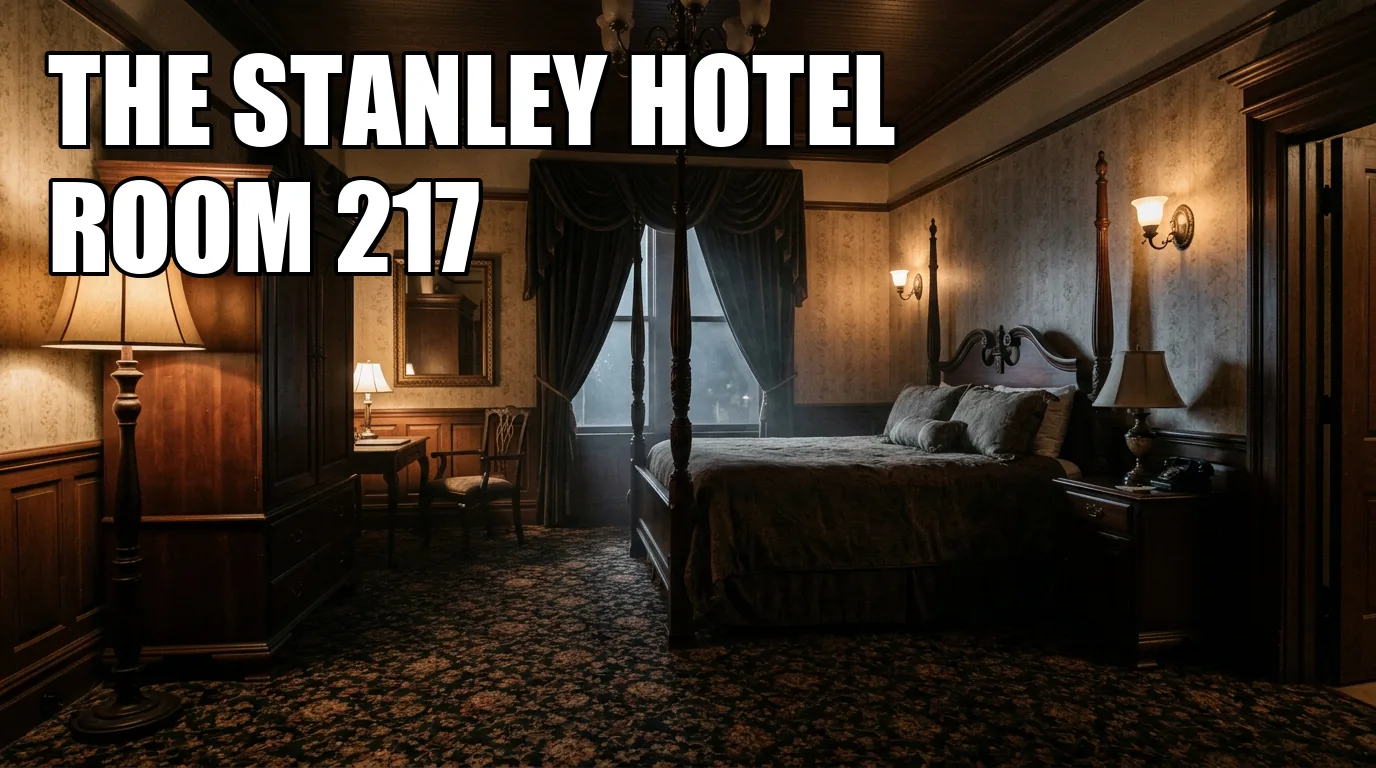
| Stanley 217 | 1911 second-floor explosion; Wilson survived; King stayed in 217 in 1974 | The contemporary explosion report does not identify 217 | An exact literary room with a later accident-room attribution |
| Hotel del Coronado 3327/3519 | A woman registered as Lottie A. Bernard and died by suicide on the hotel’s exterior stone steps in 1892 | The inquest does not name her guest-room number; later mappings conflict | A room attached to a documented property death, not the place of death |
| Crescent 218 | The building became Norman Baker’s fraudulent cancer hospital in the late 1930s | No archival evidence establishes the worker called Michael or a fatal fall into 218’s footprint | A marketed ghost room inside a building with separate, documented dark history |
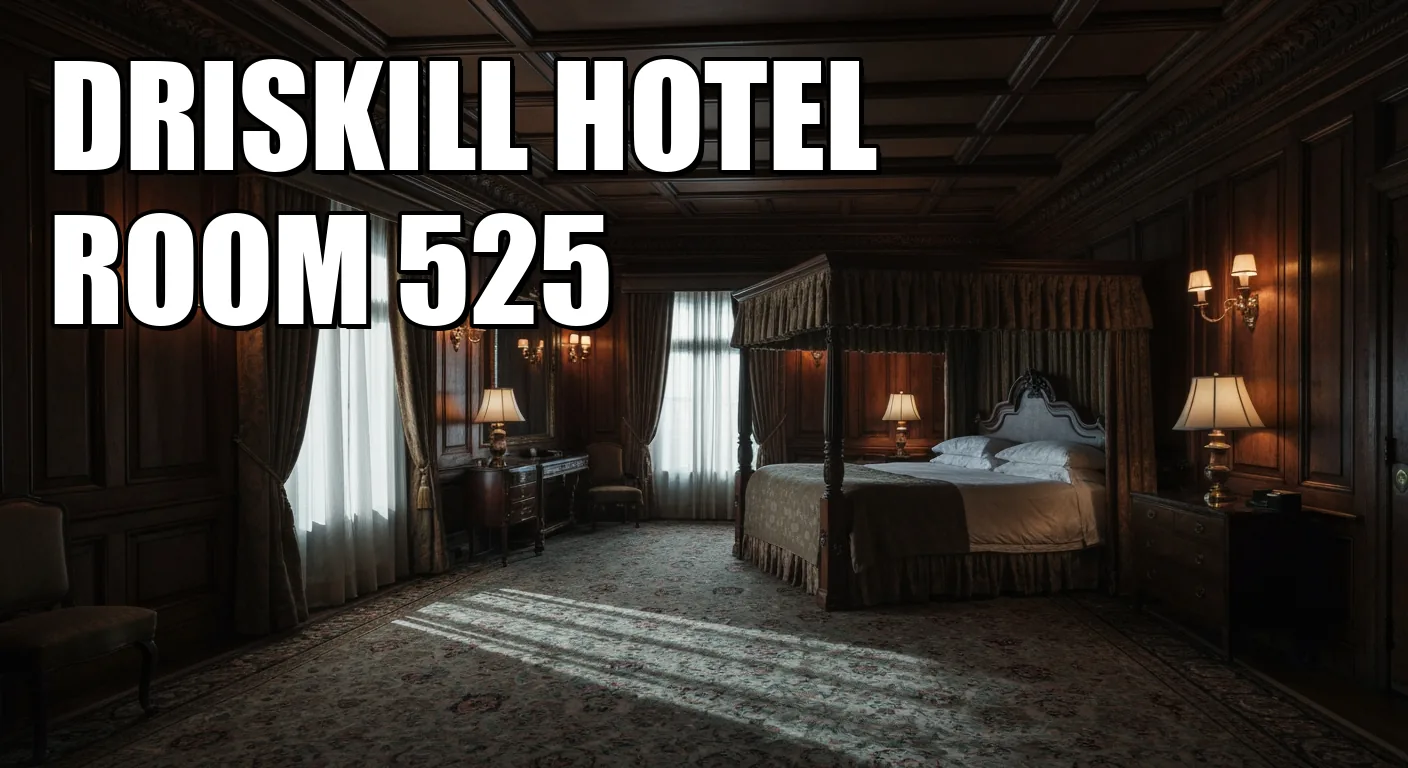
| Driskill 525 | The hotel is a documented 1886 landmark | No supplied historical record identifies either of the two alleged suicide brides | A room whose named tragedy is modern folklore |
Stanley 217 is an exact literary room, not a proven accident room
The June 1911 gas explosion at the Stanley is real. A contemporary Colorado newspaper reported that gas exploded in a second-floor room and that chambermaid Elizabeth Wilson was blown down into the dining room. She survived. The primary report does not identify Room 217.
The hotel’s present account connects Wilson and the explosion to Stanley Hotel Room 217, then adds later guest stories about unpacked luggage and folded clothes. Those are two different evidence levels: the newspaper establishes the explosion and survivor; the property supplies the exact room attribution and paranormal behavior.
King’s 1974 stay helped inspire The Shining. A guest can honestly reserve the room he occupied. Calling it the newspaper-verified location of Wilson’s accident goes one step beyond the surviving contemporary report.
Hotel del Coronado’s death happened outside
The 1892 inquest gives the Coronado case a firmer documentary core than most hotel legends. The woman registered as “Mrs. Lottie A. Bernard, Detroit.” Hotel electrician David Cone found her lying on stone steps facing the ocean. The inquest concluded that she took her own life.
Contemporary records did not definitively establish her true identity. Police later linked her to Kate Morgan; a modern competing reconstruction identifies her as Lizzie Wyllie. The uncertainty should remain visible rather than turning a later identification into an inquest fact.
The evidence also does not place the death inside Hotel del Coronado Room 3327. She died on the exterior steps, and the inquest testimony describes her room only by its side of the building. Later accounts map the historical room to several modern numbers, including 3327 and 3519. A stay in the marketed room participates in the hotel’s interpretation of a real death; it is not a stay at the spot where the death occurred.
Crescent 218 borrows weight from a different history
The Crescent Hotel’s Norman Baker chapter is well documented. Baker opened his cancer hospital in the building in 1938 and was convicted of mail fraud in 1940. That record belongs to the building and institution, not automatically to every ghost attached to it.
The property story for Crescent Hotel Room 218 says an Irish stonemason later called Michael fell during construction into the footprint of the present room. The hotel’s own retelling begins with “It is said.” The sources assembled for this audit contain no contemporary death notice, coroner record, named worker, or building document that closes the link to Room 218.
The distinction changes the claim, not the atmosphere. A guest is staying in a building that really did house Baker’s fraudulent medical enterprise. The specific worker, fall, room footprint, and poltergeist remain a modern property narrative.
Driskill 525 begins with folklore rather than a person
The story of Driskill Room 525 usually starts with two unnamed honeymooning brides who supposedly died by suicide in the same bathtub twenty years apart. In the material reviewed here, no contemporary newspaper, death record, inquest, or named victim supports either event.
This chain breaks earlier than the other three. Stanley has an explosion and a known survivor; Coronado has an inquest and an exterior death; Crescent has a documented fraudulent hospital elsewhere in the building’s history. Room 525’s defining tragedy arrives already as an unattributed repeated-event tale.
That does not prevent a guest from enjoying the story. It identifies the product accurately: a historic Austin hotel room carrying modern folklore, not a documented double death site.
Ask for the record that contains the number
A death certificate can prove a person died. A newspaper can place an accident at a hotel. A National Register form can establish the age and use of the building. None of those records proves the marketed room unless it identifies the room or can be tied to a stable historical floor plan.
Before paying a premium for a named haunted room, ask: “What contemporary record names this room number, and how was that number mapped through later renovations?” If the answer shifts to a different tragedy elsewhere in the building, the hotel may still have important history. The room number is simply the weakest part of the claim.
The Cornerstone Brief
One historic place, once a week — what it is, why it matters, whether it's worth going. No filler, no paid placements.
Coming soon. Unsubscribe any time.