Historic Mansions

Beyond the Velvet Ropes: Uncovering Philadelphia's Historic Mansions

Find Nearby Hotels

Book Flights

There’s a certain allure to the grand old houses that dot the American landscape, particularly within striking distance of a city as steeped in history as Philadelphia. Many guides will tell you *what* to see: the grand facades, the period furniture, the storied past. But after years of poking into every dusty corner, questioning every docent, and often finding myself alone in a room imagining lives long past, I’ve learned that the real treasures aren’t always the most obvious. What truly distinguishes a historic mansion isn't its size or opulence, but the tangible human story, often idiosyncratic and occasionally tragic, that it allows you to feel, even decades or centuries later. Let's peel back the layers on a few remarkable estates around the City of Brotherly Love.

Fonthill Castle: A Concrete Dream (or Delirious Vision?) in Doylestown

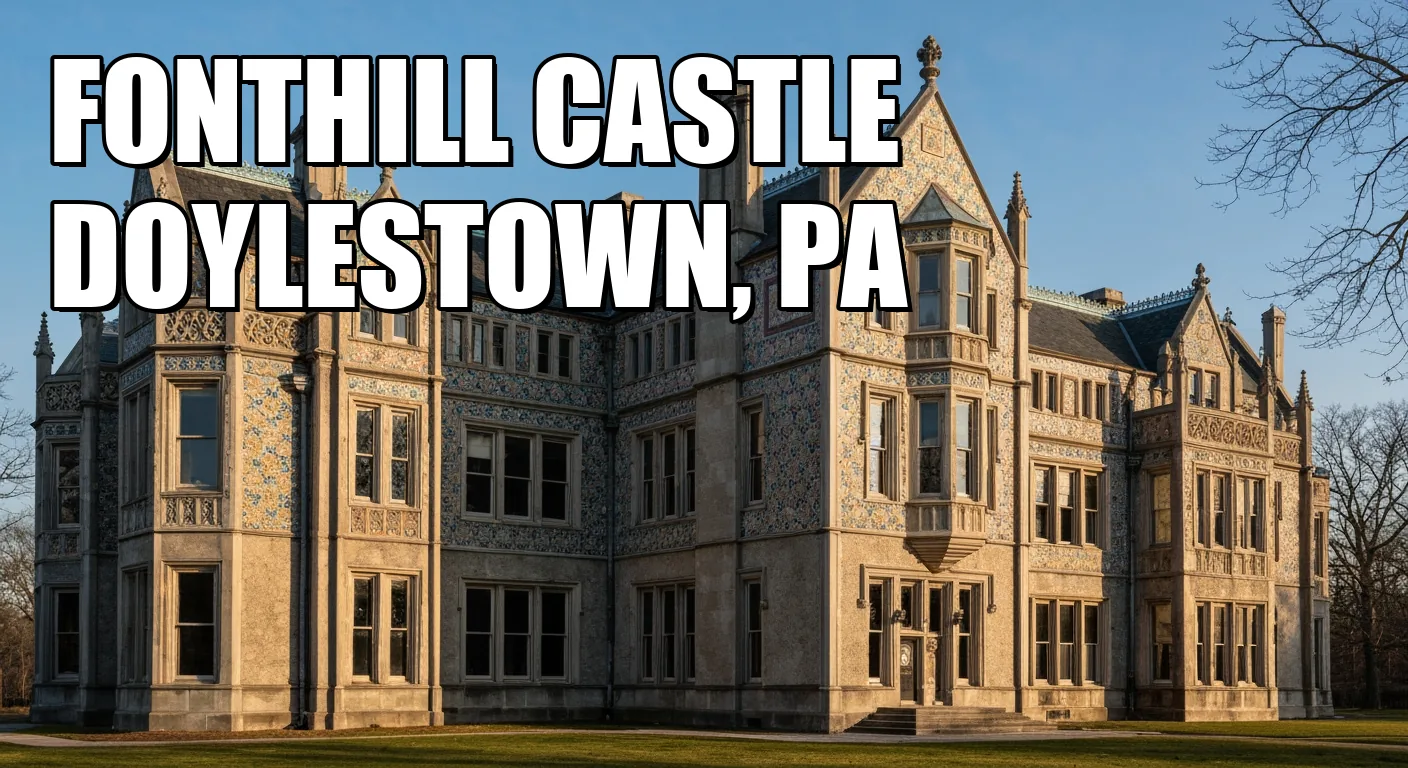
Head north from Philadelphia for about an hour, and you’ll stumble upon something utterly singular: Fonthill Castle in Doylestown, Pennsylvania. This isn't your typical Gilded Age mansion. Oh no. This is the brainchild of Henry Chapman Mercer, an archaeologist, ceramist, and tile maker, who, at the turn of the 20th century, decided he’d build his home entirely of reinforced concrete. The result? A sprawling, labyrinthine structure with 44 rooms, 18 fireplaces, and more than 200 windows, all built without blueprints by Mercer and a handful of local laborers. Stepping inside, one feels less like a visitor in a house and more like an explorer in an ancient ruin, albeit a very well-preserved one.

What makes Fonthill so compelling, beyond its radical construction, is how it embodies the mind of its eccentric creator. Mercer embedded thousands of his own handcrafted Moravian tiles into the walls, floors, and ceilings – a mosaic autobiography of his intellectual passions, from ancient Egypt to local folk art. These aren't just decorative accents; they are a narrative, a secret language etched into the very fabric of the building. Most guides will highlight the sheer architectural audacity, which is fair, but they often miss the subtle, almost unsettling intimacy of the place. You aren't just seeing a collection; you are walking *inside* a man's brain, seeing the world through his artistic and historical obsessions. Is it a bit overwhelming? Absolutely. The lack of conventional symmetry, the sudden shifts in ceiling height, the dizzying array of textures and colors can be a lot. But that’s precisely its genius: it challenges every preconceived notion of what a "home" or a "castle" should be.

If you're planning a visit, consider going on a weekday morning during the shoulder seasons—April/May or September/October—to avoid the school groups and weekend crowds. The guided tours are mandatory, and while excellent, they can feel a bit rushed during peak times. Give yourself an extra hour afterward to simply sit in the courtyard or explore the grounds, letting the strangeness of the place settle in. There’s a quiet dialogue happening between Mercer’s concrete and the surrounding nature that’s easily missed in the bustle.

Winterthur's Grand Scale: A DuPont's Obsession with Americana

Venturing southwest into Delaware, roughly 30 miles from Philadelphia, you encounter a different kind of architectural titan: Winterthur Museum, Garden & Library, the former estate of Henry Francis du Pont. If Fonthill is a personal diary, Winterthur is an encyclopedia, a monument to American decorative arts. Du Pont, a scion of the gunpowder and chemical empire, amassed one of the world's most significant collections of early American furniture, textiles, and paintings, meticulously arranging them in 175 period rooms. The sheer scale is staggering, almost intimidating.

Here’s where the typical tourist brochure can mislead you. They promise a walk through American history, and you absolutely get that, but the experience can be overwhelming if you try to "see it all." Many visitors treat it like a checklist. My advice? Don't. Instead, pick a few specific areas or themes that interest you. Are you fascinated by Queen Anne furniture? Focus there. Do you love early American needlework? Ask your guide to point out highlights. The house tours often focus on a selection of rooms, but the true depth of Winterthur lies in its specialized exhibits and the expansive 1,000-acre garden. What surprised me most on my first visit wasn’t just the quality of the collection, but the subtle ways du Pont integrated the natural world into the design, blurring the lines between indoor and outdoor spaces, something often overlooked amidst the opulence.

Accessing the main house typically requires timed tickets, especially for specific tours. Book well in advance, particularly for popular themed tours. Parking is free and plentiful. A full day is barely enough to scratch the surface, especially if you plan to explore the magnificent gardens, which are best enjoyed in spring (late April for azaleas and rhododendrons) or early autumn. Expect to spend at least $20-25 for admission, but it's an investment in a deep dive into American material culture. Just be prepared to pace yourself; it’s a marathon, not a sprint, through centuries of design.

Pennsbury Manor: Reconstructing William Penn's Vision (and its Flaws)

Journeying northeast from Philly to the banks of the Delaware River near Morrisville, you’ll discover Pennsbury Manor, a meticulous reconstruction of William Penn’s country estate. This site often falls into the category of "important but maybe not as exciting" for casual visitors, a sentiment I challenge. While it’s not an original structure, the effort to recreate Penn’s home, outbuildings, and working farm from historical records and archaeological evidence is a profound act of historical storytelling. It’s here that you grapple not just with *what* Penn built, but *why* and *how* he envisioned his "Holy Experiment" in Pennsylvania.

What I find truly enlightening at Pennsbury isn't the timber-framed mansion itself, though it's beautiful, but the context it provides. It forces you to consider the realities of colonial life for a wealthy proprietor. We often romanticize figures like Penn, but seeing the working kitchen, the smokehouse, the barns, and understanding the logistics of running such an estate with enslaved African people and indentured servants, adds a crucial layer of complexity. This isn't just about a Quaker idealist; it’s about a man navigating the economic and social realities of his time, often at odds with his own principles. The interpreters are exceptional at delving into these nuances, moving beyond the textbook facts to discuss the uncomfortable truths of colonial existence.

Pennsbury is a fantastic option for a less crowded, more reflective visit, particularly if you come on a weekday. Tours typically run on the hour. Admission is around $10 for adults, and there’s ample free parking. While the garden isn't as grand as Winterthur's, it offers a wonderful glimpse into colonial horticulture and agricultural practices. Don't rush through the outbuildings; the blacksmith shop, the brew house, and the kitchen all offer hands-on demonstrations and explanations that bring the site to life in ways a static museum cannot.

Cliveden in Germantown: Witness to a Bloody American Dawn

Within Philadelphia’s own Germantown neighborhood lies Cliveden, a majestic Georgian-style stone mansion that stands as a silent, yet powerful, witness to one of the most intense battles of the American Revolution. Built between 1763 and 1767 by Benjamin Chew, a prominent lawyer and judge, this estate became the epicenter of the Battle of Germantown in October 1777. Its sturdy walls provided a formidable defense for British troops against Washington's Continental Army, turning the elegant home into a fortress and a killing ground.

Most historic homes tell stories of domestic life, of families, of changing tastes. Cliveden, uniquely, tells a story of both. The bullet holes still visible in the stone walls, the cannonball marks in the woodwork—these are not just artifacts; they are visceral reminders of the violence that erupted here. Yet, as you move through the rooms, still furnished with original Chew family pieces, you also see generations of private lives lived out. It’s this stark juxtaposition—the elegance of everyday existence against the brutal backdrop of war—that makes Cliveden so profoundly moving. It challenges the conventional wisdom that grand homes are only about leisure and wealth; sometimes, they are about survival, sacrifice, and the raw collision of ideals.

Cliveden is one of the more accessible historic homes, located right in a Philadelphia neighborhood. Parking is available on site, though somewhat limited, so arrive early on busy days. Guided tours are highly recommended to fully appreciate the military and domestic history interwoven within its walls. Expect to pay around $10 per person for a tour. Don’t hesitate to ask your guide about the lesser-known personal stories of the Chew family and their enslaved laborers; these narratives often provide the deepest insights into the complexities of the era, far beyond the battle itself.

Beyond the Gilded Gates: Finding Your Own Story in These Walls

What defines a truly unforgettable visit to a historic mansion isn't just the architecture or the pedigree; it's the feeling of connection, of glimpsing a sliver of humanity across the centuries. These estates, whether a concrete curiosity like Fonthill, a vast repository like Winterthur, a thoughtful reconstruction like Pennsbury, or a battle-scarred survivor like Cliveden, each offer a unique lens into American history. They force us to question our assumptions about wealth, power, and the very act of building a home.

When you approach these sites, resist the urge to simply consume facts. Instead, try to engage with them as spaces where lives unfolded, where dreams were pursued, and where history was made, sometimes unexpectedly. Ask the docents about their favorite obscure detail, notice the light, the sounds, the smells. What does the wear on the stair treads tell you? How does the size of the kitchen relate to the dining room? These are the moments when the past stops being a dusty chronicle and starts to breathe, inviting you to step into a conversation that has been ongoing for generations. Finding that conversation, that unexpected echo, is the real reward for venturing beyond the velvet ropes.

America’s Local Heritage Explorer

Best historical day trips near me
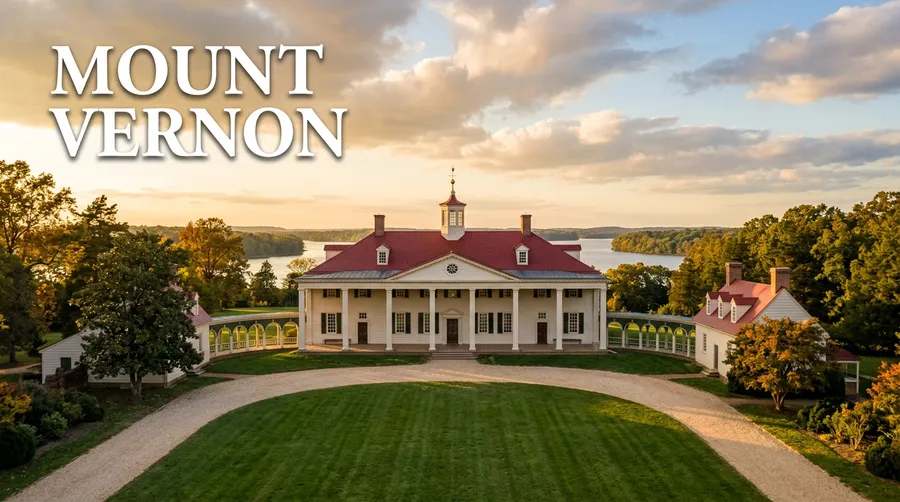
Popular options include Mount Vernon (VA), Colonial Williamsburg (VA), and Gettysburg (PA), all reachable within a day’s drive from major East Coast cities.
Where are the best places for historical vacations?
Washington, D.C., Boston, and Philadelphia offer rich historical attractions and well-preserved landmarks.
What city has the most historical sites?
Boston is often cited for having the highest concentration of registered historical landmarks in the U.S.
What is the best day trip from Seattle?
Leavenworth’s historic Bavarian village and frontier-era buildings make it a top one-day excursion from Seattle.
What is a single day trip?
A journey completed within one calendar day without overnight accommodations.
Where can I go abroad for one day?
From border cities, Vancouver (Canada) or Tijuana (Mexico) are popular international day-trip destinations.
How long should a day trip be?
Most day trips span 8–12 hours, balancing travel time with sightseeing.
What does daytrip mean?
A short excursion to a destination and back on the same day.
What is a single day pass?
An admission ticket valid for one day that grants access to specified sites or attractions.
When is the best time of year to visit historical sites?
Spring and fall offer mild weather and fewer crowds for outdoor historical tours.
Are guided tours available at these sites?
Most major historical sites offer guided tours; check official websites for schedules and reservations.
Do historical sites require advance reservations?
Advance booking is recommended for popular landmarks, especially during peak season.
What are the typical admission costs?
Admission ranges from free entry at national parks to $10–$25 for museums and historic homes.
Are these sites family-friendly?
Yes; many historical sites offer interactive programs and child-oriented exhibits.
Is parking available on site?
Most sites provide on-site parking, sometimes for a nominal fee or free for visitors.