Biltmore's Hidden Depths: An Expert's Guide
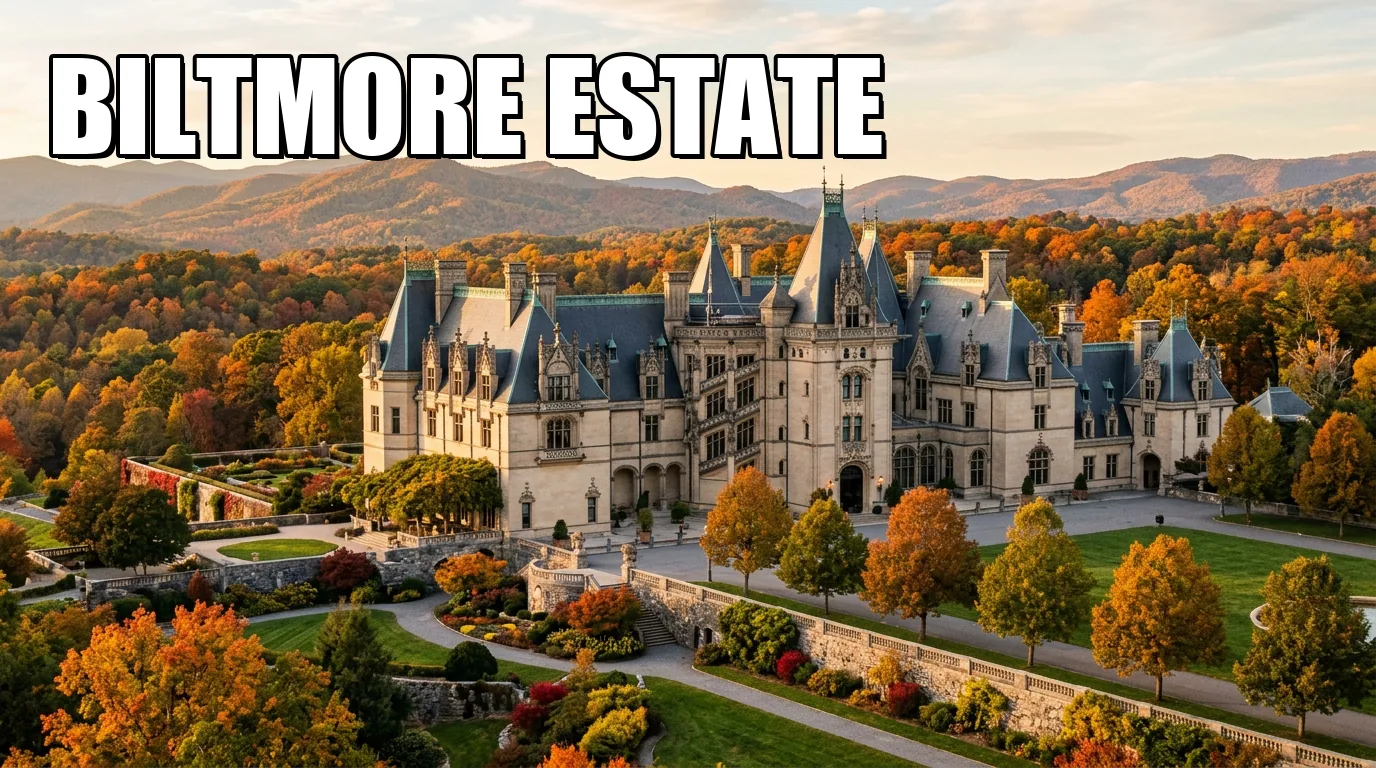
Imagine a world where ambition knew no bounds, where a single family's fortune could conjure a sprawling French château from the Appalachian wilderness. That's the essence of Biltmore Estate, a testament to Gilded Age opulence and a fascinating study in architectural ingenuity. Most visitors simply gasp at the sheer scale, but I find the real stories are etched into the less obvious details—the triumphs of engineering and the curious compromises that reveal so much about the era.
The Grand Vision: Crafting an American Château
This wasn't merely a house; it was an entire village built around a dream. George Vanderbilt, the youngest son of William Henry Vanderbilt, envisioned a self-sustaining country retreat on a monumental scale. Construction began in 1889, transforming 125,000 acres near Asheville, North Carolina, into a landscaped paradise. The sheer audacity of the project still astounds: six years of intensive labor, employing approximately 1,000 workers, including 60 specialized stonemasons, all to construct a mansion eventually spanning an astonishing 175,000 to 178,926 square feet. By the time the main house officially opened its doors on Christmas Eve 1895, coinciding with George's new bride, Edith Stuyvesant Dresser's arrival, the original cost had ballooned to between $5 million and $6 million—a sum equating to roughly $150-174 million in today's economy. This wasn't just expenditure; it was an economic stimulus package for an entire region, creating jobs and drawing skilled artisans from across the globe.
Architectural Maestros: Hunt's French Flair, Olmsted's Natural Symphony
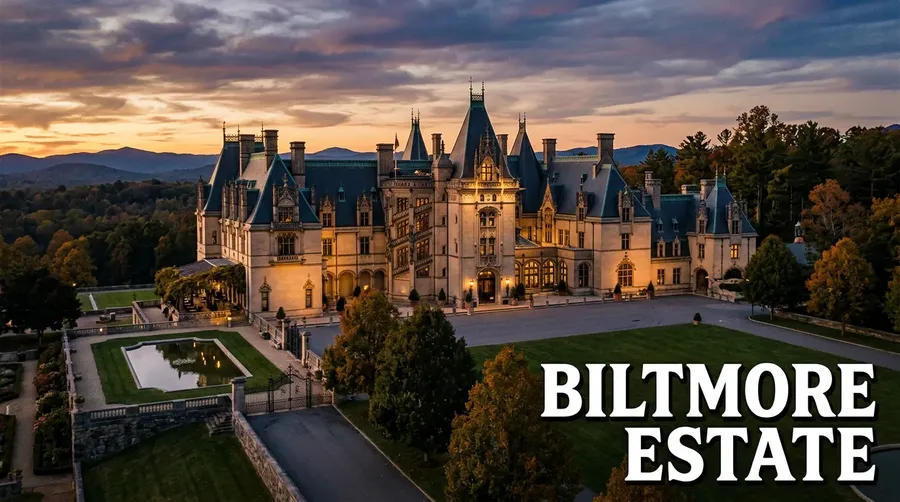
What truly sets Biltmore apart isn't just its size, but the caliber of the minds behind its creation. Vanderbilt enlisted the titans of American design: Richard Morris Hunt for the architecture and Frederick Law Olmsted for the landscape. Hunt, often called the "Dean of American Architecture" in the late 19th century, designed the mansion in a French Renaissance Châteauesque style, a direct nod to the grand Loire Valley châteaux like Blois, Chenonceau, and Chambord. This choice was deliberate, a statement of sophisticated taste meant to rival the European aristocracy. Olmsted, the visionary behind New York's Central Park and the recognized father of American landscape architecture, had the daunting task of shaping Vanderbilt's vast acreage into something both natural and cultivated. He planned the formal gardens, the extensive forests, and the agricultural operations, creating a harmonious ecosystem that supported the estate. Their collaboration was pivotal, ensuring the estate felt like a cohesive, breathtaking whole, rather than just a massive house dropped into the woods.
Beyond the Façade: Unmasking Biltmore's Ingenious Underbelly
Many guides focus on the lavish ballrooms and priceless art, but the real marvels of Biltmore often lie in its less glamorous spaces—the areas where form met function, and where 1890s technology pushed boundaries. Delving into these hidden corners offers a glimpse into the innovative spirit of the Gilded Age, revealing how Vanderbilt sought to blend unparalleled luxury with surprising practicality. These are the details that separate Biltmore from simply being "another big house"; they transform it into a living artifact of its time, a place where architectural ambition ran deep, right down to the plumbing and plant logistics.
A Subterranean Oasis: The 1890s Pool's Hidden Paradox
Perhaps the most fascinating of Biltmore’s hidden wonders is its indoor swimming pool, tucked away in the basement. When I first saw it, the grandeur of the space surprised me: a vast chamber with Italian marble flooring, hand-painted aquatic tiles, ornate columns, and light streaming in from arched windows and skylights. This was no ordinary pool; it was a Beaux-Arts masterpiece, representing the cutting edge of leisure technology in the 1890s. The pool held an immense 70,000 gallons of heated water, a feat of engineering in itself. Its most distinctive feature, however, isn't immediately obvious: the majestic dome ceiling. This intricate structure was created by Spanish architect Rafael Guastavino using his patented thin-tile vaulting system—interlocking terracotta tiles and Portland cement that formed a robust, decorative canopy. Even more astonishing were the DC electrical lights submerged underwater, an extraordinary luxury when many American homes still relied on gas or oil lamps.
However, for all its technological prowess, the pool harbored a significant practical limitation. Despite its heating and filtration systems—primitive by today's standards—it lacked proper chemical sanitization. This meant the entire 70,000 gallons of water had to be drained and replaced every three days. The infrastructure was ingenious, drawing water from a mountain reservoir two miles away, but the sheer volume of water and the constant cycling highlight that this amenity, while a symbol of ultimate luxury, was more of a high-maintenance status symbol than a truly practical, modern swimming facility. It reveals a specific snapshot of technological progress: immense power and scale, but still a step away from true efficiency and modern convenience. It’s a compelling example of expectation versus reality in Gilded Age innovation.
The Winter Garden's Secret: Practicality Cloaked in Elegance
Just beyond the main entrance, the Winter Garden provides a serene, light-filled contrast to the mansion's more formal rooms. This indoor botanical conservatory, with its stunning glass roof, allowed tropical plants to thrive even during harsh North Carolina winters, creating a lush, verdant retreat within the stone walls. It's a breathtaking space on its own, a testament to the Vanderbilt family's love for horticulture.
But the real secret of the Winter Garden lies beneath its elegant marble floor. Concealed almost perfectly is a hidden trap door, complete with a ladder system leading down to the sub-basement's potted plant room. This wasn't a whimsical flourish; it was a brilliant piece of practical ingenuity. This hidden access point allowed servants to discreetly move large, heavy potted plants between levels without ever disrupting the refined guest areas or marring the mansion’s aesthetic. Imagine the logistical nightmare of constantly moving massive palms through grand hallways! Architect Richard Morris Hunt had actually planned an elevator under these trap doors, a testament to his foresight, but it was never installed, leaving the ladder system as the enduring method. Today, the marble slabs fit so snugly you'd never know it was there, rarely opened except for occasional ventilation during the humid summer months. This detail, often overlooked by typical tours, speaks volumes about the meticulous planning and thoughtful design that balanced outward beauty with the necessary, often unseen, mechanics of running such a colossal estate.
Navigating the Legacy: Practicalities of Your Biltmore Journey
Visiting Biltmore today demands a blend of careful planning and a willingness to embrace its grandeur. First, understand that it's not a quick stop; you'll want to dedicate at least a full day, if not more, especially if you plan to explore the gardens, Antler Hill Village, and the winery. Expect a significant admission fee; Biltmore is privately owned and self-sustaining, so ticket prices reflect the immense cost of maintaining such a historic treasure. To avoid the most intense crowds and secure the best experience, I strongly recommend visiting during the shoulder seasons—late April/early May or mid-September/October. Weekdays are always preferable to weekends, and arriving right at opening time (typically 9:00 AM) or later in the afternoon (after 3:00 PM) can help you navigate the flow more comfortably. Parking is included in your ticket, but you'll often take a shuttle from the main lots to the house itself, so factor in that transit time. Don't expect to just walk up and buy tickets; advance online booking is crucial, especially for specific entry times.
Ultimately, Biltmore Estate is more than just America's largest private residence; it’s a meticulously preserved window into a pivotal era. It challenges our modern understanding of luxury and technological progress, revealing how even the most audacious visions were tempered by the practical limitations and clever solutions of their time. It's a place that continually surprises, inviting a deeper look beyond the polished surfaces into the very soul of Gilded Age America.
Biltmore Estate: Your Complete Guide to America's Largest Home
What is the story behind the Biltmore?
George Washington Vanderbilt II, an heir to the Vanderbilt shipping and railroad fortune, purchased 125,000 acres of North Carolina mountain land in 1888 and commissioned architect Richard Morris Hunt to design a grand château-style mansion, which was completed in 1895 and opened to family and friends on Christmas Eve that year.
What is the Biltmore estate history?
Built between 1889-1895, the Biltmore Estate is a 250-room French Renaissance mansion constructed at a cost of $6 million (approximately $200 million in today's dollars), becoming the largest privately-owned home in the United States and serving as George Vanderbilt's country retreat.
What's so special about the Biltmore House?
Biltmore is America's largest privately-owned mansion with 250 rooms including 35 bedrooms, 43 bathrooms, 65 fireplaces, hidden secret passageways, and a 70,000-gallon indoor swimming pool, plus 8,000 acres of gardens designed by Frederick Law Olmsted, the father of American landscape architecture.
When did the Vanderbilts stop living at Biltmore?
George Vanderbilt died in 1914, and his widow Edith Vanderbilt continued living at Biltmore until her death in 1958; the Vanderbilt family ceased full-time residence after the 1950s, though descendants remain involved in managing the estate today.
What is the dark history of the Biltmore Estate?
Notable dark events include George Vanderbilt's unexpected death from appendicitis complications in 1914, a 1922 security incident where guard Walter Brooks fatally shot two young men (West and Lance) at the Shiloh gate, and various unconfirmed rumors of deaths and hauntings throughout the property's history.
What tragedies happened at the Biltmore Estate?
The most documented tragedy occurred on July 20, 1922, when security guard Walter Brooks shot and killed two young men, Laurens West and Emory Lance, after they confronted him at the Shiloh gate; George Vanderbilt's death in 1914 from surgical complications and rumors of drownings in the pool have also contributed to the estate's darker lore.
Why did the Vanderbilts lose their fortune?
The Vanderbilt family squandered their vast wealth through lavish spending on opulent mansions and extravagant parties, poor financial management, failure to actively maintain their business empire, and the division of wealth among multiple generations, which decreased investment in the family businesses.
Why can't you see all the rooms at the Biltmore estate?
Of the 250 rooms, only about 35 are open to public tours because many rooms are used for storage, staff offices, and private functions; some rooms lack historical restoration, while others are preserved to maintain the estate's operations and protect artifacts.
Was Forrest Gump filmed at the Biltmore?
Yes, scenes from the 1994 film Forrest Gump were filmed at the Biltmore Estate in Asheville, North Carolina, including shots of the main character running along the road leading to the Biltmore Inn.
How much did George Vanderbilt pay for the Biltmore Land?
George Vanderbilt purchased approximately 125,000 acres in the North Carolina mountains between 1888-1903, paying varying prices ranging from a few cents to $1,000 per acre; in 1903, he purchased Joshua Moore's holdout property for $2,250, significantly above its estimated $75 value.
What are the ticket prices for the Biltmore in 2025?
Adult admission to Biltmore House ranges from $70 during fall season to $130-$155 during the Christmas season; off-peak winter prices start at $50-$75, with discounts available for children ages 10-16, while children under 10 receive free admission.
What is the best time to visit the Biltmore Estate?
Spring (April-May) features peak flower blooms, October-November offers stunning fall foliage, and December showcases elaborate holiday decorations with 15,000 strings of lights; to avoid crowds, visit on weekdays during January-March for fewer tourists and lower prices.
What are the Biltmore Estate hours of operation?
The admission gate generally opens at 8:30-9:30 AM, while Biltmore House daytime hours are typically 10 AM-5 PM, with special extended hours for candlelight tours during the holiday season; reservations are required daily for all guests to enter Biltmore House.
How long should I plan to spend at the Biltmore?
Plan for 6-8 hours for a first-time visit to experience the house, gardens, and Antler Hill Village; the audio guide to Biltmore House takes approximately one hour, though comprehensive exploration of all attractions takes significantly longer.
Are guided tours available at the Biltmore Estate?
Yes, Biltmore offers an audio guide included with house admission (approximately one hour), kids' audio guide (50 minutes), expert-guided backstairs tours, rooftop tours, and virtual tours available online in multiple languages including English, Spanish, French, German, and Mandarin Chinese.
Is parking available at the Biltmore Estate?
Yes, self-parking is complimentary throughout the estate with multiple parking lots; complimentary shuttle service is provided from satellite parking locations to Biltmore House, and accessible parking with ADA shuttle service is available at Park & Ride Lot E.
What other attractions are available besides the mansion?
Beyond the house, visitors can explore 8,000 acres of Frederick Law Olmsted-designed gardens, Antler Hill Village & Winery, the first-ever two-lane bowling alley built inside a home, working farms, restaurants, on-site lodging at The Inn on Biltmore Estate, and seasonal events like the Easter Egg Hunt.
Is there lodging available on the Biltmore Estate grounds?
Yes, guests can stay at The Inn on Biltmore Estate, a four-star luxury hotel with modern amenities, or in private cottages on the property, allowing visitors to experience multiple days of the 8,000-acre estate in depth.