There's a certain magic to Bridgerton, isn't there? The exquisite gowns, the whispered scandals, the dizzying balls—it all paints a picture of a romantic, idealized Regency England. For those of us who appreciate architectural splendor and meticulously manicured landscapes, the show is a visual feast. But translating that on-screen fantasy into a real-world travel experience requires more than just a list of addresses. As someone who’s logged more hours exploring British stately homes than I care to admit, I’ve learned that the true charm, and sometimes the stark reality, lies in the details. What seems effortless on Netflix often demands strategic planning, especially when you’re chasing the ghost of Daphne and Simon across the English countryside.
For American travelers dreaming of a Bridgerton-themed pilgrimage in 2025, London is merely the starting point. The real gems, the sprawling estates and artfully designed gardens, lie just beyond the city’s sprawl. These aren't just pretty backdrops; they're living pieces of history, each with its own story, sometimes predating the Regency era by centuries. My aim here isn't to simply list places; it’s to offer a seasoned perspective, highlighting what makes these sites genuinely special, where the show’s magic diverges from reality, and crucially, how to navigate them like a pro—not like a bewildered tourist.
Beyond the Ballroom: Unveiling Stowe's Vauxhall Illusion
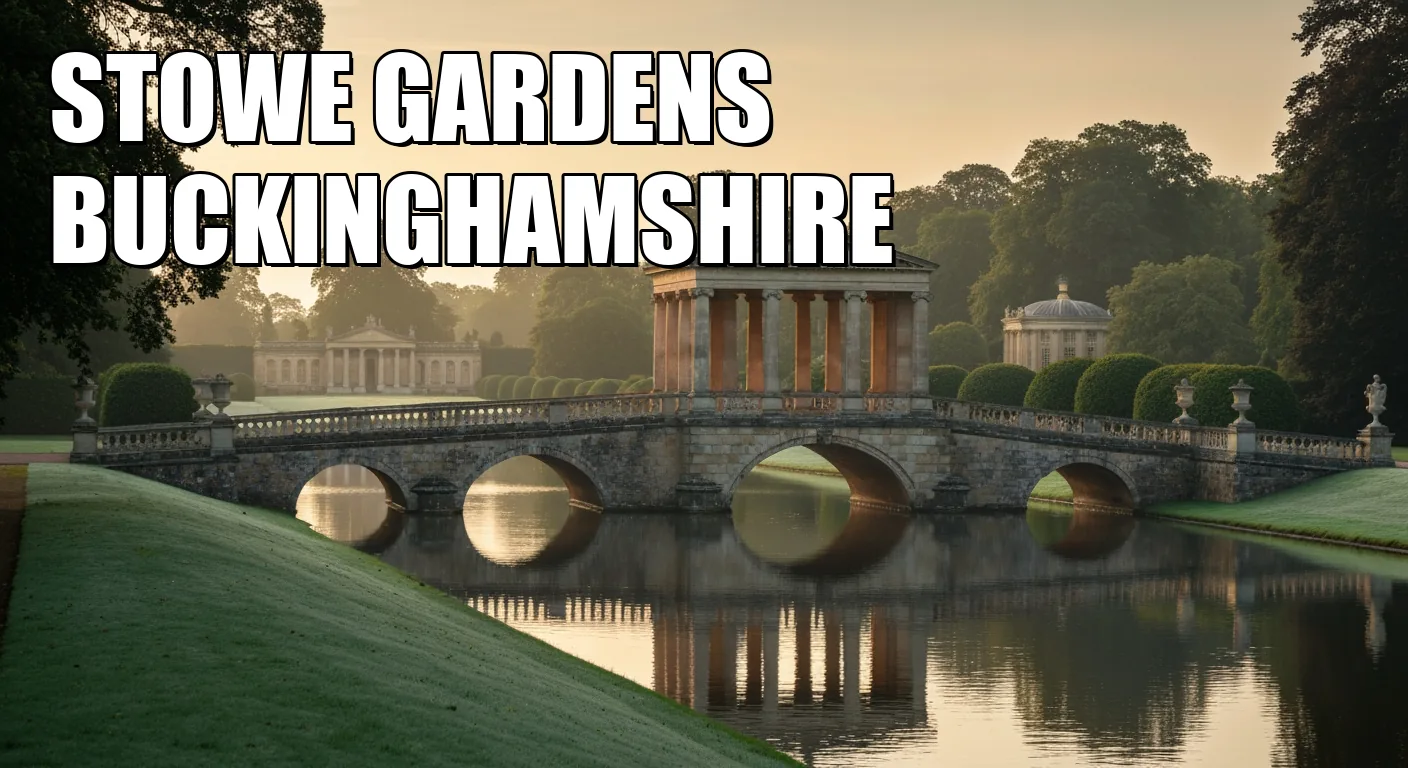
Remember that iconic, scandalous ball scene from Season 1, where Daphne and Simon first forge their pact? The one set in the supposedly raucous Vauxhall Pleasure Gardens? Well, that particular slice of on-screen revelry was conjured amidst the serene, almost ethereal beauty of Stowe Gardens in Buckinghamshire. It's an 18th-century landscape garden, a masterpiece of design rather than a bustling urban pleasure ground. The Temple of Venus, dating back to 1731, stands exactly as you see it, a classical folly nestled within acres of rolling parkland. Yet, the real-life atmosphere couldn't be further from the show's boisterous depiction. Expect tranquility, not dancing crowds.
Visiting Stowe is an experience in grand Georgian landscape architecture. This isn't a place you rush; it’s one you wander, allowing the scale of its 250 acres to truly sink in. For the dedicated Bridgerton enthusiast, the Temple of Venus is undoubtedly the focal point, a pilgrimage site for that pivotal moment. However, don't miss the rest of the gardens—the Elysian Fields, the Palladian Bridge, the sheer ambition of its design. A general admission ticket will cost you around $21.59 USD (£17.00), and yes, it grants you full access to all these delights. Free guided tours run Tuesday through Thursday at 11 am from April to October, offering invaluable historical context. My advice? Go on one of these midweek tours. You'll avoid the chaotic weekend crush of July and August and gain insights you'd never glean from a self-guided stroll. Aim for early June or the first two weeks of September for ideal weather and significantly fewer people; otherwise, book your tickets by late May/early June for any summer date.
Painshill's Picturesque Deception: Where Primrose Hill Truly Lies
Every Bridgerton fan remembers the promenades at Primrose Hill, where the "ton"—that exclusive, gossipy social set of Regency London—gathered to see and be seen. Those scenes, brimming with elegant gossip and subtle flirtation, weren't actually shot on London's famous Primrose Hill but within the artfully constructed landscape of Painshill Park in Cobham, Surrey. Designed in the 18th century by Charles Hamilton, this park is a carefully crafted Eden, featuring a serpentine lake, a charming Chinese Bridge, and a Five Arch Bridge, all appearing frequently as picturesque backdrops to Simon and Daphne’s burgeoning romance. It’s a testament to the power of design that it can so convincingly stand in for an entirely different location.
What truly sets Painshill apart from its peers isn’t just its Bridgerton connection; it’s its unique blend of natural beauty and man-made curiosities. The Crystal Grotto, for instance, a subterranean wonderland adorned with hundreds of thousands of calcite and quartz crystals, is a genuinely surprising feature from the 1760s that most guides overlook. Admission is approximately $15.88 USD (£12.50) when booked online, which I highly recommend, especially for peak season. Don't show up on a Monday, though, as the Grotto is closed for maintenance. This is a self-guided exploration, so allow ample time to wander its 160 acres. If you’re a photographer, a shoulder-season visit—early June or late August/early September—will grant you unencumbered shots of its stunning vistas and architectural follies without the throngs of peak summer visitors. It's a gorgeous park regardless of its TV fame, and that, to me, is its true draw.
Stepping into the Featheringtons' World: Basildon Park's Grand Facade
The Featheringtons, with their vibrant and sometimes questionable taste, occupy a residence that's as memorable as their personalities. That imposing 18th-century Palladian mansion, often seen from the outside with its elegant terrace and formal gardens, is actually Basildon Park in Lower Basildon, Berkshire. It's been a recurring star, particularly in Seasons 2 and 3, hosting dramatic balls and significant family moments. The exterior shots and garden scenes, including a crucial Featherington ball finale and interactions involving Lady Tilley Arnold, truly leverage Basildon’s grandeur. It exudes that upper-crust, slightly ostentatious air that perfectly suits the Featherington family's aspirations.
A visit here, priced around $24.13 USD (£19.00), offers access to both the meticulously restored house interiors and the sprawling 400-acre parkland. Unlike some locations, here you get to see how the other half lived inside and out. The house itself is a treasure trove of Georgian and Regency design, providing a tangible sense of the period's opulence. Don't underestimate the walk up to the house, though—it’s a 400-yard uphill approach. Thankfully, a visitor buggy is available if you’re not keen on the trek. While there are no Bridgerton-specific tours, the volunteer-led estate walks are fantastic for delving into the property's rich history. To truly appreciate Basildon, I strongly advise pre-booking your tickets by mid-June for any summer visit. Weekends are particularly mobbed; Mondays through Wednesdays offer a far more serene experience. You’ll find the parkland especially enchanting in May, when buttercups carpet the ground, or in early September, when the light shifts to a golden hue.
Claydon House: An Intimate Glimpse into Regency Opulence (and Surprise)
For those who've followed the Featheringtons' journey closely, Claydon House holds a special significance in Season 3, particularly for the wedding breakfast scene in episode seven. This Grade I listed mansion, nestled in Middle Claydon, Buckinghamshire, offers a more intimate, less overwhelming experience than some of the grander National Trust estates. Its true marvel lies within its ornate 18th-century interiors, specifically the Saloon and the Chinese Room, which are adorned with such extraordinary carved details that they simply demand closer inspection. These rooms provided the lavish, yet slightly less familiar, backdrops for the Featherington family's upper-crust gatherings.
What surprised me about Claydon was its comparative tranquility. While it played a significant role in the latest season, it hasn’t yet drawn the same overwhelming crowds as Stowe or Basildon. Admission is the most affordable on this list at $13.97 USD (£11.00). You gain access to the house interiors, historic gardens, and grounds, often with the bonus of a guided tour during the first hour of opening. If you prefer a less harried visit, this is your spot. Booking by late June for a summer visit is still wise, but walk-up tickets are generally available, saving you the pre-booking hassle. Still, if you want to be sure, National Trust always recommends advance purchase. My pick for the ideal visit window? June or early September—you’ll enjoy pleasant weather and genuinely manageable crowds, allowing you to truly absorb the intricate craftsmanship of this hidden gem.
Osterley Park: London's Neoclassical Retreat, Sans the Carriage Ride
Moving much closer to the heart of the action, at least geographically, we find Osterley Park and House in Isleworth, Hounslow. This remarkable 18th-century country estate, still intact within outer London, served as a stunning outdoor ball location in Season 3. Designed by the celebrated Robert Adam, its neoclassical interiors and meticulously manicured formal gardens perfectly capture the elegant Regency-era ambiance required for aristocratic gatherings. The sheer convenience of this location for a London-based traveler is unparalleled; you don’t need a carriage—or even a rental car—to get there.
Osterley is a masterclass in Robert Adam's vision, with interior rooms that speak volumes of refined taste. Beyond the house, its 350+ acres of landscaped parkland, complete with ornamental lakes and pleasure grounds, provide ample space for a leisurely stroll. An adult ticket for the House & Gardens costs around $21.59 USD (£17.00), with a gardens-only option for less. Its proximity to central London (a short Piccadilly Line ride to Osterley Station, then a 15-minute walk) makes it the most accessible location on this list for those relying on public transport. However, this convenience comes with a caveat: weekends in July and August see substantial crowds. To truly soak in Osterley’s splendor, I’d suggest a midweek visit in early June or early September. Book your preferred time slot by mid-June, especially if you plan to visit during the summer holidays. Don’t expect dedicated Bridgerton tours; this is a self-guided experience, best enjoyed with time and curiosity.
Navigating the 'Ton' in 2025: Strategic Planning for a Seamless Visit
Here’s the unvarnished truth about visiting these sites during the summer: the romanticized images from Bridgerton often gloss over the sheer volume of visitors. July and August are absolute peak season for UK tourism. Accommodation prices spike, popular attractions reach maximum capacity by mid-morning, and queues become an undeniable part of the experience. Thinking ahead isn't just helpful; it's absolutely essential to avoid disappointment.
Your booking strategy for Summer 2025 should begin now. Flights and accommodations for next summer are already trickling onto booking platforms, and securing them early will save you a small fortune. By mid-March 2025, you should have your accommodations finalized and be ready to purchase your estate tickets online, as many will become available then. Crucially, aim to have all your attraction bookings secured by June 1, 2025, before the true peak season stampede begins. This isn't about being overly cautious; it's about guaranteeing access and avoiding long, frustrating waits.
Consider the "shoulder seasons" for a genuinely superior experience. Early June offers excellent weather, often lower crowds, and gardens still bursting into bloom, with online discounts frequently available. Late June provides peak weather and glorious daylight hours, just before the school holidays unleash the masses. If your schedule allows, early September is my personal favorite: the weather remains delightful, crowds dramatically thin out, and prices for both tickets and hotels tend to dip post-summer. Yes, daylight hours are slightly shorter, but the trade-off in serenity is often well worth it. For those planning on visiting three or more National Trust properties, a Visiting Pass for non-UK residents ($198 for 7 days or $268 for 14 days) can offer significant savings compared to individual ticket purchases.
Finally, a word on logistics: while all these locations are accessible via public transport or rental car from London, the National Trust actively encourages train or bus travel during peak season. Parking can be a nightmare at some sites, and local roads can become congested. All five properties listed do offer excellent accessibility, including wheelchair access, accessible parking, and often visitor buggies or mobility assistance. Providing advance notice (typically seven days) for any specialized accessibility requests ensures a smooth visit. Ultimately, the joy of visiting these sites isn’t just about seeing where Bridgerton was filmed; it's about connecting with the enduring beauty and history of England, a connection that deepens when you navigate it with insider knowledge and a thoughtful plan.