
Andrew Carnegie’s Fifth Avenue House: What the Site Still Means in New York
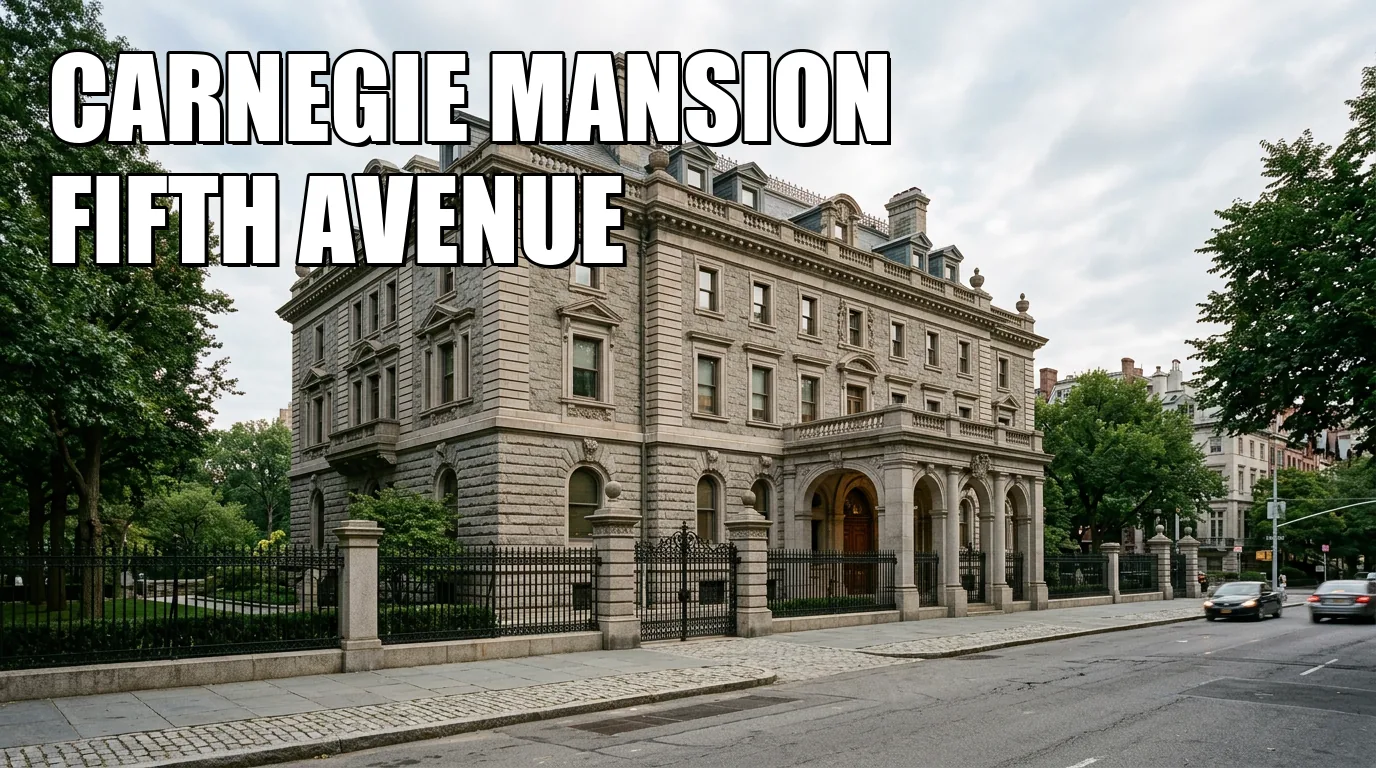
Standing sentinel at 2 East 91st Street, Andrew Carnegie's Fifth Avenue mansion is more than just a grand edifice; it's a testament to a particular moment in American history, an era of unprecedented wealth and the nascent stirrings of modern philanthropy. As someone who has wandered through countless historic homes, I can tell you this one carries a different resonance. It speaks not just of riches, but of a purposeful, sometimes contradictory, life. While many Gilded Age mansions have been demolished or stripped of their original character, Carnegie's stands largely intact, offering a rare window into the private world of a man who reshaped American industry.
How, then, did this Scottish immigrant, who began his working life as a bobbin boy, come to commission one of New York City's most distinguished private residences? Carnegie’s journey from humble beginnings to the pinnacle of steel production is a familiar rags-to-riches narrative, but his home reveals the specificities of his success and his unique vision for his twilight years. Designed by the respected firm of Babb, Cook & Willard, the mansion began construction in March 1899 and opened its doors to the Carnegie family on December 12, 1902. This was no ostentatious display of new money, though wealth it certainly proclaimed. Instead, it was built with a deliberate solidity, a quiet grandeur that spoke of established power rather than flamboyant excess.
A Granite Bastion on Millionaire's Row: Carnegie's Grand Vision
What truly distinguishes Carnegie’s mansion from many of its Gilded Age contemporaries? While other Fifth Avenue titans like the Vanderbilts or Astors often embraced European châteaux or Italianate palazzos, Carnegie opted for a more restrained, almost Romanesque classicism in granite. It felt less like a transplanted European fantasy and more like an American fortress of industry and intellect. The choice of Babb, Cook & Willard, known for their solid, well-proportioned designs, reflected Carnegie’s own pragmatism. This wasn't about fleeting fashion; it was about building a lasting legacy. Approaching the mansion today, which now houses the Cooper Hewitt, Smithsonian Design Museum, one is immediately struck by its imposing, yet understated, presence. It's a freestanding structure, a rarity even then, boasting a generous garden that separated it from the urban bustle—a touch Carnegie insisted upon, perhaps recalling the open spaces of his native Scotland. He famously remarked that "having my house free on all four sides was a luxury that few New Yorkers could afford." Imagine the sheer audacity of carving out such breathing room in burgeoning Manhattan!Beyond the Facade: Unpacking the Mansion's Inner Workings
Stepping inside the Great Hall, it's clear this wasn't merely a reception area; it was a carefully curated experience designed to impress and to evoke a sense of heritage. Modeled directly after the main hall of Carnegie's beloved Skibo Castle in Scotland, this space boasted an immense grand staircase, rich wood paneling that whispered of ancient forests, and Tiffany-style lamps that cast a warm, inviting glow. This wasn’t just an architectural nod; it was a profound psychological statement. Carnegie, the self-made American industrialist, was simultaneously asserting his deep connection to his Scottish roots, bridging two worlds in a single, magnificent room. Just beyond, the Conservatory offered a stark, delightful contrast. Picture curved glass walls soaring towards a distinctive Tiffany glass dome ceiling, all enclosing a vibrant collection of tropical and subtropical plants. For Mrs. Carnegie, this was her personal jewel box, a lush, verdant escape from the often-harsh New York winters. It represented a specific kind of luxury—not merely expensive, but rare, a microclimate of exotic flora curated within the heart of Manhattan. Most visitors, accustomed to seeing conservatories as grand public spaces, might miss the intimate, personal delight this room offered to the family and their guests, a quiet oasis where one could almost forget the city outside.More Than Just a Home: A Philanthropist's Private Command Center
Perhaps the most revealing spaces in the mansion were Andrew Carnegie's Library and Private Study. These first-floor rooms, overlooking both Fifth Avenue and the cherished garden, served as the epicenter of his post-steel empire life. It was here that the man who had accumulated vast riches meticulously planned their distribution. I’ve seen countless executive offices, but few carry the weight of global impact quite like these rooms. It wasn't merely a place for quiet reading; it was the nerve center for his burgeoning philanthropic endeavors, where he would receive countless applications for funding. The walls of these rooms were stenciled with Carnegie's favorite inspirational sayings, including the profoundly resonant "The Kingdom of Heaven is within you." This detail, often overlooked in standard tours, speaks volumes about Carnegie himself. Here was a man of immense worldly power, yet he sought spiritual solace and guidance within his own study, reminding himself daily of an internal, rather than external, measure of worth. It’s a powerful juxtaposition between the Gilded Age's material obsessions and Carnegie's deeply personal, almost spiritual, approach to wealth distribution.Where Ideas & Rivalries Converged: Carnegie's Table as a Social Crucible
The mansion wasn't just a place for work; it was a vibrant hub of social and intellectual exchange. The Dining Room, a stage for elaborate dinner parties, and the Drawing Room, arranged for more intimate conversations, saw a parade of the era's most significant figures. But it wasn't just about showing off; it was about connecting minds. Mrs. Carnegie, with her distinctive and utterly charming custom, would have guests sign Irish linen tablecloths in pencil after dinner, which she then had embroidered and preserved. Imagine the historical weight of those cloths, each stitch a record of an evening shared with titans like Mark Twain, presidents, and even Marie Curie. It’s a testament to a form of social engagement that feels almost quaint in our hyper-connected, yet often impersonal, age. One particular evening vividly illustrates the unique atmosphere Carnegie cultivated. He hosted a dinner for the Authors Club of New York, an event managed by Richard Watson Gilder, editor of "The Century" magazine. Among the guests were two literary lions known for their contentious relationship: Ernest Thompson Seton and John Burroughs. When initially seated apart, Carnegie, ever the shrewd diplomat and peacemaker, famously—and perhaps mischievously—rearranged the place cards to seat them side-by-side. By the end of the evening, to everyone's surprise, the two adversaries had reconciled. Carnegie, with his characteristic wit, observed, "if you wish to play peace-maker, seat adversaries next to each other where they must begin by being civil." This isn't just a charming anecdote; it reveals Carnegie’s profound understanding of human nature and his willingness to actively shape social outcomes, even at his own dinner table. Speaking of literary giants, Mark Twain was a frequent and cherished guest. Their friendship was legendary, characterized by mutual respect and a shared sense of humor. After Carnegie announced his retirement from the steel industry, Twain penned a famously witty letter: "Dear Sir and Friend, You seem to be prosperous these days. Could you lend an admirer a dollar-and-a-half to buy a hymn-book with? God will bless you if you do; I feel it, I know it. So will I." It’s a playful jab that underscores the genuine warmth between the two men, a friendship that transcended their respective spheres of influence. Other esteemed guests included the groundbreaking scientist Marie Curie, the influential educator Booker T. Washington, and numerous presidents and statesmen from around the world. The mansion’s 1,500-bottle wine cellar and the majestic Aeolian organ in the main hallway undoubtedly added to the sensory richness of these celebrated evenings.From Private Domain to Public Treasure: Visiting Today's Carnegie Legacy
Today, Carnegie's mansion is home to the Cooper Hewitt, Smithsonian Design Museum, offering a unique opportunity to walk through spaces once inhabited by one of America's most transformative figures. This transition from a private residence to a public museum is itself a fascinating aspect of its legacy. While you won't see period furnishings exactly as the Carnegies left them, the architectural integrity of the rooms remains. You're not just viewing an exhibit; you're standing within history itself. When planning your visit, keep a few things in mind. The museum typically operates on a standard museum schedule, usually Tuesday through Sunday. Admission fees are generally modest, but always check their official website for the most current pricing and any timed entry requirements, especially during peak tourist seasons like summer or school holidays. To truly appreciate the grandeur and imagine its past life, try to visit on a weekday morning. You'll encounter fewer crowds, allowing for a more reflective experience. Picture the quiet mornings when Carnegie himself would have retreated to his study, or the bustling evenings when the Great Hall would have echoed with conversation and organ music. This is one of those sites where knowing the context truly enhances the contemporary visit. It’s a powerful reminder that even the grandest of homes eventually serves a new purpose, yet the echoes of its original inhabitants can still resonate if you listen closely.Discovering Andrew Carnegie's Mansion: Your Complete Guide to the Cooper-Hewitt Museum
What is the history of Carnegie House?
The Andrew Carnegie Mansion at 2 East 91st Street was built from 1899 to 1902 in Georgian Revival style by architects Babb, Cook & Willard, featuring 64 rooms and serving as Carnegie's residence until his death in 1919. It became the Cooper-Hewitt, Smithsonian Design Museum in 1976 and is now among the most visited design museums in the country.
Did Andrew Carnegie have a mansion?
Yes, Andrew Carnegie owned the iconic 64-room mansion at 2 East 91st Street in Manhattan's Upper East Side, which he built as his primary residence and lived in from late 1902 until his death in 1919.
What happened to the Carnegie Mansion?
After Andrew Carnegie's death in 1919, his wife Louise continued living in the mansion until her passing in 1946; the Carnegie Corporation then donated it to the Smithsonian Institution in 1972, and it opened as the Cooper-Hewitt Design Museum in 1976.
What is Andrew Carnegie known for in history?
Andrew Carnegie is best known for leading the expansion of the American steel industry in the late 19th century and for his unprecedented philanthropic legacy, including funding over 2,500 public libraries worldwide and establishing Carnegie Mellon University.
Is the Carnegie family still wealthy?
No, the 13 fourth-generation Carnegie descendants today have the self-made wealth of typical white-collar professionals, as Andrew Carnegie gave away over 90% of his fortune—nearly $350 million—during his lifetime.
Part of ⭐ Famous Residents
Film & TV Locations
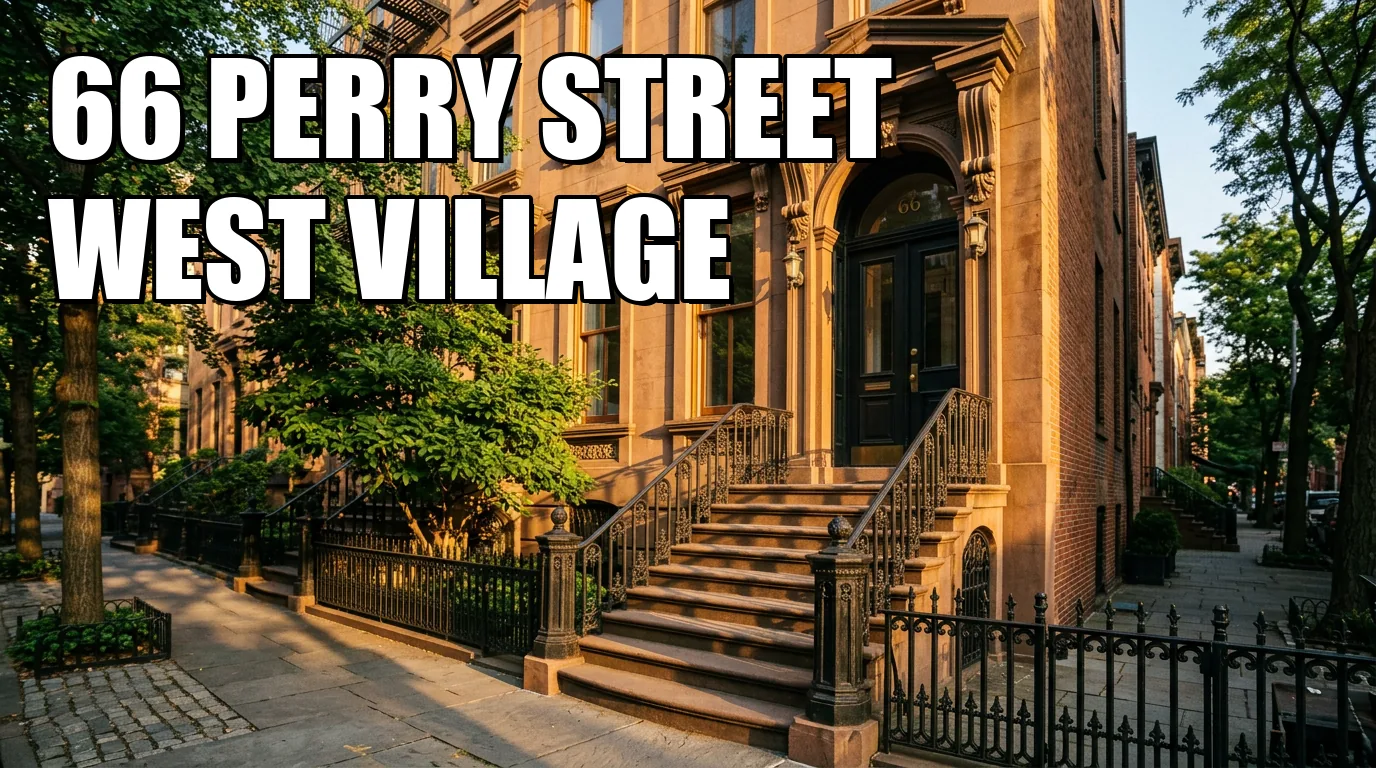
Sex and the City Apartments: Every Real Address, and the Gate on Carrie's Stoop
Carrie's 66 Perry Street is getting a gate after 20 years of fan intrusion. The full map: her new Gramercy townhouse, Charlotte's 930 Park Ave, Samantha's Meatpacking splice — and the $23 Airbnb.
Film & TV Locations
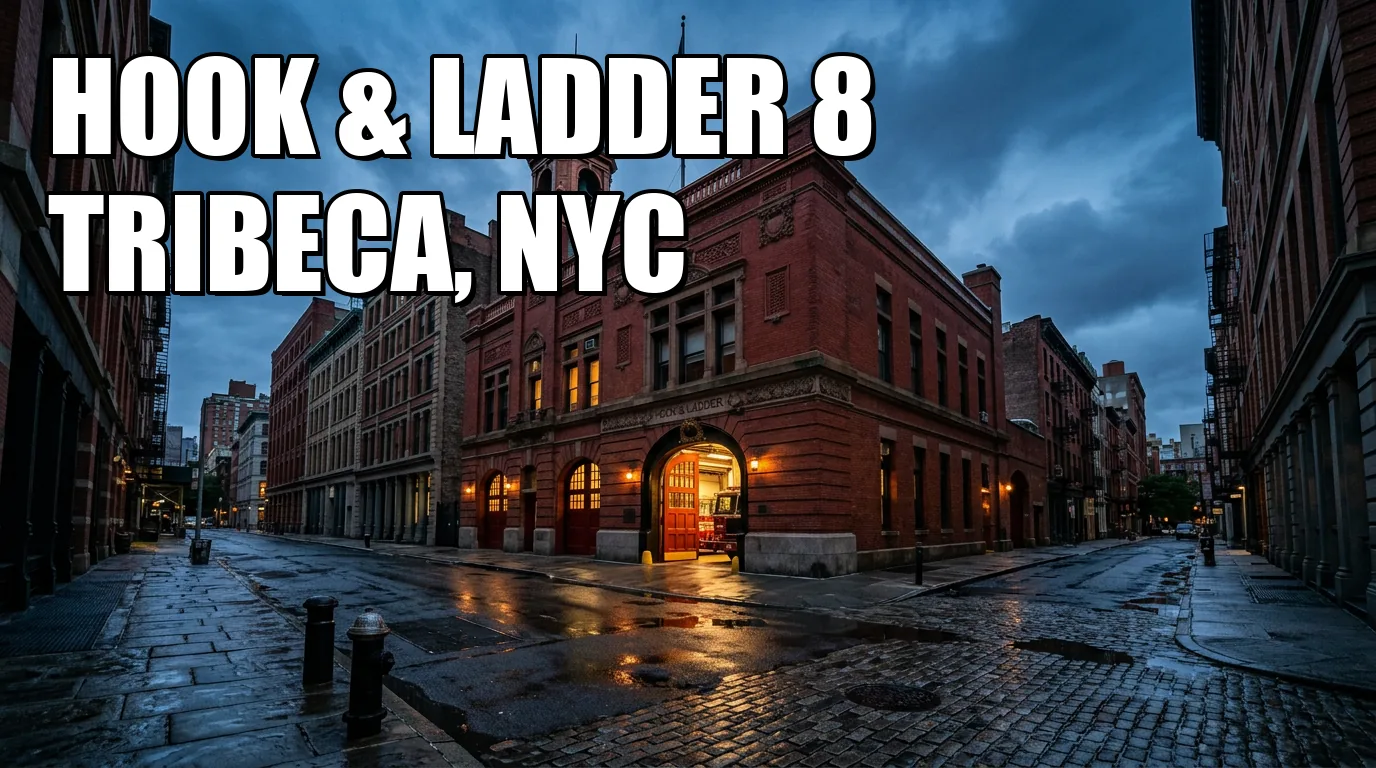
Ghostbusters Firehouse NYC: The Movie HQ Is Two Buildings
Hook & Ladder 8 supplied the Ghostbusters headquarters exterior, while the pole, offices and basement came from a Los Angeles fire station. Here is what visitors can actually see at 14 North Moore Street.
Film & TV Locations
Spider-Man Locations in 2026: NYC Exteriors, Universal Orlando, and Disney California Adventure
A practical Spider-Man guide covering what you can actually visit in 2026: Tudor City in Manhattan, Universal Orlando, and Disney California Adventure, with no time wasted on weak private-house lore.
From the author of this guide
Check In After Dark
One writer checks into the rooms with the stories — Stanley 217, Banff Springs 873, the Del's 3327 — and reports what the night is actually like.