
Carver's Tuskegee: Beyond the Peanut
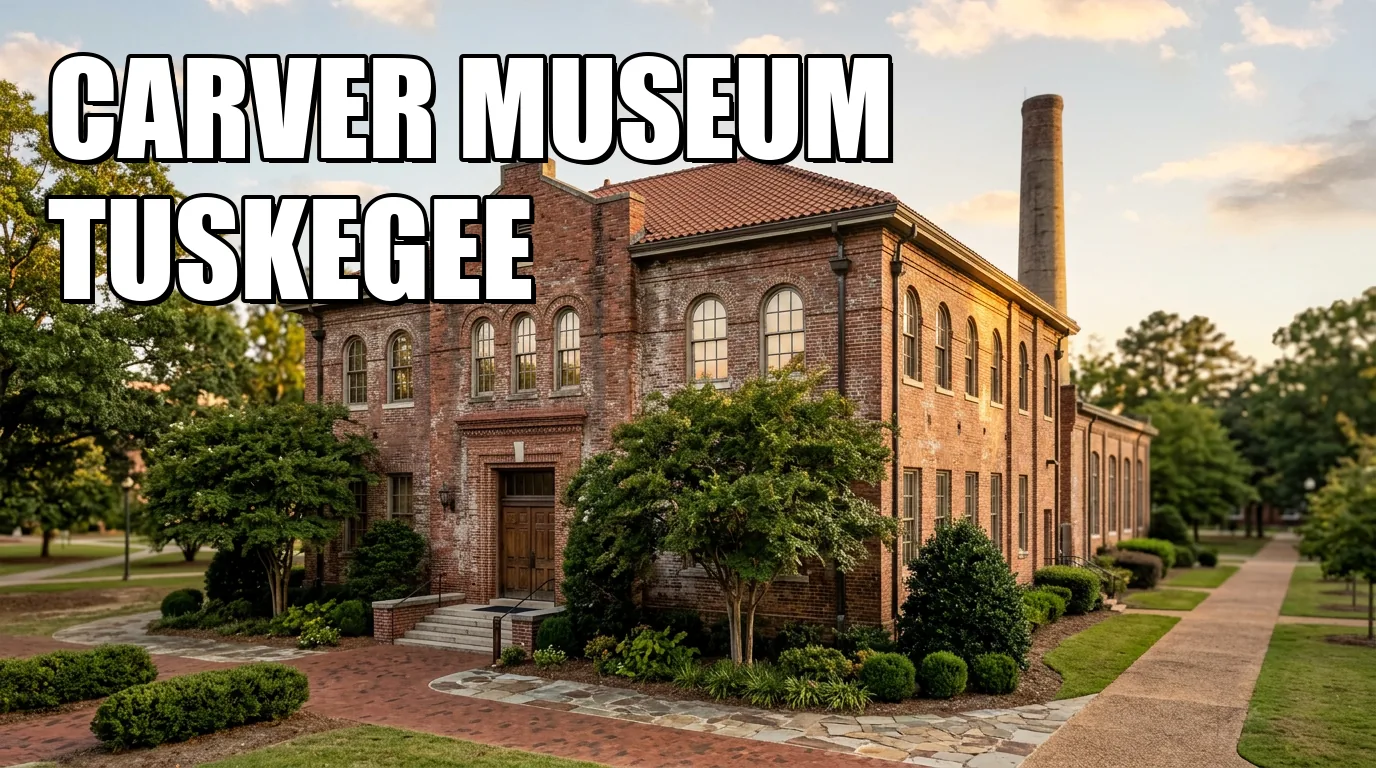
When you arrive at the George Washington Carver Museum on the historic grounds of Tuskegee University, you might expect a purpose-built monument to agricultural genius. What you’ll discover, however, is a building that began its life with a far humbler, almost incongruous, function: a laundry facility for the institute. This isn’t merely a curious footnote; it’s a foundational piece of understanding Carver’s pragmatic vision and his profound ability to transform the ordinary into the extraordinary.
### The Unlikely Metamorphosis of a Laundry Building
Picture this: it’s 1915, and the edifice standing before you is bustling with the sounds of suds and steam, serving the very practical needs of a growing educational institution. Fast forward to 1938, and Dr. Carver, then in his late seventies, saw not a mere washhouse, but a blank canvas for his culminating life’s work. He envisioned a place where his decades of research, his vast collections, and his pedagogical philosophy could converge, inspiring future generations. With the crucial support of Henry Ford, who recognized Carver’s unique genius and shared a vision for practical innovation, the building underwent a significant transformation, officially dedicating as a museum and laboratory in 1941. This conversion reveals Carver's remarkable foresight; he wasn't just collecting artifacts, he was actively curating his legacy, ensuring his discoveries would continue to educate and uplift.
What does this tell us about Carver? He wasn't one to wait for perfect conditions or grand new structures. He took what was available – a robust, albeit utilitarian, building – and imbued it with a new, higher purpose. His final years here, from 1938 to 1943, were a testament to his relentless dedication to scientific inquiry and public education, even as his health declined. This repurposed space became the physical embodiment of his belief in resourcefulness and the transformative power of knowledge, proving that great ideas can blossom anywhere, even amidst the echoes of a laundry facility.
### A Master's Workshop: Carver's Final Laboratory & Creative Space
Stepping into what was once Carver’s working laboratory, you immediately grasp the intense focus and systematic rigor that defined his approach. Situated in the northeast corner of the museum, complete with an adjacent greenhouse on its northern addition, this was his final intellectual sanctuary after relocating from the long-standing Milbank Hall. This isn't just a geographical move; it symbolizes Carver’s intentional shift towards integrating his active research with the public display of his findings. He wanted his specimens, his tools, and his discoveries to exist in direct dialogue, allowing visitors, particularly impressionable young minds, to witness the tangible outcomes of scientific exploration firsthand.
The sheer array of scientific instruments housed here speaks volumes about his multifaceted research. Most prominent among them is the Bausch & Lomb optical microscope, manufactured around 1900. This brass and steel instrument wasn't just a tool; it was an extension of Carver’s relentless curiosity, allowing him to delve into the molecular structures of everything from plants and fungi to bacteria and soils. Its presence underscores his commitment to fundamental scientific understanding, not just applied agriculture. Austin W. Curtis, Jr., who assisted Carver in his later years, affirmed its authentic use, linking us directly to Carver's peering eyes and inquiring mind.
Beyond the microscope, the laboratory hummed with the quiet efficiency of a true chemurgist. You'd find a distilling apparatus, vital for separating and analyzing plant materials; crucibles and their holders, essential for high-temperature chemical reactions; various reagent bottles, carefully storing the solutions that unlocked nature’s secrets; sturdy ring stands, securing glassware for countless experiments; steam heaters for controlled heating applications; and burners for flame reactions. Perhaps most uniquely, a peanut apothecary demonstrates his specialized approach to his most famous crop, alongside a grain scale for precise measurements and a mortar and pestle for grinding materials. A centrifuge rounded out his array, enabling the separation of substances by density. These aren't just display items; they are the silent witnesses to a scientific revolution, each piece contributing to the countless innovations that sprang from Carver’s mind.
### Beyond the Beaker: What Carver's Collections Reveal about Resourcefulness
Carver's museum wasn't merely a cabinet of curiosities; it was a carefully curated narrative designed to inspire. He envisioned it as a place where young visitors would be encouraged to "live better lives" by understanding how scientific knowledge could be applied to everyday problems. His collections were a testament to this philosophy, showcasing how local resources could be transformed into valuable products, embodying a profound commitment to self-sufficiency and economic empowerment, especially for rural farmers.
Consider, for example, his remarkable paint and pigment collections. Beginning as early as 1901, Carver discovered that the rich, varied clays of Alabama could produce stunning, long-lasting pigments. He didn't just note this observation; he systematically collected these clays, extracted their pigments, and refined them into commercial-quality paints. The museum proudly displayed these raw pigment samples in jars, alongside painted samples demonstrating coordinated color combinations suitable for ceilings, cornices, and walls. What makes this particularly fascinating is his patent for a process creating *blue* pigment from Alabama clays—a significant achievement given the historical difficulty and cost of producing true blue colorations in paint. This wasn't just an artistic endeavor; it was a practical solution for farmers who couldn't afford expensive commercial paints, showcasing a sustainable, local alternative.
His botanical and geological specimens further illustrate Carver's systematic approach to understanding Alabama’s natural bounty. The exhibits included geological and mycological samples, meticulously accumulated over his lifetime. These weren't just dried plants; imagine two-foot glass jars showcasing the dramatic results of his experimental work, like mammoth vegetables that far exceeded normal yields – tangible proof of optimized agricultural practices. Other collections featured soils preserved in bamboo containers, natural stains and dyes extracted from local flora, innovative wallboard materials he developed from waste products, and wild edible vegetables he had painstakingly cataloged and tested for nutritional value. These weren't just scientific curiosities; they were blueprints for survival and prosperity.
The museum also powerfully displayed the tangible results of Carver's chemurgical research, the process of transforming agricultural products into industrial goods. Mounted peanut plant specimens anchored his most famous crop research, but the true revelation came from the sheer volume of byproducts: samples representing over 75 pecan products, an astonishing 118 sweet potato products, and approximately 300 peanut products. These were preserved in various containers, from simple canisters to elegant glass jars, each demonstrating the transformative power of scientific application. This wasn't just about food; it was about creating economic opportunity, turning crops into everything from dyes and plastics to medicines and cosmetics, truly demonstrating his vision of unlocking the hidden potential within everyday plants.
### The Artist, The Child, The Legacy: Personal Touches and Enduring Echoes
Beyond his scientific prowess, the museum offered glimpses into Carver's multifaceted personality and creative spirit. Many guides might focus solely on his scientific achievements, but the museum initially captured his diverse talents, revealing a man who defied easy categorization. While a devastating fire in 1947 unfortunately destroyed most of his paintings, the collection once proudly included his original botanical drawings, his insightful Iowa State College senior thesis on plant modification, and even examples of his needlework, crochet, and knitted items created over 40 years. These artistic expressions weren't mere hobbies; they demonstrated that Carver’s creative abilities extended far beyond agricultural chemistry, embodying a holistic approach to life and learning that valued both scientific precision and artistic beauty.
Perhaps most poignant were the artifacts from Carver's early life, recovered from his childhood home in Diamond Grove, Missouri. A rusted tin lantern, a broken plate, some rusted utensils, and a miniature chalkboard painted a stark picture of the profound poverty and challenging circumstances he experienced as an enslaved child. Yet, the chalkboard also speaks to the early instruction he received from Moses and Susan Carver, highlighting the foundational role education played in his improbable journey from enslavement to global scientific renown. These humble items don't just tell a story of hardship; they offer a powerful testament to resilience, intellect, and the enduring human spirit that allowed him to transcend his origins and touch the lives of millions.
### Visiting Tuskegee's Carver Museum: Navigating the Past (and the Present)
So, what should you expect when you plan a visit to this remarkable site today? First, understand that the museum's history isn't without its challenges. The official opening in 1941, graced by Henry and Clara Ford, was a high point. However, a devastating fire in November 1947, originating in a basement student laboratory, severely damaged the interior, consuming many of Carver’s irreplaceable original paintings and other artifacts. This is a crucial piece of context: while much was lost, what remains is profoundly significant, carefully preserved and contextualized. The building subsequently underwent extensive interior remodeling, and its laboratory functions were discontinued, with the focus shifting entirely to museum exhibitions. Don't expect a fully preserved active lab; instead, anticipate a carefully curated interpretive space.
When Tuskegee Institute donated the museum to the National Park Service in 1977, and much of the Carver collection in 1979, the building became an integral part of the Tuskegee Institute National Historic Site. This designation is key, ensuring the long-term preservation of these artifacts and spaces for future generations. While the site is generally free to enter, checking for specific parking fees or guided tour costs is always wise, especially if you're driving in.
To truly appreciate the museum, consider your timing. Early spring or late fall often offer the most pleasant weather and fewer crowds, allowing for a more reflective experience. Summers in Alabama can be stiflingly hot, and peak tourist season can mean larger school groups. Arriving earlier in the day, particularly on a weekday, will almost always afford you a more intimate visit. What you might not glean from other guides is the palpable sense of place – the quiet reverence that still permeates the halls where such monumental work took place. While some originals were lost to fire, the interpretive displays, the remaining artifacts, and the sheer narrative power of Carver’s life still make this a profoundly moving and educational destination. It’s not just a collection of artifacts; it’s an enduring echo of ingenuity, perseverance, and a vision for a better world.
Exploring the Legacy of George Washington Carver: A Visitor's Guide
Where was George Washington Carver's home?
George Washington Carver was born and raised on the Moses Carver farm near Diamond Grove, Missouri, until age 12, and later spent 47 years at Tuskegee Institute (now Tuskegee University) in Alabama, where he directed the agricultural department from 1896 until his death in 1943.
What is the history of George Washington Carver?
Born into slavery around 1864-1865 in Diamond, Missouri, George Washington Carver overcame racial barriers to earn degrees from Simpson College and Iowa State University, becoming a pioneering agricultural scientist who revolutionized farming through crop rotation methods and developed over 300 products from peanuts and sweet potatoes to improve Southern farmers' livelihoods.
George Washington Carver home history
The historic 1881 Moses Carver House, located at the George Washington Carver National Monument in Diamond, Missouri, sits on the original farmstead where young George was raised after being kidnapped and returned by Confederate raiders; the house is one of few structures directly associated with his early life and is open to visitors today.
Where did George Washington live throughout his life?
George Washington Carver lived on the Carver farm in Diamond, Missouri from infancy until age 12, then traveled through Kansas, Iowa, and other states seeking education before settling permanently in Tuskegee, Alabama in 1896, where he remained for the final 47 years of his life.
How did George Washington Carver change lives?
Carver transformed the lives of Southern farmers—especially formerly enslaved people—by introducing crop rotation techniques and promoting alternative crops like peanuts and sweet potatoes, which restored depleted soil and created new economic opportunities, while his educational efforts through Tuskegee Institute directly improved conditions for African American communities.
Part of ⭐ Famous Residents
Famous Residents
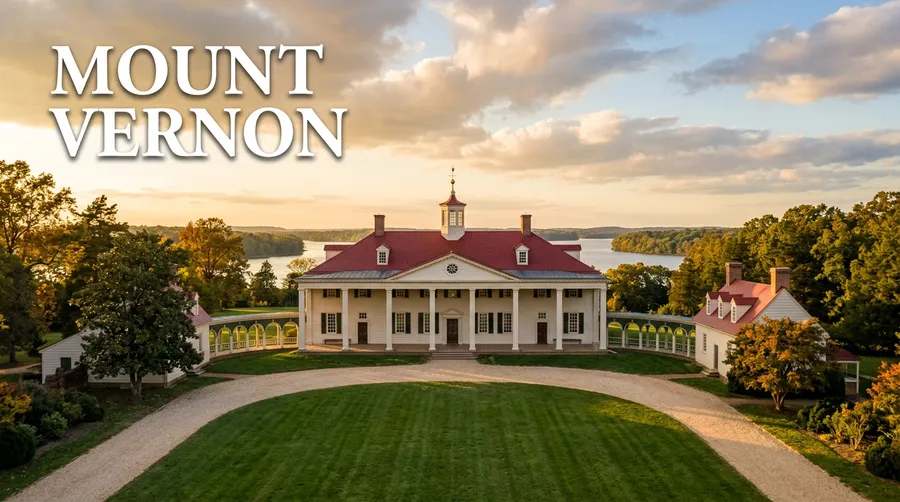
Mount Vernon Tickets, Mansion Tour, and What to See at George Washington’s Estate
A first-timer’s Mount Vernon guide covering timed mansion entry, how long to budget, what is included beyond the house, and how the estate now frames slavery as central history.
Famous Residents
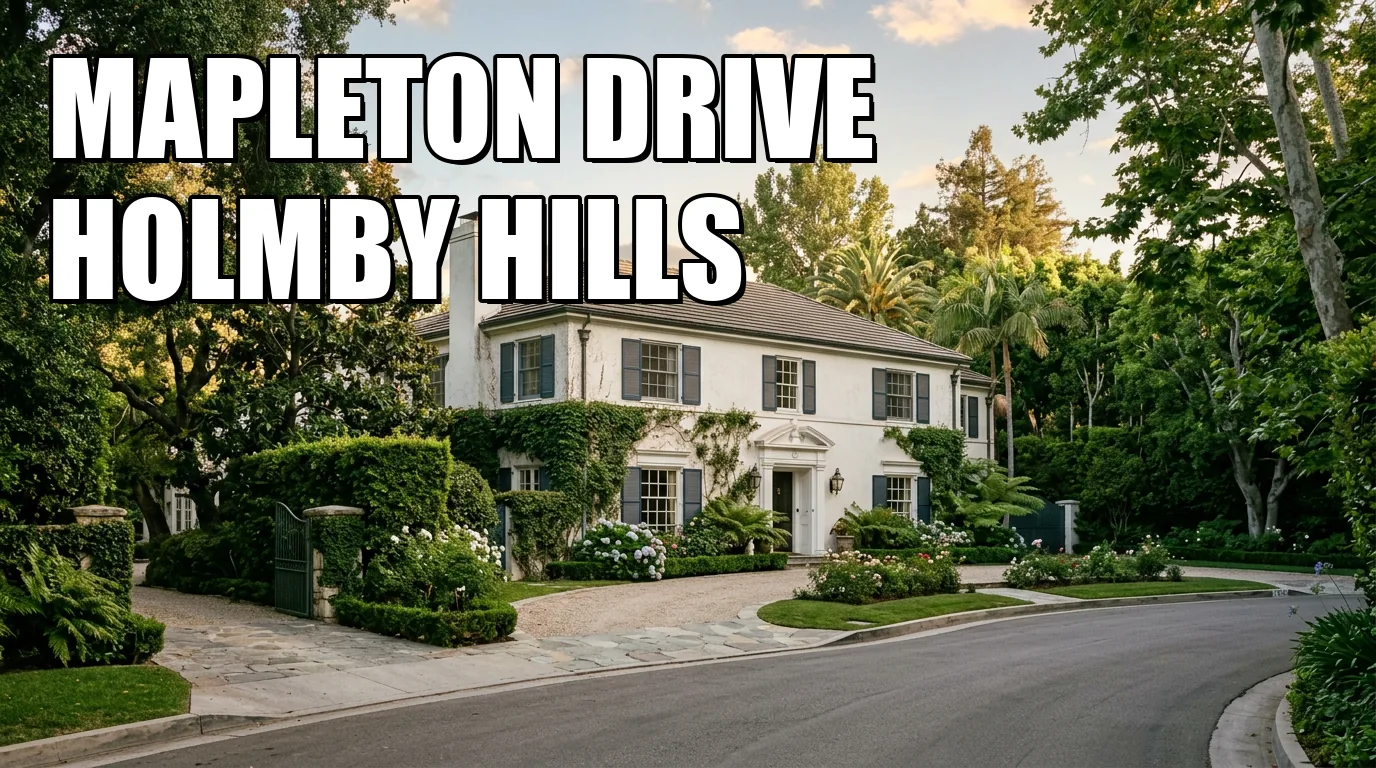
Humphrey Bogart Homes: The Los Angeles Addresses Fans Still Search For
Most Bogart addresses in Los Angeles are private residential properties. Here is which stops are publicly accessible, what each address documents, and how to frame the trip.
Famous Residents
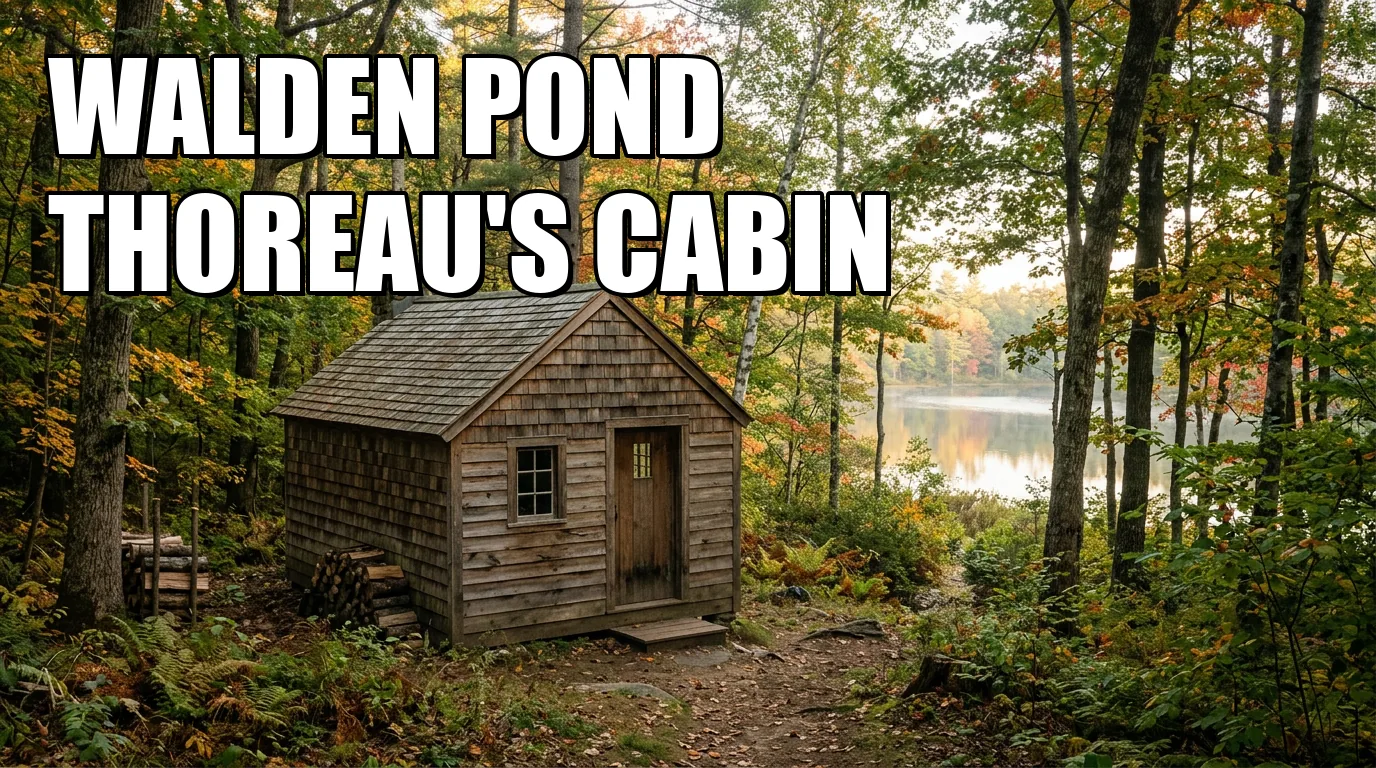
Walden Pond and Thoreau's Cabin: Replica, Site, and What Is Original
The cabin near the lot is a replica; the documented site is a half-mile away. A field guide to scale, archaeological location, landscape change, and access.

From the author of this guide
Check In After Dark
One writer checks into the rooms with the stories — Stanley 217, Banff Springs 873, the Del's 3327 — and reports what the night is actually like.