
Casper's Whipstaff Manor: Unmasking Its Gaudi-esque Soul
When you picture a haunted house, what comes to mind? Likely, it’s some decaying Victorian behemoth, all sharp angles and imposing gloom, right? That’s precisely the image *Casper* director Brad Silberling and production designer Leslie Dilley wanted to avoid when creating Whipstaff Manor, the spectral abode of our friendly ghost and his boisterous uncles. They craved something otherworldly, distinctive, and entirely unexpected. And so, they looked not to cobweb-laden clichés, but to the sun-drenched streets of Barcelona, where the architectural genius of Antoni Gaudí had already defied convention for a century.
### Beyond Gothic: Finding Whipstaff Manor's Undulating Heart in Barcelona
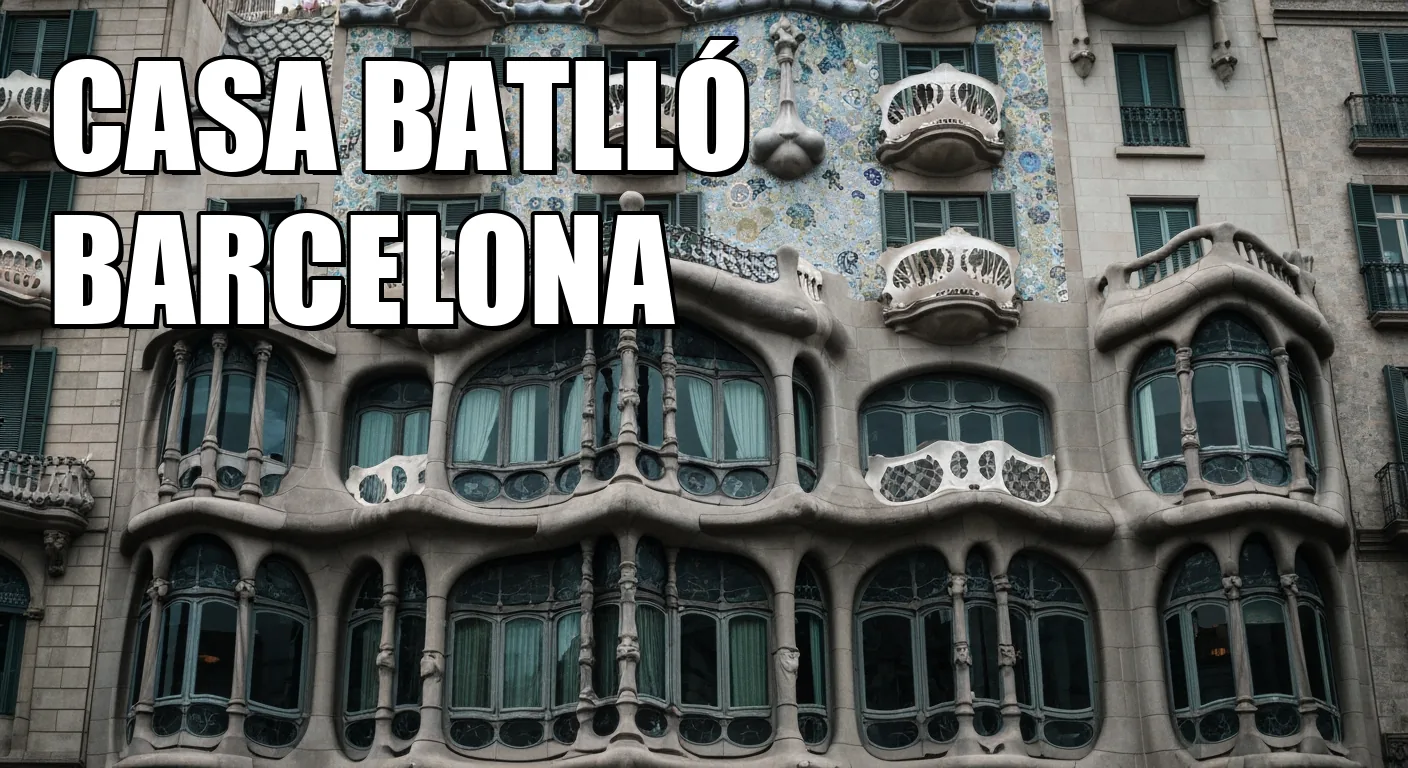
It’s easy to dismiss a film set as mere fantasy, but the greatest ones draw from real-world brilliance. For Whipstaff Manor, the undeniable, primary architectural muse was Casa Batlló, Gaudí’s breathtaking residential masterpiece on Barcelona’s Passeig de Gràcia. This isn't just a casual nod; the film’s designers practically lifted elements whole cloth, reinterpreting them through a ghostly lens. To understand Whipstaff, you first have to understand Batlló, a building that challenges every straight line and right angle you’ve ever encountered.
Antoni Gaudí, the visionary at the forefront of Catalan Modernisme, wasn’t just an architect; he was a sculptor of space, a painter with brick and mosaic. Casa Batlló, originally a conventional 1877 building by Emili Sala Cortés, was utterly transformed by Gaudí between 1904 and 1906 for textile industrialist Josep Batlló i Casanovas. Gaudí didn't just redecorate; he reimagined the very essence of the structure, expanding light wells, shifting interior walls, and giving the façade an organic, almost living quality. What emerged was a structure so radical it earned the nickname *Casa dels ossos* – the "House of Bones" – for its skeletal-like pillars and balconies that evoke jawbones and skulls. This very moniker, ironically, became the perfect foundation for a house inhabited by the deceased.
Step closer to Casa Batlló, and the details that echo Whipstaff Manor become strikingly clear. The exterior, for instance, isn't just wavy; it truly undulates, like a vast, petrified sea. There isn’t a single straight line to be found, a deliberate rejection of classical rigidity that speaks volumes about Gaudí’s biomimetic approach. This dramatic, organic curvature is the most obvious connection to Whipstaff Manor’s exterior, which shares that same unsettling yet captivating fluidity. Look up, and the arched roof, covered in iridescent ceramic tiles, resembles the scaly back of a dragon—a legendary beast often associated with Sant Jordi (St. George), a patron saint of Catalonia. This "dragon scale" motif, a vibrant tapestry of greens, blues, and oranges created using the *trencadís* technique (broken ceramic mosaics), finds its cinematic parallel in Whipstaff Manor’s distinctive painted diamond tiling, especially within the entry hall. It’s a subtle shift from scales to diamonds, but the spirit of shimmering, organic texture remains.
Inside Casa Batlló, Gaudí’s organic vision truly takes hold. Walls and ceilings curve and swirl, mimicking natural forms: caves, plants, anatomical structures. The Noble Floor, the Batlló family’s residence, reveals rounded arch windows with varying sizes of colored glass, designed to distribute natural light uniformly throughout the space – a touch directly referenced in Whipstaff Manor’s grand main room. Even the intricate woodwork and those distinctive swirled ceilings, almost identical to those seen in the film, speak to a world where architecture embraces the fluid, rather than forcing the rigid. Gaudí’s work, heavily influenced by nature, religion, and Catalan culture, isn't just visually stunning; it’s a profound statement on how buildings can breathe, move, and inspire. This profound vision earned Casa Batlló a UNESCO World Heritage Site designation in 2005, a testament to its enduring impact.
### Why Not Victorian? The Deliberate Choice to Veer Off Course
So, why did Silberling and Dilley bypass the obvious Gothic Revival aesthetic that dominated traditional haunted house tropes? The answer lies in their desire to innovate, to avoid what had become a cinematic cliché by the mid-1990s. Victorian Gothic, with its emphasis on symmetry, pointed arches, ornate linear decoration, and often a heavy sense of solemnity, was predictable. They wanted unsettling, yes, but also a house that felt alive, whimsical, almost playful in its strangeness—a perfect contrast for the playful antics of friendly ghosts.
Gaudí’s Art Nouveau/Catalan Modernisme offered precisely this departure. His style eschewed linearity for organic, flowing curves, incorporated biomimetic forms directly from nature, and integrated multiple materials in an almost chaotic, asymmetrical composition that somehow felt utterly harmonious. This modern, forward-thinking aesthetic allowed Whipstaff Manor to be both menacing and strangely beautiful, a place where the supernatural felt less like a curse and more like a natural, if unusual, extension of the architecture itself. It’s a brilliant lesson in cinematic world-building: sometimes, the most original horror doesn’t come from the expected darkness, but from an unsettling twist on beauty.
### A Whisper of American Eccentricity: The Winchester Mystery House's Contribution
While Gaudí’s influence on Whipstaff Manor’s overall aesthetic and many of its iconic visual elements is undeniable, the film’s production designers drew from another, distinctly American source for some of the manor’s more disorienting interior qualities: the Winchester Mystery House in San Jose, California. This sprawling, 160-room Victorian mansion, built almost continuously between 1886 and 1922 by the eccentric Sarah Winchester, offered a different kind of architectural "haunt."
Unlike Casa Batlló’s deliberate modernist vision, the Winchester Mystery House is a chaotic labyrinth of Victorian Queen Anne elements, famous for its staircases leading to ceilings, doors opening onto walls, and seemingly endless, nonsensical hallways. It’s a monument to perpetual, unplanned construction driven by superstition. Whipstaff Manor certainly captures that sense of disorienting architecture, with its winding hallways and rooms that feel like they could go on forever. This secondary influence wasn’t about visual style, but about the *feeling* of a house that seems to defy logic, where every turn presents an unexpected pathway. It’s a clever fusion: Gaudí for the outward spectacle and organic flow, Winchester for the internal, bewildering sprawl.
### Crafting the Manor on Stage: The Illusion of Grandeur
Bringing Whipstaff Manor to life was no small feat. While the film hints at a vast, imposing exterior, the truth of filmmaking often involves clever illusions. The exterior of Whipstaff Manor was largely a painted backdrop, enhanced by a section of Universal Studios' Colonial Street, specifically the Colonial Mansion (which, sadly, was demolished in 2005). Actress Christina Ricci herself confirmed in a 1995 interview that much of what audiences saw outside was ingenious matte painting.
The true architectural marvel, however, was the interior. This was constructed on Universal Studios Stage 12, one of the world’s largest soundstages, dating back to 1928. Designers created a colossal three-level set, intentionally avoiding the dusty, dimly lit haunted house stereotypes. Their goal was an unusual, otherworldly aesthetic, a sensation that, as one designer put it, "Dr. Seuss threw up." This blend of Gaudí’s organic modernism with vibrant colors and odd shapes created a visually distinctive mansion that remains instantly recognizable and utterly unique in cinema history, a testament to bold creative choices.
### Planning Your Pilgrimage: Visiting the Architectural Ancestors
For travelers keen to experience the real-world inspirations behind Whipstaff Manor, two distinct journeys await.Experiencing Gaudí's Genius: Casa Batlló in Barcelona, SpainA visit to Casa Batlló is far more than just seeing a building; it's an immersion into a dreamscape. Located at Passeig de Gràcia 43, Barcelona, this UNESCO World Heritage Site remains one of Barcelona's most significant architectural monuments, drawing hundreds of thousands annually. Expect crowds, especially during peak tourist seasons (summer, Easter, and Christmas). To truly appreciate the details and avoid the bustling throngs, aim for an early morning visit (before 8:30 AM) or a late afternoon slot (after 4:00 PM). The building is open daily from 9:00 AM to 10:00 PM, with the last entry typically an hour before closing.
Admission starts around €29, though prices fluctuate with dynamic pricing based on demand, so booking online well in advance is essential. Your ticket usually includes a self-guided audio tour, available in 15 languages, which is incredibly useful for understanding the intricate symbolism and design choices that might otherwise be missed. Allow at least 1 hour and 15 minutes to explore thoroughly. Beyond the standard tour, Casa Batlló frequently offers special themed visits and evening experiences, which, while pricier, can provide a more intimate and magical encounter with Gaudí’s vision. The building is fully accessible, making it a comfortable visit for most. Don't just rush through; pause to examine the *trencadís* façade up close, feel the organic curves of the walls, and imagine the Batlló family living in such an extraordinary space. It’s a vivid lesson in how art can be integrated into everyday life.Navigating the Labyrinth: Winchester Mystery House in San Jose, CaliforniaFor those interested in the more disorienting, labyrinthine aspects that influenced Whipstaff Manor, the Winchester Mystery House offers a different kind of architectural wonder. Located at 525 S. Winchester Boulevard, San Jose, California, this mansion is a prime example of American Victorian eccentricity. It’s open year-round, though hours vary by season, so check their website before planning your trip.
Tours range from the comprehensive Guided Mansion Tour, which explores 110 of the 160 rooms, to the Sarah’s Garden Tour, and even specialized experiences like basement tours and paranormal investigations. Admission typically starts at $17.99 for children and $38.99 for adults, varying with age and tour type. While it doesn't possess the same architectural grandeur or modernist intent as Casa Batlló, the Winchester Mystery House provides an unparalleled sense of spatial confusion and endless, unplanned expansion. You won't find Gaudí’s organic beauty here, but you will discover the strange logic of a house built by a mind haunted by its own peculiar beliefs, offering a tangible connection to Whipstaff Manor’s internal disarray. It’s less about aesthetic inspiration and more about the *feeling* of a house that defies expectation at every turn.
Ultimately, Whipstaff Manor isn’t just a fictional haunted house; it’s a masterclass in architectural homage and creative reinterpretation. By deliberately shunning the predictable and embracing the vibrant, organic modernism of Antoni Gaudí, with a dash of American Gothic eccentricity, the filmmakers crafted a cinematic icon. Visiting Casa Batlló, and even the Winchester Mystery House, allows you to step into the very inspirations that breathed life into one of cinema’s most beloved, and most surprisingly designed, spectral homes. It’s a journey that reveals how truly original art often draws from the most unexpected and brilliant real-world sources.
Ultimate Guide to Casper the Friendly Ghost Filming Locations
Where is the house from Casper located?
Whipstaff Manor, Casper's home, is set in the fictional town of Friendship, Maine, in the movie. However, the actual filming took place in Camden and Rockport, Maine, as well as Universal Studios backlots in California.
Where was Casper filmed?
Casper (1995) was primarily filmed at Universal Studios in California, including stages 12 and 28. Exterior shots were filmed in Camden and Rockport, Maine to capture the coastal New England atmosphere. Some scenes also used locations like Rockport Harbor and Camden Hills.
Was Whipstaff Manor a real house?
No, Whipstaff Manor was not a real house. The mansion was largely a studio set constructed on Universal Studios Stage 12, with some elements created on backlots. While exterior shots were filmed in Maine, the interior and main structure were built for the film.
What is the name of the mansion where Casper and his uncles live?
The mansion is called Whipstaff Manor, a grand haunted estate that serves as the primary setting for the 1995 film.
Is Friendship, Maine a real place?
Yes, Friendship is a real coastal town located in Knox County, Maine, about 31 miles south of Augusta. It was incorporated in 1762 as Meduncook before being renamed Friendship, and is known for its maritime heritage and fishing traditions.
Part of 🎬 Stay Where They Filmed
Film & TV Locations
Home Alone Filming Locations: What You Can Actually Visit
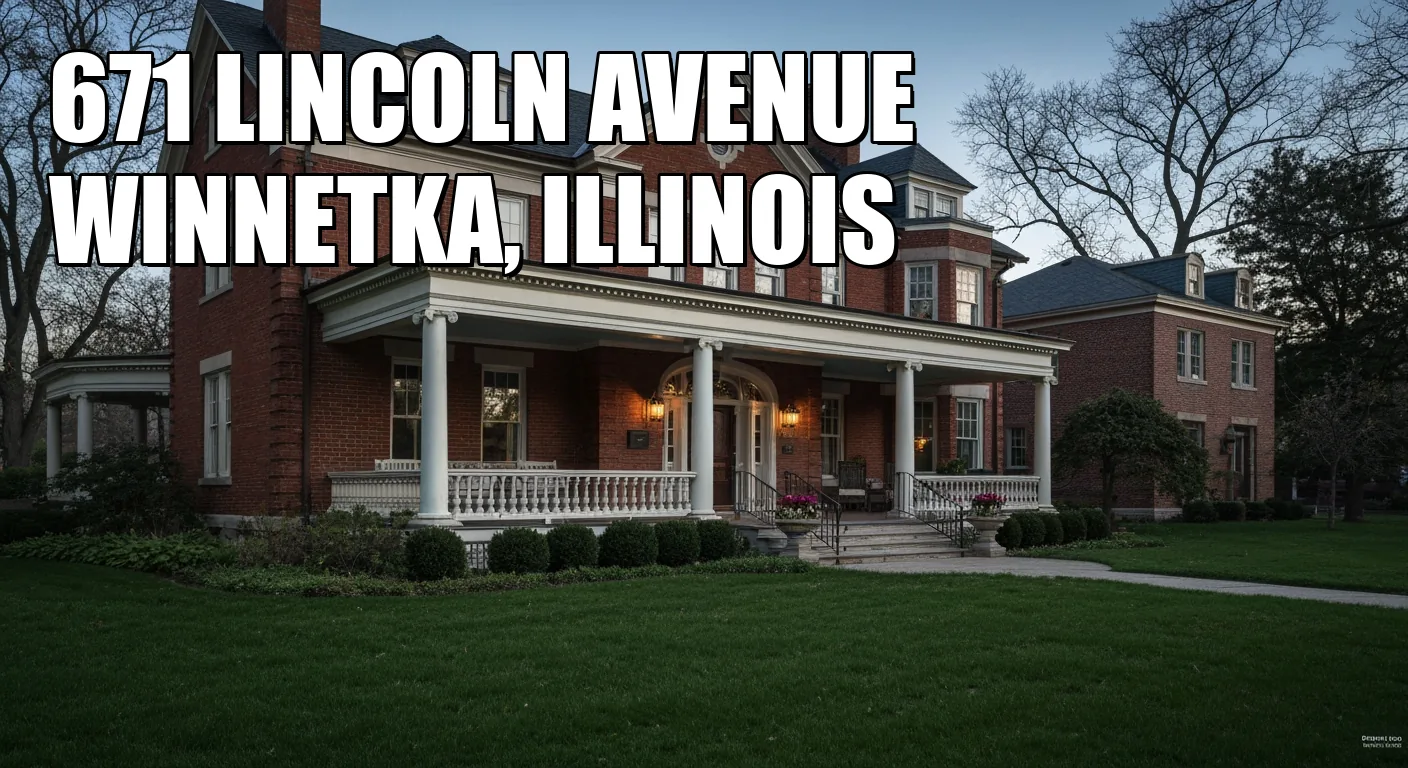
The McCallister home is split across a private Winnetka exterior, school-built interiors, two working churches, Hubbard Woods and post-security O’Hare. Here is the route that respects each boundary.

Film & TV Locations
Beverly Wilshire Hotel: Pretty Woman, Suites, and Whether It Is Worth Staying
The Beverly Wilshire is the real Pretty Woman hotel, but the better question is whether Beverly Hills is the version of Los Angeles you actually want. Here is what the stay really offers.

Film & TV Locations
Sopranos Filming Locations: What Still Exists in New Jersey
Five famous Sopranos stops now mean five different things: a public restaurant with a replacement booth, an opening-credits pizzeria, a private house, an uncertain club and a demolished set.
From the author of this guide
Check In After Dark
One writer checks into the rooms with the stories — Stanley 217, Banff Springs 873, the Del's 3327 — and reports what the night is actually like.