Unexpected fact: the “front door” on many Charleston single houses is not the real front door. What faces the sidewalk is often a piazza screen door—an elegant gate into a long side porch (the piazza)—while the true entry sits midway down that porch into the house. Tourists photograph the wrong threshold all day. The form is not a suburban “single-family” ranch; it is a peninsula type: narrow end to the street, rooms one deep across the short axis, multi-story piazzas on the long sunny side for shade and breeze.
Charleston single house 2026: how to read the type from the sidewalk, which interiors you can buy, and how the hunt rates in heat, cost, and authenticity.
How to read a single house
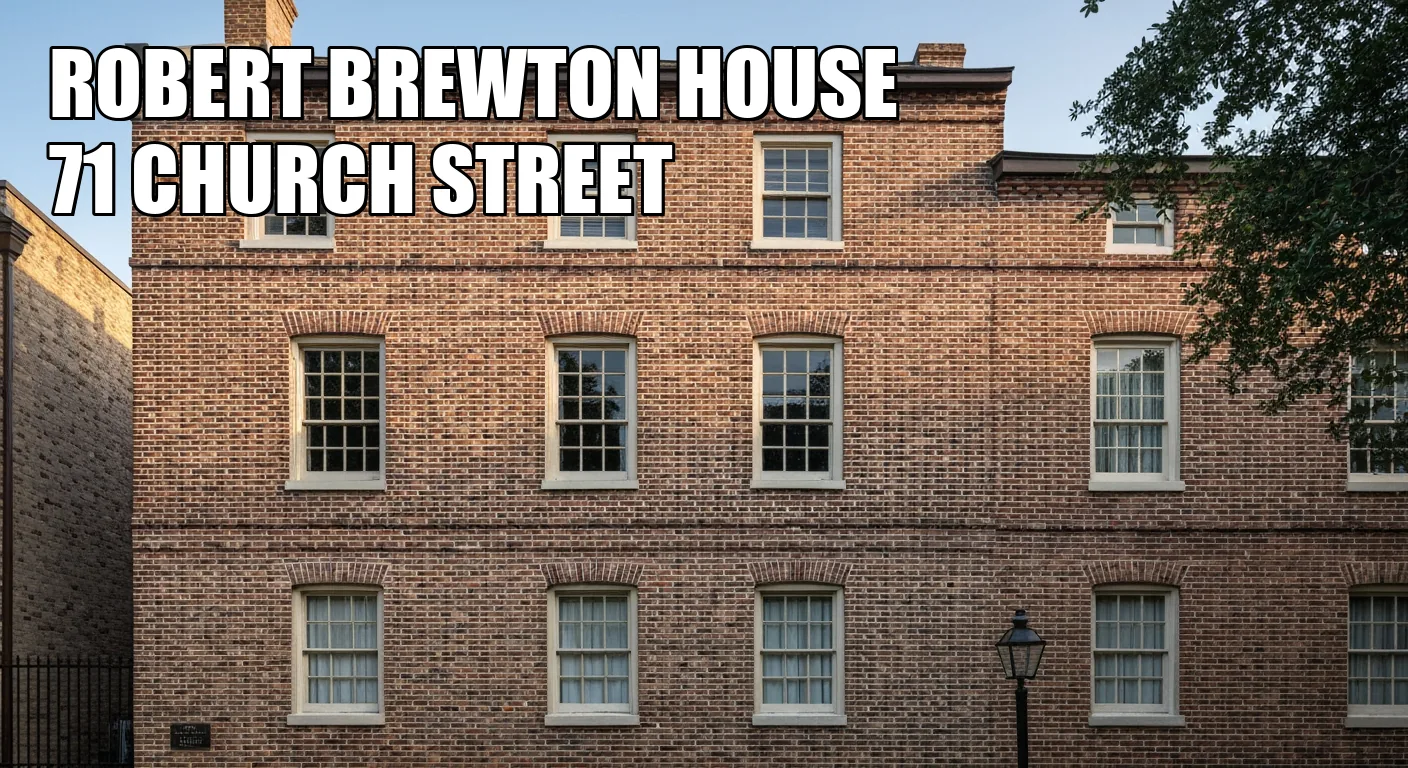
Classic tells: short gable or façade to the street; stacked open piazzas on the south or west long elevation; often a false or secondary street door into the porch; side drive and garden wall; work yard and dependencies (kitchen, laundry, stables, quarters) historically behind. Elite rows concentrate South of Broad on Tradd, Church, and Meeting. Ansonborough rebuilt after the 1838 fire under masonry rules—brick single houses with Greek Revival piazzas in near-identical ranks. Harleston Village near the College of Charleston mixes classic examples on walkable trees. Cannonborough–Elliotborough and the East Side show modest working-class singles and freeman’s cottages (~400–600 sq ft one-story cousins of the plan).
Most peninsula singles are private homes. Free study is sidewalk-only—no climbing gates, no piazza photos from private steps. Paid interiors are the museum houses.
Tickets, hours, and where to stay
Historic Charleston Foundation pair: Aiken-Rhett House (48 Elizabeth—preserved “urban plantation” layers including service spaces) and Nathaniel Russell House (51 Meeting—famous free-flying stair). Each about $16 adult / $7 ages 6–16, under 6 free; combo $24 adult / $12 child (saves $8). Holiday candlelight at Aiken-Rhett listed around $45 for 2026 events. Street parking tight; garage near Russell at ~118 Broad helps.
Charleston Museum houses: Joseph Manigault and Heyward-Washington about $12 adult / $10 youth 13–17 / $5 child 3–12, with museum combos sometimes available. Edmondston-Alston (East Battery) about $15 adult / $10 student-child, Mon–Sat in typical schedules, with Middleton combos when sold. Williams Mansion basic tours about $17.
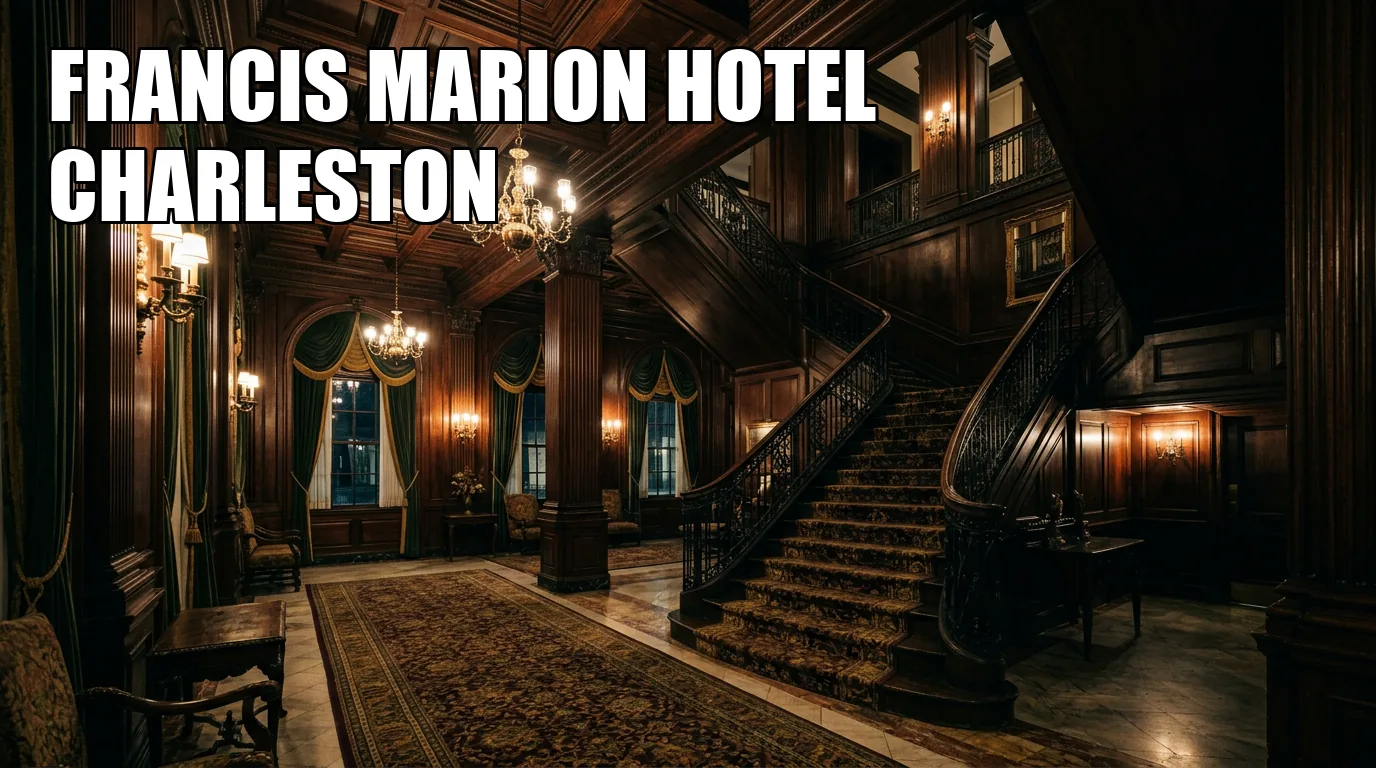
Sleep the type: The Nicholas (1798 single house, Harleston Village) around $300 room / ~$342 with tax in 2026 listings; other boutique single-house inns (e.g. Cannonborough addresses) can clear $500+ total. Free DASH shuttle cuts parking fees for pure walk days.
Fact vs lore on piazzas and fire
Why the form: deep lots, climate (catch cross-breezes, shade piazzas), freestanding firebreaks after the 1740 fire, detached kitchens to keep flame and heat off the main pile. After 1838, brick codes remade whole blocks. Haint blue / porch ceilings: folklore about spirits and wasps mixes with practical light reflection and indigo-era color culture—enjoy the story, do not treat it as a building code.
Fire markers: cast-iron insurance plaques did not mean “only this company may fight the fire”; they advertised a reward for any brigade that saved the house. Urban plantation reality: the walled lot separated street entertainment rooms from rear labor yards where enslaved people cooked, stabled, and lived under owner surveillance from the piazzas. After emancipation, many detached kitchens were linked by “hyphens”; former dependencies often became guest suites. Aiken-Rhett is the clearest museum of that spatial hierarchy—not just a pretty stair.
Ratings and who should go
Free street value: excellent. Paid interiors: high if you buy the $24 combo (preserved service wing + elite staircase). Walking difficulty: uneven brick, heat, little shade South of Broad until the Battery oaks. Crowds: thin once off King Street retail. Authenticity: highest when you pair sidewalk typology with Aiken-Rhett’s labor landscape, not only Rainbow Row selfies.
Who yes: architecture walkers, quiet self-paced historians, travelers who can handle heat and brick. Who no: mobility-limited visitors expecting flat ADA sidewalks into every parlor; heat-sensitive mid-afternoon walkers without water; porch trespassers.
Three scenarios. (1) Free $0 DASH + 1.5-mile South of Broad loop ending at Battery shade—bring water and flat shoes for root-heaved brick. (2) $24 combo Aiken-Rhett + Russell—best money-to-depth ratio; do Aiken-Rhett in the cooler morning when the un-air-conditioned fabric is kinder. (3) Overnight at a single-house inn (~$340–$560) plus optional $17 Williams Mansion if you want Meeting Street grandeur after the Foundation pair. Bottom line: the enduring design is a climate machine and a social diagram—read the false door, pay once for the interior hierarchy, and leave private piazzas alone.
Charleston Single House FAQ
What is a Charleston single house?
A narrow multi-story house with its short end to the street and long side piazzas (porches) for shade and breeze. The street door often opens onto the piazza, not directly into the main parlor.
How much are Aiken-Rhett and Nathaniel Russell tickets?
Each house is about $16 for adults and $7 for children ages 6–16. A combo ticket for both is about $24 for adults and $12 for children. Children under 6 are free at these Historic Charleston Foundation sites.
Can I tour private single houses?
Usually no. Most are private residences. Study exteriors from the public sidewalk. Interiors are available at museum houses such as Aiken-Rhett, Nathaniel Russell, Heyward-Washington, and Edmondston-Alston.
Why do Charleston houses have side porches?
Piazzas catch breezes and shade living rooms in a hot, humid climate. Orientation and deep lots made the long side the climate façade, while the narrow street end maximized urban lot use.
Where should I walk to see single houses for free?
South of Broad (Tradd, Church, Meeting), Ansonborough’s brick rows, Harleston Village, and working-class variants in Cannonborough–Elliotborough. Stay on public sidewalks and do not enter private piazzas.
The Cornerstone Brief
One historic place, once a week — what it is, why it matters, whether it's worth going. No filler, no paid placements.
Coming soon. Unsubscribe any time.