Few architectural elements capture the essence of Spanish Colonial design quite like the humble—or often, grand—courtyard. This isn't just a pretty patch of paving; it's a centuries-old solution to climate control, a hub for family and community life, and, frankly, a masterclass in blending utility with breathtaking beauty. Having meandered through countless examples from coast to coast, I've come to see these spaces not merely as relics, but as vibrant, breathing chapters of America's story.
What initially strikes a visitor to many of these sites is the sheer variety. You might expect a uniform aesthetic, but the genius lies in how the original Spanish blueprints bent to local materials, climates, and purposes. Whether it’s a military parade ground or a lavish private garden, each courtyard holds a unique conversation between its builders and the land itself. Forget the glossy brochure descriptions for a moment; let's talk about what actually awaits you when you step through those grand arches.
California's Sun-Drenched Courtyards: Grand Public Statements
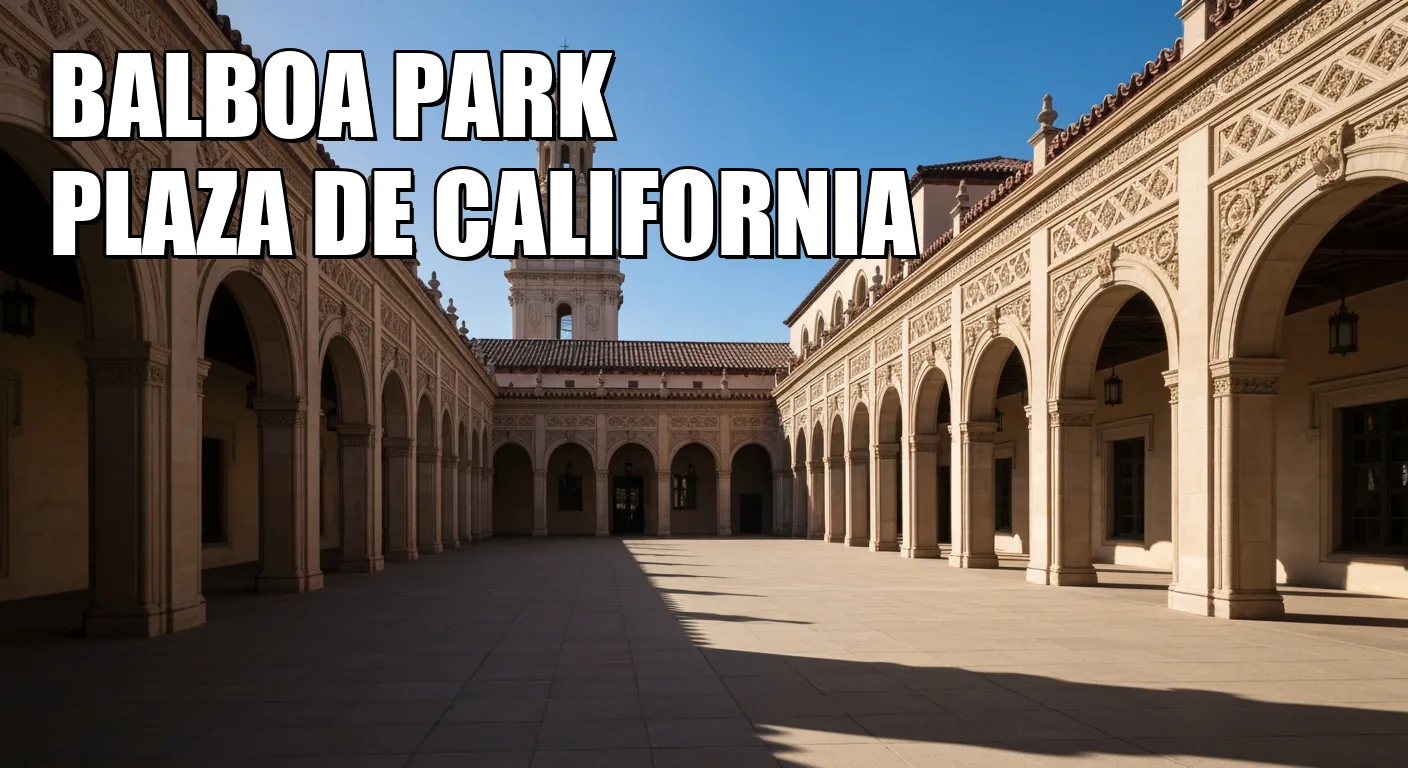
Southern California, particularly San Diego, offers an intriguing study in the evolution of the Spanish Colonial courtyard. Take Balboa Park's California Building and Quadrangle, for instance. Completed for the 1915-1916 Panama-California Exposition, it's less an ancient relic and more a romanticized vision of Spain. Bertram Goodhue, the supervising architect, along with his team, created a truly stunning plaza courtyard, the Plaza de California, flanked by arcaded passageways and massive arched gateways. The iconic California Tower, a four-story marvel of Plateresque, Baroque, Churrigueresque, and Rococo details, absolutely dominates the skyline.
Here's the rub, though: while the quadrangle itself is a delight to wander through—a genuinely free and accessible public space perfect for people-watching or a quiet moment—the building itself houses the Museum of Us, which carries an admission fee. You can certainly appreciate the exterior grandeur without dipping into your wallet, but if you want to climb inside the tower or explore the exhibits, budget for a Balboa Park Explorer Pass (a Limited Explorer Pass for adults runs about $56). My advice? Go early in the morning before the crowds descend. You’ll get the best light and a rare sense of solitude in a space designed for throngs.
Just a stone's throw away, still within Balboa Park, you'll find the House of Hospitality. This particular courtyard, extensively remodeled in the 1930s by Richard S. Requa from an original 1915 structure, offers a different flavor: a stunning, open Mexican Colonial central patio. It’s rumored to be based on a Guadalajara courtyard, complete with three terraced levels leading to a fountain and shaded by a pepper tree. This space exemplifies how the Spanish Colonial style was continually reinterpreted and adapted, even decades later. It’s less about ancient history and more about celebrating a specific, romanticized ideal of Mexican artistry within an American urban park. Like its neighbor, this courtyard is freely accessible, making it a fantastic, budget-friendly spot to soak in the atmosphere.
Venturing north to Santa Barbara, the County Courthouse presents a magnificent example of Spanish Colonial/Moorish Revival architecture that genuinely embraces its civic function. Built in 1929, this complex features an elaborate central courtyard—a true public gem—surrounded by decorative tiles, wrought iron gates, and those quintessential arched passageways. Unlike some historic sites that guard their interiors jealously, the entire Santa Barbara courthouse, including its impressive clock tower with original working mechanisms and the famous Mural Room, is open to the public. And here’s the kicker: admission is completely free. They even offer free docent-guided tours, typically Monday through Friday at 10:30 AM and 2:00 PM, plus a weekend tour. This really highlights what can be achieved when a community invests in making its heritage truly accessible. Don't miss climbing the clock tower; the panoramic views of the city and the Pacific are spectacular.
From Garrison Life to Sacred Oases: Florida's Enduring Fortifications and Texas's Spiritual Heart
Shifting our gaze eastward, we uncover older, more austere interpretations of the courtyard. In St. Augustine, Florida, stands the formidable Castillo de San Marcos, completed in 1695. This isn't a courtyard designed for gentle strolls or contemplative fountains. No, the interior here is what’s known as a parade ground or *terreplein*, a robust operational space surrounded by soldier quarters, ammunition storage, and gun emplacements. The fortress walls, built from *coquina*—a unique local limestone composed of shell fragments—tell a story of defense and survival.
Visiting the Castillo provides a visceral understanding of the strategic importance of such an enclosed space. It's a stark reminder that not all courtyards were about aesthetics; many were purely functional, designed for military maneuvers and providing a protected inner sanctuary during sieges. Expect a more rugged, less decorative experience here, but one rich with the echoes of history. Admission is $15 for adults (16+), valid for seven consecutive days, which is a surprisingly good value if you want to return and soak in more of the oldest masonry fort in the U.S.
Meanwhile, San Antonio, Texas, cradles a collection of Spanish missions, none more celebrated than Mission San José y San Miguel de Aguayo. Founded in 1720, its magnificent limestone church, finished in 1782, earned it the title "Queen of the Missions." This is a UNESCO World Heritage Site, and the best part? It's absolutely free to enter. The complex extends beyond the church to include defensive walls, residential quarters, workshops, and a central courtyard area that connects these various elements.
The true marvel here is the church’s ornate façade and, most famously, the Rose Window (*la Ventana de Rosa*). While many guides point out its beauty, few emphasize *why* it's so extraordinary: it's considered one of the most exquisite examples of Spanish Colonial ornamentation in the entire United States, a testament to the skill of indigenous and Spanish craftsmen working under Franciscan direction. What makes Mission San José particularly special is its status as an active Catholic parish. You're not just observing history; you're witnessing living faith, which adds a profound layer of authenticity rarely found in other "museum" missions. It’s a powerful contrast to the military practicality of the Castillo, highlighting the diverse roles these courtyards played in shaping early American life.
Opulence and Adaptation: From Miami's Tropics to San Simeon's Heights
Our journey through Spanish Colonial courtyards wouldn't be complete without examining how the concept was embraced and reinterpreted by the wealthy. Miami's Vizcaya Museum and Gardens, completed in 1923, offers a European-influenced central courtyard adapted for its subtropical setting. This isn't a purely Spanish Colonial design but rather a lavish blend, with ornate stonework, diverse plantings, and recent skylight renovations. It’s the architectural heart of the house, offering glimpses out to the sprawling gardens and Biscayne Bay beyond.
Vizcaya, built as the opulent winter estate of industrialist James Deering, truly leans into the idea of a house built around an open-air central focus. While undeniably beautiful, visiting comes with a heftier price tag: $25 for adults. It’s an experience, no doubt, but one to budget for and plan around. Expect a crowd, especially during peak season, so arriving right at opening is always a smart play for a more serene experience. The contrast between its European grandeur and the very practical, often humble, colonial courtyards we’ve discussed thus far, is striking.
Finally, we arrive at the monumental, almost fantastical creation that is Hearst Castle – Casa Grande Main Building in San Simeon, California. Construction on this personal Xanadu began in 1922 and, remarkably, was technically unfinished when William Randolph Hearst departed for the last time in 1947. Designed by Julia Morgan, Casa Grande is a Mediterranean Renaissance masterpiece with strong Spanish Colonial Revival elements. Its western façade boasts twin bell towers modeled after a church in Ronda, Spain, and its central courtyard seamlessly integrates Spanish traditions with Hearst’s vast European art collection.
You won't simply wander into Hearst Castle. A guided tour is mandatory, and reservations are essential, often needing to be booked 60 days in advance. The most comprehensive option, the Grand Rooms Tour, costs $35 for adults. This is not a casual stop; it's a planned excursion, and the controlled access means you experience the courtyards and interiors as part of a curated narrative. What often surprises visitors is the sheer scale and the sense of the "unfinished dream"—it's a place of immense wealth and vision, but also one that feels perpetually mid-creation. The ornate cast-stone balconies and elaborate carved woodwork, including Siamese teak, showcase an extreme level of craftsmanship, far beyond the practical needs of a typical Spanish Colonial dwelling.
Beyond the Postcard: Planning Your Courtyard Exploration
Stepping into these courtyards is to step into a different rhythm, a different era. But let's be honest, not every experience is created equal, and knowing what to expect can vastly improve your visit. Many first-timers imagine quiet, contemplative spaces everywhere, only to be met with bustling tourist groups. My advice? Prioritize weekday visits, especially in the mornings, for the best chance at tranquility.
While locations like the Santa Barbara County Courthouse and San Antonio’s Mission San José offer the incredible gift of free access, truly immersing yourself often means paying for a tour or admission at places like Vizcaya or Hearst Castle. Don't begrudge the fee; it often supports the painstaking preservation of these incredible sites. For instance, the $15 adult admission to Castillo de San Marcos isn't just for entry; it helps maintain a nearly 330-year-old fort crafted from shell and sand.
What many guides won’t tell you is the sheer *diversity* of sensations. The cool air that clings to the arcades of a Balboa Park courtyard on a hot day; the echoes of footsteps on the stark parade ground of a fort; the sense of profound history in an active mission where prayers are still offered. These aren't just architectural styles; they're living laboratories of human adaptation and artistry. They challenge conventional wisdom that "historic" means "stale," proving that the past, when understood with context and an open mind, remains as dynamic and surprising as ever.
Whether you seek military history, spiritual solace, civic grandeur, or architectural opulence, America’s Spanish Colonial courtyards offer a rich tapestry of experiences. Each one, in its own distinct way, invites you to slow down, look up, and listen to the stories etched into its very stones. So, pack your bags, lace up your comfortable shoes, and prepare to discover a compelling facet of American heritage that continues to inspire and surprise.
Exploring Courtyard Spanish Colonial Design: The Complete Visitor's Guide for America
What is Spanish colonial design style?
Spanish colonial design is an architectural style that emerged during Spain's colonization of the Americas (16th-19th centuries), characterized by stucco walls, red clay tile roofs, arched openings, and prominent courtyards, blending Moorish, Baroque, and Renaissance influences with local materials and indigenous elements.
What was the architecture in the Spanish Colonial period?
Spanish colonial architecture featured thick adobe or stone walls with stucco finishes, flat roofs with wooden beams (vigas), arched doorways and windows, decorative tiles, and central courtyards arranged in grid-planned town layouts based on the Laws of the Indies, adapted to local climates and materials.
What is the history of Spanish architecture?
Spanish architecture evolved through centuries of influence from Moorish, Gothic, Renaissance, and Baroque styles, with the colonial period (1590-1821) spreading these traditions across the Americas where they blended with indigenous building techniques and local resources to create a unique fusion style.
Why do Spanish houses have courtyards?
Spanish houses feature courtyards for climate control through natural ventilation and shade in warm climates, privacy from the street, and as multifunctional outdoor spaces for daily activities like cooking, working, and gathering, while also protecting thick adobe walls from rain damage.
What is a Spanish house courtyard called?
A Spanish house courtyard is called a 'patio' (from Latin 'patulum'), which serves as an open-air space typically enclosed by the walls of surrounding buildings and used for light, air, privacy, and daily living activities.
What is the origin of courtyards?
Courtyards originated around 6000-6400 BC in the Neolithic Jordan Valley at settlements like Sha'ar HaGolan and developed extensively in ancient Mesopotamian cities like Ur (around 2000 BC), eventually evolving into the Roman atrium and spreading throughout Mediterranean and Islamic architecture.
What is the main purpose of a courtyard?
The main purpose of a courtyard is to provide natural light, ventilation, and temperature regulation for interior spaces while creating a private, secure outdoor area for domestic activities, gathering, and cultivating plants, offering comfort, tranquility, and air circulation to the surrounding rooms.
Why do riads have courtyards?
Moroccan riads feature central courtyards (called 'dikka' or 'atrium') to create serene, private oases within bustling medinas, with high surrounding walls providing privacy and security, while the open courtyard brings natural light, fresh air, and greenery into interior spaces surrounded by living quarters and gardens.
What is the 97 rule in Spain?
The '£97 rule' (€113.40) refers to entry requirements for travelers visiting Spain, which state that visitors must be able to prove they have a minimum of approximately 120 USD per person per day to support themselves during their stay in the country.
What is the history of courtyard Spanish colonial design?
Courtyard Spanish colonial design evolved from Roman atria and Moorish influences in Spain, then adapted to the Americas during colonization (1590-1821), where it combined with indigenous architectural practices and local materials like adobe, creating fortified mission compounds, haciendas, and civic town layouts centered around protective courtyards.
Where are the best locations to visit Spanish colonial architecture with courtyards in the USA?
Top destinations include San Antonio Missions National Historical Park (Texas), St. Augustine (Florida's oldest city founded 1565), Santa Fe (New Mexico), California missions (especially San Juan Capistrano), Los Angeles, and New Orleans' French Quarter, all featuring original or restored Spanish colonial courtyards and missions.
What is the best time to visit Spanish colonial architecture sites in the USA?
Spring (March-May) and fall (September-November) offer ideal weather with temperatures between 65-80°F, fewer crowds on weekdays, and perfect conditions for outdoor exploration, while summer provides extended hours at some sites but brings heat and humidity to certain regions.
What is the cost to visit Spanish colonial missions and sites in the USA in 2025?
Many Spanish colonial missions are completely free to visit (including San Antonio Missions National Historical Park and California missions), while some sites like St. Augustine's Oldest House Museum offer donation-based entry (typically $10 suggested), and guided tours or special programs may charge additional fees.
What are the key architectural features of Spanish colonial design?
Key features include stucco exterior walls, red clay barrel tile roofs, arched windows and doors, wooden vigas (beams) and latillas (smaller beams), central courtyards with fountains and vegetation, wrought iron details, terracotta tiles, thick adobe or stone walls for insulation, and flat roofs with parapets.
Are Spanish colonial missions and sites wheelchair accessible?
Many sites including San Antonio Missions offer partial wheelchair accessibility with ramps, accessible restrooms, and available wheelchairs for loan at visitor centers, though some historic structures have limitations due to original adobe construction and terrain; specific accessibility should be verified before visiting.
How do courtyards function for climate control in Spanish colonial homes?
Courtyards act as passive cooling systems through natural ventilation and thermal chimney effects, where hot air rises and circulates while cool air descends, creating temperature regulation that can reduce energy consumption by up to 20.5%, while deep narrow courtyards work best in hot zones and open courtyards suit northern regions.
We use cookies to enhance your experience. By continuing to visit this site you agree to our use of cookies.