There’s a quiet dignity to a Craftsman home that speaks volumes without a single shout. It’s in the broad eaves, the sturdy porch columns, and, perhaps most profoundly, in the windows. For me, these aren’t just openings for light; they are the eyes of a house, reflecting the ethos of the Arts and Crafts movement that birthed them. Having traversed countless historical neighborhoods from Pasadena to Asheville, I've observed how easily modern interpretations miss the soul of these designs, often sacrificing substance for a mere nod to the style. Truly appreciating an authentic Craftsman window demands a deeper gaze, an understanding of the deliberate choices made by master builders over a century ago.
What sets a genuine Craftsman apart from its well-meaning, but often diluted, descendants? It boils down to five historically significant design elements that were not only aesthetic choices but philosophical statements about material, craftsmanship, and harmony. Ignore these, and you're simply looking at glass. Understand them, and you're peering into the very heart of American architectural history.
Deconstructing the "True Divided Lite" Myth: More Than Just Grids
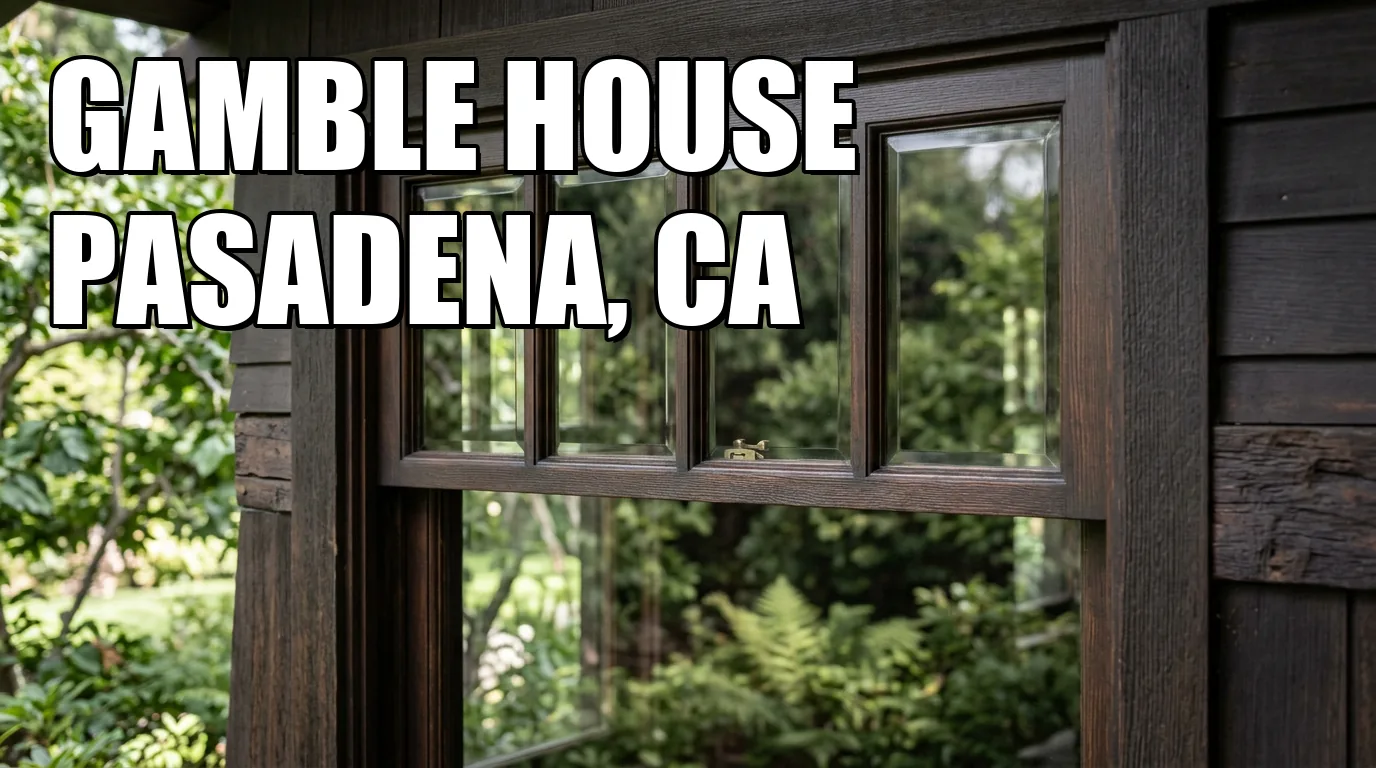
Every guide mentions divided lites, but few truly unpack the significance of true divided lights (TDL) in authentic Craftsman windows. This isn't merely a decorative choice; it's a testament to structural integrity and a profound embrace of the handcrafted. Unlike today's simulated divided lites (SDLs) where a single pane of glass has grids applied to its surface, TDLs feature multiple, individual glass panes physically separated by slender wooden muntin bars. The most iconic configurations were the 4-over-1 and 6-over-1 patterns, where the upper sash held four or six smaller, rectangular panes, while the lower sash remained a single, unobstructed sheet of glass. This allowed clear views at eye level, a pragmatic consideration often overlooked in favor of pure aesthetic discussion, while the upper panes provided visual interest and a subtle suggestion of privacy.
Why this particular arrangement? The vertical orientation of these muntins was fundamental to the Craftsman aesthetic—you'll never find purely horizontal grille patterns in an authentic design, even in accent windows. These muntins, typically a narrow 3/4 inch or less with crisp interior edges, were historically fashioned from dense, durable woods like old-growth heart pine, mahogany, or quarter-sawn oak. Their hand-cut mortise-and-tenon joinery wasn't just for looks; it structurally strengthened the entire window sash, a critical engineering detail that allowed for large expanses of glass without compromising the window's integrity. The choice to feature these multiple small panes above a single large one wasn't just about light; it was about showcasing the meticulous joinery and the honest display of construction, a core tenet of the Arts and Crafts philosophy that championed visible craftsmanship over hidden factory processes.
Oak's Enduring Legacy: Why Double-Hung Dominated the Craftsman Aesthetic
Walk up to any original Craftsman bungalow, and you’ll notice an undeniable warmth emanating from its fenestration. This isn't accidental. Authentic Craftsman windows were overwhelmingly double-hung, meaning both the upper and lower sashes could be operated. But more critically, they were built from
stained wood, not painted. The material of choice was often quarter-sawn red or white oak, a preference that reveals a deep appreciation for nature's artistry. Quarter-sawn lumber is cut radially from the log, revealing a distinctive pattern known as medullary rays, often giving the wood a shimmering, almost striped appearance—what enthusiasts affectionately call "tiger oak."
Why go to the trouble of quarter-sawing? This particular cut not only provided superior stability (less prone to warping or twisting) but, more importantly for the Craftsman ethos, it showcased the wood's inherent beauty in a way that plain-sawn lumber couldn't. The architects and builders of the era didn't want to hide this natural splendor under a thick coat of paint. Instead, they celebrated it, enhancing the grain patterns with carefully selected stains that deepened the wood's color while allowing its unique character to shine through. Mahogany, walnut, and other hardwoods with pronounced grain were also used, but oak remained king, a clear statement against the Victorian preference for ornate, often painted, details that obscured the underlying material. The windows themselves typically maintained a vertical proportion, taller than they were wide, a graceful design choice that, perhaps counterintuitively, complemented the strong horizontal lines often found in Craftsman bungalow architecture, adding a crucial visual counterpoint.
Beyond Utility: The Poetic Language of Craftsman Art Glass
While the primary window sashes exuded a quiet strength, Craftsman homes often harbored a delightful secret: art glass and stained glass accents. These weren't the flamboyant, heavily detailed confections of the Victorian age. Oh no. Craftsman art glass spoke a different language—one rooted in nature, geometry, and a subtle nod to medieval craftsmanship. You'd typically find these luminous insertions in transom windows above doors, in small accent windows flanking a fireplace, or sometimes integrated into the upper portions of the front door itself. The color palette was deliberately subdued, emphasizing earthy tones: muted greens, deep browns, warm rusts, and rich amber hues. This palette wasn't just fashionable; it reflected the movement's profound connection to the natural world, drawing the outdoors in with understated elegance.
The designs themselves avoided the elaborate, floral excesses of the preceding era. Instead, they featured simplified floral motifs, strong geometric patterns, or classic diamond-shaped configurations, all held together by thick, robust leading. This heavy leading didn't just create the patterns; it added a tactile, decorative relief that underscored the handcrafted nature of the piece while maintaining the overall simplicity and functionality that defined Craftsman design. These stained glass windows served a dual purpose: they provided a measure of privacy without sacrificing natural light, allowing diffused illumination to filter into the home in a warm, inviting glow. This wasn't merely decoration; it was an integral part of the home’s storytelling, a quiet moment of beauty woven into the everyday fabric of the structure, proving that even in a movement prioritizing utility, there was ample room for poetic expression.
The Bold Statement of Trim: Where Proportion Met Purpose
Step inside a true Craftsman home, and your eyes will inevitably be drawn to the substantial wood trim surrounding the windows. This isn’t the delicate, often painted, trim found in earlier architectural styles. Oh, no. Authentic Craftsman windows featured prominent interior and exterior wood trim, often measuring a hefty 4½ to 5½ inches of flat board on the sides and head. This wasn't just an aesthetic flourish; it was an intentional design element, a bold declaration of the home’s commitment to quality materials and meticulous craftsmanship, principles central to the Arts and Crafts movement.
The sheer thickness of this trim wasn't an accident; it served to frame the window opening as a significant architectural feature, drawing attention to the carefully selected wood and the skill involved in its installation. The visible grain of quarter-sawn oak, mahogany, or other fine hardwoods was allowed to speak for itself, often stained to complement the window sashes and other interior woodwork, creating a cohesive, grounded aesthetic. While double-hung windows were the norm, Craftsman architecture also cleverly integrated casement windows—those hinged at the side and opening outward—in specific, strategic locations. You'd typically find them in kitchens, where their ability to provide maximum ventilation was invaluable, in bathrooms for both airflow and privacy, or as charming accent windows flanking a fireplace. These casements often sported slightly wider-than-tall proportions and might even incorporate simple art glass, offering a subtle counterpoint to the more common, vertically oriented double-hung units, proving that even within a strict design philosophy, versatility and thoughtful application were key.
The "Rule of Three": Unpacking a Craftsman Design Secret
One of the more subtle, yet profoundly effective, design elements in Craftsman architecture is the intentional organization of windows into symmetrical groupings, often in sets of three. This wasn't just a random arrangement; it followed what architects and historians have termed the "Rule of Three." Picture a façade with a larger central window flanked by two smaller, equally proportioned windows, all nestled under a common header or trim board. Or perhaps three equal-sized windows aligned vertically, creating a rhythmic visual pulse across the wall. This consistent grouping strategy was ubiquitous across Craftsman homes throughout the United States, giving the architecture a sense of order and balance that resonated deeply with the movement’s values.
The beauty of this "Rule of Three" lay not just in its aesthetic appeal but in its intelligent application of proportion. When the center window was deliberately made larger—perhaps by about one-third—than its side companions, builders still ensured that the individual glass panes within each window (especially the upper sashes with their true divided lights) maintained consistent sizing throughout the entire composition. This meticulous attention to consistency, even amidst varying window dimensions, unified the entire assembly into a cohesive design statement. It created visual harmony, emphasized architectural rhythm, and highlighted specific areas of the home, transforming simple window openings into deliberate, artful compositions. This principle exemplifies the Craftsman ideal of functional beauty, where even the seemingly minor details of window placement contributed to an overarching sense of intentional, handcrafted design.
The Harsh Reality of Restoration: Authenticity Comes at a Price
For those of us captivated by the enduring allure of Craftsman windows, the desire for authenticity often clashes with the stark realities of modern construction and costs. While it's difficult to pin down exact historical pricing from the peak Craftsman era (1900-1940)—detailed records are notoriously scarce—we can infer much from contemporary restoration efforts. What was once standard, even economical, construction has become a luxury item. In 2010, for example, custom recreation of historically accurate Craftsman windows, complete with true divided lights and period-appropriate wood, fetched between $950 and $1,500 per window for average sizes. Fast forward to 2023, and a complete, professional restoration of original 1935-era double-sash windows can easily reach $1,800 per window, encompassing everything from glazing replacement to meticulous painting.
Why this astronomical jump? The answer lies in the very essence of what made these windows special: labor-intensive handwork, traditional joinery, and the now-scarce craftspeople trained in these techniques. The materials, too, command a premium. Quarter-sawn oak, especially old-growth varieties that perfectly match original specifications, is no longer standard fare. Modern replacement windows that *mimic* Craftsman style, often using simulated divided lights, vinyl, or composite materials, might cost $350-$1,500 installed. But let's be honest: these often lack the soul, the structural integrity, and the visual depth of their authentic counterparts. This significant cost disparity highlights a sobering truth: the Arts and Crafts philosophy of handcrafted quality, once an accessible ideal, has become a high-end aspiration in today's mass-produced market. To genuinely embrace Craftsman design now means making a deliberate, often expensive, choice to value enduring quality and historical accuracy over convenience and superficial aesthetics.
The Craftsman window, then, is far more than just a functional component of a house. It's a rich tapestry woven from history, philosophy, and meticulous craftsmanship. Understanding its true divided lights, the veneration of quarter-sawn oak, the subtle artistry of its glass, the robust embrace of its trim, and the thoughtful rhythm of its groupings isn't just an academic exercise. It's an act of profound appreciation for an architectural era that valued honesty of materials and the dignity of human labor. As you explore America's historic neighborhoods, I urge you to look closer. Challenge the modern imitations. Seek out the genuine article. For in doing so, you'll not only discover the true beauty of Craftsman windows but also gain a deeper insight into the enduring spirit of American design.