Photo by Thomas Ashworth for Cornerstone Mansion · January 8, 2026
For years, I've crisscrossed this country, not just observing its grand monuments and bustling cityscapes, but peering closely at its rooftops. What I’ve found, time and again, is that some of the most profound architectural stories are told in the details—the often-overlooked elements that shape a building’s character. Dormer windows, those charming projections from a sloped roof, are prime examples. They aren't merely functional openings for light and air; they are potent symbols of shifting architectural trends, regional identities, and the very aspirations of those who built and lived beneath them.
What surprises many is the sheer diversity hidden within this seemingly simple feature. While a casual glance might lump them all together, distinguishing between a robust gabled dormer and an elegant eyebrow can illuminate an entire era's design philosophy. These roofline additions define interior spaces, yes, but more importantly, they etch personality onto a building's silhouette, often dictating how we perceive its age, its original purpose, and even its social standing. Forget the generic guidebooks; understanding dormers means understanding the nuanced language of American homebuilding.
The Enduring Appeal of the Gabled Dormer: More Than Just a "Doghouse"
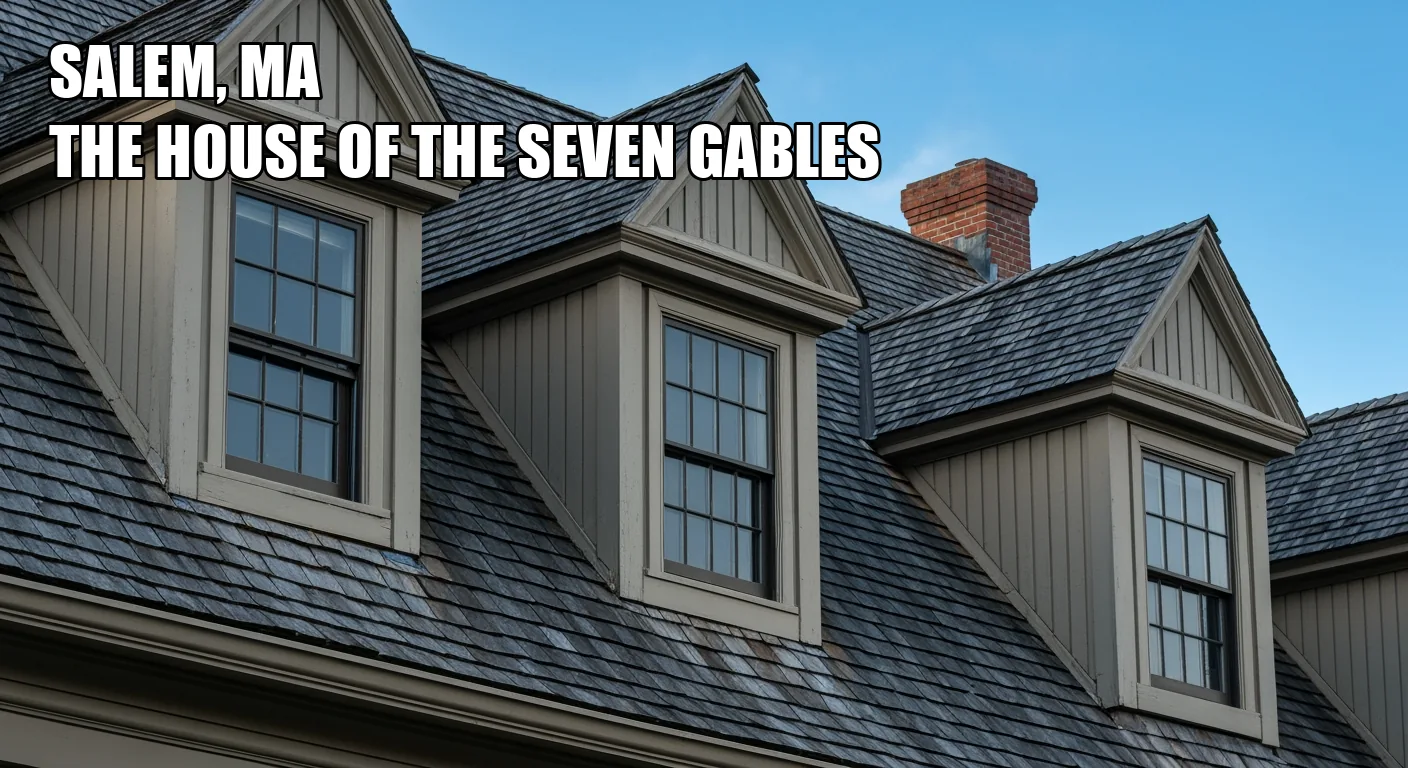
Walk through almost any older American neighborhood, and you'll encounter the gabled dormer with remarkable consistency. Often affectionately termed a "doghouse" dormer for its straightforward, pitched roof, it's the undisputed everyman of the dormer world. Its defining characteristic is a simple, triangular gable end above the window, flanked by vertical "cheeks" that typically match the home's siding. This unpretentious design isn't just common; its enduring popularity from the 1700s through contemporary builds speaks volumes about its versatility and structural integrity.
Many might dismiss the gabled dormer as basic, but its historical ubiquity in styles from Colonial to Queen Anne Victorian to the ubiquitous Cape Cod Revival homes of the mid-20th century is actually a testament to its genius. It was a go-to choice for developers in the 1920s-1950s seeking to add attic living space without overly complicating the roofline. Consider the Ovid Butler House in Indianapolis, where gabled dormers with rounded windows gracefully punctuate a Victorian-era third floor, proving that even a "simple" form can be imbued with decorative flair when the architectural context demands it. It’s not just a window; it's a testament to centuries of pragmatic, yet adaptable, design.
Shed Dormers: When Pragmatism Meets Architectural Grace
If the gabled dormer is the classic, the shed dormer is its highly practical cousin, a masterclass in maximizing space. Instead of a peak, it features a single, gently sloped roof plane extending outward from the main roof, often at a shallower pitch. This seemingly minor difference translates into a remarkable amount of additional headroom and usable floor space within the attic, transforming what might have been a cramped crawlspace into a genuine second story. This isn't merely an aesthetic choice; it’s a direct response to a need for more living area.
The genius of the shed dormer truly shone during the Arts and Crafts movement (1905-1930) and the Craftsman Bungalow era. These periods valued functionality and honest construction above all else, making the shed dormer a perfect fit. Imagine those early 20th-century catalog homes by companies like Aladdin; their expansive frontal shed dormers were explicitly designed to sell the dream of affordable, spacious living. While often associated with the Dutch Colonial style, especially with gambrel roofs, its true impact lies in its quiet efficiency, demonstrating how maximizing interior volume can subtly reshape a building's exterior without resorting to overt ornamentation.
Beyond the Gable: The Sophistication of Hipped and Eyebrow Designs
Not every dormer is designed for sheer practicality; some exist purely to elevate a roofline into an artistic statement. The hipped dormer, for instance, elevates the roof's geometry by introducing three sloping surfaces that converge at a central point. This creates a more elegant, less angular profile than its gabled counterpart, offering a sophisticated visual appeal from multiple angles. Building one requires precision, as those three roof planes must be perfectly coordinated to ensure weatherproofing—a detail often missed by casual observers.
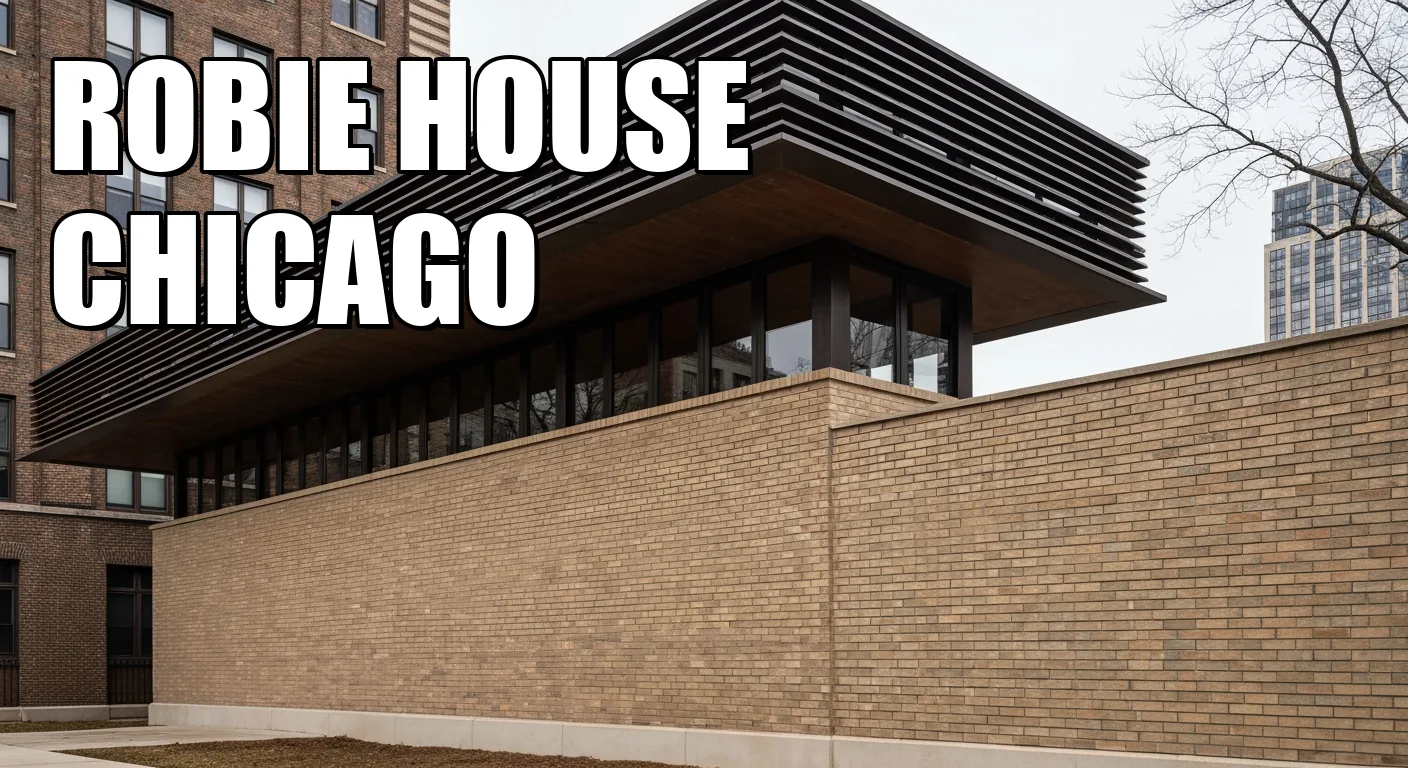
Frank Lloyd Wright, ever the innovator, made hipped dormers signature elements of his Prairie Style residential designs, perhaps most famously at the Robie House (1909) in Chicago. Here, the hipped geometry reinforces Wright's emphasis on horizontal lines and how a building integrates with its landscape, rather than merely sitting atop it. This style also defines much of the Shingle Style architecture of the late 19th century along the New England coast, where their graceful proportions complemented the continuous flow of wood shingles over complex roof forms. They aren't just windows; they're integral parts of a larger, sculptural composition.
Then there's the eyebrow dormer, a truly distinctive and utterly charming anomaly that lacks any vertical sidewalls. Its roofline rises and falls in a gentle, undulating curve, seamlessly flowing from the main roof plane like a soft wave. This isn't a dormer for maximizing space; in fact, these are often fixed windows, sitting low and barely breaking the roof's slope. What they sacrifice in utility, they repay in unparalleled visual poetry. Their construction, however, is a nightmare of custom fabrication and precise framing, a detail that often makes them a costly indulgence today.
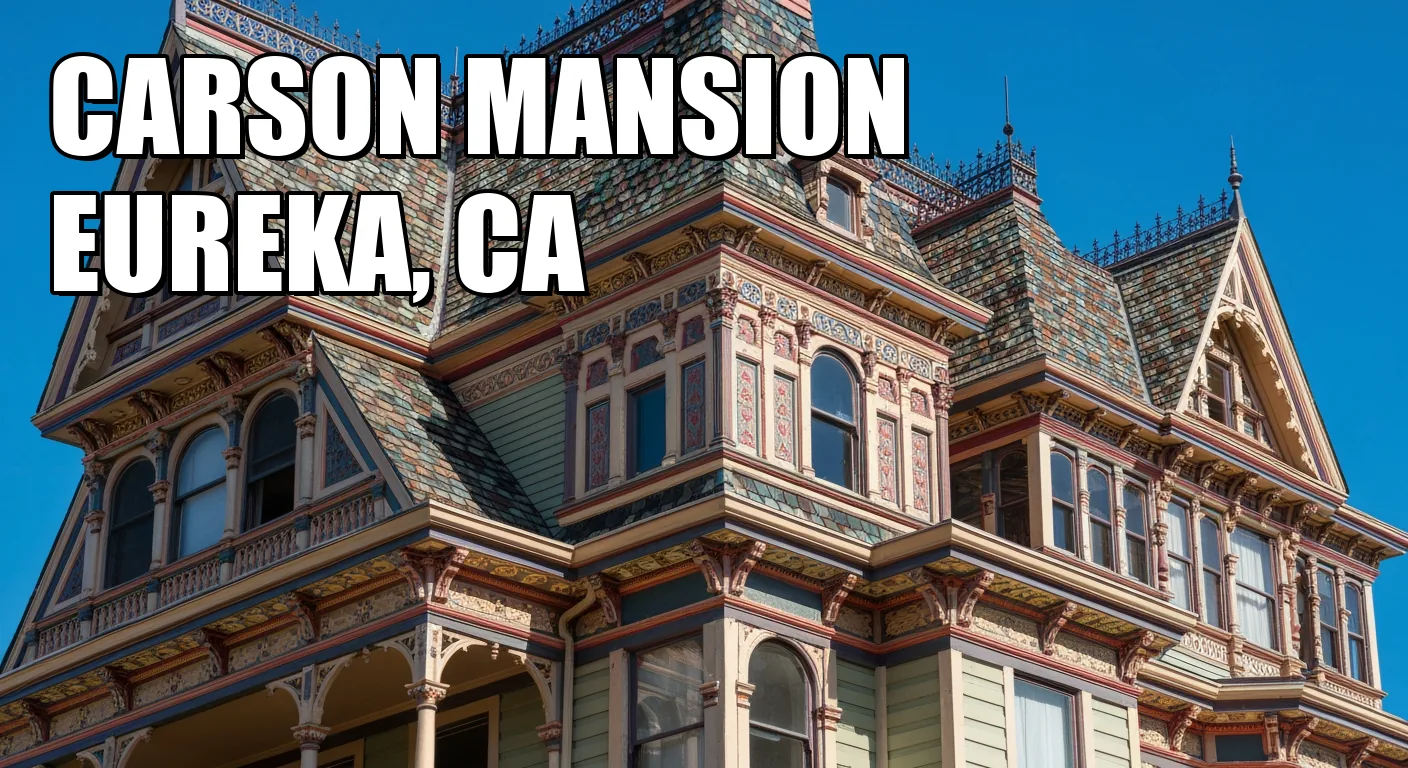
The American "hey-day" of the eyebrow dormer was the late 19th century, particularly on the elaborate roofs of Shingle-style Victorian and Richardsonian Romanesque houses. Henry Hobson Richardson, the influential architect, is often credited with popularizing these forms, which lent an organic, almost whimsical touch to the otherwise robust structures of his Richardsonian Romanesque style. If you visit Martha's Vineyard or other affluent New England coastal communities, you’ll see these "Richardson eyebrows" adding subtle drama to countless estates—a beautiful, if functionally limited, testament to turn-of-the-century aesthetic ambition.
Echoes of Antiquity: How Classical Pediments and Arches Adorn American Homes
Some dormers don't just add light; they broadcast an owner's aspirations and a building's deep historical roots. The pedimented dormer, a direct quotation from classical architecture, features a distinct triangular pediment above the window, often supported by pilasters or columns. This isn't a casual design choice; it’s a deliberate nod to ancient Greek and Roman temples, conveying formality and a strong sense of historical lineage. Every cornice, every fascia board, emphasizes this classical vocabulary, setting it apart from simpler gabled forms.
These highly formal dormers rose to prominence during the Georgian (1714-1820) and Federal (1780-1820) periods, where strict classical proportions and symmetrical facades were paramount. You'll see them gracing the grand homes of New England and the Mid-Atlantic, like the Watson House (now part of the Buffalo Club), where they reinforce the architectural gravitas of the property. They weren't just decorative; they were structural punctuation marks on a classically composed facade, signaling refinement and social standing.
Similarly, the arched or segmental dormer, with its curved or semi-circular roofline, also draws heavily from classical precedents. Its defining characteristic is the arch or vault forming the roof, frequently flanked by vertical moldings that mimic classical columns. This style found its stride during the Second Empire period (1860-1895), where it frequently punctuated the mansard roofs of opulent public buildings and wealthy residences. Consider the Eisenhower Executive Building in Washington, D.C.—an iconic Second Empire structure where arched dormers contribute significantly to its formal, monumental appearance. These dormers didn't just add light; they infused buildings with a sense of imperial grandeur and academic classicism, a far cry from the utilitarian shed.
Nantucket's Clever Compromise: Blending Form and Function
Among the more specialized and regionally significant dormer styles is the Nantucket dormer, a brilliant hybrid that balances generous light and space with a sophisticated aesthetic. This isn't a single dormer but a tripartite composition: a central shed dormer, often slightly recessed, flanked symmetrically by two smaller gabled dormers. This arrangement isn't just visually appealing; it’s incredibly practical, maximizing light penetration and usable living space across a broader section of the roof than any single dormer could achieve.
Named, of course, for the venerable island off Massachusetts, the Nantucket dormer became a characteristic residential detail in traditional Cape Cod and Colonial Revival architecture of the region. It’s a solution born of necessity and aesthetic sensibility, allowing for expansive attic conversions without overwhelming the roofline with a single, massive projection. Architect Katie Hutchison has extensively documented its effectiveness in contemporary design, noting how it achieves both practical space maximization and proportional visual balance. It’s a testament to regional ingenuity, proving that sometimes, the best architectural solutions come from combining familiar elements in a thoughtful, unexpected way.
Exploring America's dormer windows, then, isn't simply about cataloging architectural features. It’s about understanding the subtle forces—cultural aspirations, technological advancements, regional traditions, and sheer practicality—that have shaped our built environment. Each style, from the humble gabled to the intricate eyebrow, tells a part of the American story, often in ways that the grand facades below them cannot. Next time you look up, take a moment. You might just discover a hidden narrative written in shingles and glass, right above your head.
Architecture Styles You Can Read From the Street
Use visible details like rooflines, columns, and ornament to identify building styles faster.
Dormer Windows Architecture: Complete Guide for Homeowners
What is a dormer in architecture?
A dormer is a roofed structure that projects vertically from a sloping roof and typically contains a window to provide light and ventilation to upper-floor or attic spaces. It combines both functional and aesthetic elements, often featuring its own roof structure that extends outward from the main roof line.
What is the purpose of a dormer window?
Dormer windows serve to bring natural light into attics and upper floors, increase usable headroom in converted attic spaces, provide ventilation, and create additional square footage for living areas. They also add architectural character and can increase a property's curb appeal and market value.
Why is it called a dormer window?
The term 'dormer' derives from the Middle French word 'dormeor' and Latin 'dormitorium,' both meaning 'sleeping room,' because these windows historically provided light and livable space to attic-level bedrooms. The name reflects their original purpose of illuminating and ventilating sleeping quarters in upper stories.
What is the history of dormer window architecture?
Dormer windows have been used in domestic architecture in Britain since the 16th century, with examples found in Gothic churches as 'lucarnes' for ventilation. French architect François Mansart popularized dormers in 17th-century Paris through his mansard roof designs, and they remain a widespread feature of pitched roof buildings today.
What is the basic history of windows?
Early windows were simple unglazed openings in walls using materials like animal skins and wood for covering. The Romans were the first to use glass for windows around 100 AD, though glass remained expensive and was primarily for the wealthy until the 17th century.
What did windows look like in the 1700s?
1700s windows featured small glass panes held together by lead strips (casement windows) in early colonial America, while later in the century double-hung sash windows with 6-over-6 pane designs became more common. These windows represented advances in glassmaking techniques that allowed for larger openings and better ventilation.
Who invented windows and why?
Windows evolved over millennia rather than being invented by a single person, beginning with simple wall openings in ancient civilizations like Egypt and Mesopotamia. The Romans revolutionized window design by introducing glass technology around 100 AD, which allowed for weather protection while maintaining light and views.
Who built the first window?
The earliest window-like openings were created by ancient civilizations in Egypt and Mesopotamia as simple holes in walls for light and ventilation. The Romans are credited with first using glass for windows around 100 AD, transforming window technology and making them more practical for various applications.
What is the origin of the window?
Windows originated in ancient times as simple unglazed openings in walls of mud-brick and stone buildings in Egypt and Mesopotamia, covered with materials like animal hides and wood. The concept evolved significantly when Romans introduced glass technology around 100 AD, establishing the foundation for modern window design.
What are the main types of dormer windows?
The most common types include gable dormers (with a peaked roof), shed dormers (with a single sloping roof), hipped dormers (with three sloping roof planes), eyebrow dormers (with curved roofs), and flat roof dormers. Each type complements different architectural styles and offers varying amounts of interior space.
How much does it cost to add a dormer in the USA?
The average cost to add a dormer ranges from $12,000 to $30,000, with some projects costing between $6,000 and $37,000 depending on size and complexity, while fitting a dormer window alone costs $2,400 to $6,600. Individual window replacement typically ranges from $125 to $800 for labor, with window prices ranging from $150 to $1,500 depending on materials and specifications.
Which architectural styles commonly feature dormer windows?
Dormer windows are most commonly found on Cape Cod, Colonial, Federal, Greek Revival, and cottage-style homes, though they can enhance almost any pitched-roof architecture. These styles have historically used dormers to maximize attic space and create aesthetically balanced facades.
What are the main benefits of installing dormer windows?
Key benefits include increased natural light and ventilation, expanded usable living space, improved headroom in converted attics, enhanced curb appeal and architectural interest, and increased property value. Dormers also allow for passive ventilation when multiple windows are installed on a roof.
Where should dormer windows be placed on a home?
Dormers can be placed on the front, side, or back of a home depending on design preferences, though placement significantly affects the amount of natural light and visual impact. Placement should consider building codes, roof structure, and architectural balance, with most dormers positioned symmetrically or in practical locations for lighting attic spaces.
What building codes and regulations apply to dormers in the USA?
Dormers must comply with the International Building Code (IBC), which requires them to be constructed of the same materials as the roof they're built into. Local jurisdictions like Cambridge, Massachusetts specify additional requirements such as minimum setbacks (typically 3.5 feet from gable ends) and maximum lengths (often 15 feet or half the roof length).
What are common maintenance issues and repair concerns for dormers?
Common problems include water leaks at flashing points where the dormer meets the main roof, damaged roofing materials, blocked gutters, wood rot, and failed sealants. Regular inspection for water stains, peeling paint, and mold around dormers helps identify issues early before they cause significant damage.
Why This Page Exists
Maison builds place guides to help readers plan a real visit or understand a real site. When a page makes present-day access, booking, or visitor claims, those details are revised against public-facing source material and editorial review. For the wider standards behind that work, see methodology.
The Cornerstone Brief
One historic place, once a week — what it is, why it matters, whether it's worth going. No filler, no paid placements.
Coming soon. Unsubscribe any time.
We use cookies to enhance your experience. By continuing to visit this site you agree to our use of cookies.