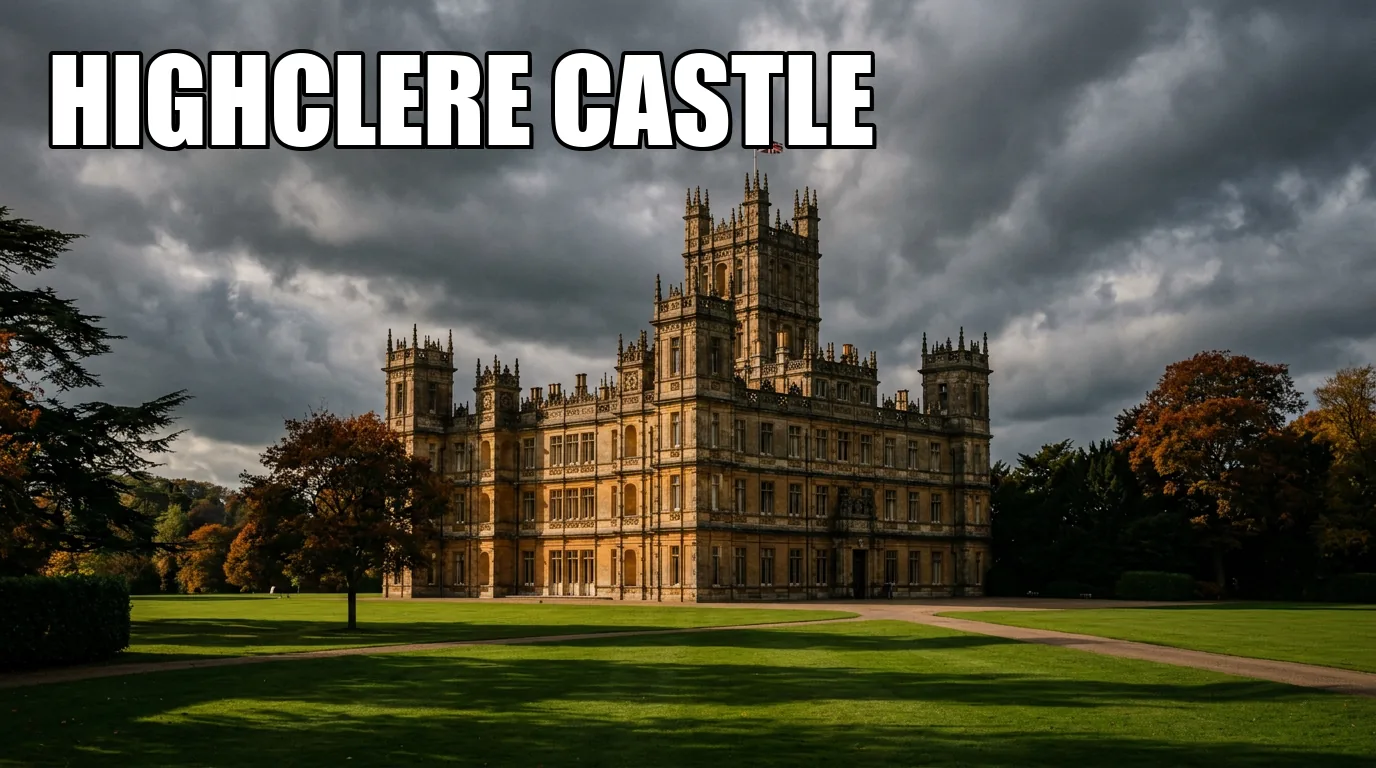
Highclere Castle, the stately Hampshire home synonymous with the Grantham family. It's the grand dame, undeniably iconic, and absolutely worth the pilgrimage. However, expecting a serene, uncrowded wander through the family's private residence, as depicted on screen, is a common pitfall. The reality of its popularity means your visit, particularly during peak summer, will be a carefully managed affair.
Planning your visit for summer 2025? Mark your calendars: the castle is open to the public from July 6 through August 28, 2025, operating Sundays through Thursdays. This limited window underscores the need for meticulous planning. You'll find yourself navigating a timed-entry system, typically with morning (10:00 AM-12:30 PM), midday (12:30 PM-2:30 PM), and afternoon (2:30 PM-4:00 PM) slots. While the castle itself closes promptly at 4:00 PM, with the estate winding down by 5:30 PM, I always advise booking an earlier slot. Why? It allows for a more relaxed pace, avoiding the rush of later entries and providing ample time to explore the magnificent grounds after your castle tour.
When it comes to admission, the basic "Castle & Gardens only" ticket will set an adult back
£22.50. If the allure of ancient Egyptian artifacts calls to you – a surprising, yet historically accurate, side to the real-life Carnarvon family who own Highclere – then opt for the "Castle, Gardens & Egyptian Exhibition" for £29. My advice? Go for the exhibition. It offers a fascinating counterpoint to the Upstairs/Downstairs narrative, revealing the 5th Earl of Carnarvon's role in discovering Tutankhamun's tomb and adding unexpected depth to the estate's lineage.
Forget about showing up hoping for a ticket; Highclere operates strictly on a pre-booking system. The official channels are vital: head to
highclerecastleshop.co.uk/categories/admission-tickets to secure your spot. Trying to purchase tickets on the day, especially during the bustling summer, is a fool's errand. While the website provides ample information, it doesn't quite convey the palpable excitement – and slight anxiety – of securing those coveted timed slots. A word to the wise: register for an account well in advance, and be ready to click "purchase" as soon as tickets become available for your desired dates. The process isn't overly complicated, but it rewards the prepared.
Is Highclere overhyped? Perhaps, if you arrive expecting an intimate, solitary experience. But its unique blend of architectural grandeur, compelling historical lineage (the Earls of Carnarvon tracing back to the 17th century), and its undeniable role in *Downton Abbey*'s magic makes it genuinely irreplaceable. The critical difference between expectation and reality here is the sheer volume of fellow enthusiasts. Embrace the communal awe, and you’ll find it still delivers that quintessential English country house charm.
Beyond the Great House: London's Echo at Basildon ParkWhile Highclere serves as the primary stage, the Crawleys, being landed gentry, naturally had a London residence. This is whereBasildon Park in Berkshire steps in, acting as the interior of Grantham House for multiple episodes, most notably the dazzling 2013 Christmas special featuring Lady Rose’s coming-out ball.
What makes Basildon unique? Unlike Highclere, which embodies a singular family’s continuous history, Basildon Park tells a more complex tale of rescue and restoration. This 18th-century Palladian mansion, originally built by East India Company fortune-maker Francis Sykes, fell into severe disrepair after World War II. It was the remarkable vision of Lord and Lady Iliffe, aristocratic patrons, who purchased it in 1952. They painstakingly restored it, injecting both modern comforts and meticulous historical accuracy, before generously donating it to the National Trust in 1978. This backstory of passionate stewardship adds a layer of quiet nobility that feels utterly authentic to the spirit of Downton.
Beyond the architectural elegance and historical context, Basildon also holds a delightful, almost scandalous, behind-the-scenes anecdote. During the brutally hot July 2013 filming for that Christmas special, the legendary
Dame Maggie Smith (the Dowager Countess) and Hollywood icon
Shirley MacLaine (Martha Levinson) found themselves in a memorable disagreement. Imagine two titans of cinema, both 79 at the time, navigating the elegant Octagon Room and the gallery above the staircase hall amidst the sweltering heat. The exact nature of their "dramatic interpersonal moment" remains deliciously vague, but it’s a wonderful reminder that even in the most refined settings, human personalities, particularly formidable ones, will always find a way to spark. This isn't something you'll find in official guidebooks, but it’s the kind of insider tale that truly brings a location to life.
Visiting Basildon Park offers a different rhythm than Highclere. Managed by the National Trust, it often feels more accessible, allowing for a leisurely exploration of its neoclassical interiors and 400-acre parkland. It’s a chance to appreciate a beautifully preserved estate without the intense pressure of a "must-see" filming location, making it an excellent counterpoint to your Highclere experience. You might even find yourself picturing the Dowager Countess exchanging barbed pleasantries with Martha Levinson right where you stand.
Whispers of Royalty in the Scottish Highlands: Inveraray's Enduring LegacyJourneying further afield, into the majestic Scottish Highlands, we findInveraray Castle, which famously stood in for the fictional Duneagle Castle in the 2012 *Downton Abbey* Christmas episode. This isn't just any castle; it's the ancestral seat of the Duke of Argyll and the historic headquarters of Clan Campbell, steeped in a lineage stretching back to 1450.
What truly elevates Inveraray beyond a mere filming location is its profound aristocratic connection to the British Royal Family. In 1871,
Princess Louise, Queen Victoria's fourth daughter, married Archibald Campbell, Marquess of Lorne, who would later become the 9th Duke of Argyll. This wasn’t merely a high-profile wedding; it was a strategic union that solidified the Campbells' already powerful position within the British social hierarchy. For a visitor, understanding this bond between the Scottish clan and the monarchy provides crucial context to the castle's grandeur and its palpable sense of history, far more than just "where they filmed that episode."
The castle itself, completed in 1789, stands as an early and striking example of Gothic Revival architecture in Britain. Its distinctive turrets and whitewashed walls, set against the dramatic backdrop of lochs and glens, create an awe-inspiring vista that even the show couldn't fully capture. Inside, the State Dining Room, used extensively in the show, echoes with centuries of feasting and political maneuvering. Practical advice for visiting: Inveraray is remote, making it a commitment. Expect a scenic but potentially long drive from major Scottish cities. Plan a full day, or even an overnight stay nearby, to truly absorb the rugged beauty of its surroundings and the weight of its history. This isn't a quick stop; it's an immersion into a different, wilder aspect of British aristocracy.
Downton Village's Double Life: Bampton's Unexpected DepthsStepping away from grand estates, the quaint Oxfordshire village ofBampton played the indelible role of the fictional Downton Village throughout the series. This is where the everyday lives of the downstairs staff and the local villagers unfolded – from pivotal weddings at
St. Mary's Church to medical dramas at the
Downton Cottage Hospital (actually Bampton Library) and social calls at
Isobel Crawley's residence (Churchgate House).
What's intriguing about Bampton is its seamless blend of its real identity with its on-screen persona. Unlike a grand castle, this is a living, breathing village that temporarily transformed. While charming, it's not a purpose-built tourist attraction, which means visitors get a more authentic slice of English village life, albeit one occasionally interrupted by tourists trying to find Mrs. Patmore’s kitchen.
The village also offers a surprisingly rich historical tapestry that predates any TV show by centuries. Bampton's aristocratic connections stretch back to King Edward II’s reign, when
Aymer de Valence, the 2nd Earl of Pembroke, was granted a license to crenellate in 1315, leading to the construction of
Bampton Castle. Though mostly demolished before 1789, remnants were incorporated into the still-standing Ham Court. This deep medieval history, often overshadowed by its *Downton* fame, lends an unexpected gravitas to the seemingly idyllic village, reminding us that even the most unassuming places carry centuries of stories.
And then there's the delightful chaos of filming itself. During an appearance on BBC's *The One Show* on
February 5, 2025, actor
Michael Fox (footman Andy Parker) recounted a couple of truly memorable near-accidents involving the formidable Dame Maggie Smith. He sheepishly admitted to almost pulling her over while placing a cloak on her shoulders and, in the same session, accidentally trapping her fingers in a prop purse. What did Smith do? She reportedly responded with characteristic grace, simply asking him to "help resolve the business with the purse." It's a testament to her professionalism and a charming glimpse into the human moments that happen even on the most polished of sets – a detail you certainly won't find in official location guides.
Visiting Bampton feels less like a grand tour and more like an intimate exploration. Wander the streets, admire the architecture, and perhaps pop into the local shop. You'll quickly realize that while the *Downton* magic is palpable, the village maintains its own quiet dignity and long-standing history, providing a unique perspective on the series' setting.
Bringing It All Together: An Expert's Final Thoughts on Your Downton OdysseyAn odyssey through the *Downton Abbey* filming locations is more than just a fan pilgrimage; it's an immersive journey into Britain's aristocratic past, its architectural heritage, and the surprising realities of bringing a beloved television series to life. From the carefully managed grandeur of Highclere to the resilient spirit of Basildon, the royal mystique of Inveraray, and the unassuming charm of Bampton, each site offers a distinct flavor of the world Julian Fellowes so masterfully crafted. What you'll discover is that the true magic lies not just in recognizing a familiar setting, but in peeling back the layers of history, understanding the motivations behind preservation, and appreciating the human stories – both on-screen and behind the scenes – that give these places their enduring resonance. So, plan meticulously for 2025, but arrive ready for the unexpected; that’s where the real travel memories are made.