At a Glance 1886 Hotel opening year
6th & Brazos Downtown Austin location
By category How booking actually works
- Room 525 is the story hook; the bigger decision is whether the Driskill is the right old-school Austin base.
- Use the page to separate what guests can actually confirm from what gets repeated because the hotel is famous.
- If the trip is wider than one room story, pair this with downtown stay and arrival logic instead of treating the legend as the whole plan.
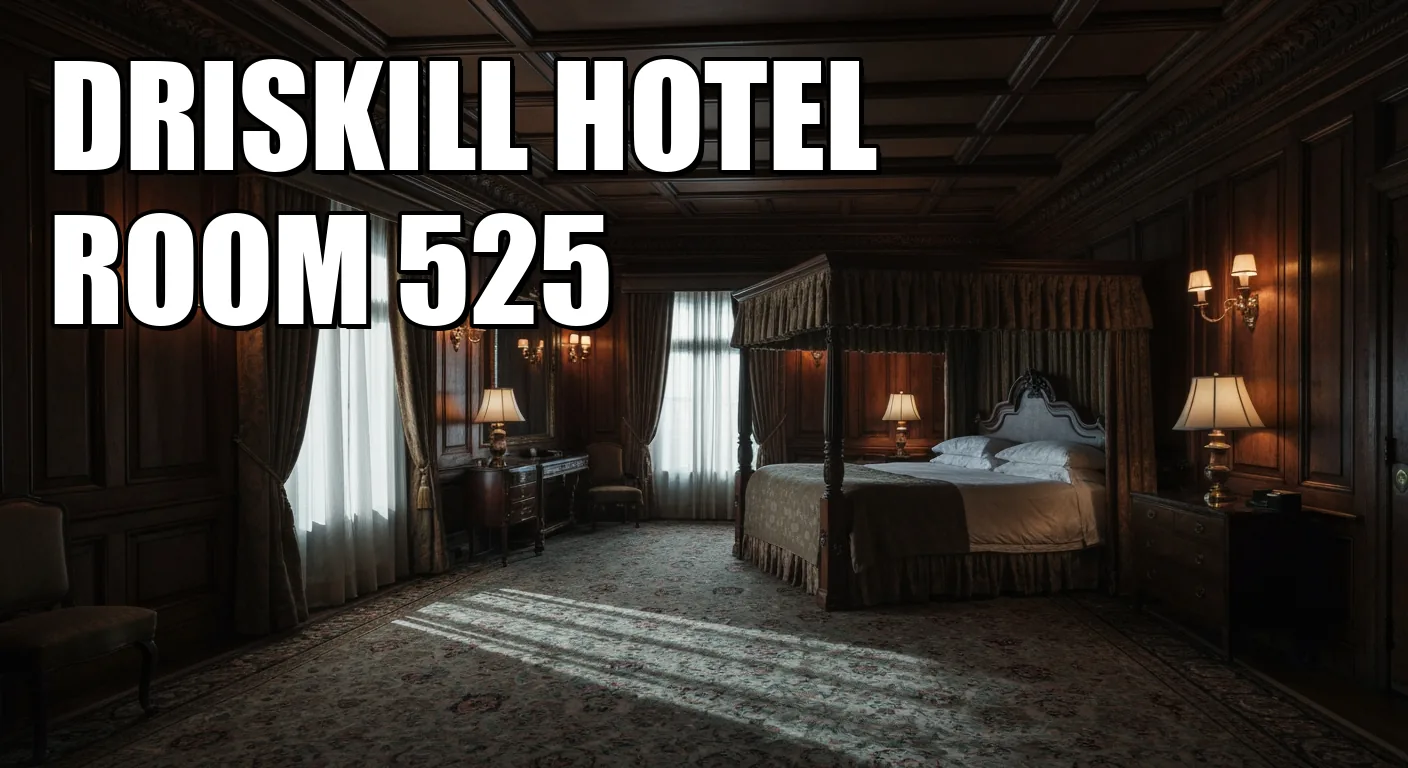
Room 525 is the phrase people type, but the real decision is whether The Driskill is the right downtown Austin stay once the haunted-room curiosity runs out. That is the split this page should keep honest from the first paragraph: Room 525 explains the search, while the 1886 hotel, the Brazos-and-Sixth location, and the wider downtown fit explain why the page matters after the search is over.
The short version: the Driskill is a real landmark hotel with one sticky room legend attached to it. You are not booking a dedicated paranormal experience. You are deciding whether a famous historic Austin hotel is strong enough to carry the stay even if Room 525 never becomes more than lore and request-based curiosity.
What the Driskill officially is
The hotel does not need a ghost story to justify attention. The Driskill opened in 1886 and still operates as one of the best-known historic hotels in downtown Austin. Its public identity leans on that landmark status, its preserved public spaces, and its position inside the part of the city where music, government, older commercial blocks, and hotel history overlap.
That framing matters because it keeps the page from collapsing into a room-number gimmick. The Driskill is not famous only because of Room 525. Room 525 survives because the hotel was already famous enough for one legend to latch onto a building people genuinely want to stay in.
Why Room 525 keeps surviving the search cycle
A named room gives a legend a hard edge. It feels more solvable than a floating claim that a whole hotel is haunted. That is why the room keeps showing up in Austin haunted-hotel searches: the number makes the story sticky, repeatable, and easy to remember.
But the useful distinction is the same as it is with other strong room-led pages on the site: Room 525 is the lore layer, not the booking layer. The hotel still has to work as an actual Austin base. If it does, the page is useful. If the room number is the only thing holding attention, the page will always feel thinner than the hotel deserves.
| If your real goal is... | The Driskill makes sense when... | What to open next |
| One famous haunted-room search | You want the exact hotel tied to Room 525 and are happy treating the room itself as lore plus availability, not as a promised product. | Austin arrival page. |
| An old-school downtown Austin hotel | The hotel identity, public rooms, and historic core location matter even without the legend. | Austin hotel planner. |
| A wider Austin trip where the hotel is secondary | The Driskill may still be appealing, but the planner should decide whether the stay needs landmark character at all. | Compare downtown fit first. |
Can you directly book Room 525?
Not in the simple, haunted-package sense people often expect. The public booking structure is built around guestroom and suite categories, not around a Room 525 checkout path. That is the practical fact readers need. The room legend may be real enough to persist, but it is not being sold as a front-and-center standalone product.
That means expectations should stay disciplined. If you care about the room number itself, treat it as a request question for the property, not as the thing the booking engine is guaranteeing. If what you really want is the Driskill experience, the room legend becomes a layer on top of a broader stay choice rather than the whole reason the hotel works.
What the Driskill is really buying you in Austin
The hotel buys you downtown position with older civic texture still attached. The Driskill sits in the part of Austin where a visitor can feel the overlap between the music core, the statehouse side of town, convention spillover, and a version of the city that still wants one historic hotel to matter as a landmark rather than just as inventory.
That is why the page should stay anchored in hotel logic. A room legend can attract the first click, but the stay only makes sense if the reader can picture why this building is a better Austin base than a generic downtown tower, a chain room farther out, or an itinerary where the hotel does not matter much at all.
When the Driskill beats the rest of the Austin grid
The Driskill is strongest when the trip wants one or more of these things at once: an older hotel with public-room character, a downtown stay that feels like Austin rather than an interchangeable convention hotel, and a location close enough to the Sixth Street and Capitol orbit to keep movement simple. Room 525 sharpens the identity, but it should not be the only reason the booking makes sense.
If the trip sounds just as good in a newer room with less landmark weight, the planner may pull you elsewhere. If the trip sounds better the moment you picture ending the night back inside the Driskill lobby, then the hotel is doing real work and the room legend is only helping it.
How to turn the Room 525 search into a real Austin trip
If the arrival is still unsettled, use the Austin arrival page first and decide whether the trip is really Driskill-first, downtown-first, or wider-city-first. If the airport question is already solved, go straight into the Austin hotel planner and compare the Driskill against the rest of the downtown stay logic before rates and room photos flatten the decision.
The best order is arrival first, hotel cluster second, Room 525 third. That keeps the legend in proportion and lets the hotel win or lose on the thing that matters most: whether it is the right Austin base in real life.
The Cornerstone Brief
One historic place, once a week — what it is, why it matters, whether it's worth going. No filler, no paid placements.
Coming soon. Unsubscribe any time.