Bed & Breakfast

French Quarter B&Bs: Beyond the Brochure & Ghost Tours

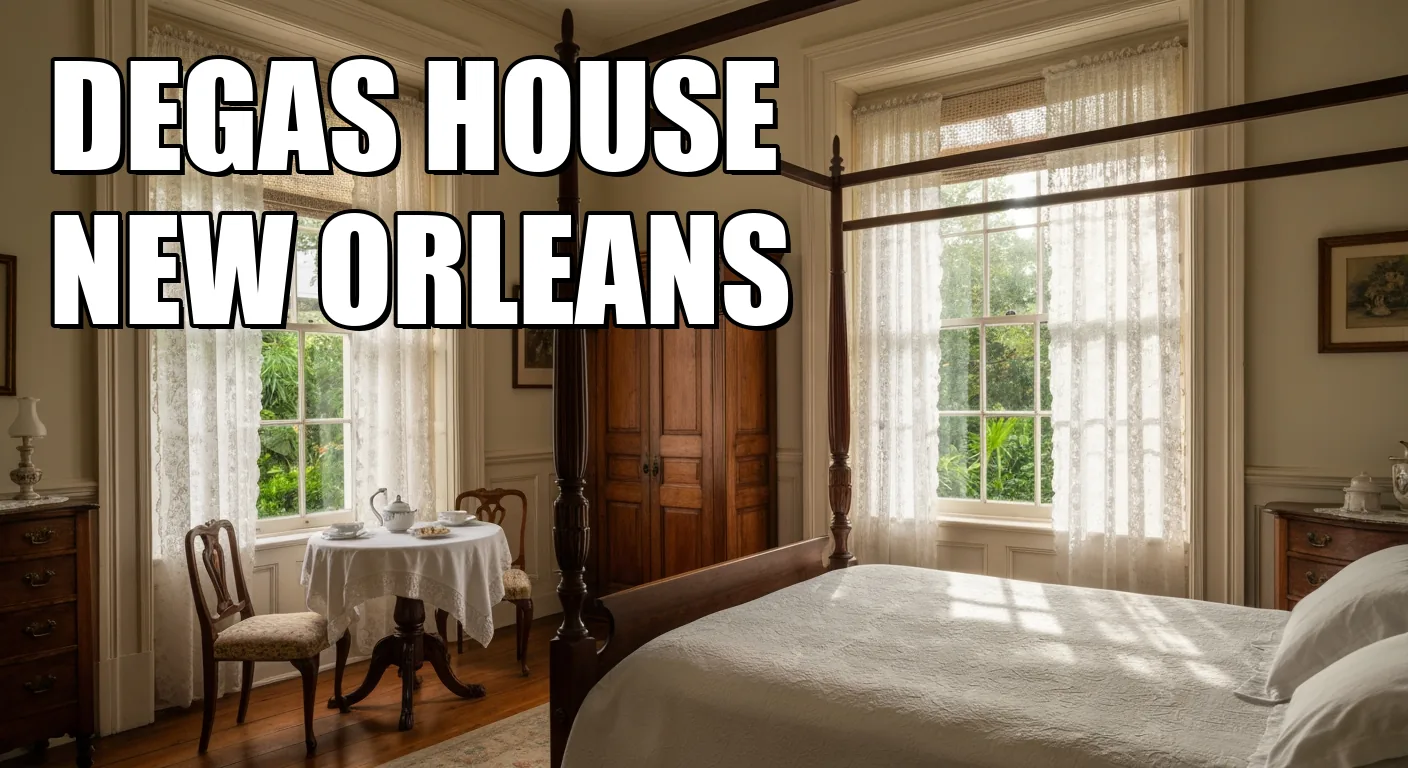
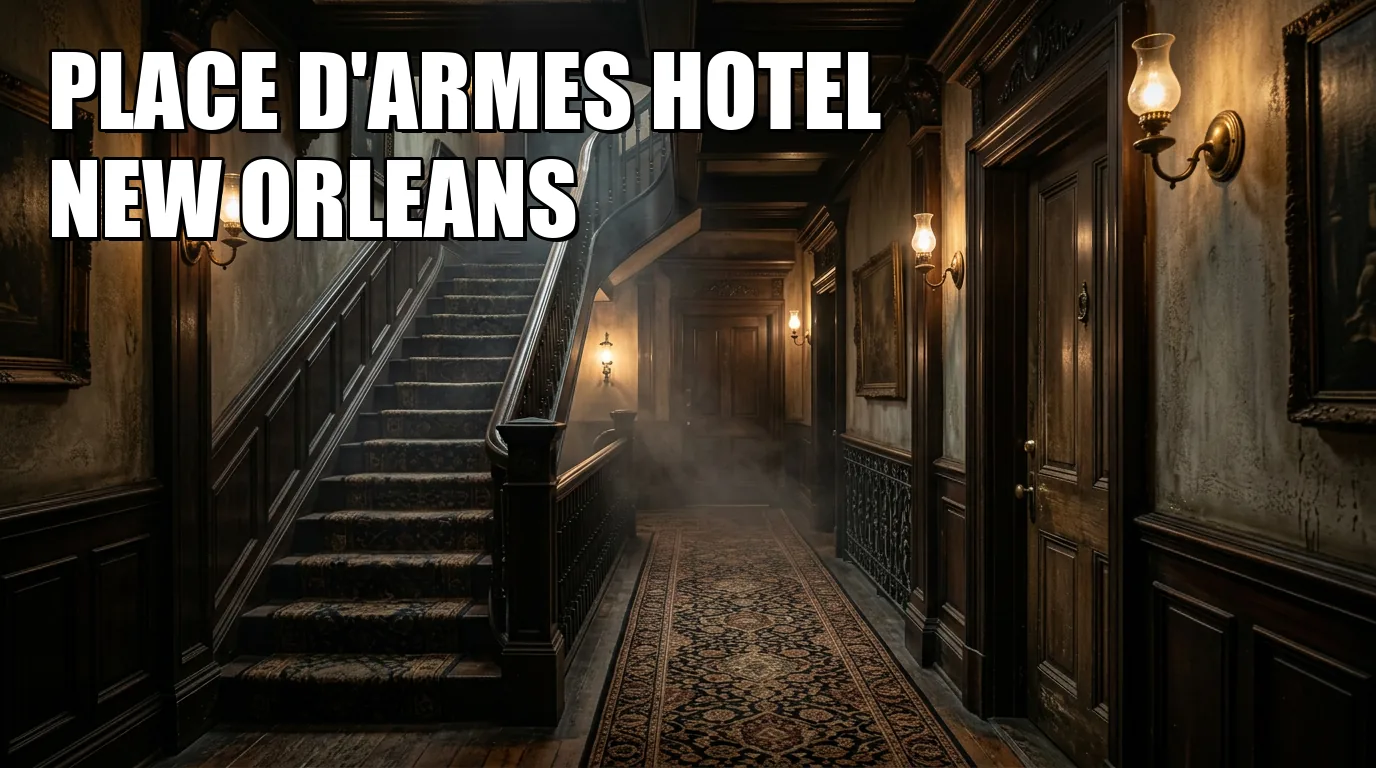
When I first started exploring the French Quarter decades ago, it was the raw, unfiltered authenticity that captivated me. Every balcony seemed to hum with forgotten jazz, every courtyard guarded a century of secrets. Today, despite the undeniable gloss of tourism, that magic persists, especially within its bed and breakfasts. These aren't just places to sleep; they are living museums, often with more personality—and sometimes, more residents—than their modern counterparts. But selecting the right one requires looking past the polished brochures and understanding the deep currents of history that flow beneath the surface. ## Why a French Quarter B&B Truly Transforms Your Visit Forget the sterile anonymity of a chain hotel; a bed and breakfast in the French Quarter offers an entirely different proposition. These are typically grand, historic homes, lovingly restored, where you wake to the scent of coffee and the faint echo of horse-drawn carriages on cobblestones. This isn't merely about quaint decor; it’s about inhabiting history, feeling the patina of generations on a banister, or noticing how light spills into a room exactly as it did over a hundred years ago. It’s the subtle, human touches—the local recommendations from innkeepers, the often-homemade breakfast—that distinguish these stays. You’re not just a guest; you're momentarily part of the Quarter’s ongoing narrative, a privilege no high-rise hotel can truly replicate. ## Discovering Artistic Legacies at the Degas House Few properties in the Quarter boast such a direct, tangible link to a global artistic giant as the Degas House. It’s here, in 1872, that French Impressionist painter Edgar Degas resided with his Creole relatives, the Musson-Degas family. This isn't just a fun fact; it contextualizes a pivotal, formative period in his career, as he painted several iconic New Orleans scenes and portraits during his stay. When you walk through its doors, you're not just in an old building; you're stepping into the very environment that shaped an artist's vision. The rooms, often named after his family members, retain an authentic 19th-century New Orleans feel, a far cry from the generic "historic chic" you find elsewhere. While exact rates fluctuate wildly, particularly for prime dates like April 2025, expect a range of approximately $200-280 per night, depending on the room and season. Booking well in advance, especially for weekend stays, isn't a suggestion here, it's a non-negotiable strategy. ## Romance, Unscripted: Melrose Mansion's Enduring Allure Shifting from artistic heritage to sheer romantic grandeur, the Melrose Mansion presents a different facet of the Quarter's B&B experience. While it doesn't boast a specific, documented celebrity guest list in the way some others do, its reputation for opulence and intimacy speaks volumes. The Donecio Suite, in particular, is frequently lauded as "the most romantic bedroom in New Orleans," a claim that might sound like marketing fluff, yet often rings true for those seeking an indulgent escape. What makes it so? Think soaring ceilings, period furnishings, and private balconies that offer a respite from the Quarter's lively streets. Unlike places trading on a famous name, Melrose Mansion’s appeal lies in its inherent architectural beauty and the curated experience it offers. Rates here skew higher, generally ranging from $183-$440, reflecting its more luxurious positioning. For a truly special occasion, this is where you come when the experience itself is the celebrity. ## The Quarter's Unseen Guests: A Skeptic's Guide to Haunted Stays No discussion of French Quarter B&Bs would be complete without acknowledging the pervasive, often sensationalized, ghost stories. Two properties stand out in the lore: the Lafitte Guest House and the Fleur de Lis Mansion. At Lafitte, Room 21 is famously associated with the spirit of "Marie," an eight-to-ten-year-old girl who reportedly died of yellow fever in 1853. This tragic detail, while macabre, grounds the tale in a very real historical context; yellow fever was a devastating scourge in 19th-century New Orleans, claiming countless lives, particularly among children. The Fleur de Lis Mansion also boasts its share of spectral residents, with reports of a "ghostly prankster" in the Red Room and a spirit named "Bill" or "Billy" documented by paranormal investigators in the Fleur de Lis Suite. But here’s the rub, and what most guides won't tell you: while these stories add a delicious layer of intrigue, verifying specific room numbers with documented ghostly encounters (beyond a general property-wide reputation) is remarkably difficult. Most B&Bs don't publish these details prominently, treating them more as whispers passed between guests and staff. Are the ghosts real? Who can say. But the *stories* are real, and they tap into the Quarter's deep vein of folklore and tragedy, transforming a simple overnight stay into a brush with the supernatural. Approach these claims with an open mind, but a healthy dose of critical thought; the real haunting might just be the inescapable history itself. ## Lights, Camera, History: The Lanaux Mansion's Modern Star Turn Beyond the centuries-old tales and artistic pursuits, some French Quarter B&Bs have stepped into a more contemporary spotlight. The Lanaux Mansion, an architectural gem in its own right, gained significant renown when it served as a filming location for "The Curious Case of Benjamin Button" in 2008. This brought none other than Brad Pitt and other cast members within its historic walls. This kind of modern association offers a different kind of historical resonance; it's less about the deep past and more about the ongoing cultural relevance of New Orleans as a cinematic backdrop. It highlights how these grand old homes continue to capture imaginations, not just for their past, but for their ability to host new narratives. Staying here offers a chance to connect with that contemporary legacy, perhaps even imagining what it was like when Hollywood descended upon this quiet corner of the Quarter. It’s a blend of old-world charm with a touch of recent, glamorous history. ## The Realities of Planning Your Perfect, Historic Stay You’re now probably dreaming of a specific room, a particular balcony, perhaps even a friendly ghost. And here’s where an experienced traveler’s insight becomes crucial: pinning down exact, granular details for these unique properties is often a journey in itself. Why? Because these aren't cookie-cutter hotels. Firstly, securing *specific room numbers* with documented features or ghostly residents, as fascinating as they sound, often requires direct inquiry. Websites rarely feature "the haunted room" or "the artist's favorite corner" prominently. You’ll need to pick up the phone or send a personalized email, rather than relying solely on online booking platforms. Secondly, let's talk about pricing for something like an April 2025 weekend. While general ranges (like the $213 average for French Quarter boutiques) provide a starting point, *exact* rates are fluid. They’re subject to demand, specific dates (Jazz Fest or Easter weekend will command premiums), and the property's own yield management. What you see today could change tomorrow. Expect minimum stay requirements, especially on weekends and during peak festival periods. My advice? Start looking at least six to nine months ahead for popular dates. Be flexible with your arrival day if possible, as weekday rates can be significantly lower. Always, *always* check directly with the property after cross-referencing with booking sites like Expedia or TripAdvisor. This dual approach helps you verify availability and often uncovers special deals or allows for direct negotiation, especially for longer stays. Finally, manage your expectations. A historic B&B, by its very nature, might have quirks. Floors may creak, plumbing might be charmingly antique, and the sounds of the French Quarter—be it late-night revelers or distant jazz—might drift in. Embrace it. That’s not a flaw; it’s part of the immersive, unfiltered experience that makes a French Quarter B&B truly unforgettable. It’s an invitation to step outside the mundane and truly live a piece of history, one unforgettable night at a time.

French Quarter Bed and Breakfast: The Ultimate Traveler's Guide

What is the history of the French Quarter?
The French Quarter was founded in 1718 by Jean-Baptiste Le Moyne de Bienville and served as the original settlement of New Orleans. Originally called Vieux Carré (Old Square), it was the center of colonial life and remains the oldest neighborhood in the city, showcasing French, Spanish, African, and American influences across nearly four centuries.
What is the history of bed and breakfast?
Bed and breakfasts have existed since ancient times as informal hospitality in private homes and monasteries. The concept formalized during the 19th century Industrial Revolution when the transcontinental railroad (completed 1869) created demand for affordable lodging, and the term became standardized with its roots in 19th-century British hospitality culture.
What is the history of French Quarter bed and breakfast establishments?
French Quarter B&Bs represent a blend of historic architecture and modern hospitality, with many operating in restored 18th and 19th-century colonial buildings. Today, they offer travelers an authentic New Orleans experience by combining accommodations in historic properties with personalized service and local insights.
What is the oldest building still standing in New Orleans?
The Old Ursuline Convent, built between 1748 and 1752, is the oldest building still standing in New Orleans and the oldest structure in the Mississippi Valley. Located at 1100 Chartres Street in the French Quarter, it survives from the French Colonial era and now operates as a museum.
What is the oldest operating bar in New Orleans?
The Old Absinthe House, with its first liquor license acquired in 1835, is the oldest continuously operating bar in New Orleans and one of the oldest in the United States. Located on Bourbon Street, the building itself dates to 1798.
Is Lafitte's the oldest bar?
Lafitte's Blacksmith Shop, built between 1722 and 1732, is the oldest structure used as a bar in the United States, though it began operating as a bar much later than the Old Absinthe House. The building is believed to have been used as a blacksmith shop and possibly a base for the Lafitte brothers' smuggling operations in the late 1700s.
What is the second oldest restaurant in New Orleans?
Tujague's, opened in 1856, is the second oldest restaurant in New Orleans, serving traditional Creole cuisine for nearly 170 years. Located in the French Quarter at 823 Decatur Street, it's also home to the birthplace of brunch and the oldest stand-up bar in America.
What are the famous bars in New Orleans?
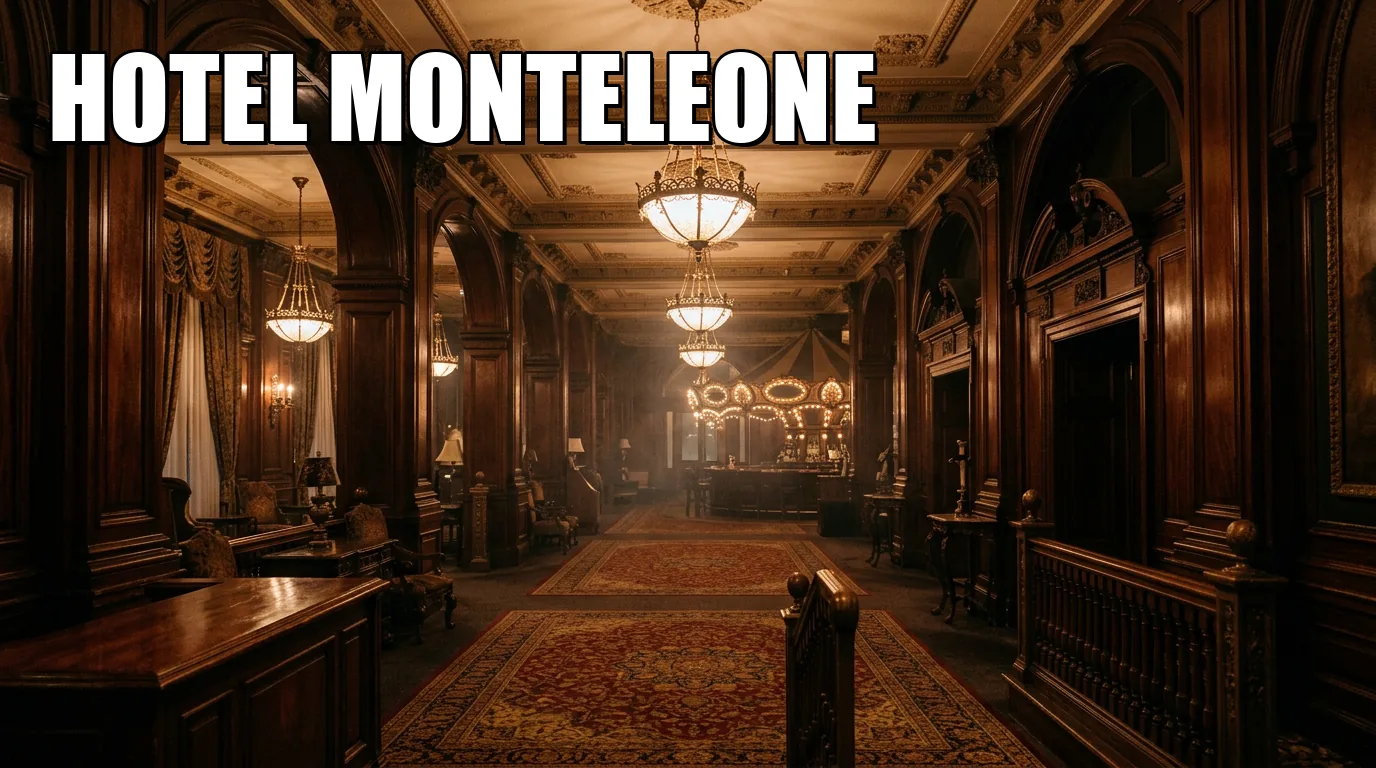
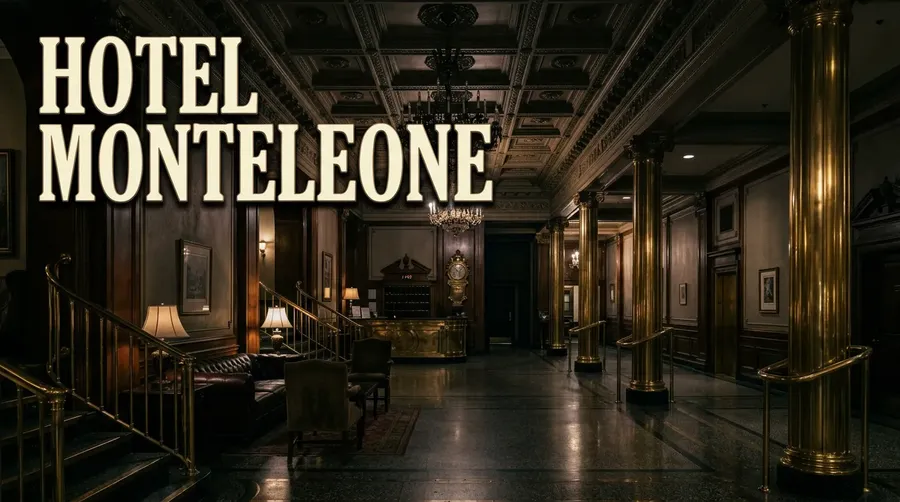
Famous New Orleans bars include Pat O'Brien's (est. 1933, home of the Hurricane cocktail), Sazerac Bar at the Roosevelt Hotel (named after the world's first mixed drink), Carousel Bar at Hotel Monteleone (opened 1949 as the city's first rotating bar), Old Absinthe House, Lafitte's Blacksmith Shop, and numerous historic establishments along Bourbon Street and throughout the French Quarter.
Where is Brad Pitt's house in New Orleans?
Brad Pitt and Angelina Jolie's former New Orleans home is located at 521 Governor Nicholls Street in the French Quarter, a Creole-style townhouse built in 1828. The property was sold in 2024 for $2.8 million after being on the market.
Does Sandra Bullock still own a home in New Orleans?
Yes, Sandra Bullock still owns her 1876 Gothic Victorian mansion, known as the Koch-Mays or Eustis Mansion, located at the corner of Fourth and Coliseum Streets in the Garden District. She purchased the property in 2009 for $2 million and continues to own this charming 7,544-square-foot home.
What is the best time to visit French Quarter bed and breakfasts?
The best times to visit are February through April (spring) and October through November (early fall), when temperatures are comfortable (70s°F) and weather is mostly clear. These seasons offer perfect conditions for exploring the Quarter's historic sites without summer heat and humidity.
What is the typical cost of a French Quarter bed and breakfast?
Bed and breakfast prices in New Orleans typically range from $75 to $236 per night, depending on location, season, room size, and amenities. Properties located directly in the French Quarter often command premium rates during peak tourist seasons like Mardi Gras and Jazz Fest.
What does a bed and breakfast stay include?
A typical B&B stay includes a comfortable private room with modern amenities (bathroom, TV, Wi-Fi), a full or continental breakfast, and personalized service from the host. Many properties offer local recommendations, insider tips, and a welcoming atmosphere similar to staying in a friend's home.
What are the top attractions to visit from a French Quarter bed and breakfast?
Top attractions near French Quarter B&Bs include Jackson Square, St. Louis Cathedral, Preservation Hall (jazz venue), New Orleans Pharmacy Museum, Bourbon Street, Pirate's Alley, and numerous art galleries, restaurants, and historic home museums throughout the historic district.
How do I book a French Quarter bed and breakfast?
You can book French Quarter B&Bs through major platforms like Airbnb, Booking.com, TripAdvisor, and Expedia, or directly through individual property websites. Most B&Bs require advance deposits or full prepayment, with stricter cancellation policies than hotels, so book early during peak seasons.
What are the key features of Jackson Square?
Jackson Square, originally called Place d'Armes (1718), was renamed in 1815 to honor General Andrew Jackson's victory in the Battle of New Orleans. The 2.5-acre public square features a statue of Andrew Jackson in the center, is surrounded by historic buildings including St. Louis Cathedral, the Cabildo, and the Presbytère, and remains the heart of French Quarter tourism.