Film & TV Locations

Full House Reality: Visiting San Francisco's Iconic Home

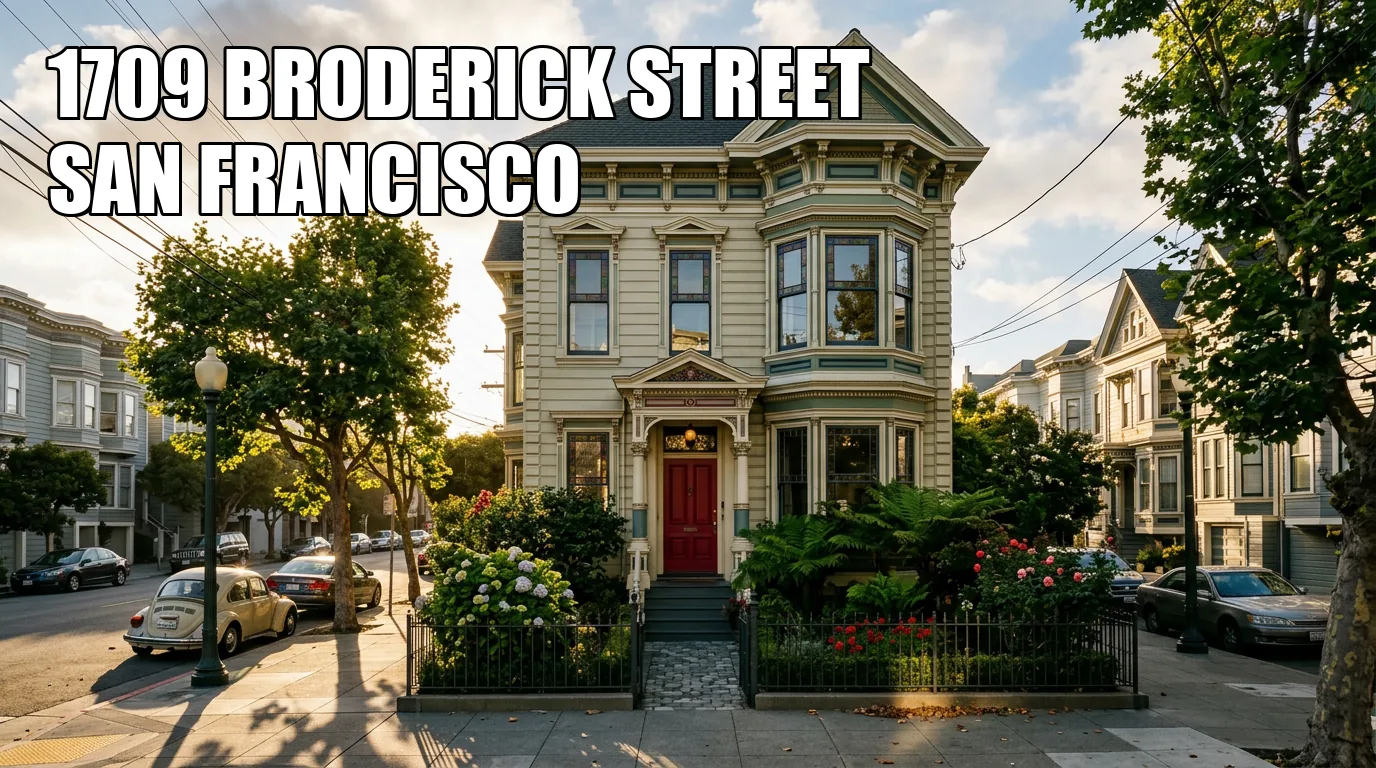
For decades, that distinctive red door and bay-windowed facade at 1709 Broderick Street has held a special place in the hearts of millions. It’s not just a house; it's a symbol of comfort, family, and a specific brand of wholesome 90s television that etched itself into our collective consciousness. But what happens when a beloved TV set becomes a very real, very private home in a very real, very quiet San Francisco neighborhood? The answer, as I’ve observed over years of exploring similar sites, is rarely simple, often fraught, and always a fascinating study in the collision of pop culture and everyday life. ### The Allure of a Famous Address: More Than Just Brick and Mortar Why do we flock to these places? It's a primal urge, really, to touch the tangible, to step into the very frame that once captivated us on screen. The Full House property, long before it gained official recognition from its creator, Jeff Franklin, was already a pilgrimage site. Fans, myself included, would wander up the iconic Painted Ladies block, then detour just a few streets over, hoping for a glimpse of where Danny, Jesse, Joey, and the girls purportedly lived. The house itself is a handsome Victorian, certainly, but its true magnetism lies in the stories we project onto it, the echoes of laughter and life from a fictional family. Yet, this profound connection has, regrettably, come at a significant cost to those who actually call the street home. The fantasy of the Tanner family’s idyllic urban life clashes sharply with the practical realities of a bustling, often chaotic, stream of visitors. Imagine the daily grind of navigating your own driveway when a dozen tourists are staging an impromptu photoshoot, or the constant hum of idling engines and excited chatter echoing off your bedroom window. This isn't just an inconvenience; it's a fundamental disruption to the sanctity of one's home. ### When Nostalgia Becomes a Nuisance: The Unspoken Cost of Fandom The problem truly exploded after Jeff Franklin, the show's creator, purchased the house in 2016. He even held a cast party for the second season of *Fuller House* that December, inadvertently setting off a tourism boom that would quickly overwhelm the residential block. Suddenly, the trickle of respectful admirers turned into a torrent, with neighbors reporting a staggering 150-250 visitors and 50+ cars per hour during peak times in 2017. On busy weekend days and holidays, that number could soar to 1,000 to 1,500 people daily. This wasn't merely a minor uptick; it was an invasion, turning a peaceful street into an accidental, open-air theme park. The list of complaints from beleaguered residents reads like a litany of every homeowner’s worst nightmare. Imagine attempting to leave your home only to find your driveway blocked by double-parked vehicles, their occupants often too engrossed in capturing the perfect selfie to notice you. Neighbors spoke of incessant yelling, honking horns, and loud music blaring at all hours. They endured visitors loitering on their front steps, leaving car engines idling, and even trespassing onto adjacent properties, sometimes acting aggressively if confronted. Several traffic accidents were documented on the block, a direct consequence of the confusion and congestion caused by so many distracted visitors and ill-parked vehicles. This wasn't harmless fun; it was a genuine safety hazard and a profound violation of community peace. ### Voices from the Front Line: Residents Speak Out The narratives from those living alongside the Full House phenomenon are particularly telling. Mary Riscy, a neighbor across the street, recounted a frightening incident in April 2016 where she had to shout "Crazy lady backing out!" to warn visitors away from her car as she exited her driveway. Christina Roche, another resident, lamented in 2018 that the neighborhood received "100-plus tourists a day," noting the unpredictable nature of fan behavior: "Some days it's fine and people are respectful. Some days they are not so respectful." It's this inconsistency, this roulette wheel of daily disturbance, that makes the situation so utterly draining for residents. Andrea Scott Finney highlighted the simple, yet profound, difficulty of daily tasks, explaining how fan traffic made it a struggle to back out of her driveway due to double parking, loitering, and littering. And David Natcher, a 47-year resident, testified to the San Francisco Municipal Transportation Agency (SFMTA) about visitors ignoring traffic regulations, driving the wrong way, double parking in red zones, and generally treating the street like a free-for-all. Carla Hashagen, another neighbor, even presented time-lapse videos to the transportation board in July 2018, vividly illustrating the constant stream of visitors arriving by every conceivable mode of transport – buses, Ubers, Lyfts, Go Cars, bikes, and motorcycles. These weren't isolated incidents; they were a systemic breakdown of neighborhood tranquility. ### A City Intervenes: Can a Ban Restore the Peace? The situation grew so untenable that the city itself was forced to act. On July 18, 2018, the San Francisco Municipal Transportation Agency unanimously passed a motion that banned tour buses from a specific section of Broderick Street, precisely between Pine and Bush. This represented a crucial, government-level restriction on commercial vehicle access, an official acknowledgement that the tourism problem had spiraled beyond a simple nuisance. While it might seem a small measure, this decision aimed to curb the most egregious forms of organized large-group visitation, which often contribute the most to congestion and noise. Despite this intervention, Franklin himself initially resisted some proposed measures. In December 2017, neighbors and the property creator exchanged settlement offers that included conditions like blocking the bottom of the front steps with a locked gate and a "no trespassing" sign at all times. Franklin’s legal counsel, however, rejected these specific offers later that month. While "no trespassing" signs have appeared and a gate has been used, the back-and-forth highlights the tension between a property owner's rights and a community's need for peace. Franklin *did* pay for "no double-parking" signs to be installed, demonstrating some acknowledgment of the issue, and even placed a sign on a portable restroom in the driveway encouraging fan respect – a sign, perhaps ironically, that was stolen by visitors in October 2017. ### Visiting Smart: How to Be a Respectful Fan (and What to Expect) So, you still want to see the house? I get it. The pull is strong. But approach this pilgrimage with the utmost respect. This is not a public park or a museum; it is someone's private home, situated within a dense, residential neighborhood. Your visit should be a quiet, fleeting moment, not a boisterous photoshoot.First and foremost, understand that there is no admission fee to simply view the exterior, nor should there be. This is not an attraction with designated parking; street parking is limited and strictly regulated, so consider taking public transit or a rideshare service and being dropped off a block or two away. If you absolutely must drive, be prepared to pay for meter parking or use a nearby garage, and *never* double-park or block a driveway. The tour bus ban on Broderick Street between Pine and Bush is still in effect, so major tour operators should avoid the immediate vicinity, but smaller group tours might still attempt to skirt the rules. When you arrive, take your photos quickly and quietly from the sidewalk. Do not, under any circumstances, approach the front steps, knock on the door, or attempt to peer into windows. There are often "no trespassing" signs at the gate for a reason. Keep your voice down, especially during early mornings or late evenings, as people live and sleep here. Avoid visiting during peak tourist seasons like summer or major holidays; a quiet weekday afternoon in the shoulder seasons (April-May or September-October) might offer a slightly less crowded experience. Expect to see other fans, but don't contribute to the noise or congestion. The best experience you can have is a respectful one, allowing you to appreciate the cultural significance of the house without adding to the burden of its neighbors. Remember, the true magic of *Full House* isn't confined to its physical location; it lives in the memories and feelings it evokes, which you can carry with you long after you've quietly left Broderick Street.

The Ultimate Guide to the Iconic Full House Victorian: Visiting San Francisco's Most Beloved Television Location

Can you visit the Full House house in San Francisco?
Yes, you can view the exterior of the house at 1709 Broderick Street in the Lower Pacific Heights neighborhood, though it remains a private residence where you can photograph it from the sidewalk. Visitors must respect the property boundaries and cannot enter the home or cross onto the private property.
Can you visit the set of Full House?
The interior scenes of Full House were filmed on sound stages at Warner Brothers Studios in Los Angeles, not in San Francisco. However, a replica of the Tanner house facade is available on the Warner Bros. Studio lot in Burbank, California for tourists taking the studio tour.
Where was Full House filmed in San Francisco?
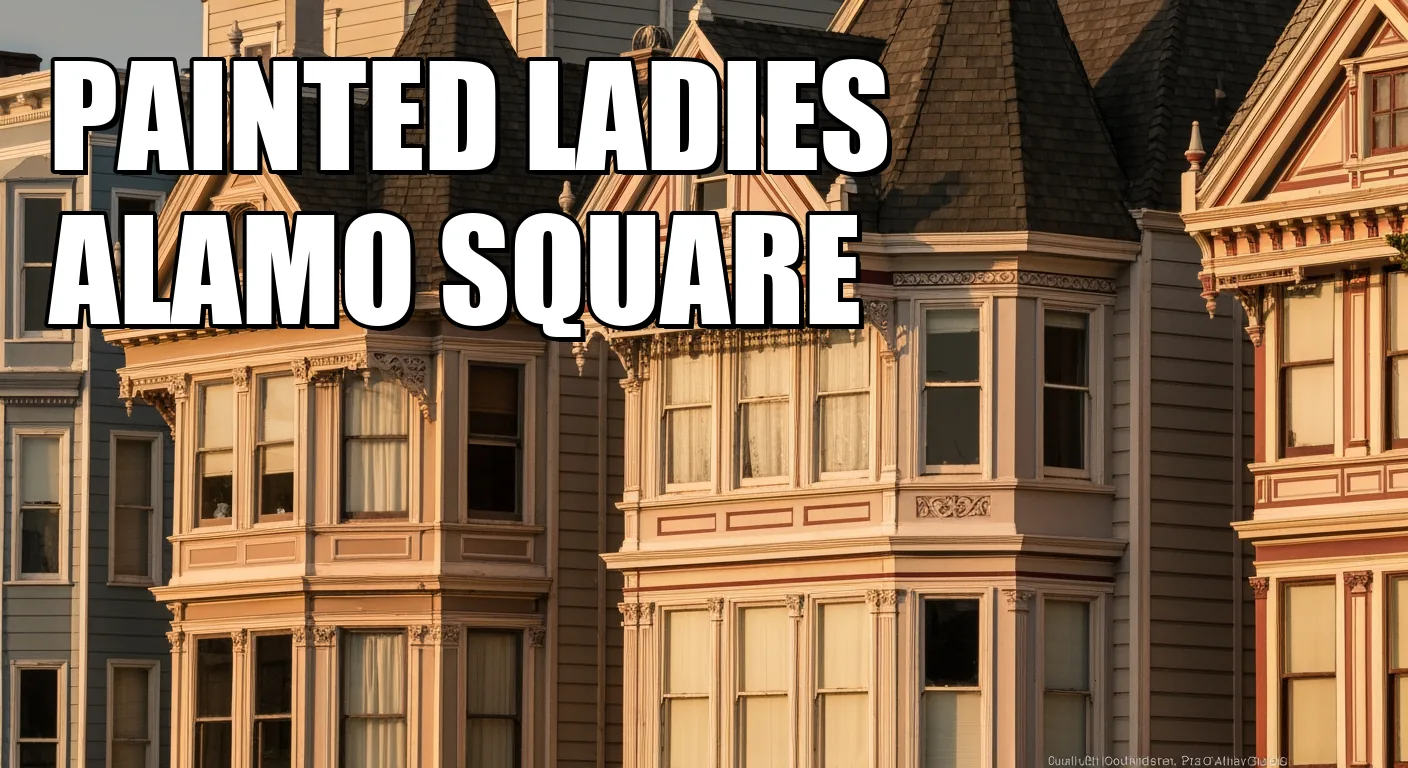
The exterior shots of the Tanner family home were filmed at 1709 Broderick Street in the Lower Pacific Heights neighborhood, while the iconic opening credits featured the Painted Ladies at Alamo Square Park. Most interior scenes and scenes throughout the show were filmed on sound stages in Los Angeles.
What street is the Fuller House on in San Francisco?
The house featured in both Full House and the reboot Fuller House is located at 1709 Broderick Street in San Francisco's Lower Pacific Heights neighborhood.
What is the most filmed street in San Francisco?
Market Street is the most filmed street in San Francisco, with 22 film and television credits to its name. It surpasses other famous locations like Lombard Street and has appeared in numerous iconic films including Vertigo and James Bond's A View to a Kill.
Why did John Stamos not like Full House?
John Stamos initially wanted to quit the show because he felt upstaged by Jodie Sweetin during one of the early table reads, where she received so much laughter that he considered leaving. However, he quickly reconsidered and went on to love the series, which became a cultural phenomenon.
Who lives at 1709 Broderick Street, San Francisco?
The house is currently privately owned after being sold in April 2025 for $6 million; the new owner's identity has not been publicly disclosed. The home was previously owned by Full House producer Jeff Franklin from 2016 to 2020.
What is the address for Fuller House?
The address for the Fuller House shown in the Netflix reboot series is 1709 Broderick Street, San Francisco, California 94115 – the same Victorian home used for the original Full House exterior shots.
Who is LGBT in Fuller House?
In Fuller House Season 4, Stephanie Tanner (played by Jodie Sweetin) reveals she is bisexual when she jokingly mentions having dated a woman. The actress Jodie Sweetin herself is publicly queer and has been an advocate for the LGBTQ+ community.
What should I expect when visiting the Full House house?
Expect to see a beautiful Victorian mansion with ornate architectural details on a quiet residential street; the house itself has been repainted with darker, more modern colors compared to its original bright red door appearance. Plan to spend 15-30 minutes taking photos from the sidewalk and respecting the privacy of the current residents.
How do I get to the Full House house from downtown San Francisco?
The house is approximately 1-1.5 miles from downtown San Francisco and is easily accessible via public transportation including Muni buses or ride-shares. Parking on Broderick Street can be challenging, so using public transit or rideshare services is recommended.
What is the best time to visit the Full House house?
Weekday mornings are ideal for visiting when crowds are smaller and the residential street is quieter. Avoid peak tourist seasons (summer and holidays) and popular times on weekends when the location experiences heavy foot traffic.
Are there tours available for the Full House house?
The house itself does not offer official tours as it is a private residence, but several companies in San Francisco offer guided film location tours that include the Full House house along with other iconic filming locations. Additionally, the Warner Bros. Studio Tour in Burbank includes the Full House replica facade.
What other Full House filming locations can I visit in San Francisco?
The Painted Ladies at Alamo Square Park are featured in the show's opening credits and are located about 1 mile from the Tanner house. Other locations include various streets throughout the city that were used for exterior shots throughout the series.
What restaurants and cafes are near the Full House house?
The Lower Pacific Heights neighborhood has excellent dining options including Sweet Maple (brunch), Routier (French), Dynasty Dumpling (Chinese), Bubu (sushi), and The City Taqueria, all within walking distance of 1709 Broderick Street. B. On The Go is also a popular lunch spot nearby.