Expect a blood-soaked Prohibition casino with a body in the closet. What you get is a carefully restored 1911 Tudor-Craftsman hotel on the National Register — oil-boom civic pride, Hollywood stopovers, a real dam-disaster morgue chapter, and a third floor of ghost marketing that local historians say was largely invented later to sell rooms. The gap between those two Glen Taverns is the only honest way to book a night here.
The inn at 134 North Mill Street, Santa Paula, California is open as a working hotel (roughly mid-30s rooms depending on how you count renovations), with free on-site parking, Italian dinner downstairs, and premium rates starting around $189 for the most-hyped “haunted” suite. Here is the documented building, the lore map, and what a stay is actually worth.
What the building really is
Funded by a consortium of local businessmen in an oil-and-citrus boom town (Union Oil country), the inn opened in 1911. Los Angeles architects Sumner P. Hunt and Silas R. Burns delivered an English Tudor Revival / Craftsman hybrid — half-timbering, heavy beams, the kind of civic hotel small California cities used to build instead of chains. The third floor began as unfinished attic space and was converted to guest rooms around 1920, not as a purpose-built den of vice.
Golden Age visitors in the lore roster include names the town still repeats: John Wayne, Clark Gable, Carole Lombard, Steve McQueen, Mary Pickford, Harry Carey, Rin Tin Tin, plus Harry Houdini, William Jennings Bryan, and composer-statesman Ignacy Jan Paderewski. After decades as a declining flophouse, Tom and Rosanna Jennett bought the place about 2004–05, began restoration, fought a damaging April 2006 fire on the third floor, and reopened as a full-service hotel in 2007. The work earned certificates of recognition from the U.S. Senate, Congress, and California Assembly in 2008. The property has been on the National Register of Historic Places since 1984 (ref. 84001225).
One grim documented use: after the St. Francis Dam disaster in March 1928, the inn served as temporary morgue and shelter. That is tragedy on the record — not a poker-table ghost story.
Fact vs marketed haunt
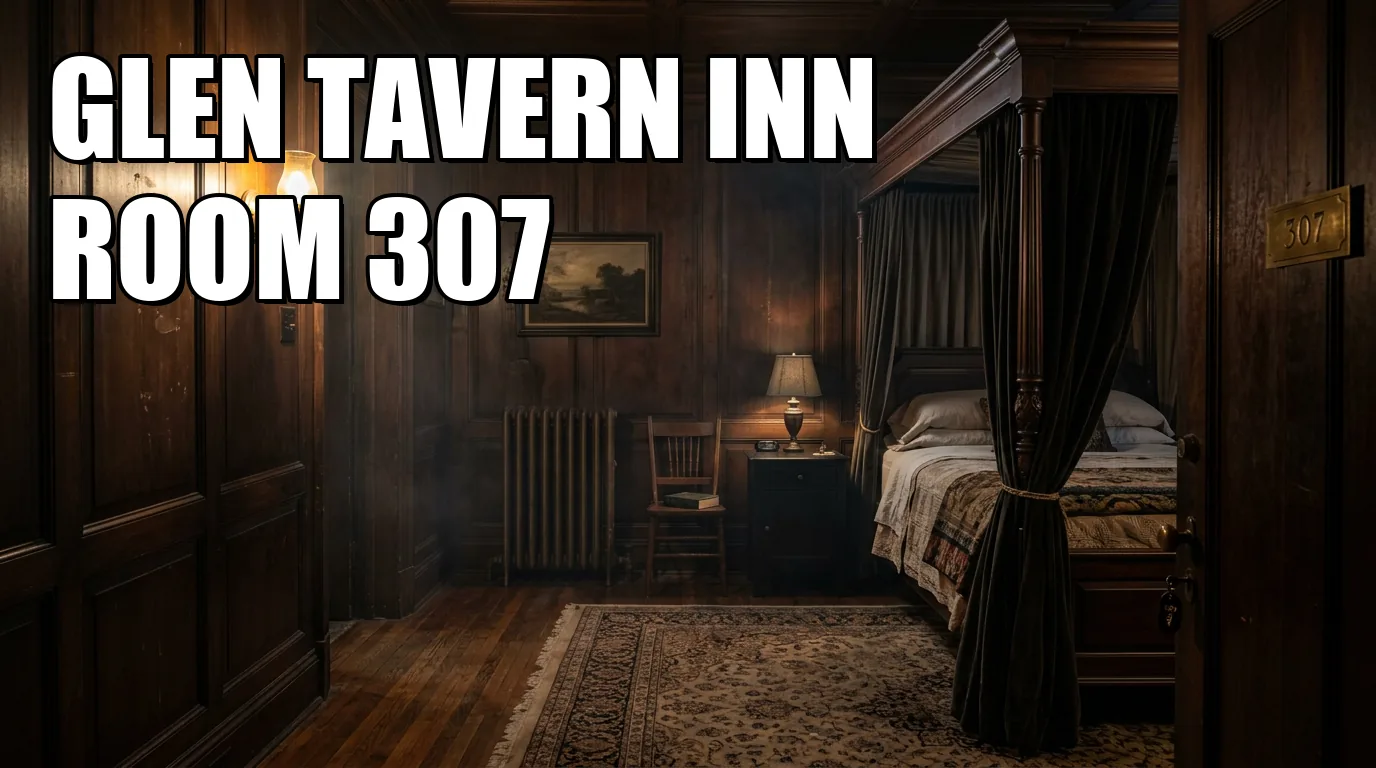
Lore (sold hard): During Prohibition the third floor was a speakeasy, gambling parlor, and brothel. Cowboy “Calvin” was shot for cheating at cards; a bullet-holed hat supposedly turned up in a crawlspace; he haunts Room 308 (sometimes 307). “Rose,” a sex worker, was beheaded by a client; body in the closet of Room 307. Add a French madam “Pearl” and phantom children for the full package. Ghost-hunting shows and fan sites circulate the map; the hotel’s own marketing has named 307 and 308 as bookable fame rooms — 308 promoted from about $189 as the premium Calvin room.
Documented pushback: Santa Paula was a dry, moral small town during Prohibition; local historian John Nichols has said a well-organized third-floor sin complex is unlikely and that many murder yarns look like later marketing. Ventura County historian Richard Senate searched for the murdered-cowboy file and “couldn’t find a dang thing.” Enjoy the camp. Do not confuse it with a coroner’s report.
Special events have included full paranormal weekends (a 2007 convention sold day and multi-day tickets in the $50–$125 range with workshops and overnight investigation). The hotel still programs third-floor investigation-style nights with equipment access; check current calendars rather than assuming a nightly ghost tour desk.
Booking the night, not the legend
Minimum check-in age is generally 18. Parking is free on site — rare and useful for a historic inn. Dining is Enzo’s (Italian/California), dinner Tuesday–Sunday; exact kitchen hours vary — confirm before you plan a late arrival meal. Standard room rates beyond the $189 308 floor were not cleanly published in the research pack; OTA tiles often show lower queen rooms, so compare dates. Call direct if you specifically want 307 or 308 — the property has asked guests to book famous rooms that way.
Santa Paula itself is a quiet Ventura County town — murals, old main street, citrus country — not a Hollywood nightlife base. That is either the charm or the reason to day-trip from Ojai/Ventura and only sleep here if the building is the point.
Honest scorecard
Genuinely excellent: the restored 1911 Hunt & Burns fabric and National Register status — come for architecture and small-town California hotel craft, not ectoplasm. The dam-disaster chapter is real history worth knowing. Solidly good: a quirky overnight with free parking, dinner downstairs, and a walkable old town if you treat ghost claims as entertainment. Mostly myth: the beheaded Rose / poker-shot Calvin package as documented crime — historians have not backed the murder files. Book 307/308 if you want the story; book any other room if you want a normal night’s sleep in a handsome old hotel. Either way, you are paying for a building that survived oil boom, neglect, fire, and reinvention — which is darker and better than most brochures.
The Cornerstone Brief
One historic place, once a week — what it is, why it matters, whether it's worth going. No filler, no paid placements.
Coming soon. Unsubscribe any time.