Few television series have so indelibly stamped an image of New York City onto the global consciousness quite like Gossip Girl. It painted a world of impossibly chic teenagers, navigating high society drama against a backdrop of historic mansions, designer boutiques, and exclusive enclaves. For many, a trip to Manhattan still feels incomplete without a pilgrimage to these hallowed grounds, hoping to catch a whisper of old money or a glimpse of a scandal in the making. But as someone who's spent decades wandering these very streets, I'm here to tell you that the real story of these locations is far more nuanced, and often more intriguing, than what flickered across your screen.
The show, at its heart, was a love letter to a specific fantasy of Manhattan—a gilded cage where privilege came with its own set of shackles. And it used the city's architecture to brilliant effect, choosing buildings that inherently communicated wealth, history, or a certain audacious modernity. You won't find the exact interiors—those were conjured in studios—but the exteriors, the very skins of these places, tell a tale all their own. Let's delve into five pivotal spots, separating the on-screen magic from the concrete reality.
Does Blair Waldorf's Penthouse Really Exist at 1136 Fifth Avenue?
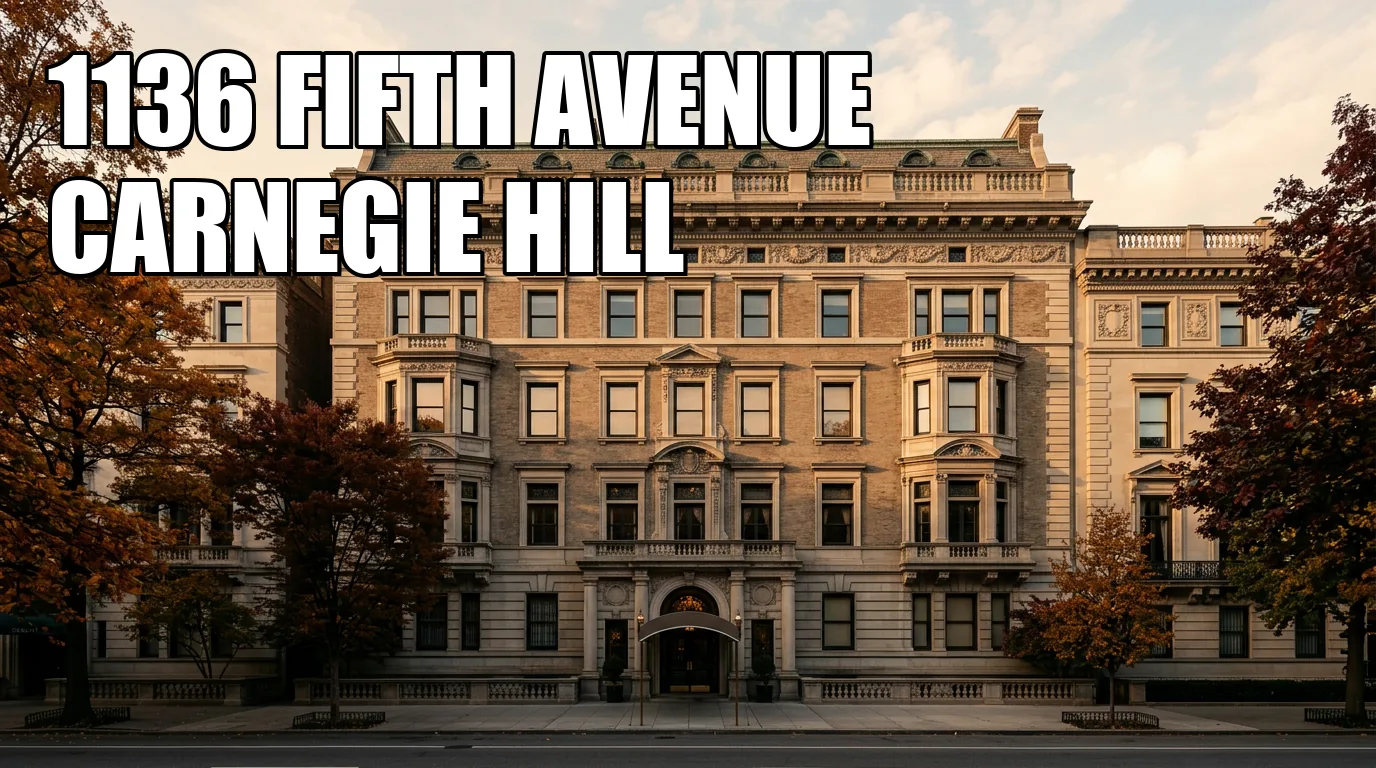
Ah, Blair Waldorf. The Queen B, whose perfectly coiffed existence unfolded, supposedly, in a grand penthouse at 1136 Fifth Avenue. This address, nestled in the serene, understatedly opulent Carnegie Hill neighborhood, truly serves as the exterior for her iconic residence. Built in 1925, this 15-story building instantly communicates old-world prestige, a testament to a time when Fifth Avenue was the undisputed address of Gotham's elite. You can practically hear the subtle hum of its full-time white-gloved doorman and elevator operator, services that quietly announce a certain tier of luxury, even today. It’s the kind of building that doesn't scream for attention but commands it with an air of inherited status.
What the show captured so well was the *feeling* of living there: a sense of inherited legacy, perhaps even a bit suffocating. Remember that pivotal Season 1 scene, "Victor/Victrola," where Nate Archibald confronts his father, the Captain, outside these very doors, leading to his arrest? It wasn't just a dramatic moment; it was a collision of personal crisis with the unforgiving gaze of high society, a public crumbling of a perfectly curated image right on Fifth Avenue. The building isn't merely a backdrop; it's a silent, stern observer of the characters' unraveling lives, a constant reminder of the expectations they bear.
For visitors, this location offers a rather unique paradox. You stand before a monument to privilege, but your interaction is entirely external. You can't waltz in, of course; it's a private residence. What you *can* do, however, is soak in the atmosphere of Carnegie Hill itself. Unlike the bustling stretches further downtown, this section of Fifth Avenue, bordering Central Park, feels almost hushed. It's an ideal spot for a leisurely stroll, perhaps in the crisper months of October or April, when the light is golden and the park's trees are either ablaze or just awakening. Expect respectful quiet; this isn't a selfie hotspot. Instead, consider this stop a moment to appreciate classic New York architecture and the sheer scale of wealth that once defined, and still subtly defines, this stretch of the city.
How Did Serena's Family End Up in Midtown East? The Milan Condominiums' Story
Moving across town, sometimes literally, we find the Van der Woodsen family's subsequent penthouse at 300 East 55th Street, also known as the Milan Condominiums. This relocation after Season 1 always struck me as a telling detail. The show, often lauded for its Upper East Side bona fides, quietly shifted one of its most prominent families to Midtown East, an area that, while undeniably luxurious, isn't quite the traditional UES. It represents a different kind of wealth—newer, perhaps flashier, less rooted in old-guard institutions. This skyscraper, with its sleek, modern lines, embodies the kind of high-rise living that's distinctly different from Blair's inherited pre-war elegance.
The Milan's distinctive lobby, often glimpsed on screen, became a frequent stage for the Van der Woodsens' many glamorous, yet often fraught, gatherings. Think of Serena and Lily’s endless reconciliations or Eric’s quiet moments amidst family chaos. It's a space that screams "luxury condo" in a way a classic Fifth Avenue building never would. And that infamous Season 5 moment when Gossip Girl sends a mysterious package there, delivering a bombshell that reverberates through the family, truly cemented this address as a place where secrets were both harbored and exposed. This choice of location subtly underscored the family's more transient, jet-set lifestyle, a contrast to the deep, almost suffocating roots of the Waldorf or Archibald clans.
For those tracking down these locations, visiting the Milan Condominiums is straightforward, though again, access is limited to the exterior. Midtown East itself is a fascinating, if sometimes overwhelming, part of the city. You're close to Grand Central, the UN, and a flurry of corporate headquarters. If you go, aim for a weekday morning, between 9 and 11 AM, when the commuter rush has subsided but the area is still vibrant. While you can appreciate the exterior, you'll gain a richer understanding by contrasting it with the older architectural styles of the actual Upper East Side, recognizing that even within the world of New York luxury, there are distinct aesthetic and cultural divides. Don't expect quaint, quiet streets here; this is a hub of activity, a different beast entirely.
The Archibald Townhouse: A Quiet Monument to Old Money's Decline
Stepping back into the classic Upper East Side, perhaps my favorite, and certainly one of the most poignant, locations is the Archibald Townhouse at 4 East 74th Street. This stately Neoclassical six-story residence, originally Nate's grandfather William's, is quintessential old-money Manhattan. Unlike the vertical sprawl of a condo building, a townhouse like this speaks of generations, of family names etched into the very foundations of the city. It sits discreetly off Fifth Avenue, an architectural whisper rather than a shout, making it one of those gems many casual fans might overlook, yet it's absolutely crucial to understanding the show's underlying themes.
The Archibalds, with their lineage and fading fortunes, were the epitome of "old money" in the series. This home wasn't just Nate's address; it was a physical manifestation of his family's struggles. Following his father's arrest in Season 1 for embezzlement and drug possession—a scandal that would have sent ripples through any established family—the house itself began to symbolize their decline. By Season 5, when police had seized most of their possessions, leaving Nate to reside in an essentially empty shell, the house became a powerful visual metaphor for their lost grace. It's a stark reminder that even the most beautiful facades can hide profound decay within.
To experience this spot fully, I recommend a walk along 74th Street during the late afternoon. The light catches the intricate details of these townhouses beautifully. This is a residential street; respect residents' privacy and keep your distance. You won't find bustling cafes directly on this block, but Central Park is just steps away, offering a perfect green respite. Parking, if you're foolish enough to drive, will be exorbitant, easily costing upwards of $20-30 for an hour at a nearby garage. Better to take the subway (6 train to 77th St) and walk. Consider the quiet elegance of the street, the architectural harmony, and the subtle ways these grand homes blend into the fabric of the neighborhood—a stark contrast to the dramatic unraveling they housed on screen.
The Lotte New York Palace Hotel: A Public Stage for Private Dramas
Unlike the private residences, the Lotte New York Palace Hotel at 455 Madison Avenue offers a truly immersive experience for any Gossip Girl enthusiast. This grand hotel, originally the Villard Houses built in 1882, served as the Van der Woodsen family's temporary residence in Season 1 and later became the Bass family's primary abode. Crucially, the show used not just the exterior but also the opulent lobby, the famous Bass brunch setting in the Madison Room, and other interior spaces. This is where you can actually step into the world of Chuck Bass and Lily van der Woodsen.
The Palace courtyard, with its distinctive architecture, instantly transports you. It’s a place that buzzes with a different kind of energy than the quiet residential streets. The iconic Bass brunch in Season 1, Episode 2, "The Wild Brunch," was filmed here, establishing the show's lavish social rituals and the cutthroat nature of its characters' interactions. Serena's emotional reunion with Blair in the early episodes also unfolded within these very walls. It’s a public space that became a stage for very private, often explosive, dramas. The Gilt restaurant, on the ground floor, was another recurring location, perfect for discreet—or not so discreet—confrontations.
Visiting the Palace is a must. You can walk through the lobby, admire the courtyard, and even grab a drink at the bar (though expect prices befitting a luxury hotel, a cocktail will easily run you $25-30). The best time to experience its grandeur without overwhelming crowds is typically a weekday morning, between 9 and 11 AM, or a late afternoon, around 4 PM, before the evening rush. Observe the details: the intricate ceilings, the gilded accents, the sheer scale of the space. It’s a microcosm of the show’s themes—beauty, extravagance, and the constant performance of wealth. Compare the hotel's actual, bustling reality to the more controlled, pristine version seen on screen. The true magic lies in experiencing the ambiance, not just ticking off a location.
Grand Central Terminal: The Series' Unforgettable Overture
While not an Upper East Side mansion, Grand Central Terminal, located at 42nd Street and Park Avenue, holds a symbolic power that makes it absolutely essential to any Gossip Girl tour. This isn't just a train station; it's the iconic gateway, the very threshold where the entire series dramatically begins. Its magnificent Beaux-Arts architecture, particularly the main concourse with its celestial ceiling mural, makes it a true New York landmark, transcending its function as a transportation hub. It represents both journeys and arrivals, beginnings and endings—a perfect metaphor for the transient, often tumultuous lives of the characters.
Remember Season 1, Episode 1, "Pilot"? Serena van der Woodsen’s enigmatic return to Manhattan, stepping off a train after a mysterious year-long absence, is etched into the collective memory of fans. "Spotted at Grand Central, bags in hand: Serena van der Woodsen," Gossip Girl's voiceover declared, launching a cascade of events that defined the entire first season. This scene wasn't just an introduction to a character; it was an introduction to a world, using Grand Central's grandeur to immediately establish the high stakes and epic scope of the narrative. It’s the ultimate symbolic starting point, not only for Serena's story but for the entire series' exploration of privilege and secrets.
Visiting Grand Central Terminal is an experience unto itself, whether you're a fan of the show or simply an admirer of architectural marvels. It’s always open, but for a truly breathtaking, less crowded view of the main concourse, try to go early on a weekday morning, perhaps between 7 and 8 AM, before the full rush hour. You'll witness the incredible light filtering through the windows and have space to absorb the details. Though it’s a major tourist spot, don’t dismiss it as a "trap." Its beauty is undeniable. Look up at the constellations, notice the intricate details on the clock, and imagine the countless stories that have begun or ended within these walls, fictional or otherwise. There are numerous dining options within the terminal, from casual eats to more upscale restaurants, making it a convenient spot to grab a bite or a coffee, but beware that lunch and dinner rushes can be chaotic.
These five locations, from the hushed elegance of Fifth Avenue to the grand public stage of Grand Central, collectively form the architectural backbone of Gossip Girl. They are more than just backdrops; they are characters in their own right, silently reflecting the dreams, desires, and inevitable dramas of Manhattan’s elite. So, next time you’re in New York, don’t just snap a photo; truly look at these buildings, understand their history, and appreciate how a TV show brilliantly wove them into a modern urban fairy tale.