
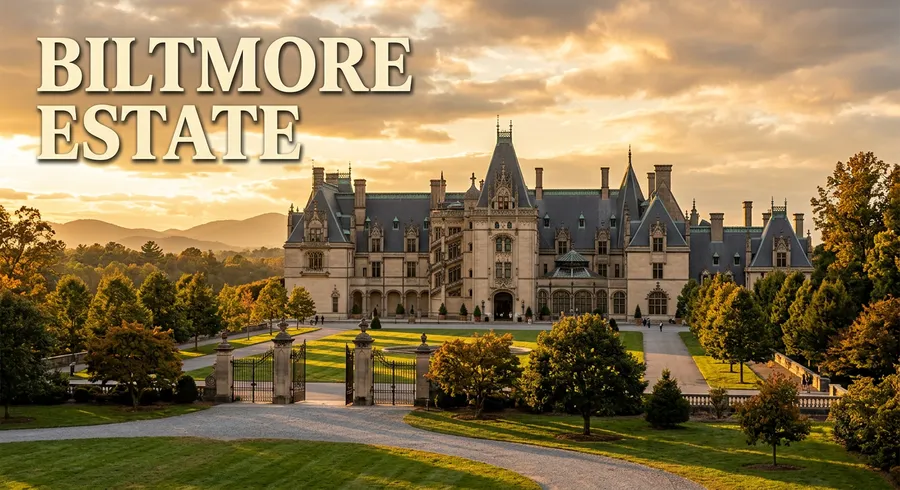
Walk through the gilded gates of any grand American estate, and you might expect to find hushed reverence, perhaps a handful of dutiful tourists, or an air of preserved antiquity. That’s certainly been the traditional picture, one etched deeply into our collective imagination: these magnificent homes, frozen in time, existing primarily for the curious visitor passing through. Yet, what if I told you this conventional wisdom is being quietly, but powerfully, overturned? I've spent years exploring these very places, and a fascinating transformation is unfolding, one that’s turning these often-perceived ‘tourist-only’ destinations into vibrant, essential community hubs for a new generation.
The prevailing notion that historic sites, especially sprawling mansions, are exclusively the domain of retirees on bus tours or families on summer vacation is, quite frankly, becoming a relic itself. I’ve noticed a palpable shift, particularly over the last few years. Suddenly, the local Gen Z and Millennial populations—those very cohorts once deemed disengaged from traditional heritage—are not just showing up, but actively seeking out these historic properties. This isn't just a fleeting trend; it’s a strategic re-imagining by institutions, a response to evolving lifestyles and a genuine hunger for belonging that traditional guides rarely capture.
Who's Actually Walking Through the Door? The Shifting Demographics
For too long, the narrative around engagement with historic sites painted a rather disheartening picture, particularly concerning younger demographics. Consider this: as recently as 2024, Gen Z (roughly 13-28 years old) and Millennials (29-44) together comprised a mere 17 percent of casual art-museum visitors and 24 percent of casual history-museum visitors. These numbers, always a bit of a sore spot for institutions striving for broader relevance, told a story of disinterest, or at least, detachment. However, the data I’ve been seeing now tells an entirely different, more dynamic tale.
Here’s the surprising reality: across many communities, these younger generations now account for
Beyond the Velvet Ropes: How Historic Sites Are Reaching Young Locals
If you’re trying to connect with a demographic that practically lives online, you don't just put up a billboard. That’s the hard lesson many historic sites, including grand old estates, have learned. The secret, it turns out, isn't just about being digital, but about being *hyper-local* and *authentic* in that digital space. They’ve begun ditching the generic, broad-stroke marketing for something far more surgical, targeting young locals precisely where they already spend their screen time.
Imagine scrolling through Instagram or TikTok and seeing an ad for a historic mansion tagged to your specific ZIP code, perhaps featuring local student ambassadors giving a quirky tour, or a challenge to recreate a historical selfie on the grounds. That’s the new playbook. Institutions are running geotargeted ads in neighborhood Facebook groups, crafting engaging Instagram Stories, and even launching TikTok challenges that feature local landmarks or hidden corners of their properties. It's a stark contrast to the traditional glossy brochures aimed at out-of-towners, and it’s remarkably effective because it speaks directly to a local, digitally-native audience.
But the digital push doesn't stop at ads. Smart institutions are forging partnerships with nearby businesses—think independent cafés, microbreweries, or local music festivals. A historic mansion, for example, might collaborate with a local brewery for a "Beer & History" night, where attendees can explore the estate after hours with a craft brew in hand, or participate in a themed scavenger hunt. This transforms the often-solemn experience into a vibrant pop-up event, generating that all-important FOMO (Fear Of Missing Out) and sparking authentic word-of-mouth chatter among young professionals who might otherwise never step foot inside. It's about making history feel less like a lecture and more like a happening.
From Silent Halls to Social Hubs: Programming for a Connected Community
Transforming a historic mansion from a static exhibit into a dynamic community hub requires more than just clever marketing; it demands programming that resonates deeply with local life. It's about embedding the site into the very fabric of the community, addressing local needs and celebrating local culture, rather than just presenting a universal narrative. The examples I've witnessed in cities like Kansas City, Cleveland, and Baltimore are particularly illuminating, showing how these grand old properties are embracing their role as catalysts for social interaction.
Take Kansas City’s Nelson-Atkins Museum, for instance. It didn't just host an event; it partnered with
In Cleveland, the Museum of Art’s annual Summer Solstice outdoor dance party, which effectively transformed its galleries into live-music venues and art installations late into the evening,
Baltimore provides equally compelling examples. The Baltimore Museum of Industry, for instance, hosts quarterly "Bienvenidos Al Museo! Community Days," offering free Spanish-interpreted tours and bilingual audio guides. This isn't just about translation; it's about actively engaging Latinx Gen Z and Millennials in cultural heritage by removing language barriers and demonstrating genuine inclusivity. What’s more, their "Industry Social Club"—an exclusive after-hours subscription—hosts networking events with local entrepreneurs and craftspeople. This clever model appeals to young professionals seeking both cultural enrichment and valuable community connections, proving that even a historic site can be a thriving business incubator. These initiatives prove that by centering programs on specific community needs, historic sites can truly become dynamic third spaces, far beyond the static displays of yesteryear.
Deconstructing the Annual Fee: Membership Models for the Modern Era
The traditional annual membership model, a stalwart of cultural institutions for decades, often feels like a relic itself to today's cost-conscious younger adults. A single, relatively high annual fee can be a significant barrier for Gen Z and Millennials navigating rising living costs and often less stable employment. Recognizing this, leading historic sites are innovating, moving towards more flexible, purpose-driven schemes that better align with modern economic realities and consumer preferences.
Why commit to a full year when you only anticipate a few visits? That's the question driving the shift towards options like tiered, pay-as-you-go access, where patrons can purchase visit passes in bundles of five or ten. It lowers the financial commitment while still encouraging repeat visits. But beyond flexible pricing, the real innovation lies in the *benefits* offered. Free admission, while nice, isn't enough anymore. Members are now receiving perks like curator-led virtual tours, exclusive behind-the-scenes livestreams (imagine a conservator demonstrating restoration work on a priceless antique!), or invitations to incubator workshops focused on digital art or community storytelling. These aren't just discounts; they’re unique experiences that foster a deeper emotional investment in the institution's mission.
Perhaps the most intriguing development is the introduction of Community Ambassador Roles. Select Gen Z members might join advisory bureaus, like the Youth250 program, earning membership credits in exchange for providing feedback and conducting peer outreach. This isn't just a marketing ploy; it’s a genuine effort to empower younger voices, make them feel heard, and integrate their perspectives into the future of the institution. These dynamic models do more than just lower financial barriers; they actively cultivate a sense of ownership and belonging, transforming passive visitors into active participants and advocates. It’s a smart pivot from mere transaction to meaningful relationship building.
The Unseen Forces: Remote Work and Living Costs Reshaping Our Cultural Landscape
Understanding this profound shift in how young people engage with historic sites requires looking beyond the immediate programmatic changes and considering the broader socio-economic currents at play. The post-pandemic landscape, characterized by pervasive remote and hybrid work models, coupled with relentless inflationary pressures, has dramatically reshaped lifestyle patterns for Gen Z and Millennials. These aren't just abstract economic trends; they are powerful, tangible forces directly influencing where and how people choose to spend their time and money.
With many workplaces offering continued flexibility, the traditional boundaries between home, work, and leisure have blurred. This has created an intensified desire for "third spaces"—venues outside of home or the office that offer a blend of intellectual stimulation, social connection, and even practical amenities like reliable Wi-Fi. Historic mansions, with their often-beautiful grounds, quiet reading nooks, and on-site cafés, are perfectly positioned to fulfill these needs. I’ve seen some estates installing café-style seating areas with charging stations and free digital lounges, consciously transforming into welcoming havens for a few hours of remote work followed by a stroll through history. It's a pragmatic adaptation that leverages the inherent beauty and tranquility of these sites.
Furthermore, the soaring rents and general cost of living in many urban centers have instilled a strong sense of value-seeking behavior. Young locals are increasingly incentivized to maximize the community resources available to them. This makes initiatives like pay-what-you-can admission days, membership discounts specifically for remote workers, or even curated "free activity" guides particularly compelling. These aren't just charitable gestures; they are strategic drivers of repeat visitation, appealing directly to a demographic that needs to make every dollar count. So, if you're planning a visit, especially to a city like Kansas City or Cleveland, look beyond the standard ticket prices; investigate their websites for specific community days or flexible pass options, as these often provide the best value and a more authentic, local experience.
The transformation of historic mansions and cultural institutions from quiet, often overlooked tourist attractions into vibrant, essential local "third spaces" is far from a fleeting phenomenon. It’s a testament to the ingenuity and adaptability of these institutions, and a powerful indicator of changing societal needs. They’ve successfully debunked the myth that they exist only for out-of-towners, proving their enduring relevance and adaptability. By deploying hyper-local digital marketing, crafting inclusive community programming, and innovating flexible membership frameworks, they are not just surviving; they are thriving, meeting Gen Z and Millennials’ profound needs for belonging, affordability, and meaningful engagement in a rapidly evolving world. The future of history, it seems, is far more social than we ever imagined.