
There's a peculiar allure to places where history hasn't quite settled, where the past isn't just documented in plaques but feels tangibly present, perhaps even restless. San Diego's Horton Grand Hotel is one such place. Tucked away in the Gaslamp Quarter, it’s a beautiful, ornate building, a perfect blend of two 1880s hotels meticulously relocated and reconstructed to form the grand structure it is today. Yet, beneath the elegant chandeliers and polished wood, it’s not just the architecture that refuses to stay still; some former residents, it seems, never quite checked out.
Horton Grand Hotel: Rooms, Gaslamp Location, and the Ghost Story Guests Still Ask About
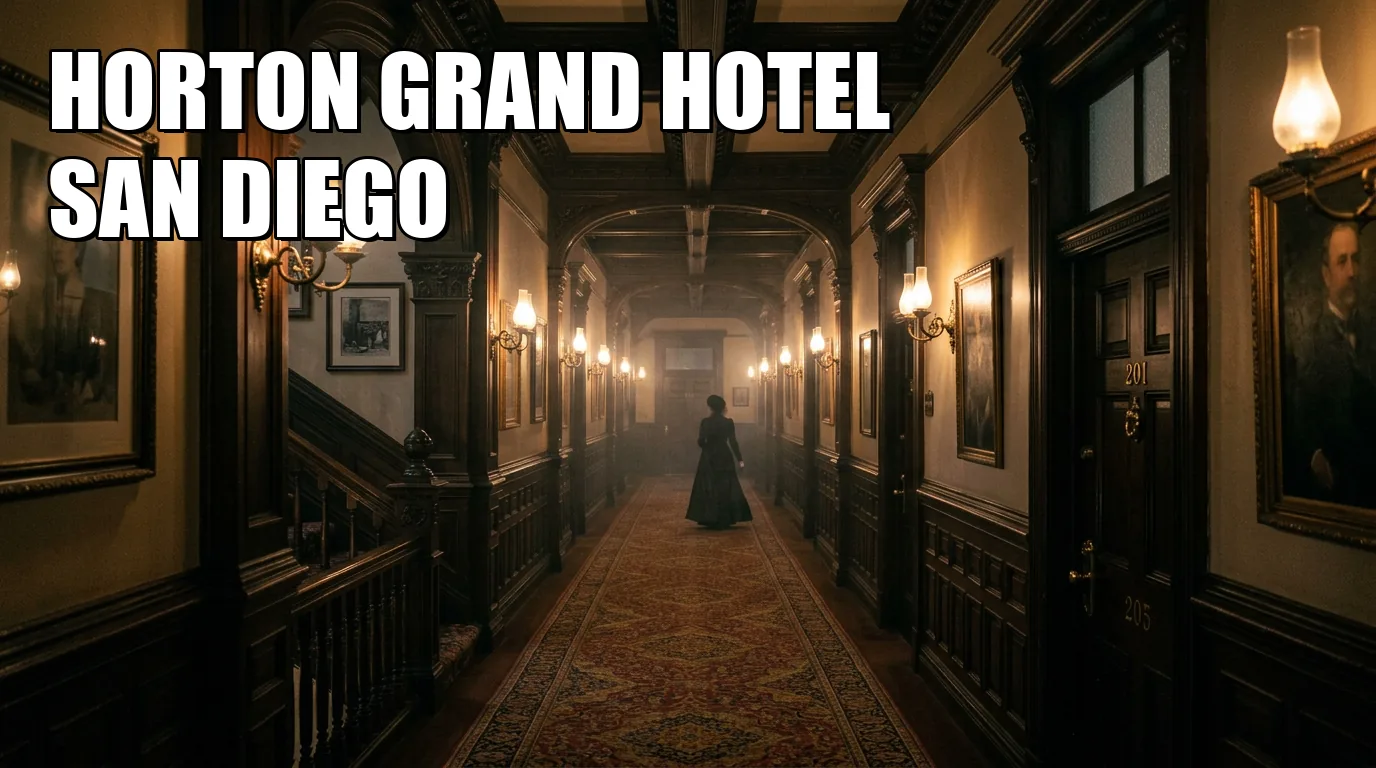
Stay Here
Horton Grand Hotel
San Diego, CAGaslamp Quarter Victorian — Room 309 is the one people ask for.
Unpacking San Diego's Phantom Ledger: More Than Just Old Walls
Most guides will tell you the Horton Grand is haunted, and leave it at that, a throwaway line before moving on to brunch spots. But for a traveler who genuinely seeks to understand the fabric of a place, its ghostly residents aren't mere footnotes; they're integral to its narrative. This isn't some manufactured theme park haunt, designed to jump-scare; it's a place steeped in genuine, gritty history, and that's precisely why its paranormal claims carry weight. We're talking about the old Stingaree district here, a notorious 19th-century red-light and gambling hub, where fortunes were made and lost, and lives were often cut short with brutal finality. The energy of such a place doesn't just dissipate when the buildings change hands; it lingers, a historical echo in the very air.
It's vital to recognize that the Horton Grand isn’t merely one hotel; it's a composite, painstakingly moved brick by brick from its original location, a feat of preservation that almost feels like an act of necromancy itself. Imagine the kind of spirits that might attach themselves to such an undertaking! This structural amalgamation, combining the Grand Horton Hotel and the Brooklyn-Kahle Saddlery Hotel, might very well be why the paranormal activity feels so diffuse yet focused in specific areas. You're not just in one old building; you're in two, fused together, their histories intertwined like a double helix of residual energy.
The Gambler's Last Bet: Understanding Roger Whittaker's Unfinished Business
Every truly haunted location has its star players, and at the Horton Grand, the undisputed leading man of the spectral cast is Roger Whittaker. Now, a lot of ghost stories lean into melodrama, but Whittaker's tale, though tragic, feels grounded in the rough-and-tumble reality of 19th-century San Diego. He wasn't some ethereal figure floating about; he was a gambler, and a cheater, caught in the act. One night, after being exposed, he fled into Room 309 of what was then the adjacent hotel, seeking refuge in an armoire. It was there, huddled in that cramped space, that he was shot and mortally wounded. His spirit, they say, still replays that desperate final act, a loop of terror and regret.
Visitors to Room 309 often report disquieting phenomena: shadowy apparitions in old-fashioned cowboy attire, glimpsed only for a moment before fading into the wallpaper. The bed itself has been known to shake, not gently, but with a palpable tremor, as if someone is thrashing in agony. Then there's the armoire, the very place of his death, whose doors have a knack for swinging open in the dead of night, even when securely latched. Lights flicker inexplicably, and doors lock themselves from the inside. Perhaps the most unsettling reports, however, are the faint sounds of playing cards shuffling and chips clinking, emanating from an otherwise empty room. It’s a chilling reminder of the game that ultimately cost him everything. Is it a reenactment, or is he simply trying to finish that last hand, forever denied?
A Madam's Enduring Comfort: Ida Bailey's Gentle Touch
Not all spirits are born of violence and despair. Take Ida Bailey, for instance. Her story offers a fascinating counterpoint to Whittaker’s raw intensity. Bailey was a madam, running a rather notorious brothel on the very site where the Horton Grand now stands. In an era when such establishments were, let's say, less than discreet, she carved out a life for herself, and by all accounts, was a figure of some local renown, a shrewd businesswoman in a difficult trade. Unlike Whittaker, her spirit is said to be benign, a comforting, almost maternal presence. It speaks volumes about the different energies people leave behind: one a violent outburst, the other a lingering warmth.
Guests fortunate enough to stay in Room 209, Ida's purported domain, describe a distinctly different experience. Instead of fear, there's often a sudden, inexplicable feeling of warmth, as if stepping into a sunbeam on a cool day, or a translucent white mist that drifts through the room before vanishing. Subtle breezes stir curtains in an otherwise sealed room, and faint footsteps are sometimes heard padding softly down the corridor, perhaps Ida checking on her "girls." More intimately, some have caught the softest whispers, just at the edge of hearing, or the fleeting scent of antique perfume or cigar tobacco – echoes of the lively, bustling world she presided over. It's less a haunting and more a timeless occupation, a quiet refusal to abandon her post.
When the Veil Thins: Optimal Times for Spectral Encounters
If you're truly intent on experiencing the Horton Grand's paranormal side, timing can be everything – or so the lore dictates. Paranormal investigators, those dedicated souls with their EMF meters and thermal cameras, consistently report heightened activity during specific periods. Unsurprisingly, the Halloween season, particularly in late October, sees a marked increase in phenomena. It's almost as if the collective human fascination with the supernatural during this time creates a feedback loop, lowering the barriers between worlds. Ghost-hunting teams flock to the hotel then, hoping to capture irrefutable evidence.
Beyond the seasonal spike, the late-night hours, roughly between 11 PM and 2 AM, are consistently cited as prime time for ghostly goings-on. It makes sense, really; the hotel quiets down, the noise of the city fades, and the human subconscious becomes more receptive. Reports of flickering lights and inexplicable noises spike when most guests are asleep, leaving only the truly intrepid (or unfortunate) to bear witness. There’s also an anecdotal increase in the card-playing sounds attributed to Roger Whittaker around the anniversary of his death, though pinpointing the exact mid-1800s date is, understandably, a moving target. If you're planning a visit, consider these windows, but be realistic: ghosts don't always perform on cue, and sometimes, the best experiences are the quiet, unexpected ones.
Securing Your Haunted Chamber: A Practical Approach to Reservations
Here's where many guides get it wrong, or simply overlook a crucial detail for the truly curious traveler: despite its fame as a haunted hotspot, the Horton Grand Hotel doesn't play into the typical "haunted room" gimmick. You won't find a special "Ghost Hunter's Package" or a premium surcharge for rooms 309 or 209. This is an important distinction. Many hotels with a reputation for hauntings will leverage that for extra cash, but the Horton Grand maintains a more understated approach, which I find rather refreshing.
Both Room 309 and Room 209 are simply part of the hotel's standard inventory. This means you book them through the hotel's normal reservation channels, just like any other room, and you'll pay the prevailing nightly rate. There's no secret handshake or special code. While paranormal tour companies might highlight these rooms, they can't book them for you; you're responsible for making your own reservation directly with the hotel. If you have a strong preference for one of these specific rooms, your best bet is to call the hotel directly and make your request explicit when booking. Be aware that specific room requests can't always be guaranteed, especially during peak season, but it's worth the effort if you're serious about your spectral quest. Arriving on a weekday during an off-peak month, say January or February, might give you a slightly better chance of securing your desired haunted abode.
To truly immerse yourself, consider a multi-night stay. It allows the subtle energies of the hotel to reveal themselves gradually, rather than rushing a single, frantic night of expectation. Bring a journal, an open mind, and perhaps a small recording device—not necessarily for proof, but to document your own subjective experiences. The beauty of the Horton Grand isn't just in the potential for a dramatic encounter, but in the slow, creeping realization that you're sharing space with echoes of San Diego's vibrant, sometimes violent, past. It’s an experience that transcends mere ghost stories, offering a palpable connection to history itself.
Planning the Wider Trip?
Use this planner when San Diego is already in play and the real question is where the overnight belongs: across the bay in Coronado, inside the downtown street grid, or split between the two.
Open San Diego and Coronado Historic Stay PlannerMysterious Spirits & Historic Hauntings: A Traveler's Guide to Haunted Hotels
What is the haunted story of the Horton Grand Hotel?
The Horton Grand Hotel, built in 1887 in San Diego's Gaslamp Quarter, is primarily haunted by Roger Whitaker, a gambler who was shot dead in Room 309 in the mid-1800s while hiding in an armoire from debtors. The hotel also hosts Ida Bailey, a former brothel madam, whose spirit appears as a friendly white mist or cold chill throughout the property.
What is the #1 most haunted hotel in the world?
The Riccarton Racecourse Hotel in Christchurch, New Zealand is widely considered the world's most haunted, featuring the unsolved 1933 murder of Donald Fraser, whose ghost reportedly roams the hallways and lobby searching for answers and justice.
What happened in room 441 of Congress Hotel?
Room 441 at Chicago's Congress Plaza Hotel is the most haunted room in the building, where guests report seeing a woman's silhouette hovering over the bed, pushing on covers, and moving between the room and bathroom; this paranormal activity has made the room so notorious it's only booked upon specific guest request.
What happened in room 428 of the Stanley Hotel?
Room 428 at the Stanley Hotel is haunted by the ghost of a friendly cowboy whose shadow has been seen at the foot of beds and in room corners; female guests report waking to phantom foreheads kisses, and unexplained sounds of furniture movement emanate from above the room despite there being no floor above it.
What is the scariest room at the Stanley Hotel?
While Room 217 is the most famous (inspired Stephen King's 'The Shining'), the entire fourth floor is considered the most actively haunted with paranormal activity in every room; Room 413 (the Habdasher Suite) is particularly notorious for aggressive paranormal phenomena including self-opening doors and unauthorized guest manifestations.
Part of 👻 America's Most Haunted Hotels
Haunted Hotels
Congress Plaza Hotel Room 441: Booking Reality, Grant Park Logic, and What Guests Can Actually Confirm
Room 441 is the search hook, but the real question is whether Congress Plaza is the right historic Chicago stay once the lore stops doing all the work.
Haunted Hotels
Eureka Springs Haunts Use Four Different Kinds of Evidence
Separate Norman Baker’s court history, the Crescent bottle excavation, hotel room legends and later tour ghosts.
Haunted Hotels
Ancient Ram Inn: Unveiling England's Most Haunted
Having navigated countless haunted highways and historic battlefields across the States, I thought I’d seen it all. Then I encountered the Ancient Ram Inn. This isn't just another old building with a spooky legend; it's a vortex, a living, breathing archive of fear and forgotten lives.
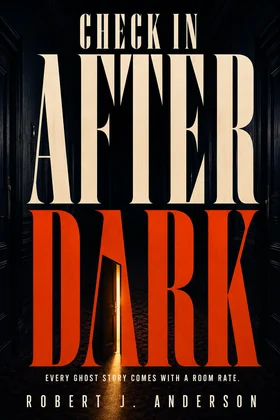
From the author of this guide
Check In After Dark
One writer checks into the rooms with the stories — Stanley 217, Banff Springs 873, the Del's 3327 — and reports what the night is actually like.