Photo by Andrew Mercer for Cornerstone Mansion · January 16, 2026
Most guides to Longwood Gardens focus on the spectacular seasonal displays, the choreographed fountains, or perhaps the sheer scale of its horticultural ambition. And rightly so; the place is a sensory feast. Yet, what often goes unremarked upon is the utterly pragmatic, almost urgent, decision that transformed a historic arboretum into the foundation of this global marvel. Pierre S. du Pont, a titan of industry with a quiet passion for plants, didn't initially buy this land to create a world-renowned garden. He bought it to save trees.
Imagine, if you will, the rolling hills of Chester County at the dawn of the 20th century. Here stood Peirce's Park, an arboretum established in the late 1700s, boasting some of the region's most magnificent specimen trees. By 1906, however, its fate hung by a thread, destined for the logger's axe. Du Pont, a man who valued both efficiency and beauty, stepped in. His acquisition on July 20, 1906, wasn't a whimsical purchase; it was a strategic intervention to prevent the felling of these irreplaceable giants for lumber. The original purchase price isn't publicly detailed, a fascinating omission that perhaps speaks to du Pont's private nature, but his motive was crystal clear: conservation. This wasn't about building an empire; it was about preserving a natural legacy, a surprisingly humble beginning for a place now synonymous with grandeur. What’s more, this complex transaction was skillfully navigated by Isabel Darlington, a pioneering figure as Chester County's first female lawyer, underscoring the forward-thinking nature embedded in Longwood’s very genesis.
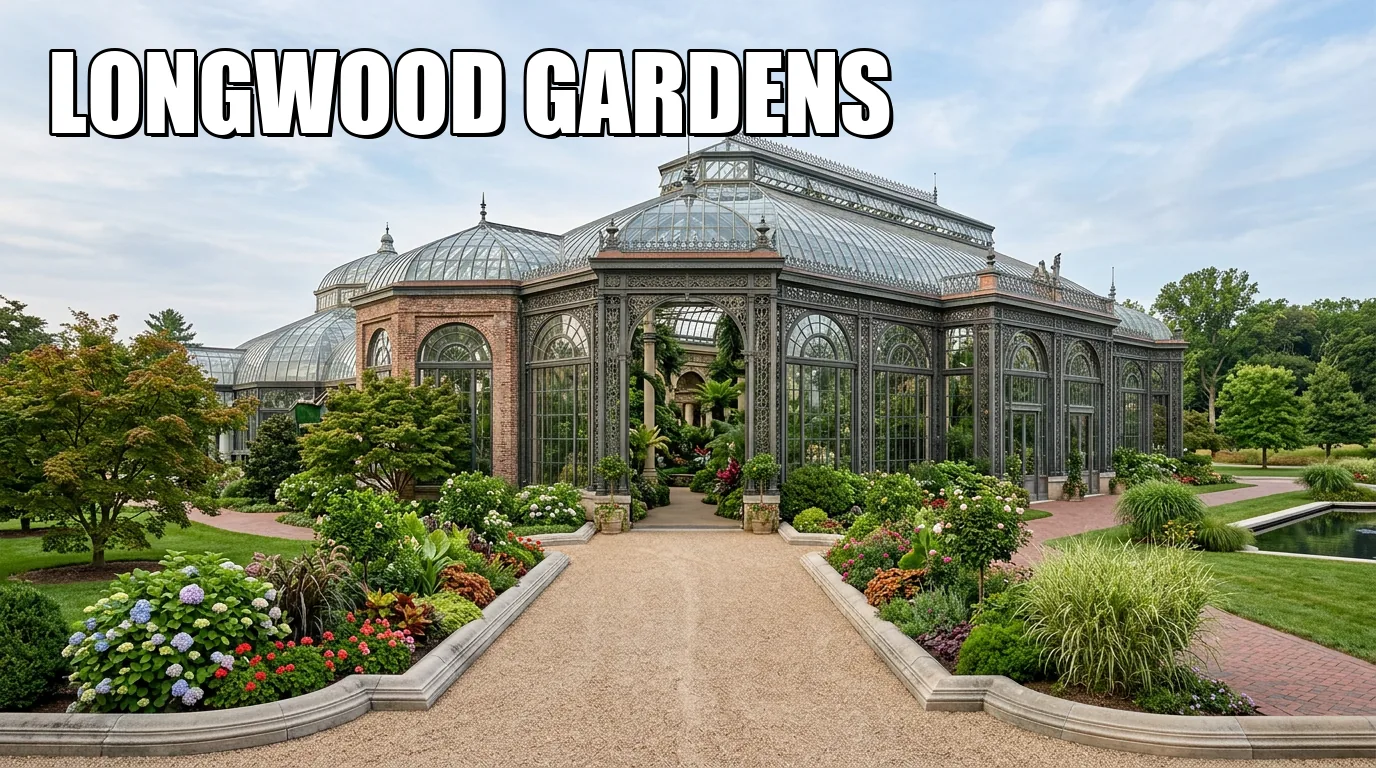
From this pivotal act of preservation, du Pont’s vision blossomed, transforming the property into a horticultural showplace that ingeniously marries nature's artistry with human ingenuity. He didn't just save the trees; he built around them, designing expansive gardens, dazzling fountains, and, perhaps most notably, the magnificent Conservatory. It's inside these glass walls where Longwood truly unfurls its dual identity: a living museum of plant life and a breathtaking canvas for private events. Many visitors, understandably swept up in the beauty, don't fully appreciate the structural and engineering marvels surrounding them, let alone the potential these spaces hold for truly unforgettable gatherings.
Venturing into the Conservatory, you immediately feel the shift from the expansive outdoor gardens to a more intimate, yet still grand, atmosphere. Among the various spaces available for private events, three stand out for their historical resonance and sheer opulence. There’s the Fern Floor and Alcoves, a space capable of hosting up to 350 guests for a reception. Its original sunken marble floor in the Exhibition Hall area, measuring a substantial 75 by 40 feet, offers a striking architectural backdrop that feels both historic and remarkably current. It's a place where you can almost hear the echoes of du Pont's own grand parties, a testament to his love for blending nature with sophisticated social settings.
Then, moving eastward within the Conservatory, one discovers the Patio of Oranges. This enchanting space, accommodating up to 230 for a reception, captivates with its distinct Moorish and French-inspired design. Measuring 48 by 33 feet, it evokes a sense of exotic luxury, transporting guests to a sun-drenched European courtyard despite being firmly rooted in Pennsylvania. The intricate tile work and lush plantings here don't just decorate the space; they tell a story of global horticultural influences that du Pont meticulously curated, creating an atmosphere that is both vibrant and serene. It's a testament to Longwood's ability to create immersive experiences, even within a single room.
Perhaps the most awe-inspiring of the Conservatory’s event venues is the Ballroom. Built in 1929, this magnificent hall can also host up to 350 guests for a reception. What truly sets it apart, however, is its incredible craftsmanship: a polished parquet floor gleams under a ceiling composed of 1,104 panes of rose-colored etched glass. At 104 by 37 feet, this room doesn't just host events; it stages them. Walking in, you’re not merely entering a room, but stepping into an era of unparalleled elegance, where every detail, from the acoustics to the ambient light, was meticulously considered. It's the kind of space that makes you question what you thought you knew about garden conservatories, pushing the boundaries of what's possible within a botanical setting.
Navigating the logistics of hosting an event in such prestigious surroundings, however, requires direct engagement. Longwood Gardens, unsurprisingly, doesn't publish base rental fees for four-hour events on its website, a detail that often surprises those accustomed to more transparent pricing structures for venues. This isn't an oversight; it’s an intentional approach that underscores the highly customized nature of their offerings. Pricing isn't a fixed commodity here; it fluctuates dramatically based on the day of the week, the season and time of year, the specific space(s) reserved, and the type of event being planned. This means that a mid-week gathering in January could carry a vastly different price tag than a prime Saturday evening in May. For those dreaming of a Longwood event, contacting their Events Office directly at 610-388-5369 or via events@longwoodgardens.org is the only way to get a realistic quote. It's a system that emphasizes tailored experiences over standardized packages, reflecting the premium nature of the venue.
Beyond the historic Conservatory spaces, Longwood continues to innovate and expand, maintaining its reputation as a living, evolving institution. Its ambitious $250 million "Longwood Reimagined" project, for instance, recently introduced the Fountain Room in 2024. This newest event venue, designed to accommodate anywhere from 200 to 500 guests depending on its configuration, further solidifies Longwood's standing as a world-class destination for both horticulture and hospitality. Like its older counterparts, specific four-hour rental rates for the Fountain Room are not publicly disclosed, again emphasizing the personalized approach to event planning and pricing. It signals a future where Longwood continues to blend its cherished past with cutting-edge design and amenity, ensuring it remains at the forefront of horticultural innovation and event excellence.
So, for those planning a visit to Longwood, especially if you're hoping to avoid the thickest crowds, consider a weekday excursion outside of peak spring and holiday seasons. Arriving right at opening, usually 10 AM, provides a serene window to experience the Conservatory's grandeur before the main rush descends. Parking is generally ample, though it can become a minor trek during peak times, so factor in a few extra minutes for shuttles or a longer walk. While you might not be booking an event in the Ballroom, understanding the historical significance and the meticulous design behind these spaces enriches your entire visit, transforming it from a simple garden tour into an appreciation of a truly visionary legacy. It’s a place that consistently challenges expectations, reminding us that true beauty often has surprisingly practical roots.
Famous Homes, Estates, and Public Houses
Track preserved homes, estates, and place-based biographies tied to real addresses and public sites.
Discover Longwood Gardens: Your Complete Visitor's Guide
What are the hours of operation at Longwood Gardens?
Longwood Gardens is open Monday, Wednesday, and Thursday from 10:00 AM to 6:00 PM, Friday through Sunday from 10:00 AM to 9:00 PM, and closed on Tuesdays. Timed admission tickets are required for all visits.
How much does admission cost?
General admission prices vary seasonally: May 9–October 26 (weekdays) is $32 for adults, $17 for youth (5-18), and children 4 and under are free; weekend rates are $35 and $20 respectively. Special events like A Longwood Christmas (November 21–January 11) cost $45 for adults and $25 for youth.
How far is Longwood Gardens from Philadelphia?
Longwood Gardens is located in Kennett Square, Pennsylvania, approximately 30 miles southwest of Philadelphia and takes about 50 minutes to drive from Center City Philadelphia.
Is there free parking available?
Yes, Longwood Gardens offers free on-site parking in a tree-lined lot with reserved accessible parking near the entrance and passenger drop-off available.
What are the main attractions to see?
Must-see attractions include the iconic Main Fountain Garden featuring 1,719 water jets and spectacular fountain choreography, the newly restored Orchid House with 200-300 rotating orchids, the Historic Main Conservatory, and the Indoor Children's Garden with splash areas and treehouses.
When do the fountains run?
The Italian Water Garden fountains run from late April through mid-October, while the Main Fountain Garden fountains operate May through October with daily performances and Illuminated Fountain Performances on Friday-Sunday evenings.
How long should I plan to spend at Longwood Gardens?
Plan a minimum of 3-4 hours to see the main attractions, though many visitors spend an entire day (6-8 hours) to fully explore the 400+ acre gardens and conservatories without feeling rushed.
What is the best time to visit?
Spring (May) offers spectacular tulip displays with over 150,000 blooms, while summer weekdays (10 AM–3 PM) provide fewer crowds; avoid peak seasons like A Longwood Christmas and holiday weekends for a more relaxed experience.
Are there dining options available?
The Café offers ready-to-eat sandwiches, salads, hot entrées, and desserts throughout the day, while 1906 is an upscale garden-to-table fine dining restaurant overlooking the Main Fountain Garden with advance reservations recommended.
Can I bring my own food?
You may bring water and snacks into the Gardens, but full picnics are not permitted in the main areas; however, a designated Picnic Area is available on a first-come, first-served basis accessible only by car.
Are pets allowed?
Pets are not permitted at Longwood Gardens, with the exception of certified service animals that provide assistance to guests with disabilities.
What accessibility features are available?
Complimentary wheelchairs and electric scooters are available on a first-come, first-served basis at the Visitor Center; the Gardens feature accessible restrooms, pathways, and ADA-compliant facilities throughout.
What should I wear and bring?
Wear comfortable walking shoes for the extensive grounds, and bring sunscreen, bug spray, a hat, and plenty of water; dress for the weather as you'll be walking outdoors across 400+ acres.
Is there a gift shop?
The Garden Shop offers horticulturally inspired merchandise including plants, seeds, apparel, home décor, and works from local artisans; no admission is required to shop at this location outside the main Gardens entrance.
Are group visits and school field trips available?
Yes, educator-guided field trips are free for school groups with 15 or more students in grades pre-K through 12; self-guided adult group visits are also available with advance reservations and group rates.
Why This Page Exists
Maison builds place guides to help readers plan a real visit or understand a real site. When a page makes present-day access, booking, or visitor claims, those details are revised against public-facing source material and editorial review. For the wider standards behind that work, see methodology.
The Cornerstone Brief
One historic place, once a week — what it is, why it matters, whether it's worth going. No filler, no paid placements.
Coming soon. Unsubscribe any time.
We use cookies to enhance your experience. By continuing to visit this site you agree to our use of cookies.