
Lyndhurst's Dark Shadows: Unveiling Collinwood's Secrets
Beyond the Small Screen: Why Lyndhurst Stood in for Collinwood
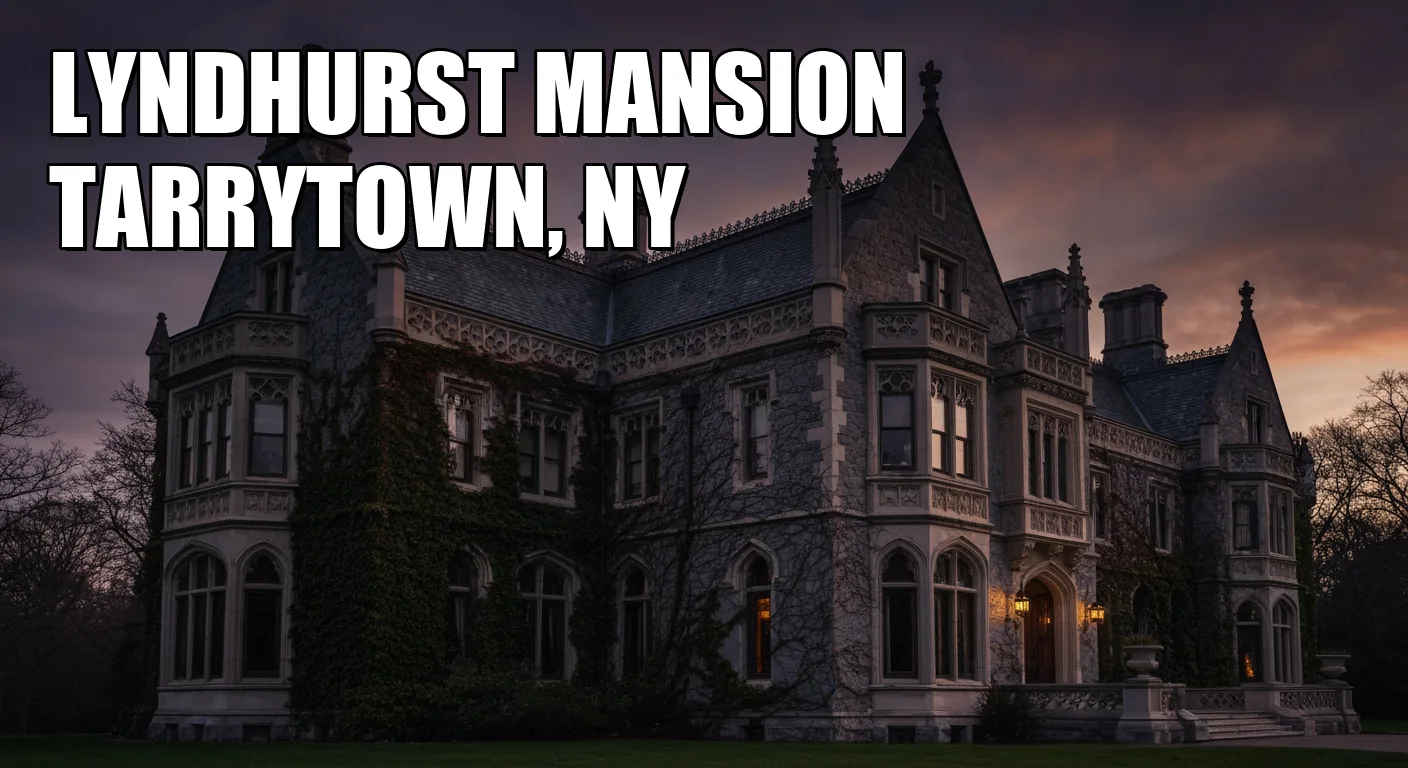
Why did a Gothic Revival masterpiece in the Hudson Valley become the iconic, haunted Collinwood, even if only for the big screen? The decision to film the spin-off movies, House of Dark Shadows (1970) and Night of Dark Shadows (1971), on location at Lyndhurst wasn’t merely an aesthetic choice, though the mansion's inherent gloom certainly played a starring role. It was a strategic, practical, and almost inevitable alignment of art and architecture. The original television series, for all its groundbreaking on-location sequences, relied heavily on studio sets. But when creator Dan Curtis decided to take his vampire saga to the silver screen, a truly imposing, authentically gothic structure was needed to anchor the cinematic vision. Lyndhurst, designed in 1838 by architect Alexander Jackson Davis, provided precisely that: its distinctive narrow hallways, sharply arched windows, and soaring vaulted ceilings seemed to practically "reek of gloominess, somberness and romance," as one observer aptly put it. Its proximity to New York City, a mere stone's throw away, offered an unbeatable logistical advantage, minimizing travel costs and production complexities for a relatively modest budget.The first cinematic foray into Collinwood's world, House of Dark Shadows, plunged into production for a mere six weeks between late March and early May of 1970, with a budget of just $750,000. It’s a testament to the crew's efficiency and the mansion's versatility that they extracted so much screen presence from this single location. Kathryn Leigh Scott, beloved for her dual roles as Maggie Evans and Josette, has vivid recollections of the shoot, emphasizing that they "filmed around every square foot of this property." This wasn't merely a façade shoot; the cast and crew truly inhabited Lyndhurst. While some interior scenes for the first film migrated to the Lockwood-Mathews Mansion in Norwalk, Connecticut—a detail often overlooked by casual fans—Lyndhurst’s grand reception rooms, the eerie library, and the sweeping upstairs gallery all played pivotal roles in bringing the gothic drama to life.
For example, the elaborate costume ball, a staple of gothic narratives, found its opulent setting within Lyndhurst's main floor reception rooms. The library, with its weighty tomes and hushed atmosphere, became the stage for Dr. Julia Hoffman's chilling discovery: Barnabas Collins's lack of reflection in her compact mirror—a subtle yet profoundly unsettling moment. Upstairs, the gallery bore witness to Barnabas's grand entrance as a "distant cousin" from England, presenting an emerald necklace to Elizabeth. Even the exterior grounds, particularly a specific hill, offered a romantic backdrop for Barnabas and Maggie's daylight stroll after his supposed "cure." These details aren't just trivia; they illustrate how deeply the mansion's unique spaces were integrated into the narrative, almost becoming characters themselves.
"Night of Dark Shadows": When One Mansion Became an Entire Estate
How does one make the same location feel fresh and expansive for a sequel? For Night of Dark Shadows (1971), the production leaned even harder into Lyndhurst's extensive grounds, transforming the estate into an almost self-contained universe. The original plans for the sequel might have been quite different, but ultimately, the entire film was shot on the Lyndhurst property. This meant exploring areas that weren't as prominently featured in the first film, pushing the boundaries of what a single location could represent.Consider the greenhouse, for instance. This often-overlooked architectural element on the Collins estate provided a suitably atmospheric setting for a supernatural confrontation, where the spectral Angelique attempts to dispatch a character. But the production’s ingenuity didn't stop at utilizing existing structures. To flesh out the sprawling, ancestral feel of Collinwood, they constructed new, temporary features. Rather than using the nearby Sleepy Hollow Cemetery, as they had for certain shots in the first film, an entirely new mausoleum was built on the Lyndhurst property specifically for the sequel. This kind of creative, on-site construction highlights the immersive approach taken, demonstrating a deeper commitment to making Lyndhurst *become* Collinwood, rather than just playing its part.
Furthermore, the stables area of the property also saw significant use during the filming of Night of Dark Shadows. While these specific structures are no longer extant today, their inclusion speaks volumes about the filmmakers’ desire to convey the breadth and functionality of a working, albeit haunted, estate. It’s a detail that often surprises visitors, who might assume the films only showcased the main house. This expansive use of the grounds, building temporary sets and utilizing every available corner, paints a picture of a production that truly saw Lyndhurst as a blank canvas upon which to paint their gothic tale, far beyond the confines of its celebrated interior.
Echoes in the Hallways: Cast Memories and Lingering Apparitions
What’s it truly like to inhabit a gothic mansion for weeks, especially one with such a palpable atmosphere? The cast and crew’s experiences at Lyndhurst offer a fascinating glimpse behind the scenes, often revealing insights that no simple location scout report ever could. Kathryn Leigh Scott, an enduring voice from the *Dark Shadows* legacy, has frequently recounted her time at Lyndhurst, offering a valuable human perspective. She returned to the mansion in October 2021 for a fan gathering, even staying in what she affectionately termed "Josette's room" – a tower room with mullioned windows where ivy climbed the sides of the building. Her description of it as "enchanting" speaks to the mansion's evocative power, a blend of historical grandeur and fictional immersion.Beyond the professional observations, Lyndhurst also holds a curious place in *Dark Shadows* folklore due to an alleged haunting during filming. The details remain somewhat nebulous, often recounted as an actress – sometimes referred to as Diana, perhaps Diana Millay – spending a night within the mansion’s walls. She reportedly experienced a "little visitor" and believed the mansion was indeed haunted, though she clarified the presence wasn’t malevolent. This anecdote, whether entirely true or embellished by the passage of time, underlines the profound effect Lyndhurst's genuinely gothic atmosphere had on those who worked there. It wasn’t merely a set; it felt like a living, breathing, and perhaps even spiritually active entity, perfectly complementing the supernatural themes being filmed.
Director Dan Curtis, known for his innovative approach to blending studio work with on-location footage even in the original television series, worked closely with Lyndhurst's management to orchestrate the filming. This wasn’t a closed set; the production had to meticulously coordinate around the mansion’s scheduled public tours. Imagine the delicate dance of filming dramatic scenes between tour groups, or the quiet patience required as visitors unknowingly ambled past film equipment. This logistical challenge, handled with characteristic ingenuity by Curtis and his team, reveals a commitment to authenticity that sometimes required significant practical compromises. It’s an aspect of filmmaking often overlooked, but one that profoundly shaped the on-set experience.
The Unexpected Irony of Lyndhurst's Legacy
Here's an intriguing twist that often eludes even seasoned *Dark Shadows* fans: despite its profound impact on the feature films, Lyndhurst Mansion played no part in the original 1966-1971 television series. Nor did it feature in the much later 2012 Tim Burton film. The TV series relied on studio sets with establishing exterior shots of a different property, while Burton’s star-studded adaptation was largely shot at Pinewood Studios in England, with exterior mansion shots staged in Bourne Woods, Surrey. This distinction is critical, as many visitors to Lyndhurst arrive with a vague notion that they're stepping onto the very grounds where Barnabas Collins first stalked the small screen.The reality is more specific, and perhaps, more potent for being so focused. Lyndhurst is the Collinwood of the cinematic *Dark Shadows*, a world unto itself born of celluloid. The only connection the 2012 film had to the original cast and locations was through cameo appearances by Jonathan Frid, Lara Parker, David Selby, and Kathryn Leigh Scott during a "happening" scene filmed at Pinewood Studios, a nice nod but a distinct separation from Lyndhurst. This clarifies Lyndhurst’s unique niche in *Dark Shadows* lore: it represents a particular, intense era of the saga’s history, a deep dive into its gothic cinematic heart that stands apart from its television or later big-budget incarnations. It’s not the *entire* Collinwood, but a highly significant, physical manifestation of it.
Planning Your Gothic Pilgrimage to the Real Collinwood
For those drawn to the gothic allure of *Dark Shadows* and the historical gravitas of Lyndhurst, a visit offers a unique blend of cinematic nostalgia and architectural appreciation. But how do you maximize your experience, especially if you're seeking those elusive film locations? First, understand that while the mansion now hosts periodic *Dark Shadows*-themed events and even meet-and-greets with original cast members, the day-to-day experience is that of a meticulously preserved historic site. Don't expect overt *Dark Shadows* branding at every turn; the mansion's primary identity remains its rich history and status as a National Historic Landmark.Your best bet for soaking in the atmosphere and picturing those 1970 film scenes is to visit during the shoulder seasons—late spring or early autumn. The foliage mirrors the moody aesthetic of the films, and the crowds tend to be lighter than the peak summer months. Avoid weekends in October, as the popularity of Sleepy Hollow's Halloween attractions can make traffic and parking a nightmare. Admission fees apply for mansion tours, which are highly recommended, as they’ll grant you access to many of the very rooms seen on screen. Check their official website for current pricing and tour schedules; booking ahead is always a wise move, especially if you have a particular date in mind. Parking is usually readily available on site, though there might be a small fee depending on the season or special events.
When you arrive, take a moment to absorb the exterior from various angles. Walk the grounds. Can you picture Barnabas and Maggie on that very hill? Can you imagine the cameras tracking movement through the distinctive Gothic Revival arches? Look for the main foyer, the grand reception rooms, and especially the library—these are your key interior film sites. While the stables and the specially constructed mausoleum for *Night of Dark Shadows* are no longer physically present, their spirit lingers in the expansive grounds, urging you to imagine a fuller, more complex cinematic world than what often survives a film's production. A visit to Lyndhurst isn't just a tour of a historical building; it's a step into a carefully preserved film set, offering a rare chance to truly connect with the tangible legacy of a beloved gothic horror saga.
Lyndhurst Mansion & Dark Shadows: Your Ultimate Gothic Estate Guide
Home Alone Filming Locations: What You Can Actually Visit
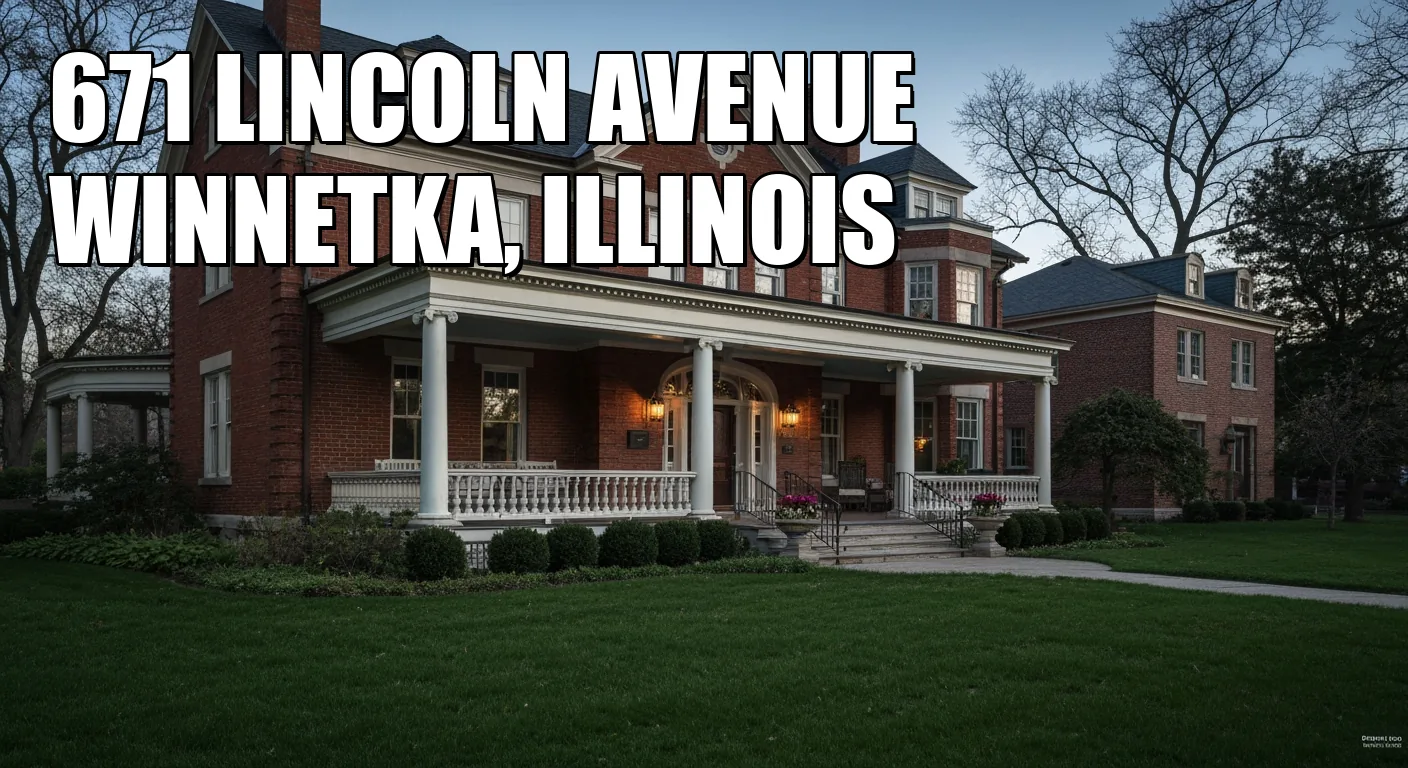
The McCallister home is split across a private Winnetka exterior, school-built interiors, two working churches, Hubbard Woods and post-security O’Hare. Here is the route that respects each boundary.

Beverly Wilshire Hotel: Pretty Woman, Suites, and Whether It Is Worth Staying
The Beverly Wilshire is the real Pretty Woman hotel, but the better question is whether Beverly Hills is the version of Los Angeles you actually want. Here is what the stay really offers.

Sopranos Filming Locations: What Still Exists in New Jersey
Five famous Sopranos stops now mean five different things: a public restaurant with a replacement booth, an opening-credits pizzeria, a private house, an uncertain club and a demolished set.
Check In After Dark
One writer checks into the rooms with the stories — Stanley 217, Banff Springs 873, the Del's 3327 — and reports what the night is actually like.