Film & TV Locations

Mamma Mia's True Greek Magic: Beyond the Screen

Having navigated countless historical pathways and cinematic landscapes across the United States, I often field questions about the filming locations of beloved movies. One persistent query revolves around *Mamma Mia!*, with many visitors convinced its sun-drenched, impossibly blue backdrops must have been found somewhere like California or Florida. It’s an understandable assumption; Hollywood productions often recreate foreign locales with uncanny precision on American soil. Yet, when it comes to the jubilant musical, the truth is far more authentic, and arguably, far more enchanting.

Put simply: there are no *Mamma Mia!* filming locations in the United States. Not a single frame. The film's producers understood that to capture the sheer, unadulterated essence of the story – its vibrant energy, its deep connection to family and history, its very soul – they had to go straight to the source. The real magic, the actual set where Meryl Streep, Pierce Brosnan, and the rest of the stellar cast frolicked and sang, was none other than Greece itself. This commitment to authenticity didn't just provide a stunning backdrop; it imbued the entire film with an irresistible Greek spirit that simply couldn't have been faked.

Myth Busted: Why Only Greece Could Host Mamma Mia's Magic

Why this widespread belief in a U.S. connection? Perhaps it’s a romanticized notion that such an extravagant production could only be mounted within the familiar confines of a major studio backlot. Or maybe it speaks to how seamlessly the film integrates its setting, making the Greek islands feel like a universal paradise. However, the film's creators were adamant about immersing themselves in the very landscapes that inspired the ABBA songs' escapist lyrics. They needed the specific quality of light, the ancient olive groves, the whitewashed villages clinging to cliffsides, and the impossibly clear Aegean Sea – elements intrinsically tied to the country's identity. No soundstage could replicate the feeling of stepping onto a centuries-old cobbled path or smelling the wild thyme carried on a sea breeze. This dedication wasn't merely a logistical choice; it was an artistic imperative, ensuring every scene resonated with genuine Mediterranean charm.

The principal photography took place between late August and September 2007, a period chosen for Greece's optimal weather, fewer peak-season crowds, and that glorious, golden light. This timing also meant the cast and crew could experience the islands in a more relaxed, authentic way, absorbing the local culture rather than battling throngs of tourists. It allowed for a level of intimacy with the environment that truly shines through in the final cut. Many guides gloss over these practical production details, but understanding them offers a deeper appreciation for the film's visual integrity. They weren't just shooting a movie; they were living it, however briefly, in the very places that would become synonymous with Donna and Sophie's story.

Skopelos's Crown Jewel: The Iconic Chapel of Agios Ioannis

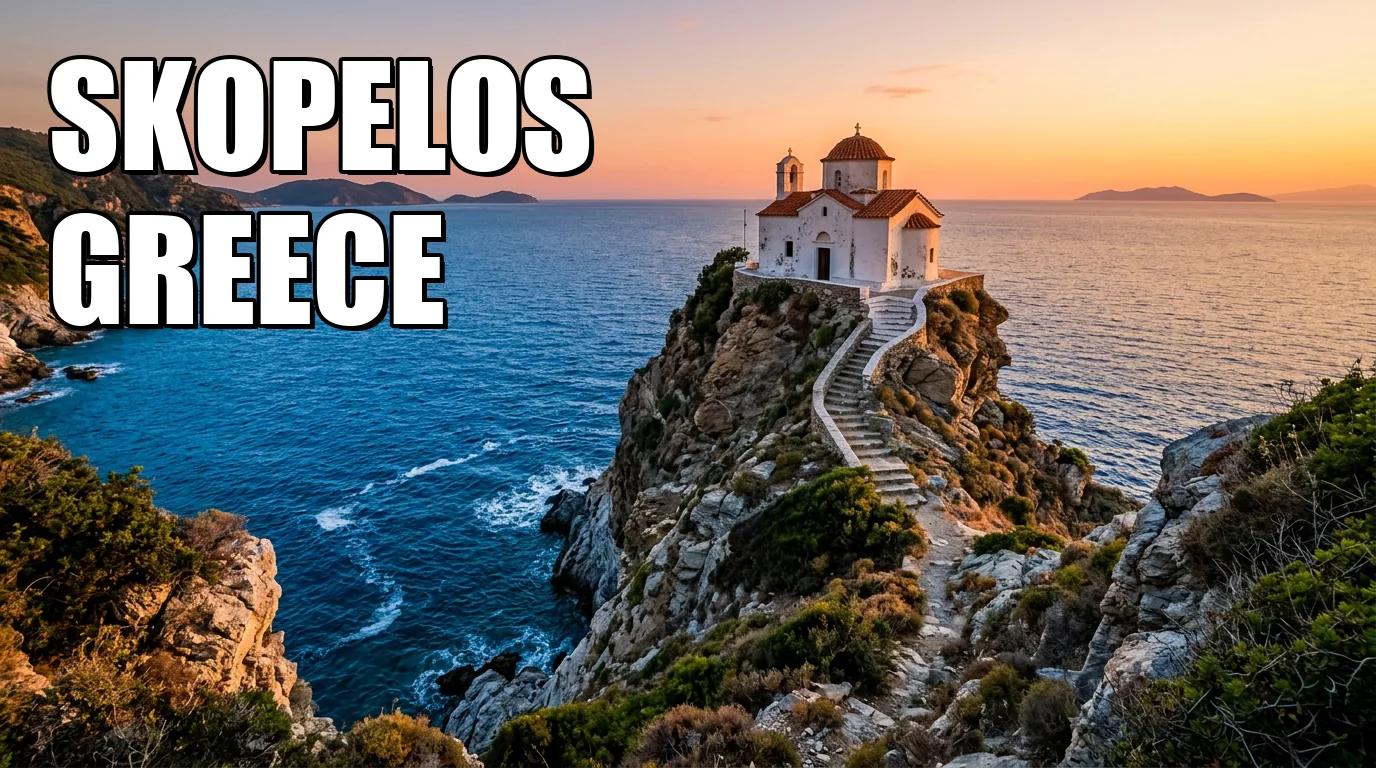
If there’s one location that instantly conjures images from *Mamma Mia!*, it’s the dramatically perched Agios Ioannis Prodromos Chapel on the island of Skopelos. This tiny, breathtaking chapel, which served as the setting for Sophie's wedding and the emotionally charged "The Winner Takes It All" duet between Meryl Streep and Pierce Brosnan, is far more than just a pretty picture. It’s an adventure to reach, a significant departure from the pristine, manicured sets one might expect from a Hollywood production. Most travel guides will show you the stunning photographs, but they rarely convey the sheer effort involved in ascending the hundreds of carved steps that wind their way up the rocky outcrop. The climb is steep, occasionally precarious, and can be quite a workout under the summer sun, but the panoramic views from the top – stretching across the turquoise Aegean – are an undeniable reward. They truly make you feel like you've ascended to a piece of paradise, much like the characters in the film.

Don't expect the grand, sprawling interior seen in the movie; that was largely a set built for practical filming purposes. The actual chapel is charmingly small and humble, reflecting centuries of local devotion rather than cinematic grandeur. This discrepancy often surprises visitors who envision a spacious sanctuary. What remains unchanged, however, is the profound sense of place. Standing there, feeling the wind whip around you, gazing out at the endless horizon, you can almost hear the echoes of "The Winner Takes It All." To truly appreciate it, plan your visit for early morning or late afternoon during the shoulder seasons (May, early June, or September) to avoid both the intense heat and the peak summer crowds. Parking, particularly for rental cars, can be tight at the base of the rock, so arriving early is always a good strategy. The journey is part of the destination here; it’s an experience that tests your resolve but rewards you with an unforgettable vista and a genuine connection to the film's most iconic scenes.

Pelion's Hidden Shores: Damouchari and Its Coastal Charms

Beyond the well-trodden paths of Skopelos, the production also made its way to Damouchari Beach in Pelion, a region on mainland Greece's eastern coast that offers a distinctly different, perhaps more ruggedly authentic, Greek experience. Unlike the more overtly tourist-centric islands, Pelion retains a sense of untouched beauty, characterized by lush mountains that plunge directly into the sea, forming secluded coves and pebbled beaches. Filming here, predominantly in September 2007, captured a more rustic, less polished side of the Mediterranean, providing a compelling contrast to the polished resort towns. It's where some of the livelier ensemble numbers and beach scenes were shot, though specific scene-to-location mapping can be a bit hazier for this area than for the easily identifiable chapel.

Many first-time visitors expect Damouchari to be a bustling hub given its cinematic fame, but the reality is wonderfully different. This isn't a place that has been overwhelmed by the "Mamma Mia effect" in the same way some other movie locations globally have. Damouchari remains a tranquil hamlet, known for its picturesque harbor and a handful of charming guesthouses. It challenges the conventional wisdom that all movie locations become instant tourist traps; instead, it offers a peaceful retreat for those seeking a genuine slice of Greek coastal life. You won't find souvenir shops selling "I Heart Mamma Mia" t-shirts on every corner, which, in my opinion, makes it all the more appealing. Visiting Damouchari provides a quiet counterpoint to the more dramatic settings of Skopelos, revealing the diverse beauty of Greece's landscapes and offering a glimpse into a slower, more traditional pace of life. It’s a place to truly unwind, not just to tick off a filming location from a list.

Beyond the Cameos: Where the Cast Found Their Own Greek Holiday

While the film’s narrative unfolds amidst quaint villas and dramatic chapels, the cast and crew themselves enjoyed a taste of Greek hospitality in somewhat more luxurious surroundings. This often-overlooked aspect of film production offers an interesting insight into the intersection of movie magic and real-world comfort. Skopelos Village Hotel on Skopelos island served as a key base, with Meryl Streep and other prominent cast members staying there. Anecdotes, like a recent guest review noting Pierce Brosnan's stay in a specific 2-bedroom sea view suite, pepper the hotel’s history, adding an almost legendary quality to its reputation. Similarly, the Skiathos Princess Hotel on the neighboring island of Skiathos hosted Pierce Brosnan, Colin Firth, and their families, offering them a reprieve from the demanding filming schedule.

At Pelion, many actors reportedly lodged at the Palia Damouchari Apartments, a choice that speaks to the area’s more intimate, local charm. These accommodations, while certainly comfortable, weren't necessarily the opulent, five-star resorts one might associate with Hollywood stars. Instead, they offered a blend of local character and necessary amenities, grounding the experience in the very Greek reality the film sought to portray. While specific room numbers and precise 2007 booking prices are, understandably, private information and not publicly available, it's safe to assume that staying at these establishments now, especially during peak season (July-August), would incur a premium. It’s not just about the quality of the hotel, but the allure of sleeping in a room once occupied by cinematic royalty. However, I’d caution against visiting solely for this reason; the true value lies in the natural beauty and the opportunity to experience the islands for themselves, rather than merely chasing celebrity ghosts. Focus on the stunning surroundings, not just the potential for a celebrity selfie spot, and you'll find a richer experience.

Crafting Your Own Greek Island Melody: Practical Planning Insights

So, you’re ready to embark on your own *Mamma Mia* pilgrimage? Forget about scouting American locales; your sights should be firmly set on the Aegean. Planning is key to unlocking the true magic without the typical tourist headaches. The best time to visit is during the shoulder seasons: late May to early June or September to early October. During these months, the weather is glorious, the sea is warm enough for swimming, and the crowds are significantly thinner than the peak months of July and August. You'll find better prices on accommodations and ferries, and the overall experience will be more relaxed, allowing you to truly soak in the atmosphere. Navigating the islands generally involves flying into Skiathos (which has an international airport), then taking a ferry to Skopelos. Booking ferry tickets and accommodations well in advance – think 3-6 months ahead, especially for popular spots – is crucial, as availability can dwindle quickly, and last-minute prices often skyrocket. Don’t expect any cheap last-minute deals if you want to visit these iconic locations.

While specific 2007 pricing for hotels is unavailable (and largely irrelevant now), be prepared for Greek island travel to be a mid-to-high-range endeavor. Ferry costs can add up, especially if you're island-hopping, and unique accommodations, particularly those with a film connection, will command higher rates. Expect charming local tavernas to offer excellent value for food, but tourist-heavy areas might have inflated prices for basic amenities. A typical meal with house wine might run you 20-30 Euros per person. Car rental is highly recommended on Skopelos to explore beyond the main towns and reach spots like the Agios Ioannis chapel at your leisure. The roads can be winding, but the freedom to discover hidden coves and panoramic viewpoints is invaluable. Ultimately, your Greek adventure should be about more than just tracing movie scenes; it's an opportunity to embrace the vibrant culture, savor the delicious cuisine, and discover the breathtaking natural beauty that inspired a global phenomenon. Don't be afraid to wander off the cinematic path; some of the most memorable moments are often found where the script didn't venture.

Your Complete Guide to Mamma Mia Filming Locations Worldwide

What are the main Mamma Mia filming locations?
The original 2008 film was primarily shot on Skopelos Island in Greece, while the 2018 sequel 'Mamma Mia! Here We Go Again' was filmed on Vis Island in Croatia, with some studio scenes shot at Shepperton Studios in England.
Are there tours of Mamma Mia filming locations?
Yes, multiple guided tours are available on Skopelos starting from $49-60 per person, typically lasting 3-7 hours and visiting key sites like Agios Ioannis Chapel and Kastani Beach.
Can you visit where Mamma Mia was filmed?
Yes, absolutely. Both Skopelos in Greece and Vis in Croatia are fully accessible to tourists, with various tours and independent visiting options available.
What location was Mamma Mia filmed in?
The first film was shot on Skopelos Island and Skiathos in the Greek Sporades islands, while the sequel was filmed on Vis Island in Croatia and at UK studios.
Can you visit the hotel from Mamma Mia?
Hotel Bella Donna is fictional and doesn't exist as a real property; scenes were filmed at various locations on Skopelos, Vis, and at Shepperton Studios in England.
Can you visit the church from Mamma Mia?
Yes, Agios Ioannis Chapel (St. John's Church) on Skopelos is open to the public year-round and free to visit, featuring 223 steps carved into the rock leading to the clifftop chapel.
Where did they film the beach scene in Mamma Mia?
Kastani Beach on Skopelos Island, Greece, was the primary beach filming location; it features crystal-clear turquoise waters and pine trees, and remains a popular visitor destination.
Can you stay at Hotel Bella Donna?
Hotel Bella Donna is fictional, but you can stay at various real villas and hotels on Skopelos with Mamma Mia-inspired themes or nearby locations, such as Villa Donna and other waterfront properties.
Can you walk around Skopelos?
Yes, Skopelos is excellent for walking with numerous marked trails covering over 100 km, ranging from easy coastal paths to more challenging mountain hikes through traditional villages.
Is Kalokairi from Mamma Mia a real place?
Kalokairi is the fictional island setting in both films; the first film was set on Skopelos (real Greek island), while the sequel was set on the fictional island but filmed in Croatia's Vis.
When is the best time to visit Mamma Mia filming locations?
May to September offers warm weather (23-30°C) and calm seas ideal for visiting; April and October provide pleasant weather with fewer crowds and spring wildflowers or autumn colors.
How much do Mamma Mia tours cost?
Tours typically range from $30-65 per person for half-day experiences, while more comprehensive multi-day island packages can cost €2,700 or more; individual site visits are mostly free.
How do I reach Skopelos from Athens?
Fly from Athens to Skiathos airport, then take a ferry (10 minutes to 1 hour) to Skopelos, or drive to Volos and ferry from there (approximately 3 hours); ferries also operate from other Sporades islands.
What should I see besides the Mamma Mia locations?
Skopelos offers traditional villages like Glossa, beautiful beaches (Panormos, Amarandos), hiking trails, local tavernas, and charming churches; Vis Island features the Greek Market and Franciscan monastery.
Are there Mamma Mia filming locations accessible in the USA?
No, the Mamma Mia films were not shot in the United States; all primary filming occurred in Greece and Croatia; the musical stage show tours various US cities but is unrelated to film locations.