What a Monticello Visit Actually Includes
Monticello is Thomas Jefferson's mountaintop home near Charlottesville, a UNESCO World Heritage Site designed by Jefferson himself. That headline matters, but it does not answer the questions people are really asking now: which tour to buy, whether the house access differs by ticket, and how directly the site interprets slavery.
The official Monticello visitor material makes that easier than the old version of this page did. You do not need a theatrical meditation on Jefferson's contradictions to plan the visit well. You need a clear breakdown of the main tour types, the role of Mulberry Row and the enslaved community in the site story, and the difference between a quick house-focused stop and a fuller interpretive day.
The Main Tour Options and What They Cost
The official ticket pages show a few core paths. The standard Highlights Tour is the simplest entry point: a 45-minute guided tour that covers Jefferson's life, Monticello's architecture, and slavery on the plantation. The current official listing shows Adult $42, Age 12-18 $13, Age 5-11 $4, and Under 5 free.
If you want more access inside the house, the Behind the Scenes Tour is the more ambitious option. The official page describes a 90-minute experience through the first floor and then up the narrow staircase into the second and third-floor private quarters, including the Dome Room. Current official listings place it at $105 for ages seven and up, and the site warns clearly that it involves steep stairs and is not wheelchair accessible.
For visitors who want the site interpreted primarily through slavery and its legacies, Monticello also offers the From Slavery to Freedom tour. The official page lists it as a 2.5-hour small-group guided experience priced at $42, with a specific focus on the enslaved community and the enduring legacies of slavery and freedom.
Which Monticello Tour Is Best for a First Visit?
If this is your first time and you want the cleanest overview, the Highlights Tour is the safest choice. It gives you the house, Jefferson, architecture, and slavery in one official package without overcommitting the whole day to one interpretive track.
If the house itself is the main draw, the Behind the Scenes Tour is the better buy because it is the one that gets you upstairs into the private quarters and the Dome Room. That is the page's simplest rule: buy Highlights for orientation, buy Behind the Scenes for access.
If you already know the basic Jefferson story or you care most about the plantation system and the enslaved community, the From Slavery to Freedom tour is the one that changes the visit most dramatically. It is not a side program. It is one of the clearest ways to understand what made Monticello function.
Why Mulberry Row Matters More Than Many Visitors Expect
Monticello's official interpretation makes it clear that the plantation cannot be understood through the house alone. Mulberry Row was the hub of plantation activity, a long section of road and workspaces where much of the estate's labor and daily production happened. If you skip that context, you leave with an incomplete version of the site.
The From Slavery to Freedom tour underscores that by taking visitors from the burial ground for enslaved people to the historic mountaintop, the South Wing, the first floor of the house, surrounding grounds, and Mulberry Row through the perspectives of enslaved people who lived and labored there. That is a much stronger frame than treating the enslaved community as a background note attached to Jefferson's architecture.
Slavery at Monticello Is Central, Not Peripheral
Monticello's own official materials are direct about scale. Thomas Jefferson enslaved more than 610 people throughout his life, and roughly 400 men, women, and children lived in bondage at Monticello. That fact alone tells you what the page has to do. The site is not just about a statesman designing a beautiful house. It is also about a plantation sustained through coerced labor on a large scale.
The official slavery resources also point visitors toward the people, families, work systems, and legacies connected to that world, including the Hemings family, plantation labor, and Jefferson's own contradictory position on liberty and slavery. That does not make the house less important. It makes the estate more legible. The house, Mulberry Row, and the burial ground belong in the same interpretive frame.
Practical Things That Change the Day
Monticello's visitor guidance is practical in ways that matter. Parking is free. The site advises visitors to buy tickets online in advance, and several official tour pages recommend arriving 30 minutes before your start time to allow for security screening and travel from the visitor center to the mountaintop.
The specialty tours also come with clear physical limits. Behind the Scenes is not wheelchair accessible and requires climbing steep stairs. From Slavery to Freedom also involves a fair amount of walking over uneven terrain and is recommended for older visitors because of both the physical route and the subject matter. Those are the details that make a page useful instead of just interpretive.
Best Way to Plan a First Monticello Day
If you only have one visit to give the site, the strongest plan is to choose one house-oriented tour and then make sure you spend time with the slavery interpretation rather than assuming the mansion alone will explain the place. That could mean choosing Highlights and then focusing on the grounds and Mulberry Row, or choosing From Slavery to Freedom if that is the lens you most want.
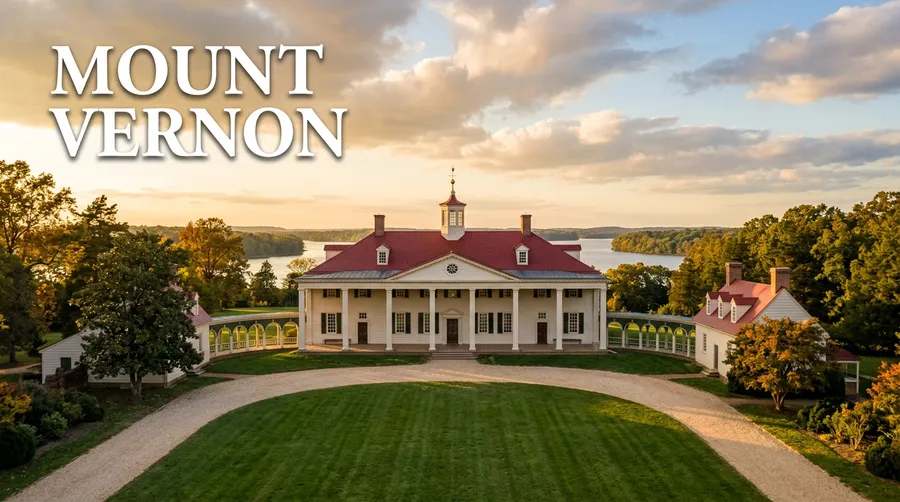
If you want maximum access inside the house, book Behind the Scenes early. If you want the strongest interpretive reset, build the day around From Slavery to Freedom. Either way, Monticello is best treated as a full-site visit, not just a famous facade. For a related presidential-estate page that works differently on the ground, see Mount Vernon. For more resident-property guides after that, use the Famous Residents archive.