
Peacefield Quincy: What the Adams House Site Actually Gives Back
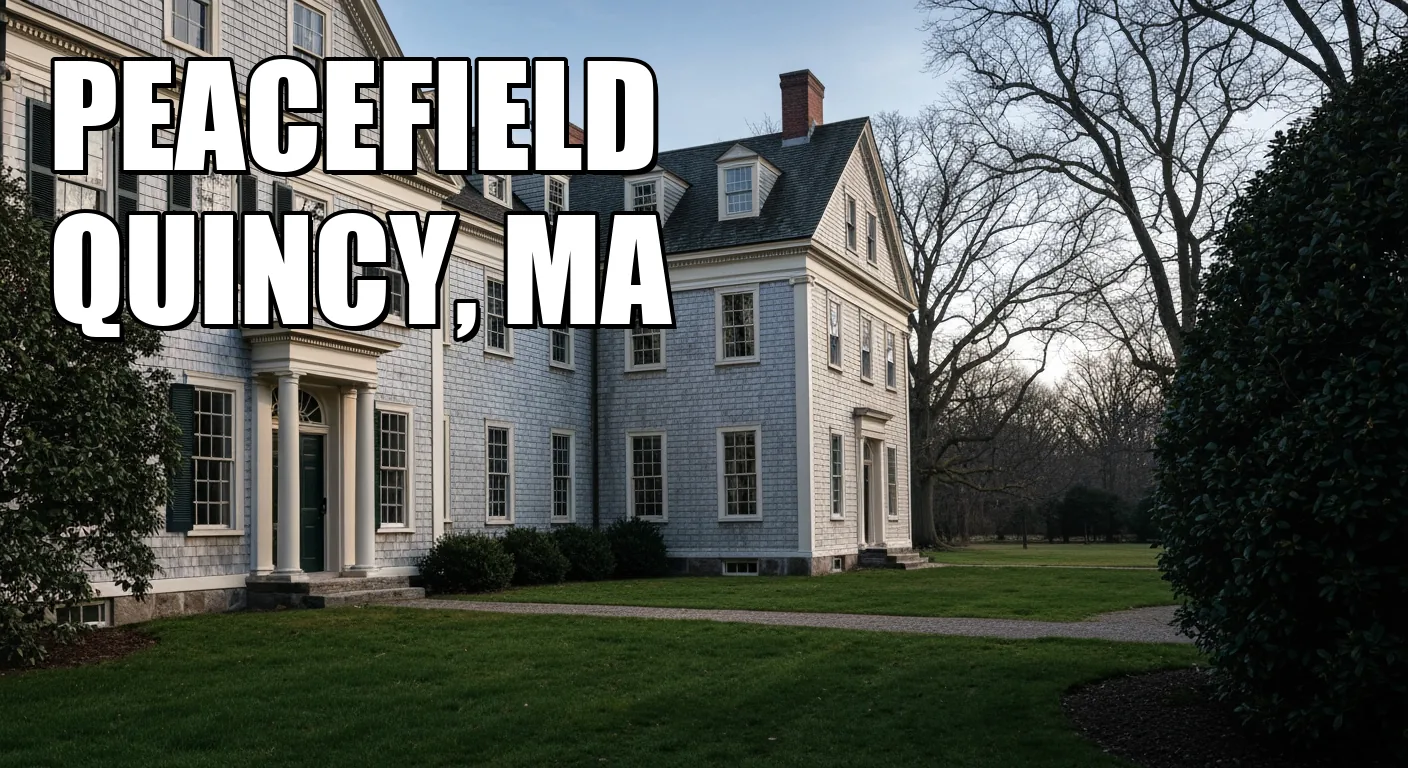
Standing on the grounds of Peacefield, you can almost hear the rustle of parchment and the low murmur of intense debate echoing through the centuries. This isn't your average stately presidential mansion designed for public show; rather, it’s a sprawling, organic testament to the enduring intellect and domestic life of two U.S. Presidents and their remarkable family. For those of us who’ve explored countless historic sites, from the opulent grandeur of Monticello to the quiet dignity of Hyde Park, Peacefield, the Adams family home in Quincy, Massachusetts, offers something subtly different – a compelling narrative steeped in the everyday, often overlooked, rhythms of history.
What truly draws a seasoned traveler to this particular estate, a property that housed four generations of one of America's most influential families, is less about grand, decisive events and more about the palpable sense of continuous intellectual engagement. You won't find a dramatic, world-changing declaration etched into the floorboards of the formal parlor, nor a treaty signed on the study desk with a specific, recorded date. Instead, Peacefield invites you to immerse yourself in the very *texture* of the Adams' lives, their persistent pursuit of knowledge, and their unwavering commitment to public service, all within walls that witnessed nearly 150 years of their private world.
Unraveling Expectations: Peacefield's Quiet Grandeur
Many visitors arrive at Peacefield, as I once did, clutching notions gleaned from popular histories, expecting to pinpoint the exact locations of earth-shattering decisions. They often envision John Adams, perhaps John Quincy, pacing a specific room, hammering out the finer points of a presidential decree. This expectation, while understandable given the Adamses’ monumental careers, often clashes with the more intimate reality of the Old House. While it was undeniably a hub of intellectual activity and political discussion, the historical record, particularly concerning specific, documented incidents within the study or the formal parlor with exact dates and outcomes, is surprisingly elusive. It’s crucial to understand that while these rooms certainly witnessed countless conversations, letters penned, and ideas debated, the daily minutiae of life in the 18th and 19th centuries wasn't always meticulously cataloged for future historians. We have extensive family correspondence—the Adams Papers at the Massachusetts Historical Society boast over 300,000 pages of family documents—but these rarely pinpoint a specific, singular "historical incident" to a particular armchair in the parlor. This isn't a failing of the site, but rather a compelling insight into how history is often made: not in isolated, dramatic moments, but through a constant, grinding accumulation of thought, discussion, and everyday life.The Study and Parlor: Echoes, Not Events
Let’s talk about the study, a space so central to John Adams' intellectual life. It spanned the entire width of the second floor, a veritable intellectual aerie. While we know Adams spent countless hours here, poring over books and letters, grappling with complex ideas, there isn't a specific, documented "incident" with a precise date, named participants, and immediate outcome, beyond the deeply personal. The most extensively documented event tied directly to this room is the poignant detail of John Adams' death on July 4, 1826, seated in a floral-patterned wing chair. This was an end-of-life moment, a culmination of a life, rather than a specific decision-making event that altered the course of the nation in a single stroke. The formal parlor, added by Abigail Adams during renovations in the 1790s, with its higher ceilings and European-inspired furniture, served as the primary space for adult entertaining and formal receptions. It was here that Abigail, a woman of formidable intellect and social grace, received visitors. Yet, like the study, specific, documented incidents with verifiable exact dates remain elusive in the historical record. The room undeniably hosted important discussions, but the details of who said what, and when, have largely faded into the unrecorded conversations of domestic life, much like countless other parlors of its era. This isn't a fault of the Adams National Historical Park staff; it simply reflects the reality of historical documentation for private, everyday spaces.The Stone Library: Where the Real Magic Happened
If you're looking for the true intellectual heart of Peacefield, where ideas were truly forged and decisions indirectly shaped, then the Stone Library, built by John Quincy Adams in 1870, is your Mecca. This isn't some dusty, forgotten collection; it's a monumental, fireproof structure housing an astounding 14,000 books collected by John Adams, John Quincy Adams, and their descendants. Here, you'll find volumes annotated by the presidents themselves, showcasing the breadth of their intellectual curiosity. Imagine reading a legal treatise with Adams' own marginalia, or a classical text bearing the faint imprint of his finger. This library speaks volumes about the Adamses' approach to governance and life itself: that informed decisions stemmed from deep, continuous learning. It wasn't about spontaneous flashes of insight in a specific meeting, but a lifetime of rigorous study, reflection, and intellectual discourse. This is what sets Peacefield apart: its profound emphasis on literacy and reasoned thought as the bedrock of leadership. The sheer scale and preservation of this library offer an insight into the Adams’ intellectual rigor that no other presidential home quite matches.Navigating Peacefield: A Practical Primer for Discerning Travelers
So, how does one best experience Peacefield, especially with these nuanced understandings in mind? First, manage your expectations. Come not to witness a specific, documented "event" in a particular chair, but to absorb the atmosphere of a family steeped in knowledge and civic duty. The Adams National Historical Park, which encompasses Peacefield, is not directly accessible by public transport from Quincy Center without a bit of a walk, so consider driving. Parking can be found at the Visitor Center at 1250 Hancock Street, Quincy, MA. From there, you embark on a mandatory trolley tour which transports you to the various sites, including the Old House (Peacefield) and the birthplaces of John and John Quincy Adams. Tours of the Old House are guided and run on a first-come, first-served basis, often filling up quickly, especially during peak season (summer and fall foliage). Arriving early, ideally within the first hour of opening, is your best bet for securing a desired time slot. The entire trolley tour, including time spent at each site, typically runs about 2.5 to 3 hours, so plan accordingly. Admission is currently $15 for adults (ages 16 and up), with children 15 and under free, but it's always wise to check the official National Park Service website for the most current pricing and operating hours for 2025. Avoid major holiday weekends if possible; the crowds can detract from the reflective experience this site truly offers.An Unvarnished Look: What Peacefield Truly Offers the Curious Mind
What does Peacefield *really* offer, beyond the carefully curated narratives of most historical sites? It offers authenticity, a deep dive into the lives of people who shaped a nation not just through grand pronouncements, but through daily dedication, prolific correspondence, and an insatiable thirst for knowledge. It challenges the conventional wisdom that history only happens in dramatic, pivotal moments. Instead, it argues, subtly but powerfully, that the steady accumulation of intellectual effort, family tradition, and enduring personal commitment forms the true bedrock of lasting influence. You won't leave Peacefield with a thrilling anecdote of a specific debate in the parlor on a given Tuesday in 1798. But you will leave with something arguably more profound: a visceral understanding of how intellect, integrity, and intergenerational purpose can shape a nation. It's a house of ideas, a testament to the power of a working library, and a quiet, unassuming monument to one of America's most intellectually robust and consistently public-minded families. For those who seek the deeper currents of American history, beyond the celebrated events, Peacefield is not just worth visiting; it’s essential.Discovering John Adams Peacefield: Your Complete Visitor Guide
What are the current operating hours and season for Peacefield?
Peacefield is open Thursdays through Sundays from 9 AM to 5 PM during the 2025 tour season, which runs from June 5 through October 31. The park is closed Mondays through Wednesdays during off-season.
How much does it cost to visit Peacefield and what's included?
Admission is $15 per person for those 16 and older; children 15 and under are free. The America the Beautiful Interagency Pass also provides free entrance. There is no additional charge for guided tours beyond the entrance fee.
Do I need to make reservations in advance to tour the Old House?
Yes, guided tour reservations are required to enter the historic homes. You can reserve tours online in advance or on the day of your visit in-person at the Visitor Center, available on a first-come, first-served basis.
How long does a typical tour of Peacefield take?
Standard guided tours of the Old House at Peacefield take approximately 45 minutes to one hour. The extended 'Legacies of Leadership' tour, which includes additional rooms and the birth homes, takes approximately 3 hours total.
Where is Peacefield located and how far is it from Boston?
Peacefield is located at 135 Adams Street in Quincy, Massachusetts, approximately 9-10 miles south of Boston. It takes about 14 minutes by car from downtown Boston or approximately 30 minutes by public transit via the MBTA Red Line.
Part of ⭐ Famous Residents
Famous Residents
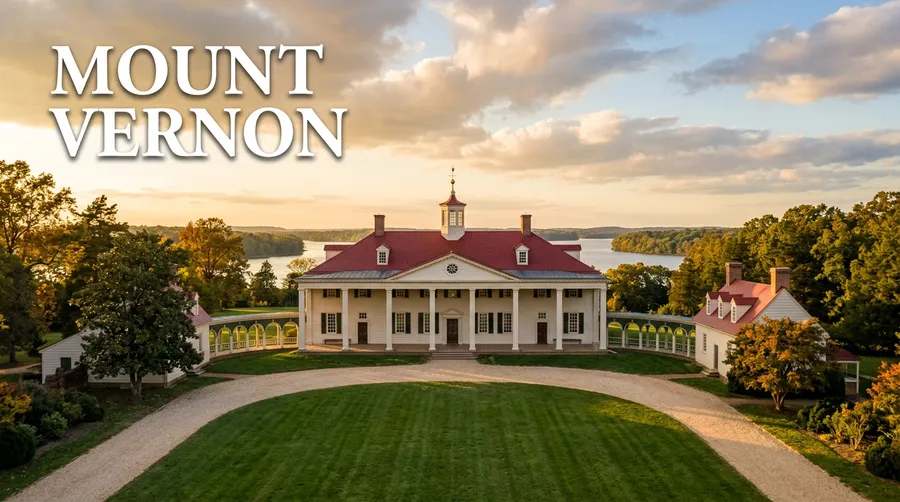
Mount Vernon Tickets, Mansion Tour, and What to See at George Washington’s Estate
A first-timer’s Mount Vernon guide covering timed mansion entry, how long to budget, what is included beyond the house, and how the estate now frames slavery as central history.
Famous Residents
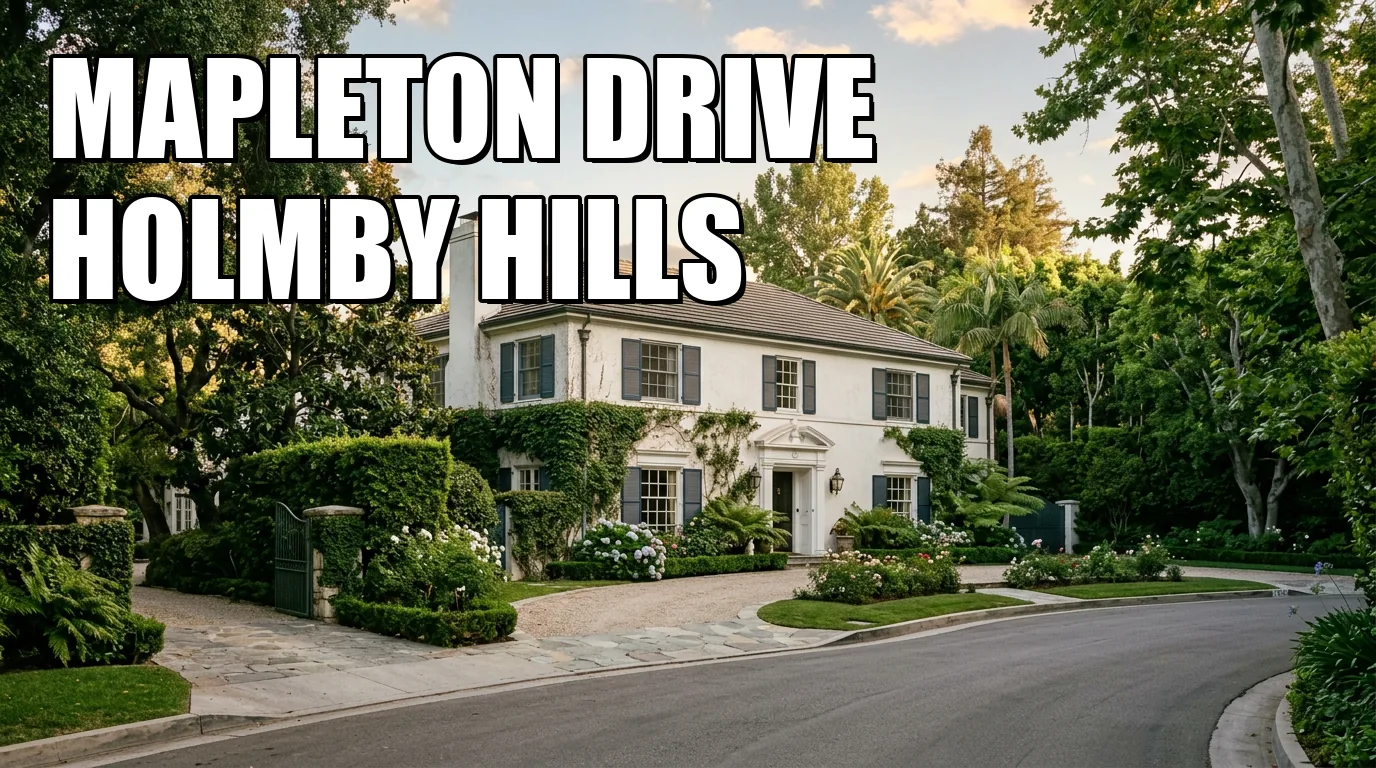
Humphrey Bogart Homes: The Los Angeles Addresses Fans Still Search For
Most Bogart addresses in Los Angeles are private residential properties. Here is which stops are publicly accessible, what each address documents, and how to frame the trip.
Famous Residents
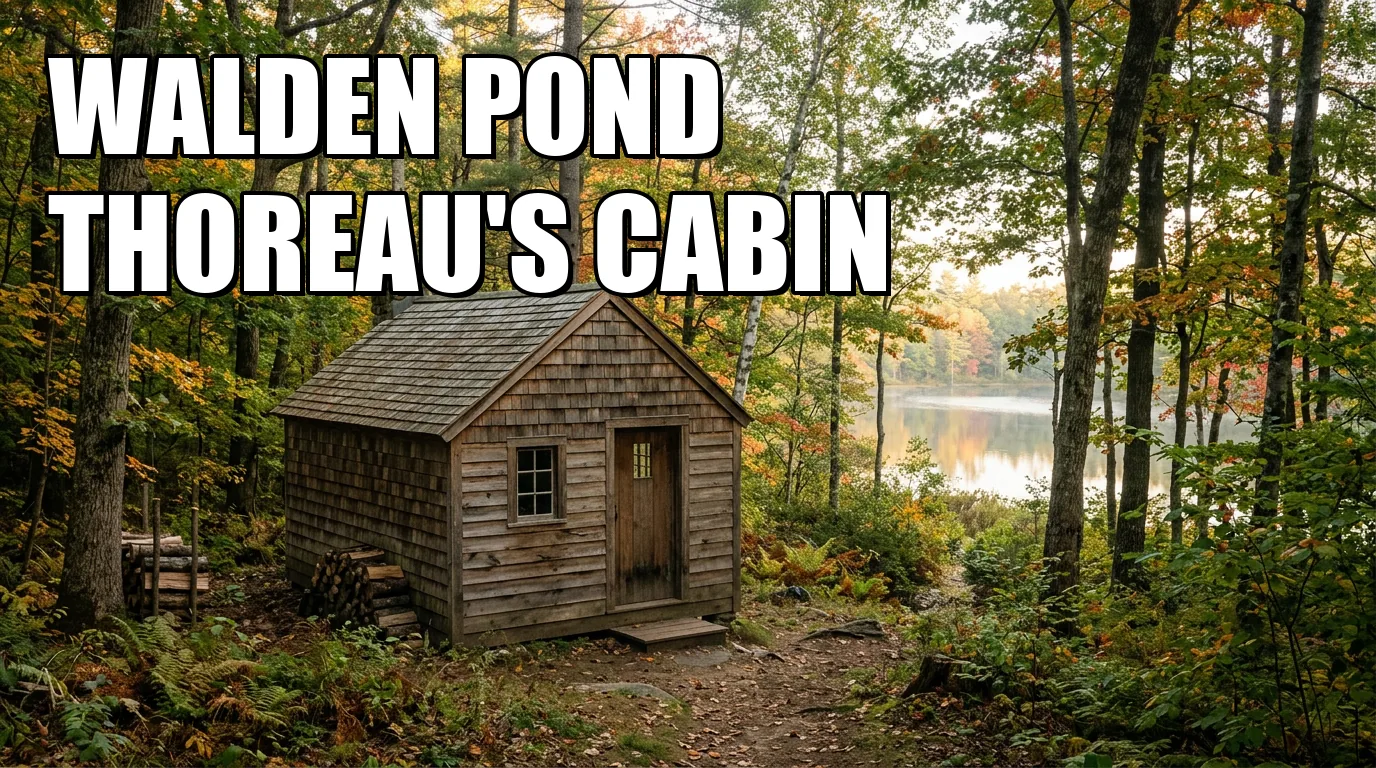
Walden Pond and Thoreau's Cabin: Replica, Site, and What Is Original
The cabin near the lot is a replica; the documented site is a half-mile away. A field guide to scale, archaeological location, landscape change, and access.
From the author of this guide
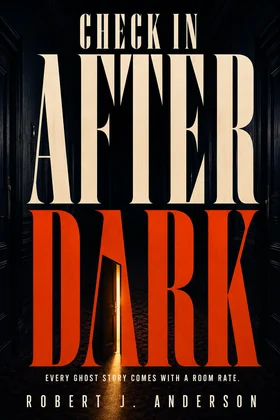
Check In After Dark
One writer checks into the rooms with the stories — Stanley 217, Banff Springs 873, the Del's 3327 — and reports what the night is actually like.