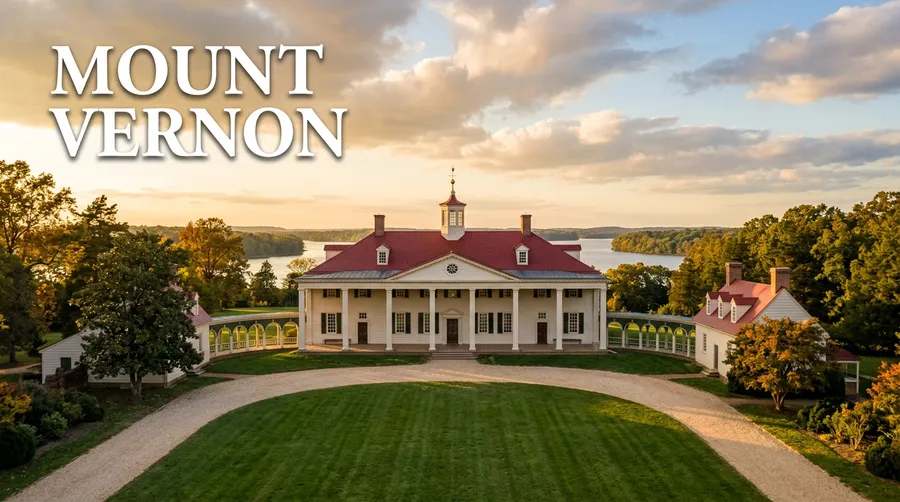
Photo by Diana Kowalski for Cornerstone Mansion · March 13, 2026
You’ve explored the grand estates of the East Coast, wandered through colonial villages, and probably even scaled a pyramid or two in your day. But let me tell you, the Pacific Northwest, with its rain-kissed forests and brooding volcanoes, presents an entirely different proposition for the history buff, one where ancient narratives meet an unexpectedly futuristic embrace. Planning a journey here in 2025 isn't just about packing rain gear; it's about preparing for a fascinating dance between preservation and digital enhancement, a blend that can either deepen your understanding or, at times, make you question where the "authentic" experience truly lies.
So, how does one truly uncover the soul of this region, beyond the inevitable Instagram shots? For my latest expedition, I delved into a proposed 7-day itinerary, seeking out the hidden narratives and the bold new ways historic and natural sites are inviting us in. This isn’t a trip for the faint of heart, or for those who despise planning; rather, it’s for the curious, the adaptable, and the traveler willing to see heritage through a distinctly twenty-first-century lens.
Olympic's Wilderness: Where Tech Meets Ancient Trees
What happens when untamed wilderness encounters the digital age? Our journey begins by venturing west from Seattle, crossing the expansive Puget Sound towards the Olympic Peninsula, a place known for its dizzying array of ecosystems. Hurricane Ridge, a true icon of Olympic National Park, typically draws crowds for its panoramic mountain views, especially around sunrise. What I found surprising this time was the integration of a sophisticated augmented reality (AR) trail app, which overlays bird calls and identifies plants directly onto your smartphone screen as you walk. It’s certainly a novel approach, transforming a traditional self-guided walk into something far more interactive. While some might argue it pulls you away from the raw experience, I found it genuinely enhanced my understanding of the delicate subalpine ecosystem, offering details a traditional signpost simply couldn't convey.
Practical considerations for Hurricane Ridge are paramount; you absolutely must book timed-entry reservations via the park's online portal well in advance, particularly if you're hoping to catch those legendary sunrise views. Arrive without one, especially on a summer weekend, and you'll likely be turned away at the gate, missing out entirely. The park's commitment to accessibility and sustainability is also evident, with newly installed EV charging stations and wheelchair-accessible boardwalks making it a more inclusive destination. Just north, overlooking the Elwha Valley, Pillar Point presented a quieter, more reflective moment. Here, newly refurbished interpretive panels aren't static; they offer AI-powered audio narratives in multiple languages. This subtle tech integration allowed for a richer, more personal exploration of the valley's profound history, particularly the stories of dam removal and ecosystem restoration, without feeling like a digital overload. We lodged near Port Angeles, bracing for more coastal wonders.
Makah Nation's Resurgence: A Deep Dive into Indigenous Heritage
Ever wondered how an ancient culture can be presented with cutting-edge technology without losing its soul? The newly designated Makah Cultural & Research Center, which only fully opened to the public in late 2024, is a powerful answer. Situated at Neah Bay on the remote northwestern tip of the Olympic Peninsula, this museum isn't just a collection of artifacts; it’s an immersive experience that commands your full attention. The 3D holographic reconstructions of ancient canoe voyages are nothing short of breathtaking, transporting you back millennia to when the Makah people navigated these very waters.
I found myself lingering, captivated by the intricate details and the sheer innovation of the presentation. It felt less like viewing history and more like stepping into it. Their smart-guide kiosks are another clever touch, adapting tour lengths to individual mobility needs, ensuring everyone, regardless of physical ability, can fully engage. This isn't just about seeing; it's about understanding and connecting. The gentle slopes and tactile exhibits further enhance accessibility, making this site a benchmark for thoughtful, inclusive cultural interpretation. This visit wasn't just a stop; it was a profound learning experience, a testament to the Makah Nation’s enduring spirit and their embrace of modern tools to share their timeless stories.
Unearthing Seattle's Industrial Past and Urban Layers
What urban centers truly know how to embrace their foundational history while looking forward? Seattle, a city synonymous with tech giants and coffee culture, holds a surprisingly robust historical core. Pioneer Square, the city's original neighborhood, is a fantastic place to start unraveling Seattle's earliest stories. The real magic, however, lies in its famous underground tunnels. Here, an augmented reality heritage trail app for your smartphone truly shines, revealing historic photographs and even street-level reconstructions of what the city looked like before the Great Fire of 1889. It paints a vivid picture of a bustling, muddy, and often chaotic frontier town built literally on top of itself.
Be warned: these underground tours, while fascinating, can feel a bit like a well-oiled machine. Digital timed tickets are essential, and they strictly limit group sizes, which is good for avoiding claustrophobia but bad if you expect spontaneity. Just south of downtown, in the Georgetown neighborhood, another marvel awaits: the Georgetown Steam Plant. Fully reopened in 2025 as an interactive tech museum, this beautifully preserved industrial behemoth is a testament to early 20th-century engineering. Its sheer scale and the intricate machinery are impressive enough, but the new AI-driven docent robots are a curious addition. They answer visitor questions and adapt presentations for hearing or visually impaired guests. While I appreciated the accessibility, I did find myself occasionally wishing for a human voice, a nuanced anecdote that only a seasoned guide can provide. Still, it’s a bold experiment in making industrial history more approachable, and it challenges what we expect from a museum visit.
Mount Rainier's Glacial Grandeur: A Blend of Awe and Analytics
Does modern technology truly belong in the heart of a national park? Heading southeast from Seattle, Mount Rainier National Park looms, its snow-capped peak a constant presence on the horizon. The Paradise Visitors Center, a mandatory stop for anyone venturing up the mountain, offers more than just stunning vistas and warm coffee. Its new AI-driven avalanche-safety simulator is surprisingly compelling, providing crucial, potentially life-saving information in an engaging format. Integrated live camera feeds into a mobile app also offer real-time conditions, which is invaluable for planning safe hikes in this unpredictable alpine environment.
Sustainability, a recurring theme, is evident here too; solar-powered accessibility shuttles circulate among key viewpoints year-round. These are a welcome relief, especially during peak summer months when parking can be a nightmare. But for a truly humbling experience, seek out the Grove of the Patriarchs. This "hidden gem" is often overlooked by tourists rushing to the higher viewpoints, and it's a profound mistake to skip it. You cross a suspension bridge over the Ohanapecosh River to reach an ancient forest of massive old-growth Douglas firs and western red cedars, some thousands of years old. The elevated boardwalk, rebuilt in 2023 with recycled composite materials, now features an AR forest time-machine. Point your phone, and it highlights century-old growth cycles, showing you the forest as it *was* and how it *grew*. It’s a powerful, tangible connection to deep time. We opted for camping at Longmire, an experience I highly recommend for anyone wanting to truly immerse themselves in the park's serene nights.
Eastern Washington's Cultural Revival: Vineyards and Voices
From towering peaks, our journey turned east, towards the drier, sun-drenched landscapes of the Yakima Valley. This region, often associated with its burgeoning wine industry, also holds deep historical roots. The Yakama Nation Cultural Center, which fully reopened in 2024, is a standout. It offers immersive virtual reality (VR) storytelling of tribal histories, a powerful and moving way to engage with the narratives of the Confederated Tribes and Bands of the Yakama Nation. Rather than simply reading about their past, you’re placed *within* it, witnessing ceremonies and daily life through an incredibly intimate lens.
To visit, a reservation app is crucial; it optimizes visitation slots, protecting delicate artifacts and ensuring a more thoughtful experience. This controlled access feels respectful and necessary. In the afternoon, the region’s renowned wine-tasting beckoned. We chose reservation-only sustainable vineyards, many of which now use AI-monitored irrigation to conserve precious water, a fascinating blend of ancient agricultural practice and modern efficiency. It’s a testament to how tradition and innovation can coexist, producing both excellent wine and responsible land stewardship.
Columbia River Gorge: Majestic Falls, Modern Solutions
Driving north towards the majestic Columbia River Gorge, the landscape transforms once more, returning to a lush, almost primeval beauty. Multnomah Falls, undoubtedly the most famous waterfall in Oregon, is a site of unparalleled natural splendor. Yet, its popularity means crowds, often overwhelming ones. This time around, I noticed a clever solution: smart-queue QR codes that notify visitors when their turn arrives on the pedestrian bridge, effectively reducing the chaotic crush that once characterized the viewing platform.
It's a small change, but one that significantly improves the visitor experience, allowing you to absorb the waterfall's grandeur without constantly jostling for position. Trail upgrades, including widened switchbacks and textured handrails, also make the path to the higher viewpoints safer and more accessible. Just downriver, the Hood River waterfront district, a historic cannery area, now buzzes with a different kind of energy. Its old buildings house interactive AR art installations celebrating local maritime heritage. This unexpected fusion of industrial history and digital art creates a dynamic, engaging atmosphere, telling stories of the river’s past in a vibrant, contemporary language.
Portland's Eclectic Pulse: Art, Science, and Departure
Finally, our journey concludes in Portland, a city that delights in its quirks and champions independent spirit. The Oregon Museum of Science and Industry (OMSI) is a fitting culmination, showcasing how interactive learning continues to evolve. What struck me here were the AI-curated exhibit paths, which adapt to visitors' interests and mobility needs. This personalized approach means you can spend more time on what genuinely fascinates you, rather than being herded through pre-determined routes.
As with many popular sites now, timed-entry tickets are essential to maintain safe capacities in popular halls, especially on weekends. It’s a minor inconvenience for a much-improved experience. Before our evening departure, we sought out a true "hidden gem" – the Mississippi Avenue street-art corridor. Recently designated a historic arts district in 2025, this vibrant stretch of road features murals linked by QR codes that play local musicians' recordings. It's a spontaneous, joyful celebration of community, history, and contemporary art, a perfect snapshot of Portland's enduring creative spirit. This unexpected blend of history, art, and local talent felt like a perfect, unscripted finale to a journey that consistently surprised.
This Pacific Northwest road trip isn't just about ticking off landmarks; it's about witnessing a region actively shaping the future of travel. The pervasive use of timed-entry systems, augmented reality guides, and sustainable infrastructure signals a clear shift towards more managed, yet potentially richer, experiences. While I occasionally found myself wishing for a little less screen time and a little more raw, unmediated discovery, I couldn't deny the power of these innovations to open up history and nature in entirely new ways. It’s a fascinating, sometimes challenging, but ultimately rewarding journey, demanding an open mind and a readiness to embrace the unexpected.
Historic Mansions Worth Building a Weekend Around
Start with the estates and mansion properties that still justify tickets, routing, and a real visit, not just a mood-board detour.
Journey Through America's Iconic Landmarks: Your Ultimate Visitor FAQ
What are some famous landmarks?
Some famous landmarks in the United States include the Statue of Liberty in New York, the Golden Gate Bridge in San Francisco, and Mount Rushmore in South Dakota.
What is the most famous landmark in the world?
The Eiffel Tower in Paris is widely regarded as the world’s most famous landmark.
What are three landmarks?
Three notable landmarks are the Grand Canyon in Arizona, the Lincoln Memorial in Washington, D.C., and Niagara Falls on the New York–Ontario border.
What is the most famous historical landmark?
The Great Wall of China is recognized as the most famous historical landmark globally.
What is a famous American landmark?
The Statue of Liberty is one of the most famous American landmarks, symbolizing freedom and democracy.
Whats the oldest landmark in the world?
Göbekli Tepe in Turkey, dating back to around 9600 BC, is considered the oldest known monumental structure.
What are the most visited landmarks?
The most visited landmarks worldwide include the Las Vegas Strip, the Vatican Museums in Rome, and Times Square in New York.
what are some famous landmarks?
Iconic U.S. landmarks include Yellowstone National Park, the Space Needle in Seattle, and the Hollywood Sign in Los Angeles.
What is the most visited landmark in the US?
Times Square in New York City is the most visited landmark in the United States, attracting over 50 million visitors annually.
What is Americas most famous?
The Statue of Liberty stands as America’s most famous landmark, welcoming millions of visitors each year.
Which landmark is best visited in spring?
Washington, D.C.’s National Mall is ideal in spring when cherry blossoms are in peak bloom.
Are reservations required for major landmarks?
Some landmarks, like Alcatraz Island tours and Washington Monument entry, require advance reservations, especially during peak season.
What are the best times to visit national parks?
Early morning and late afternoon offer cooler temperatures and fewer crowds at popular U.S. national parks.
How can I access wheelchair-accessible landmarks?
Most major U.S. landmarks provide accessible routes, ramps, and shuttle services; check each site’s official accessibility guide before visiting.
Why This Page Exists
Maison builds place guides to help readers plan a real visit or understand a real site. When a page makes present-day access, booking, or visitor claims, those details are revised against public-facing source material and editorial review. For the wider standards behind that work, see methodology.
The Cornerstone Brief
One historic place, once a week — what it is, why it matters, whether it's worth going. No filler, no paid placements.
Coming soon. Unsubscribe any time.
We use cookies to enhance your experience. By continuing to visit this site you agree to our use of cookies.