Tapered Square Columns: The Quintessence, and Its Overlooked Nuances
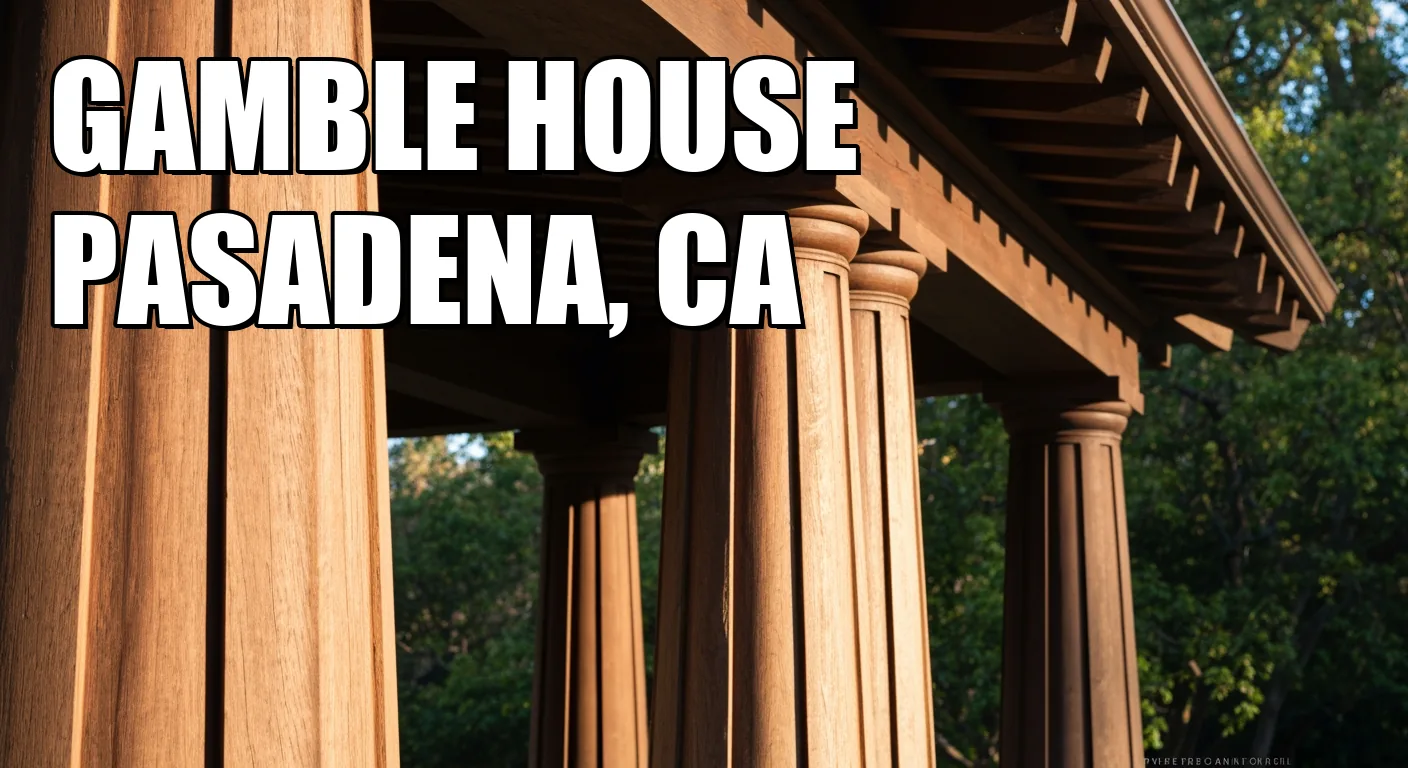
Thetapered square column is, without question, the quintessential image that springs to mind when we speak of Craftsman architecture, narrowing perceptibly from base to top. Most commonly, you’ll find them measuring around 10 to 12 inches wide at the bottom, gracefully reducing to 5 to 7 inches by the time they meet the porch roof, typically spanning 5 to 10 feet in height. These columns speak volumes about the era's design priorities: structural honesty, unadorned geometry, and an emphasis on the natural beauty of wood, with oak, redwood, or chestnut being the traditional choices.
I’ve often heard people dismiss these as "basic," but their widespread adoption was a revolutionary statement, a deliberate rejection of the ornate, turned columns of the preceding Victorian era. They were an assertion that simplicity could be elegant, and function could be beautiful. When you stand on the porch of the Gamble House in Pasadena, California, a masterpiece by Charles and Henry Greene completed in 1908, you truly grasp this. The massive, dark-stained tapered columns here aren't just holding up the roof; they’re anchoring the entire structure to the earth, creating a sense of grounded permanence that’s profoundly satisfying.
If you plan a visit to the Gamble House on a weekend afternoon, prepare for a moderate crowd; arriving shortly after opening on a weekday often offers a more contemplative experience. A guided tour, usually around $20-25 per person, is essential to appreciate the craftsmanship, as it illuminates how these columns integrate with the home's exquisite joinery and stained glass. While modern versions of these columns are often crafted from expanded cellular PVC for durability, a practical choice for homeowners, it's worth noting that they often lack the tactile warmth and grain character of the original wood, a subtle distinction that an experienced eye will catch.
Decoding Raised Panel Columns: A Whisper of Ornamentation
Moving beyond the sheer simplicity, the
raised panel column offers a subtle step into decorative embellishment while steadfastly maintaining the Craftsman commitment to refined beauty. These columns share similar dimensions with their tapered counterparts—typically 10 to 12 inches in width and 5 to 10 feet tall—but feature routed panels that project slightly from the column's shaft. This detailing creates a gentle play of light and shadow, adding depth without resorting to the applied, fussy ornamentation that Arts and Crafts designers so emphatically rejected.
What’s particularly fascinating is how these panels manage to introduce visual interest without compromising the structural integrity or the "truth to materials" principle. They aren't glued-on decorations; they're carved directly into the wood, most often quartersawn oak, celebrated for its distinctive grain. Gustav Stickley, the undisputed godfather of the Craftsman movement, frequently featured raised panel columns in his "Craftsman Home" designs, which he published extensively between 1909 and 1913. These designs aimed to bring good, honest architecture to the burgeoning middle class, and these columns perfectly captured that accessible yet refined aesthetic.
I’ve walked through countless Midwest bungalows, and it’s there you’ll frequently encounter these columns, lending an air of understated dignity to a typically modest dwelling. They make you consider the homeowner's desire for something *more* than plain, yet still fundamentally aligned with a no-nonsense sensibility. Unlike the grand, over-the-top columns of earlier eras, these don't shout; they invite a closer look, rewarding the observer with their quiet artistry.
Recessed Panel Columns: The Shadow Play of Californian Bungalows
An intriguing counterpoint to the raised panel is the
recessed panel column, where the decorative grooves dip *into* the column's surface rather than projecting outward. With dimensions mirroring their raised counterparts (around 10 to 12 inches at the base, tapering to 5 to 7 inches, and 5 to 10 feet high), this style offers a different kind of visual texture. It’s a subtle inversion, yet it creates distinct shadow patterns that emphasize linearity and clean lines, a characteristic often favored in California bungalow construction.
The choice between raised and recessed often came down to regional preferences or even the individual architect’s touch. In the bright, often intense sunlight of California, recessed panels can create crisper, more defined shadow lines, enhancing the visual interest of the porch in a way that feels almost minimalist. They exemplify the Craftsman interest in expressing structural elements without adding excessive ornamental complexity, maintaining a sleekness that complemented the warmer climate and lifestyle.
From a practical standpoint, one might assume recessed panels would be harder to clean, collecting dust or debris. In my experience, however, well-maintained examples show no greater difficulty than their raised counterparts, a testament to the enduring quality of their design and construction. What this style truly highlights is the Craftsman movement's flexibility—the ability to adapt a core philosophy of simplicity into varied expressions, each suited to its context and climate.
Fluted Square Columns: When Classical Lines Met Arts & Crafts Ethos
Perhaps the most surprising variant within the Craftsman lexicon is the
fluted square column, which incorporates vertical grooves or flutes along its shaft. This technique, traditionally associated with classical Greek and Roman architecture, was reinterpreted through a distinctly Craftsman lens. Here, the fluting wasn't about grandiosity or mimicking ancient temples; it was about adding visual sophistication by expressing the wood grain and creating dynamic shadow play on a simplified, square form. These columns typically measure 8 to 10 inches wide at the base, with a slight taper, and heights ranging from 5 to 10 feet, usually crafted from oak or other local hardwoods.
The presence of fluting in Craftsman design might initially seem contradictory, given the movement's rejection of historical revivalism. However, it speaks to an underlying appreciation for elegant proportions, even if stripped of their original symbolic baggage. The Roycroft community buildings in East Aurora, New York—the utopian arts colony founded by Elbert Hubbard in 1897—incorporated fluted elements, though not always as prominent porch columns. After 1904, with renovations influenced by Frank Lloyd Wright's Prairie Style principles, Roycroft’s architecture began to blend its original Arts and Crafts ideals with a more geometric, horizontal aesthetic, where such fluted details could act as a bridge between the rustic and the refined.
This style reveals the nuanced conversation between different architectural movements of the early 20th century. It reminds us that no design movement exists in a vacuum. To fully appreciate the Roycroft campus, for example, a visit during the quieter shoulder seasons of spring or fall allows for unhurried exploration. Check their website for specific building tour schedules, which often vary seasonally, but expect to find ample free parking and a charming array of shops and galleries that continue the community’s artisan legacy.
Non-Tapered Columns with Mixed Materials: Grounded in Local Ingenuity
Finally, we encounter the
non-tapered square columns with mixed materials, a distinct and highly practical variant. These columns, typically 8 to 12 inches square with no noticeable taper, often combine a wooden shaft with a robust base of brick, stone, or stucco. The exposed wooden column generally rises 4 to 8 feet above a substantial pedestal, which itself might be 18 to 36 inches above the porch level. This hybrid approach truly embodies the Craftsman principle of "truth to materials" and its deep connection to local resources.
This design decision was often driven by necessity and regional availability. In areas with abundant stone or brick, it made perfect sense to construct a solid masonry pier, providing a durable, weather-resistant base that transitions beautifully to the lighter wood structure above. Craftsman Farms, Gustav Stickley's own estate begun in 1908 near Morris Plains, New Jersey, is a prime example. The main lodge features round, hewn chestnut logs set atop substantial local stone foundations, showcasing his philosophy of building in harmony with the environment using native materials. This blend isn't just aesthetic; it’s profoundly practical, extending the life of the wood by keeping it off the damp ground.
When you visit Craftsman Farms, you'll immediately sense the deep connection Stickley forged between his homes and the landscape. The mixed-material columns here feel utterly authentic, a testament to building with what’s at hand. Tours are typically offered on weekends, with admission around $15 per adult, and are highly recommended for understanding Stickley's holistic vision. Parking is usually readily available on site. What you might not expect is how robust and substantial these columns feel, conveying a sense of enduring strength that perfectly complements the rustic elegance of the entire property.
Beyond the Blueprint: The Philosophy and Practicalities of Craftsman Columns Today
The evolution of these column styles tells a much larger story about early 20th-century American residential design. The Craftsman movement, flourishing from roughly 1900 to 1929 and peaking in popularity by the 1920s, wasn't just about a look; it was a philosophical stand. These columns didn't just support porch roofs; they embodied the Arts and Crafts principles that championed handcrafted authenticity, natural material expression, and a staunch rejection of the dehumanizing effects of industrial mass production.
What many typical guidebooks won't emphasize is the nuanced interplay between aesthetics and practicalities that shaped these designs. Regional variations emerged not just from aesthetic preference, but from climate, local building traditions, and the sheer availability of materials. A wood-heavy column might be less common in a damp, coastal environment without a protective masonry base, for instance. Understanding these practical constraints makes the design choices even more compelling.
For the architectural enthusiast, my advice is to look beyond the obvious. Don't just see a porch column; see a story. Pay attention to the wood grain, the method of joinery, the interplay of light and shadow, and the way the column connects to its foundation and the roof above. In your own neighborhood or when visiting historic districts, take a moment to really *see* these details. Weekday mornings, before the bustle, are ideal for photography and quiet observation, allowing the details to speak for themselves. You'll begin to notice the subtle shifts in design, the regional quirks, and the unexpected ingenuity that defined this era.
While contemporary revivals often replicate the *form* of these columns with modern, low-maintenance materials like fiberglass or PVC, they frequently miss the *essence*. The original Craftsman columns, rooted in honest wood and often hand-finished, possess a tactile warmth and an organic beauty that is incredibly difficult to replicate. This isn't a critique of modern choices for modern homes, but rather an observation about the irreplaceable soul of original craftsmanship.
Ultimately, these Craftsman porch columns are more than just architectural elements; they are enduring symbols of a movement that sought to bring integrity and beauty to everyday life. They invite us to slow down, appreciate the skill of the artisan, and recognize the profound connection between our homes and the natural world. They stand as silent sentinels, guiding us through a rich chapter of American architectural history, always ready to reveal another layer of insight if we only take the time to truly look.