Bed & Breakfast

Rail Reimagined: Unearthing America's Train Station B&Bs

There’s a particular magic about a train station, isn't there? It’s not just a building; it’s a portal, a silent witness to countless hellos and goodbyes, the hum of anticipation, the echo of steam. For years, I’ve chased that elusive romance across America, often finding myself wondering what became of those grand old depots once the last passenger train pulled away. To my delight, a surprising number have found a second life, reborn as some of the most charming, and occasionally quirky, bed and breakfasts you can imagine. Forget the predictable chain hotel experience; these places offer a genuine connection to our nation's industrial past, often with a whisper of luxury and a guaranteed dose of nostalgia.

But let’s be honest: not all historic conversions are created equal. Some capture the spirit flawlessly, others merely offer a themed room. My goal here isn't just to list places but to peel back the layers, offering a candid look at what truly makes these railway relics worth your precious travel time and dollar in 2025. What’s genuinely unique? What’s perhaps a bit over-romanticized? And what practical tips will make your stay not just good, but truly memorable?

Cresson, PA: Where Steep Grades Meet Deep History

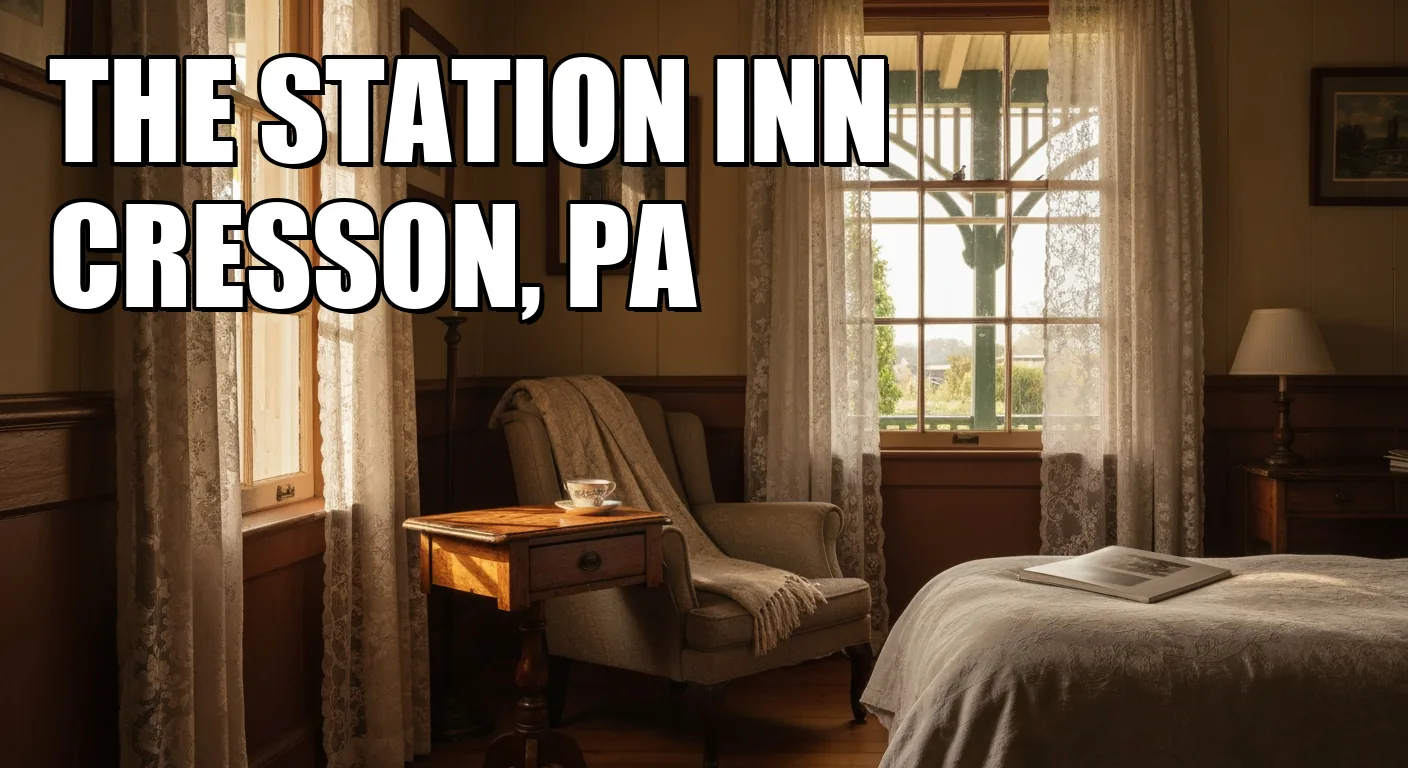
My journey into the world of train station B&Bs often begins in Cresson, Pennsylvania, home to The Station Inn. Built originally as the Callan House in 1866, it was a summer retreat for Pittsburgh’s railroad elite, a testament to an era when train travel was the pinnacle of luxury and efficiency. What distinguishes this inn isn't just its age, but its prime location along the Norfolk Southern Pittsburgh main line. This isn't some sleepy spur; you’re literally steps away from what many railfans consider one of the steepest mainline grades east of the Mississippi. You'll hear and *feel* the power of modern freight trains grappling with the incline, a visceral experience that a typical guide might simply gloss over as "train viewing."

Tom Davis, the inn's founder, a retired school administrator and bona fide railroad enthusiast, converted this venerable structure into a B&B in 1993, infusing it with a genuine passion for its heritage. The inn offers eight rooms, from single bedrooms to multi-room suites. I’ve heard guests rave about the "B&O Room," although, like many smaller, historical properties, don't expect a meticulously documented history for every single fixture. The charm here lies in the atmosphere, the subtle nods to railroad history, and the camaraderie with fellow guests who often share a similar passion for locomotives. Practical advice: Regular season rates, typically from January through September and then again from early November through December, start around $89 for a single bedroom. However, if you're planning for the vibrant fall foliage or intense railfan activity, be aware that peak season (late September through early November) sees prices climb to around $109. This isn't a place for absolute quiet, but rather for those who find the rumble of distant engines a lullaby.

Beyond the Ticket Counter: Unconventional Midwestern Stays

Head west, and you’ll discover that not every historic rail accommodation began as a grand passenger station. Riley's Railhouse in Chesterton, Indiana, is a perfect example of adaptive reuse, originally a New York Central Railway freight station built in 1914. This is a crucial distinction, often missed: a freight station brings a different kind of architectural history, less about ornate waiting rooms and more about function and industrial might. Ann Marie, the owner, spearheaded a two-year restoration, transforming this workhorse into a unique B&B in 2010. What truly sets Riley's apart, and something I always quiz B&B owners about, is their soundproofing. Located on the Norfolk Southern double mainline, up to 90 trains can pass daily. Their installation of triple-pane soundproof windows is not just a feature; it’s a necessity, proving they understand the reality of their location and prioritize guest comfort.

The accommodations here are delightfully varied: two guest rooms inside the depot, including an "upper berth" that can sleep five and offers a balcony for train viewing – a more controlled and comfortable way to enjoy the spectacle. But the real surprise? Renovated New York Central Boxcars, each housing two guest rooms and sleeping up to four. I've found that guests often specifically request "Boxcar 2," suggesting it holds a particular charm. While specific starting rates aren't always publicly listed for all configurations, expect variations by room type and season. It’s always best to call directly if you have a specific boxcar dream in mind. This is a place that challenges the conventional notion of a "bed and breakfast," pushing the boundaries into something more imaginative and hands-on with history.

Further north, in New York Mills, Minnesota, the Whistle Stop Bed & Breakfast takes a different approach, integrating luxury train cars into a charming Victorian home setting. The main house, built in 1903, offers traditional B&B rooms like the "Great Northern Suite" with its pre-Civil War four-poster bed. But the true draw here, and what makes it distinct, are the beautifully restored Pullman cars: the 1903 Imperial Car and the 1909 Palace Car, both once gracing the Northern Pacific Railroad. These aren't just old cars; they are genuine pieces of rail history, meticulously preserved and upgraded with modern amenities like whirlpools and fireplaces. The 750 sq. ft. Palace Car, especially, embodies a level of luxury from a bygone era that typical guides often don't emphasize enough.

And then there's the Cozy Caboose, built in 1893, offering a unique, compact experience with a queen Murphy bed and a whirlpool for $165 + tax (or $145 Sun-Thu). Jann Lee and her late husband Roger, the founders, clearly poured their hearts into curating this collection. It's a testament to their dedication that these grand old cars and caboose found a second life here, away from the scrapyard. This property offers a fascinating juxtaposition: the stability of a Victorian home combined with the rolling elegance of a historic train. It's an unexpected blend that works surprisingly well, offering something for every type of history enthusiast.

Missouri's Depot Delights: A National Register Gem

Venturing into Missouri brings us to the Bonne Terre Depot, a striking 2.5-story Queen Anne/Stick style frame building constructed in 1909 by the Mississippi River and Bonne Terre Railway. It earned its spot on the National Register of Historic Places in 1984, a significant marker of its architectural and historical value. Doug and Catherine Goergens deserve immense credit for purchasing and meticulously restoring this depot in 1989, transforming it into a B&B. What I find particularly intriguing about this location is its original purpose: it wasn't just a passenger stop, but a critical hub for the St. Joseph Lead Company, which operated excursion trains from here. This adds a layer of industrial history often overlooked, connecting the depot not just to passenger travel, but to the very economic engine of its region.

The Bonne Terre Depot features four guest rooms upstairs in the main building, but it truly excels by extending its unique offerings to three additional suites nestled in adjacent train cars. Guests frequently mention "Box Car #2" in reviews, indicating its popularity. While specific starting rates are not readily advertised, booking is typically managed through various platforms or directly via Turkey Holler B&B (573-518-4752). If you’re visiting the area, particularly for the nearby Bonne Terre Mine tours, this B&B provides an authentic, immersive experience that stands head and shoulders above a generic hotel. It’s a chance to literally sleep within a piece of the industrial past that shaped Missouri.

Nashville's Grand Dame: When a Station Becomes a Statement

And then there’s The Union Station Nashville Yards. Now, let’s be clear: this isn't a traditional bed and breakfast in the sense of a small, owner-operated inn. This is a full-fledged luxury hotel, a Marriott International property since its conversion in 1986 from the original 1900 Union Station building. But to dismiss it purely as a hotel would be to miss the point entirely. This is a member of Historic Hotels of America since 2015, and for good reason. Its Richardsonian Romanesque architecture, with that breathtaking 65-foot barrel-vaulted stained glass lobby ceiling, is a masterpiece. It represents the absolute pinnacle of Gilded Age railroad grandeur, a statement of civic pride and industrial power.

While the other properties on this list offer intimate, often owner-driven experiences, Union Station Nashville Yards provides an opportunity to experience a truly grand, preserved piece of architectural history at scale. With 125 luxury rooms and suites, the experience leans towards high-end hospitality rather than the quaint charm of a B&B. Expect standard rooms to start anywhere from $472-$562, with suites climbing higher. My advice: Even if you don’t stay overnight, make a point to walk through the lobby. It’s a free lesson in architectural splendor, a testament to what American cities once built for the common traveler. It’s a powerful reminder that some history is so monumental, it transcends categories, standing as a living monument to an era of unparalleled optimism and ambition.

Finding Your Berth: Practical Tips for a Perfect Train Station Getaway

Planning your visit to one of these unique historic train station B&Bs for 2025 demands a bit more forethought than booking a standard hotel. First, consider the actual train traffic: while the romance of a passing train is undeniable, consistent noise might not be everyone’s idea of a peaceful night. Places like Riley's Railhouse have invested heavily in soundproofing, which is a major selling point. For others, particularly those adjacent to active lines like The Station Inn, embrace the rumble as part of the authentic experience. Weekdays typically see less tourist traffic, especially at the smaller B&Bs, potentially offering a more intimate stay and better rates.

What many guides don't tell you is the nuanced difference between these properties. Some are truly "bed and breakfasts" with an owner-hosted morning meal and personal touches, while others, like Nashville's Union Station, are historical hotels with "bed and breakfast-style accommodations" – a subtle but important distinction in the service and intimacy you'll receive. When booking, particularly for the smaller, more unique properties like Whistle Stop B&B or Bonne Terre Depot, don't rely solely on online booking platforms. A direct phone call can often yield more specific information about room availability, unique features (like a particular boxcar or caboose), and sometimes even better rates. Remember, detailed information about specific room numbers with documented unique historical features or original stationmaster names is not always publicly available for smaller establishments, so managing expectations on that front is wise. You're often booking an experience, not a museum exhibit. Embrace the charm, the history, and the occasional rumble, and you'll find these unique stays truly unforgettable.

Your Complete Guide to Historic Train Station Bed & Breakfasts

What is a historic train station bed and breakfast experience?
A historic train station bed and breakfast offers visitors the unique opportunity to stay overnight in authentically restored railroad properties, including converted train cars, cabooses, or historic depot buildings, often positioned along active rail lines for train-watching opportunities. These accommodations combine the romance of railway heritage with modern comforts, typically including private rooms, full breakfasts, and direct access to observe freight and passenger trains passing by.
What are the best historic train station bed and breakfast locations in the United States?
Popular destinations include The Station Inn in Cresson, Pennsylvania (145 feet from Norfolk Southern's main line), Riley's Railhouse in Chesterton, Indiana, the Pullman Bed & Breakfast at Dennison Railroad Depot in Ohio, the Red Caboose Motel in Strasburg, Pennsylvania, Featherbed Railroad B&B Resort in Upper Lake, California, and Station House B&B in Granville, New York. Each offers unique access to different railroad lines and regional attractions.
How much does it typically cost to stay at a historic train station bed and breakfast?
Rates typically range from $172-$230 per night depending on the location and season, with properties like Riley's Railhouse starting around $172-$176 and Featherbed Railroad B&B Resort around $227 per night. Many properties offer discounts for multi-night stays and group bookings.
What amenities are included at these historic bed and breakfast properties?
Standard amenities include complimentary full or continental breakfast, free WiFi, air conditioning, private bathrooms, comfortable beds, and often additional features like viewing porches, fireplaces, jetted tubs, radio systems to listen to train communications, and access to on-site restaurants or lounges at larger properties.
Can I watch trains from my room at a historic train station bed and breakfast?
Many properties are specifically designed for train viewing, positioning rooms directly adjacent to active railroad lines. The Station Inn, for example, sits 145 feet from Norfolk Southern's tracks where up to 60 trains pass daily, and properties like Riley's Railhouse and Bridgeview B&B offer similar advantages for observing train traffic.
What is the best time of year to visit a historic train station bed and breakfast?
Spring (April-May) and fall (September-October) offer pleasant weather and peak scenic beauty, while summer provides long daylight hours for train-watching. Winter is quieter with fewer visitors, though some northern properties may have limited operations during heavy snow seasons.
Are historic train station bed and breakfasts accessible for people with disabilities?
Historic properties must meet minimum ADA accessibility requirements, including accessible routes to entrances, at least one accessible public entry, and accessible restrooms on required routes. However, limitations are common due to historic preservation requirements, so contact individual properties directly about your specific accessibility needs.
How far in advance should I book a historic train station bed and breakfast?
Booking 2-4 weeks in advance is recommended for weekend stays, though popular locations like Featherbed Railroad and The Station Inn often require reservations several months ahead. Group bookings typically require 45-90 days notice.
What is the cancellation policy for historic train station bed and breakfasts?
Cancellation policies vary by property, with most requiring 3 or more days notice for standard cancellations. The Station Inn, for example, charges a 10% cancellation fee for group bookings canceled within 45 days of arrival.
Can I stay in an actual train car or caboose?
Yes, properties like the Red Caboose Motel in Strasburg (38 cabooses), Pullman Bed & Breakfast in Dennison (historic Pullman car), Featherbed Railroad B&B Resort (nine antique cabooses), and Caboose Inn in DuBois offer authentic converted railroad cars and cabooses for overnight stays.
Are there activities and attractions near historic train station bed and breakfasts?
Most locations offer proximity to railroad museums, scenic train rides, Amtrak stations, and regional attractions. The Station Inn is 10 miles from Horseshoe Curve and Railroaders Memorial Museum, Riley's Railhouse is near Indiana Dunes National Park, and Featherbed Railroad overlooks Clear Lake with local wineries nearby.
Is breakfast included with my stay?
Yes, a complimentary full or continental breakfast is included at virtually all historic train station bed and breakfasts. Some properties serve breakfast in dining rooms, historic dining cars, or deliver it to guest rooms.
Can I bring my family or children to a historic train station bed and breakfast?
Most properties welcome families, though some like Featherbed Railroad are adults-only. Family-friendly options include The Station Inn, Red Caboose Motel (which features a playground and arcade), Riley's Railhouse, and Caboose Inn.
What should I pack for a stay at a historic train station bed and breakfast?
Bring comfortable clothing, earplugs if sensitive to noise (trains operate 24/7), a camera for train photography, binoculars for better viewing, and casual attire for dining. Properties typically provide linens, towels, and toiletries, though some recommend bringing personal items.
Can I book a historic train station bed and breakfast online?
Yes, most properties can be booked through their official websites, Expedia, TripAdvisor, Booking.com, Airbnb, Kayak, and other major travel platforms. Direct booking through property websites often provides better rates and personal assistance from innkeepers.