
Ripon's Little White Schoolhouse: A New Look at History
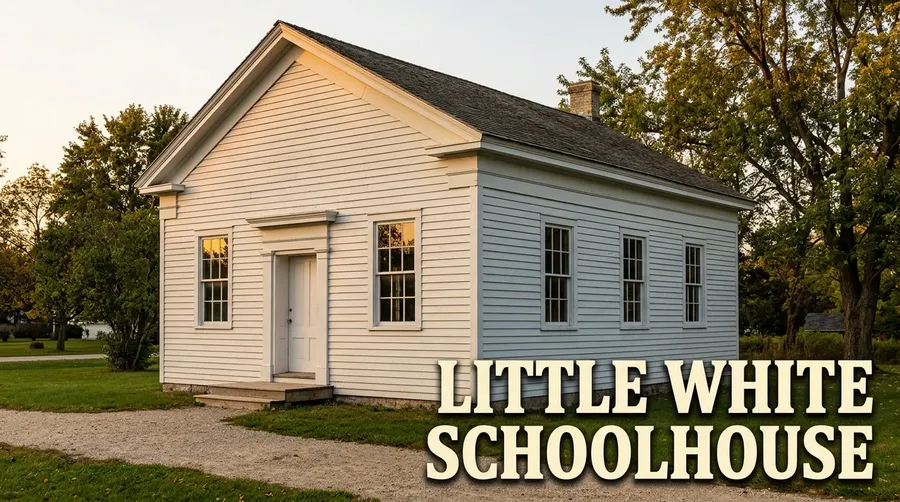
When you mention American history, most minds leap to Independence Hall, Gettysburg, or perhaps Monticello. But tucked away in the decidedly non-major city of Ripon, Wisconsin—population roughly 7,800 souls—sits a modest one-room structure, the Little White Schoolhouse. This unassuming building, erected in 1853, achieved historical notoriety as the birthplace of the Republican Party. For years, its story has been told through a singular lens, focusing on the 54 men who gathered there in March 1854 to protest the divisive Kansas-Nebraska Act. Yet, I’ve always found that the most profound insights into our past rarely reside in the headline events, but in the echoes of the everyday lives surrounding them. This particular schoolhouse, I’ve come to realize, is on the cusp of a revolutionary transformation, promising to finally tell those deeper, more complex stories.
What makes this quiet Wisconsin landmark truly compelling, especially as America gears up for its 250th anniversary in 2026, isn't just its existing historical weight. It's the pioneering vision to expand that narrative, moving beyond the traditional, elite-focused interpretation. We’re talking about a comprehensive digital revitalization project that promises to bring the untold stories of women, immigrants, working-class residents, African Americans, and even the displaced Indigenous peoples, whose lives were intrinsically woven into this pivotal moment, to the forefront. This isn't just about preserving a building; it's about resurrecting a community, and in doing so, offering an entirely new paradigm for how we engage with our shared heritage.
Beyond the Textbook Trope: Rewriting a Political Genesis
Most history books will succinctly state that the Republican Party was formed in Ripon, Wisconsin, in response to the Kansas-Nebraska Act. But what does that really *mean*? The Kansas-Nebraska Act, a legislative bombshell, essentially repealed the Missouri Compromise, opening vast new territories to the potential expansion of slavery based on "popular sovereignty." It was a deeply controversial move, igniting a firestorm across the nation. The gathering in Ripon was a spontaneous, passionate outburst of local citizens deeply concerned about the future of the republic and the moral implications of slavery's potential spread. What’s often overlooked, however, is the intricate social fabric of Ripon itself, the diverse perspectives held within that small town that shaped not only this meeting but the burgeoning political consciousness of a young nation. I've learned that truly understanding a historical event requires digging into the soil, not just skimming the surface. While the 54 men at the schoolhouse are significant, their story exists within a much larger, often ignored, context. For too long, the narrative has been like a tightly cropped photograph, showing only the central figures. The digital revitalization project aims to zoom out, revealing the bustling town, the diverse homes, and the myriad of conversations that led to that seminal meeting. It's about questioning the myth of a singular "founding moment" and appreciating the confluence of social, economic, and human factors that truly forge change.Echoes in the Classroom: Unearthing Hidden Histories
Imagine visiting this schoolhouse and discovering that the walls could talk, not just about the men who met there, but about *everyone* whose lives intersected with this place. The traditional narrative, focused on male voters, misses so much. What about the wives and daughters of these attendees, women like Mary Thompson, a German immigrant whose home became a political salon, influencing the very discussions that shaped the male attendees' views? Or the female abolitionists who secretly organized Underground Railroad networks in the region, defying federal law to aid those seeking freedom? These women brought their own European political activism traditions to Wisconsin, a crucial, yet largely undocumented, influence on American democratic movements. Beyond the domestic sphere, consider the working-class perspectives—the farmers, mill workers, and craftspeople whose economic concerns often underpinned their political views. The very laborers who built and maintained the schoolhouse and the broader community infrastructure, individuals like Samuel Johnson, a free Black carpenter who crafted furniture for the schoolhouse, held distinct perspectives on the slavery debate. Their voices, along with those of the diverse immigrant communities—German, Irish, Scandinavian families fleeing their own European upheavals—have been systematically excluded from the historical record. Moreover, we must acknowledge the profound context of Indigenous displacement; the recent removal of Menominee and Ho-Chunk peoples from these lands enabled white settlement and political organization, creating an environmental and cultural disruption that directly influenced the community’s development. The new project aims to weave these threads back into the tapestry, making the story infinitely richer and more honest.Stepping into a Reimagined Past: An AR Experience Like No Other
This isn't just about reading plaques; it's about immersion. The digital revitalization plan proposes a sophisticated augmented reality (AR) system that promises to transform the visitor experience. Imagine holding up your phone or tablet and seeing the single schoolhouse transform into a bustling 1850s townscape. This isn't science fiction; it's the future of historical interpretation. Through advanced AR, you'll access different narrative "layers" simultaneously. The base layer might show the traditional 1854 meeting, but superimposed, you'll see a "community layer" illustrating simultaneous activities happening throughout Ripon—a blacksmith at work, a general store bustling. Then, delve deeper into a "personal layer," where individual stories of residents and their families unfold. Hear the multilingual discussions echoing from nearby homes and workplaces, triggered by "conversation bubbles" appearing on your screen. You might virtually encounter Anna Larsen, a Norwegian immigrant teacher, educating the children of future voters, her daily struggles and triumphs illuminated. "Ghost walls" could reveal entire buildings that once stood around the isolated schoolhouse, letting you virtually walk through a vibrant street scene that has long vanished. Document overlays will allow you to instantly access letters, diaries, and period newspapers, offering a palpable connection to the past. It’s an interactive journey that moves far beyond static exhibits, turning a quiet historical site into a living, breathing portal to the past.The Archive Unlocked: Preserving More Than Just Bricks and Mortar
What does "preservation" truly mean in the 21st century? It’s far more than just maintaining a physical structure. The Ripon project embraces this expansive definition through cutting-edge 3D archival scanning. Imagine ultra-high resolution scanning, achieving a mind-boggling 0.05mm accuracy, documenting every architectural detail of the schoolhouse. This isn't just for show; it allows for precise material analysis, identifying original construction materials and meticulously tracking every layer of restoration history. The project extends this scanning to historical objects, hidden architectural elements, and contextual items from Ripon families, ensuring their digital immortality. Beyond physical artifacts, the project leverages artificial intelligence to revolutionize oral history. Using tools like Whisper AI for automated transcription, it can handle multilingual interviews with exceptional accuracy, a critical feature for capturing the diverse voices of immigrant communities. AI-powered story mapping will identify recurring themes and connections across different family narratives, allowing researchers and visitors alike to see the rich interconnectedness of the past. The system will even cross-reference personal stories with digitized historical documents, ensuring accuracy while always maintaining human oversight for cultural sensitivity. This interactive approach, including community storytelling sessions and digital story booths, means history isn't just collected; it’s *continuously gathered*, ensuring a living archive for future generations.Challenging the Narrative, Engaging a New Generation
One of the most valuable aspects of this initiative is its explicit goal to counter historical inaccuracies. Too often, our national narratives are oversimplified, presenting "founding moments" as pristine, uncomplicated events. This project, however, engages in methodical myth debunking, revealing the complex social and economic factors that truly shaped the 1854 meeting. It’s about "context restoration"—documenting the contributions of *all* community members, not just the elite few. A systematic fact-checking framework, including primary source digitization and archaeological evidence, will ensure transparency, even acknowledging uncertainties in the historical record. This commitment to truth, even when it complicates familiar tales, is what truly elevates historical understanding. Crucially, the project is designed with Gen Z in mind, recognizing their digital fluency and desire for authentic, technology-mediated experiences. Forget dusty textbooks; think TikTok series highlighting individual stories, Instagram AR filters that allow users to virtually place themselves in 1850s Ripon, and YouTube documentaries offering deeper dives into complex narratives. Gamification elements—historical detective games, timeline challenges, character collection systems—will reward deep engagement, turning learning into an interactive adventure. The genius here is also creating paid positions for Gen Z content creators, transforming them into student documentarians, and fostering revenue-sharing models that ensure their ongoing involvement in historical preservation. This is how we ensure history remains relevant and compelling for the audiences of tomorrow.Planning Your Pilgrimage to a Reborn Past
While the full digital revitalization project is slated for launch around America’s 250th anniversary in 2026, Ripon and its Little White Schoolhouse are worth visiting even now to get a sense of the place. The town itself offers a charming slice of small-town Wisconsin, and you can easily combine a visit with other regional attractions. Once the digital experience is fully implemented, expect a visit to last anywhere from 2-4 hours, depending on how deeply you choose to engage with the AR layers and interactive exhibits. When the enhanced experience arrives, anticipate a modest admission fee, likely in the range of $10-15 per adult, which will help sustain the project's innovative technologies and ongoing research. Parking in Ripon is generally accessible and often free or low-cost. To truly immerse yourself and avoid potential crowds—especially during summer months or around significant historical anniversaries—I’d suggest visiting on a weekday morning. The project’s forward-looking design means that even if you can't be there in person, elements of this rich history will likely be accessible remotely, allowing a broader audience to connect with these vital, inclusive narratives. It's not just a visit; it will be an active participation in uncovering a more complete American story. The Little White Schoolhouse, once celebrated for a narrow slice of history, is poised to become a national model for inclusive historical interpretation. By embracing AR, 3D scanning, and AI-powered oral history, this project isn't merely preserving a building; it’s constructing a living monument to the forgotten Americans whose stories deserve preservation, celebration, and integration into our national narrative. It stands as a powerful testament that the most meaningful way to honor our past is to include everyone who lived it.Discovering America’s Hidden Heritage
How to find local landmarks?
Use Google Maps’ “Explore” tab or the National Register of Historic Places website to browse landmarks by area.
Is there an app that identifies landmarks?
Yes—Google Lens and the Google Arts & Culture app can recognize and provide details on landmarks in real time.
How to find landmarks on Google Earth?
Open the “Voyager” panel in Google Earth and select “Historical Places” to view and explore landmark overlays.
How to search for places near a certain location?
In Google Maps, tap the search bar, choose “Nearby,” then enter a category like “historic site” to see local results.
How to find landmark in address?
Many address lookup services include a “landmark” field—enter your address in USPS Informed Delivery or Google Maps to view nearby named sites.
Part of 🏰 Historic Mansions
Famous Residents
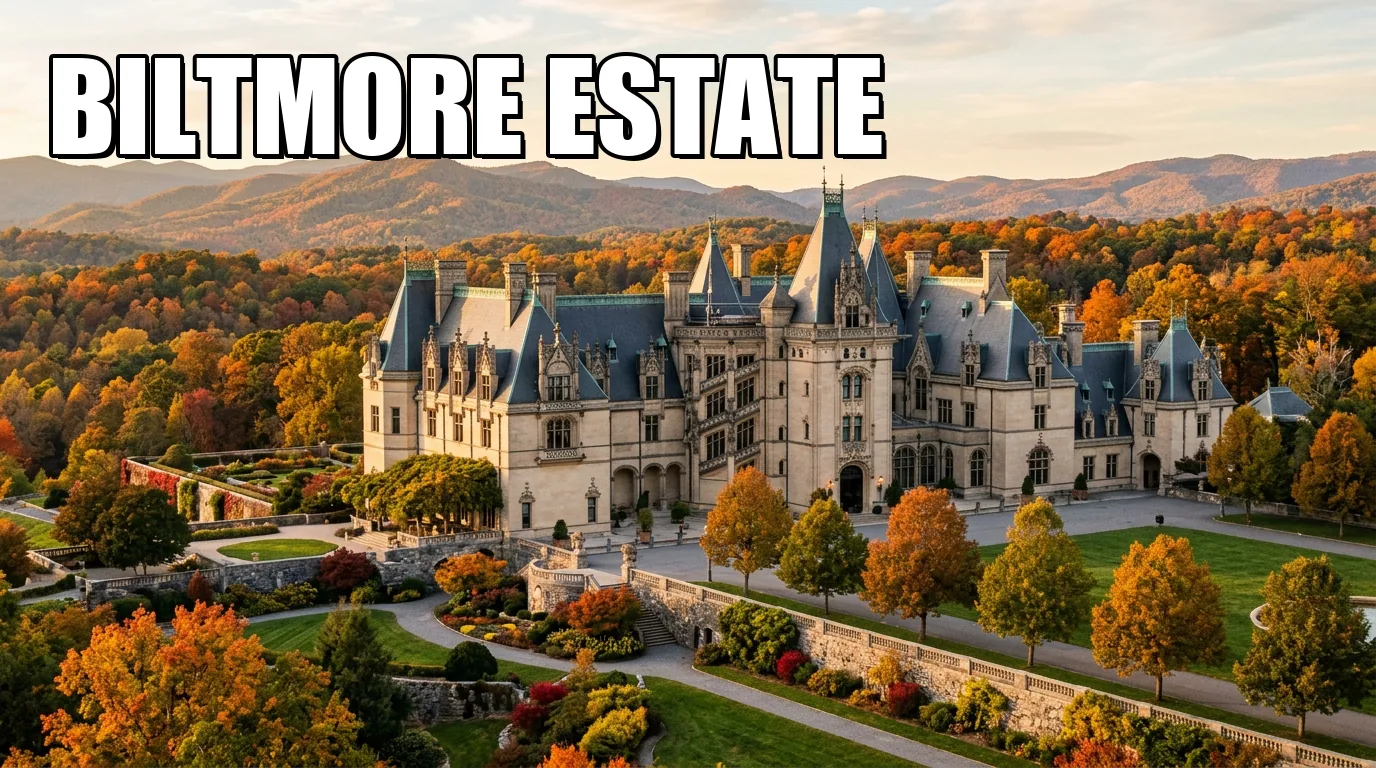
Biltmore Estate Tickets, House Tour, and What to See in One Day or Two
A practical Biltmore Estate guide covering house reservations, how long to allow, what admission includes, parking, pets, and how to divide a day between the house, gardens, and Antler Hill.
Famous Residents
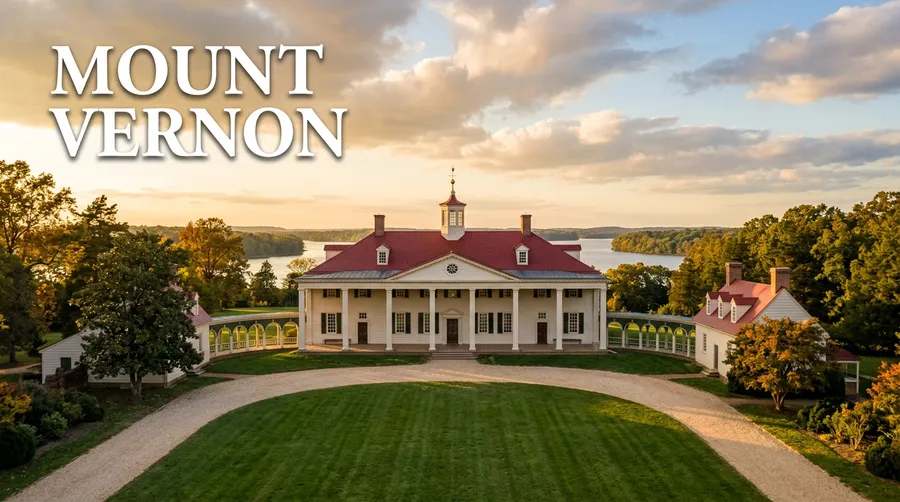
Mount Vernon Tickets, Mansion Tour, and What to See at George Washington’s Estate
A first-timer’s Mount Vernon guide covering timed mansion entry, how long to budget, what is included beyond the house, and how the estate now frames slavery as central history.

Famous Residents
Monticello Tickets, Tours, Mulberry Row, and What the Estate Actually Shows
Monticello is not just a house tour. Here is how the ticketed tours differ, what Mulberry Row adds, and why the slavery interpretation is central to understanding Jefferson’s estate.
From the author of this guide
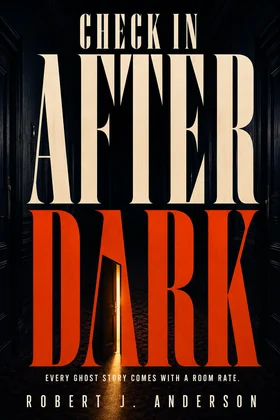
Check In After Dark
One writer checks into the rooms with the stories — Stanley 217, Banff Springs 873, the Del's 3327 — and reports what the night is actually like.