The Sanderson cottage was never a Salem building. Disney’s production notes say the house, its immediate surroundings and the cemetery used for the final confrontation were built on the studio’s largest soundstage in California. Pioneer Village supplied part of the daylight 1693 setting, and Old Burial Hill supplied a daytime cemetery scene, but neither place contains the film’s most elaborate witch set.
That distinction changes the Salem route. Some stops preserve the exact outdoor space seen by the camera. Others preserve only a recognizable façade. The witches’ cottage environment and climactic cemetery were production construction, not historic rooms and grounds waiting to be entered.
Location, set and access are three separate facts
| Place | What the film used | What a visit does not prove | Current access |
|---|
| Pioneer Village | Governor’s Faire House and its herb garden in the daylight 1693 village | The Sanderson cottage was not standing here; it was a California soundstage set | A seasonal living-history museum with its own admission |
| Old Burial Hill, Marblehead | The daytime scene in which Jay and Ernie take Max’s shoes | The final nighttime cemetery confrontation was built on a soundstage | A historic cemetery whose fragile stones should not be touched or used as photo props |
| Ropes Mansion | Allison’s house exterior | The Salem address verifies the façade, not Allison’s screen rooms | The garden is public; house entry follows the museum’s timed access |
| 4 Ocean Avenue | Max and Dani’s house exterior | The Salem address verifies the façade, not the screen interior | A private residence, viewed only from public space |
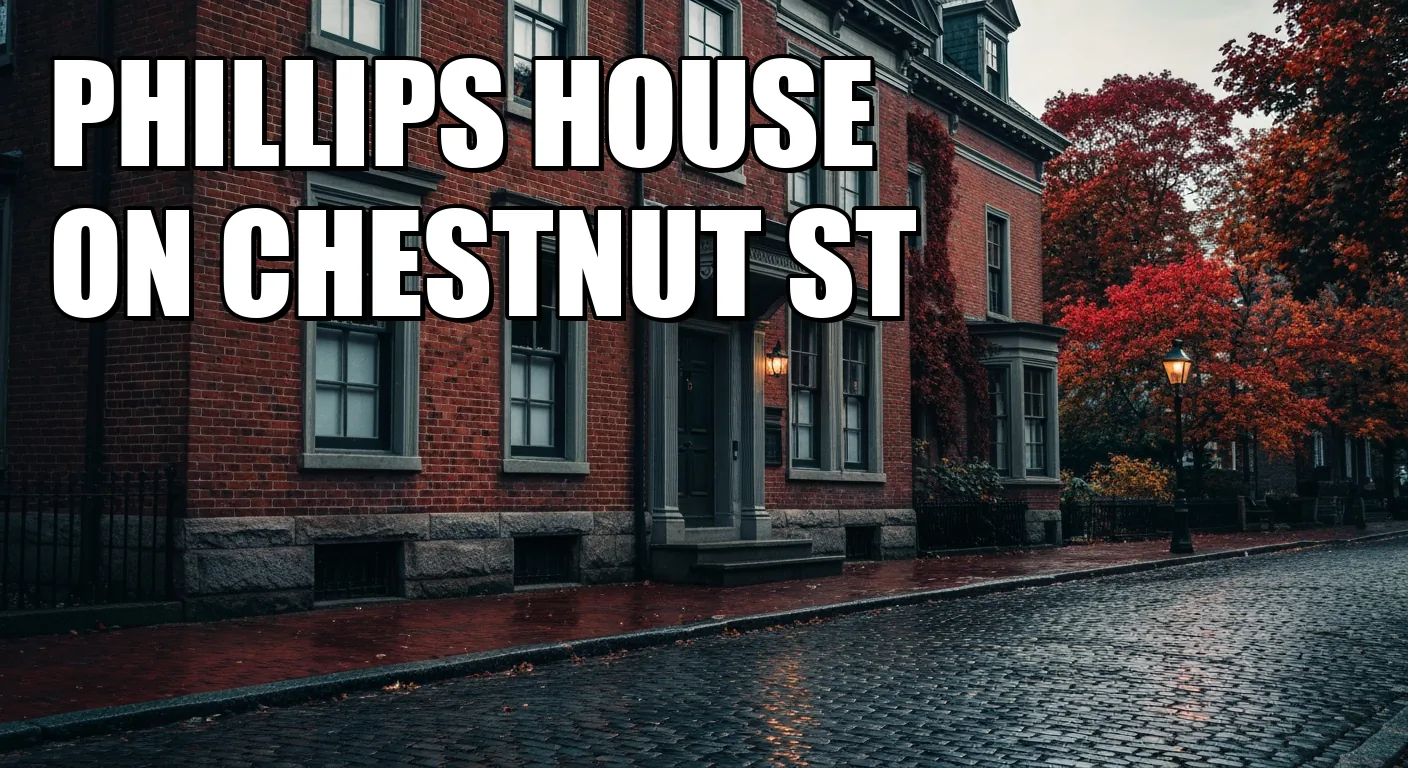
| Former Phillips School | Jacob Bailey High School exterior | The Salem building verifies the school façade, not the interior scenes | A residential apartment building, exterior-only |
| Old Town Hall | The exterior presented as the town Halloween party venue | The exterior credit does not identify its rooms as the musical interior | A city cultural and rental facility; interior access depends on programmed events |
| Salem Common | The outdoor scene where Allison returns Max’s note | No vanished movie interior is implied | A public park under ordinary city-use rules |
Pioneer Village is real; the Sanderson cottage was a set
Pioneer Village predates the movie. Salem created the living-history site in 1930 to interpret the city’s seventeenth-century settlement. For Hocus Pocus, the Governor’s Faire House and its herb garden supplied part of Thackery Binx’s daylight village. Visiting the museum therefore reaches genuine Massachusetts location fabric used by the production.
It does not reach the witches’ cottage. The Disney press material says the production took over its largest soundstage to build the Sanderson house, the surrounding environment and the cemetery for the final confrontation. The cottage’s twisted silhouette, nearby ground and climactic graveyard belonged to one controlled studio world.
This corrects a common visual shortcut. Pioneer Village resembles the opening because the camera used part of it, but resemblance does not transfer every 1693 structure to the site. The Governor’s Faire House is the surviving location evidence; the Sanderson house existed in California for the production.
Old Burial Hill is the daytime cemetery, not the climax
Old Burial Hill in Marblehead appears when Jay and Ernie stop Max and take his shoes. The sloping ground, old markers and harbor-side landscape are real. The final confrontation at Billy Butcherson’s grave is a different production space: Disney’s soundstage cemetery.
The distinction matters on the ground. Old Burial Hill is not a reusable movie set. Its seventeenth-century stones are vulnerable to weathering, contact and visitors backing into them for photographs. The correct scene match is the daytime encounter, and the correct behavior is that of a cemetery visitor—stay on paths where possible and never lean on a marker.
Salem’s houses and civic buildings verify the façade
Ropes Mansion gives the strongest public encounter with a house exterior. Its Essex Street façade played Allison’s home, while the Peabody Essex Museum keeps the garden open to the public and controls entry to the house through timed visits. Entering the historic mansion is worthwhile on its own terms, but it does not convert its rooms into proven film interiors.
The boundary is firmer at 4 Ocean Avenue and the former Phillips School. The Dennison house remains a private home. Phillips was converted into residential apartments. Both are recognizable exterior locations, and neither is a visitor attraction. A photograph from public space is the whole legitimate film-location experience.
Old Town Hall occupies a middle position. The exterior identifies the Halloween-party building, while the city now operates it as a cultural and rental facility. Interior access follows public programming rather than a standing movie tour. Entering for an event does not establish that the room is the musical interior seen during “I Put a Spell on You.”
Salem Common needs no such qualification. It remains the public landscape where Allison returns Max’s note. Its paths, open ground and surrounding façades still explain why the camera could make Salem feel like one walkable town rather than a sequence of isolated sets.
Choose the kind of evidence you want to see
- Surviving outdoor film space: Salem Common, the relevant part of Pioneer Village and the daytime slope at Old Burial Hill.
- Recognizable façade: Ropes Mansion, 4 Ocean Avenue, the former Phillips School and Old Town Hall.
- Production-built fantasy: the Sanderson cottage environment and final cemetery confrontation survive in the film, not as Salem attractions.
A precise Hocus Pocus trip does not ask only whether an address appeared on screen. It asks what the camera used there—landscape, façade, room or temporary set—and whether that exact layer still exists.
The Cornerstone Brief
One historic place, once a week — what it is, why it matters, whether it's worth going. No filler, no paid placements.
Coming soon. Unsubscribe any time.