Photo by Richard Crane for Cornerstone Mansion · November 26, 2025
The air in Taormina always hums with a certain magic, a blend of ancient whispers and Mediterranean zest. For me, few places encapsulate this dichotomy quite like the San Domenico Palace. It's an icon, yes, particularly after its star turn in *The White Lotus*. Yet, to simply view it through the lens of a hit TV show misses the profound layers of history, the quiet triumphs, and even the surprising practicalities that define this extraordinary establishment. Having wandered through countless historic properties, I can tell you this place isn't just a hotel; it’s a living museum, and understanding its past is key to truly appreciating its present.
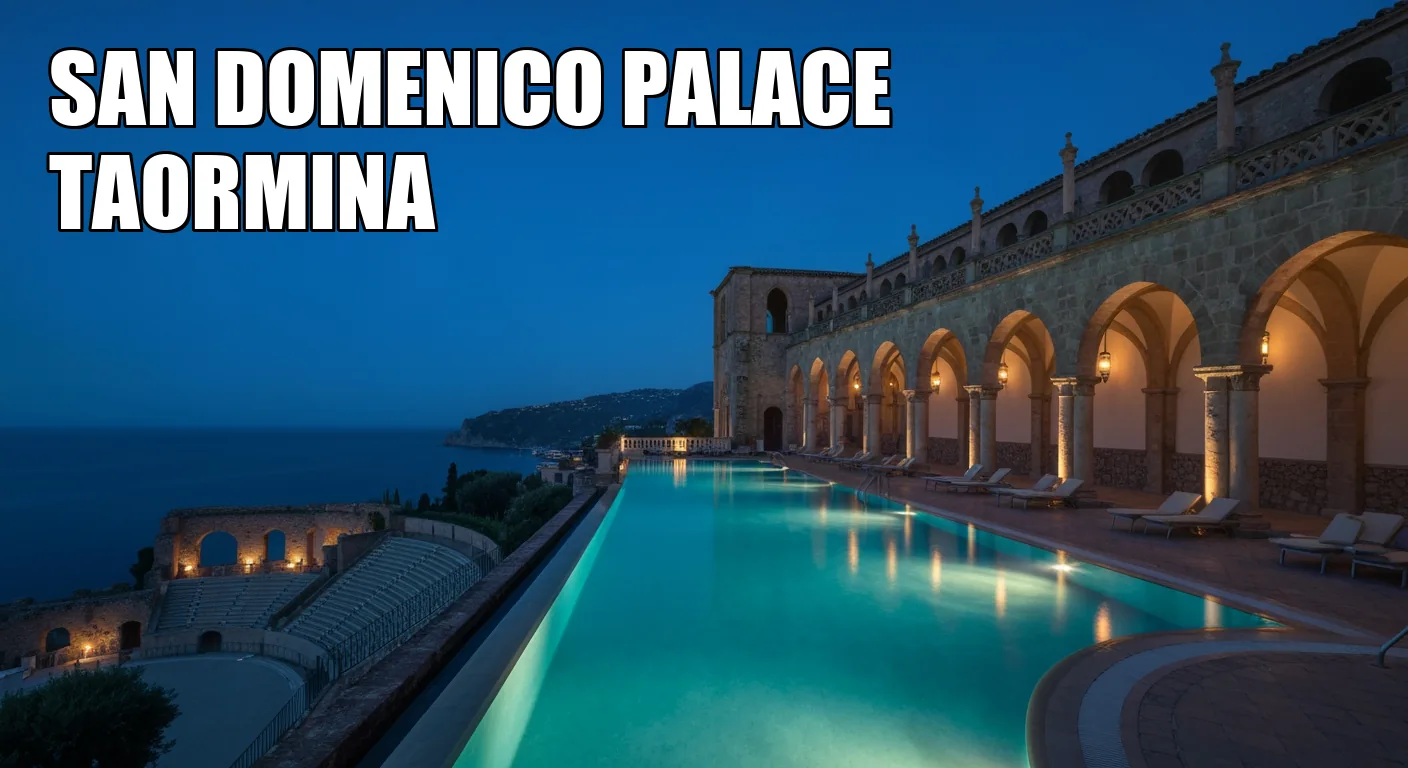
What does it truly mean to stay in a place that’s been so dramatically elevated by popular culture? For many, the allure of the San Domenico Palace, now a Four Seasons hotel, begins and ends with its on-screen glamour. They envision themselves sipping Aperol Spritzes by the infinity pool, gazing at the Ionian Sea and the majestic Ancient Theatre, just as the fictional guests did. This immediate recognition, however, often overshadows the profound historical narrative woven into its very stones. It’s a stunning backdrop, no doubt, but the palace’s story commenced centuries before any cameras rolled, embodying a spirit that far transcends fleeting trends.
Unpacking the Allure: How Pop Culture Transforms a Historic Gem
It's curious, isn't it, how a television series can suddenly inject a venerable institution with a fresh, contemporary mystique? *The White Lotus* undeniably brought the San Domenico Palace into the global spotlight, making its name synonymous with high-end Italian escapism and, perhaps, a touch of dark intrigue. This newfound fame, however, shifts the visitor's lens. Before, it was a destination for discerning travelers drawn to its history and understated elegance; now, it’s a pilgrimage site for fans, many of whom are seeking to recreate specific scenes or simply bask in the glow of celebrity association. The result? A palpable buzz, yes, but also a significantly altered dynamic for those seeking a more tranquil or historically immersive experience.
Walking through its hallowed corridors today, one can almost feel the pull between its storied past and its modern celebrity. The challenge for any discerning traveler lies in seeing beyond the surface-level glamour, to truly connect with the essence of what makes this place unique. You might arrive expecting quiet sophistication, only to find a vibrant, sometimes bustling, atmosphere fueled by guests eager to snap a selfie in "that spot." The palace successfully balances these competing demands, yet it presents a fascinating case study in how a historic property navigates the choppy waters of contemporary fame.
The Illusive Royal Suite: Opulence Beyond Specifics
Everyone wants to know about *that* suite, don't they? The one that embodies the pinnacle of luxury, offering views that sweep across the ancient theatre and the azure Ionian Sea. The Royal Suite at San Domenico Palace, perched grandly on the second floor of the Grand Hotel Wing, is indeed a marvel, spanning a generous 140 square meters (1,507 square feet). Yet, in a world where every detail is usually meticulously documented, the specific room number for this opulent space remains tantalizingly unlisted by the Four Seasons. This isn't an oversight, I suspect, but rather a deliberate choice, adding to the mystique of exclusivity.
For those planning a visit, understanding the pricing structure is equally important, though precise figures for future peak seasons are as elusive as that room number. Current public sources don't provide exact pricing for, say, July 2024. However, historical context reveals a telling pattern: the Royal Suite itself can command a staggering €18,000 per night. Even standard rooms during peak summer months, such as July—unquestionably Taormina’s busiest and most expensive period—typically start around €2,500 per night, breakfast included. What this tells us is that while the exact numbers fluctuate, you should brace yourself for a significant investment; this isn’t a casual booking. Expect demand to drive prices even higher in prime season, especially after the hotel's recent exposure.
Echoes of a Distant Past: From Monastic Serenity to Wartime Drama
Before it became a playground for the wealthy or a backdrop for HBO, the San Domenico Palace lived a very different life, rooted in monastic devotion. Its origins as a Dominican convent in the 14th century lend it a profound sense of history, a gravitas that permeates the very air. This transition from a sacred retreat to a grand hotel is a fascinating tale in itself, marking a pivotal moment in European luxury tourism. It was Prince Domenico Rosso di Cerami, inheriting the former convent around 1866, who envisioned something entirely new. He transformed the ancient structure, adding a substantial wing in the elegant Italian Liberty architectural style, and by 1896, it opened its doors as one of Europe’s pioneering grand hotels. This wasn't merely a renovation; it was a redefinition of luxury, offering discerning travelers an unprecedented blend of historical ambiance and modern comfort, setting a new standard for hospitality across the continent.
Yet, its most dramatic historical chapter unfolded during the tumultuous years of World War II. On July 9, 1943, as the Allied forces launched their audacious invasion of Sicily, code-named Operation Husky, the San Domenico Hotel found itself squarely in the crosshairs. It was serving as the headquarters for the German Wehrmacht command, a strategic hub for their operations on the island. During intense bombing raids, the hotel sustained direct hits. Imagine the scene: high-ranking German officers, gathered for a critical meeting, suddenly facing the wrath of Allied bombers. The hotel suffered significant damage, with the Church of Saint Agnes, an integral part of the property, completely destroyed. Despite the devastation, the German command astonishingly continued its operations from the damaged site, underscoring the building’s strategic importance and its resilience. This isn't just a footnote; it’s a stark reminder of the palace’s role in a conflict that reshaped the world, contrasting sharply with its current image of serene opulence.
The Haunting Mythos: Separating White Lotus Whispers from Actual Ghosts
It's almost inevitable, isn't it, for a structure as ancient and atmospheric as the San Domenico Palace to accumulate whispers of the supernatural? Its origins as a 14th-century convent, with centuries of human stories embedded in its walls, naturally conjure images of lingering spirits. The dramatic architecture, with its shadowed cloisters and hidden corners, certainly fosters a sense of mystique, a place where the veil between past and present feels thin. Add to this the evocative, sometimes unsettling, ambiance conjured by *The White Lotus*—with cast and crew even using descriptive terms like "haunted" to capture the mood during filming—and the stage is set for a full-blown ghost narrative.
However, for all the compelling atmosphere, and despite its rich history, the San Domenico Palace doesn't actually have any formally documented ghost stories or paranormal incidents. My research, delving into verified sources, turns up no official reports from guests, no hotel-acknowledged apparitions, nor specific rooms notorious for spectral visitors. It seems the "haunted" descriptor is more a testament to the hotel's powerful aesthetic and historical depth, rather than any actual spectral residents. It speaks volumes about our human inclination to weave narratives of the unknown into places that possess such profound character. So, while you might feel an undeniable connection to history and a delicious sense of foreboding thanks to its screen portrayal, don't expect actual spooks; the real magic here is entirely earthly.
Navigating the Dream: Practicalities for Your Taormina Escape
So, you’ve decided to experience the San Domenico Palace for yourself, beyond the glossy magazine spreads and television screens. Wonderful. But let's talk brass tacks, because the reality of visiting a destination like this, especially post-White Lotus boom, often deviates from the idyllic fantasy. First, timing is paramount. Given that July is unequivocally peak season in Taormina, bringing scorching heat and throngs of tourists, I strongly advise considering the shoulder months. Late April, May, or early October offer glorious weather, slightly fewer crowds, and potentially (though not guaranteed for this caliber of hotel) more agreeable rates. Booking is not just recommended; it’s non-negotiable, and I’d suggest securing your room at least six to nine months in advance, particularly if you're eyeing a specific suite or traveling during any recognized holiday period.
Consider the financial outlay beyond the room rate itself. Taormina is an expensive destination, and dining, excursions, and even a simple gelato can add up quickly. While the hotel offers unparalleled luxury, venturing into the town means navigating its charming, but often crowded, streets. Expect to pay premium prices for parking if you rent a car, or factor in taxi costs. What many typical guides won't explicitly tell you is the sheer scale of the tourist influx during peak summer; the narrow main street, Corso Umberto, can become a human river. For the best experience, rise early to explore the Ancient Theatre before the tour groups descend, and make dinner reservations well in advance for any restaurant worth its salt. The San Domenico Palace offers an extraordinary experience, but a little strategic planning can elevate your stay from merely memorable to truly transformative.
Ultimately, the San Domenico Palace is a place of compelling contrasts: ancient monasticism against modern luxury, wartime grit alongside cinematic glamour. It’s a testament to resilience, a beacon of refined hospitality, and now, a pilgrimage site for fans worldwide. To truly appreciate it, one must look beyond the immediate, beyond the Instagram perfect shots, and engage with its multifaceted story. You’ll find, as I have, that the real magic isn’t just in its beauty or its celebrity, but in the echoes of all the lives and events that have graced its magnificent halls over the centuries. Go, but go with eyes wide open, ready to discover a depth that no screen can fully capture.
More Film & TV Locations
These guides identify the real building or site first, then explain what visitors can still see in person.
The Ultimate Guide to San Domenico Palace Taormina: A Four Seasons Luxury Experience
What is San Domenico Palace and why is it famous?
San Domenico Palace is a luxurious five-star Four Seasons hotel in Taormina, Sicily, built on the foundations of a 15th-century Dominican convent and became world-famous as the primary filming location for HBO's Emmy-winning series The White Lotus Season 2.
What is the history of San Domenico Palace?
The property's origins trace back to 1374 when a Dominican convent was established in Taormina; it was converted into a luxury hotel in 1896 and recently underwent extensive restoration before reopening in July 2021 as a Four Seasons property managed by owner Gruppo Statuto.
Who owns San Domenico Palace Taormina?
San Domenico Palace is owned by Gruppo Statuto, an Italian hospitality company, and is currently managed by Four Seasons Hotels and Resorts.
How much does it cost to stay at San Domenico Palace?
Room rates start from approximately $1,161 to $1,917 per night as of 2025, though prices vary significantly based on season, room type, and availability; suites and premium locations command considerably higher rates.
What movies and shows were filmed at San Domenico Palace?
The HBO series The White Lotus Season 2 was filmed entirely at the property, alongside classic films L'Avventura and Malèna; the hotel has hosted many famous actors including Audrey Hepburn, Elizabeth Taylor, Richard Burton, and Sophia Loren over the decades.
Is San Domenico Palace worth visiting?
San Domenico Palace is highly worth visiting for its spectacular clifftop location overlooking the Ionian Sea with views of Mount Etna, exceptional service, and iconic historic charm, though the high cost means it's best suited for luxury travelers and White Lotus enthusiasts.
San Domenico Palace White Lotus reviews: What do guests say?
Reviews are predominantly positive, with guests praising the breathtaking views, authentic historic monastery atmosphere, fine dining, and exceptional staff; however, some note that the extremely high rates and relatively small rooms may not justify the value for all travelers.
Can non-guests visit the restaurants and bars?
Yes, non-guests can visit the restaurants, bars, and lounges at San Domenico Palace by making a reservation in advance by contacting the hotel directly or through their concierge; it's recommended to book several days ahead during peak season.
What are the main amenities at San Domenico Palace?
The property features multiple fine dining restaurants including Michelin-starred Principe Cerami, outdoor pools, a luxury spa, 24-hour room service, a fitness center, and beautifully restored historic cloisters and gardens overlooking the sea.
What is the story behind Isola Bella?
Isola Bella, a small island below Taormina also known as the Pearl of the Ionian Sea, was purchased in 1889 by Lady Florence Trevelyon, a British noblewoman who built Villa Caronia on it; the island is now a protected natural site owned by the Sicilian region.
Who is San Domenico?
San Domenico refers to Saint Dominic (c. 1170–1221), a Spanish Catholic friar who founded the Order of Friars Preachers, known as the Dominicans; he is the patron saint of astronomers and natural scientists and is credited with spreading the rosary.
Why did Muslims invade Sicily?
The Arab Muslim conquest of Sicily began in 827 when the Aghlabid emirs of Ifriqiya (present-day Tunisia) were invited by a Byzantine naval commander in revolt as a strategic military ally; the Arabs viewed the opportunity as advantageous for expansion and religious jihad, eventually controlling the island until the Norman conquest in the 11th century.
Where is the abandoned $7 million hotel?
The abandoned $7 million hotel refers to No Man's Land Fort, one of four sea forts in the Solent near Portsmouth, England; it was converted into a luxury hotel project in the early 2000s but was abandoned after COVID-19 and never reopened.
What is the best time to visit Taormina and San Domenico Palace?
The best time to visit is between April and October, with May-June and September-October being ideal for pleasant weather and fewer crowds; August is the hottest and most crowded month when Italian families vacation and prices peak.
How do USA travelers reach San Domenico Palace from the United States?
Travelers from the USA typically fly into Catania Airport (CTA), which is about a 50-minute drive from the hotel; the property offers airport shuttle service for an additional fee, and the nearest train station (Giardini-Naxos) is approximately 15 minutes away by taxi.
Why This Page Exists
Maison builds place guides to help readers plan a real visit or understand a real site. When a page makes present-day access, booking, or visitor claims, those details are revised against public-facing source material and editorial review. For the wider standards behind that work, see methodology.
The Cornerstone Brief
One historic place, once a week — what it is, why it matters, whether it's worth going. No filler, no paid placements.
Coming soon. Unsubscribe any time.
We use cookies to enhance your experience. By continuing to visit this site you agree to our use of cookies.